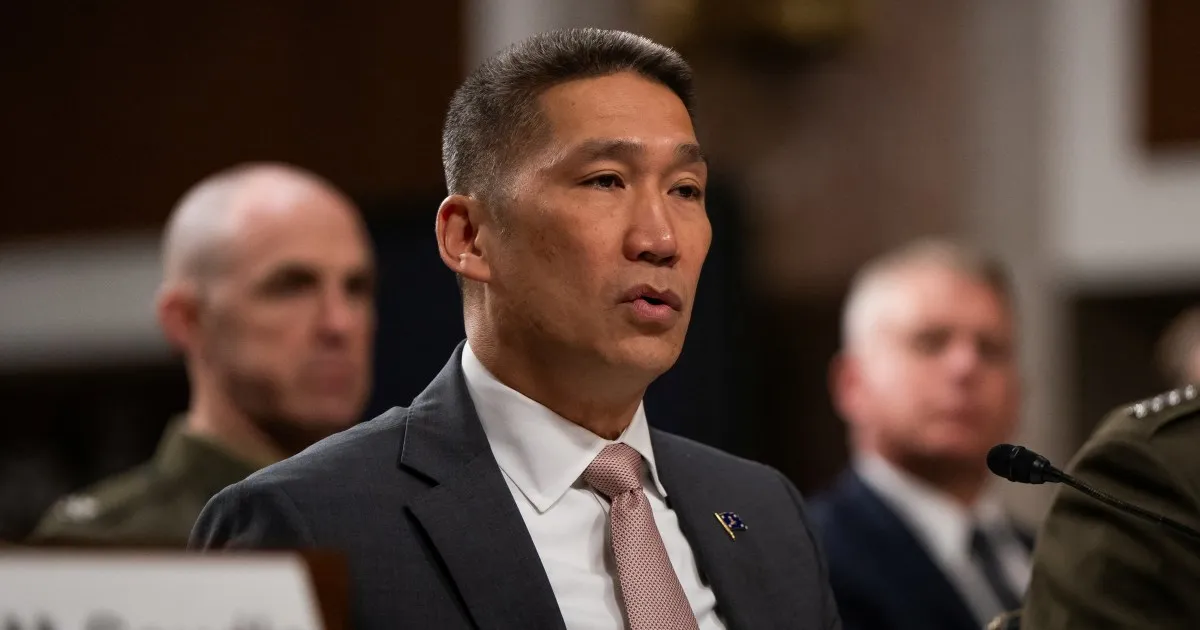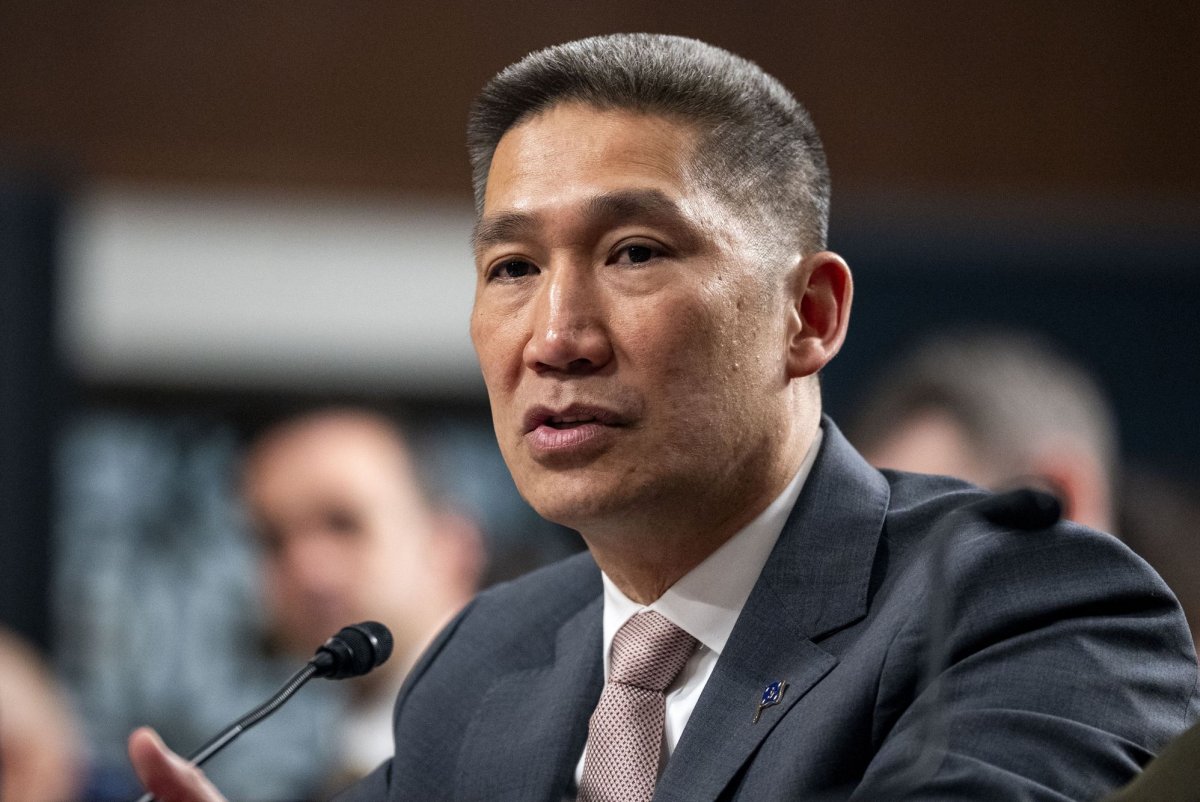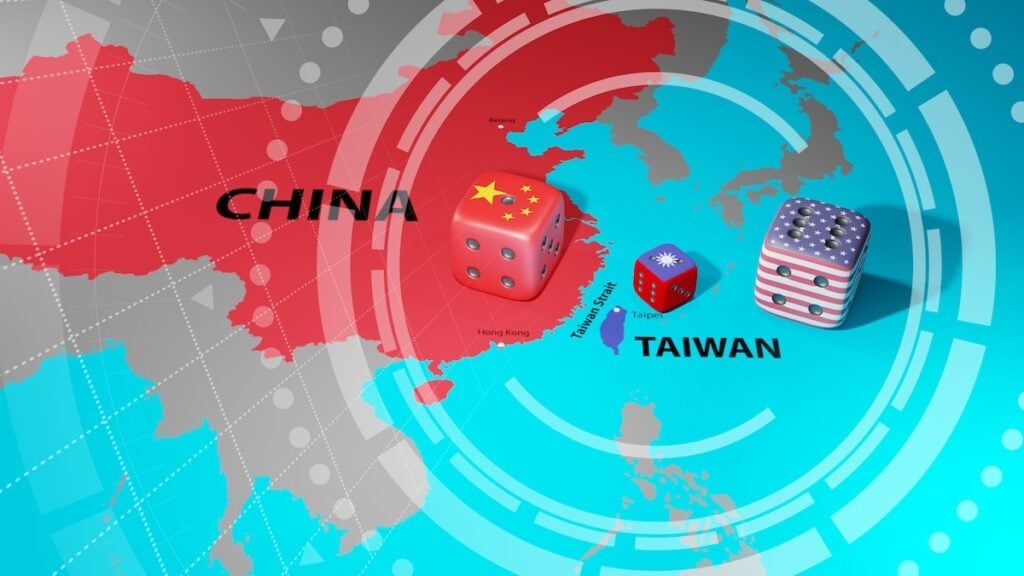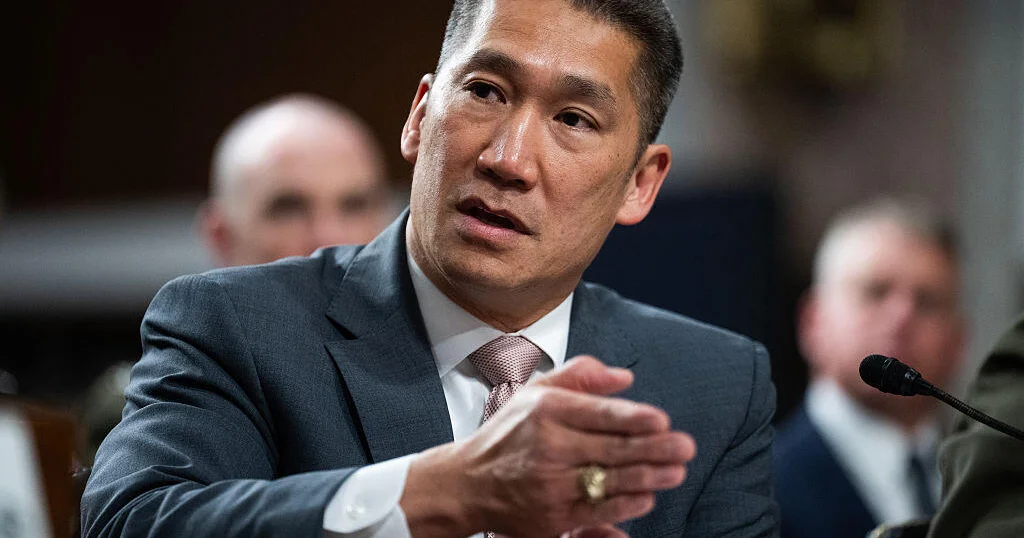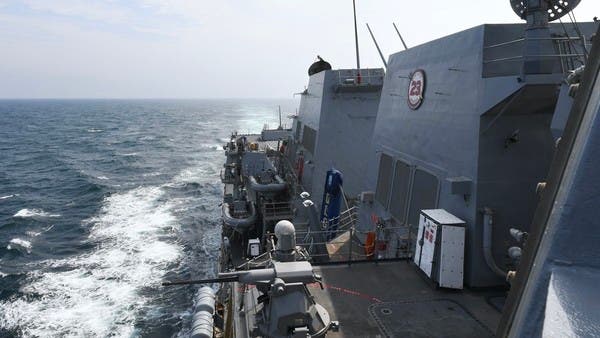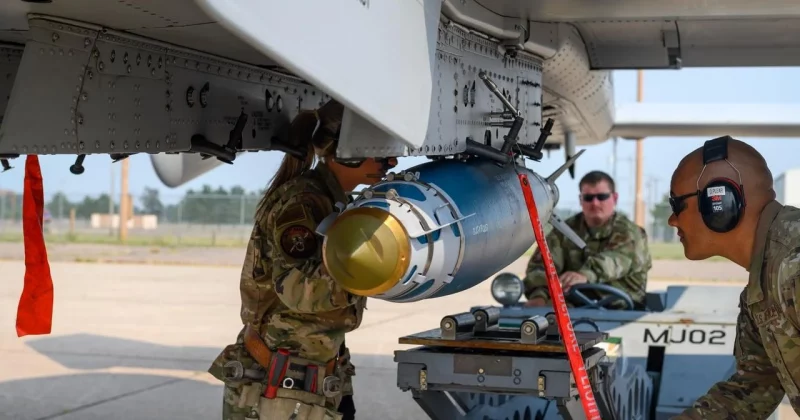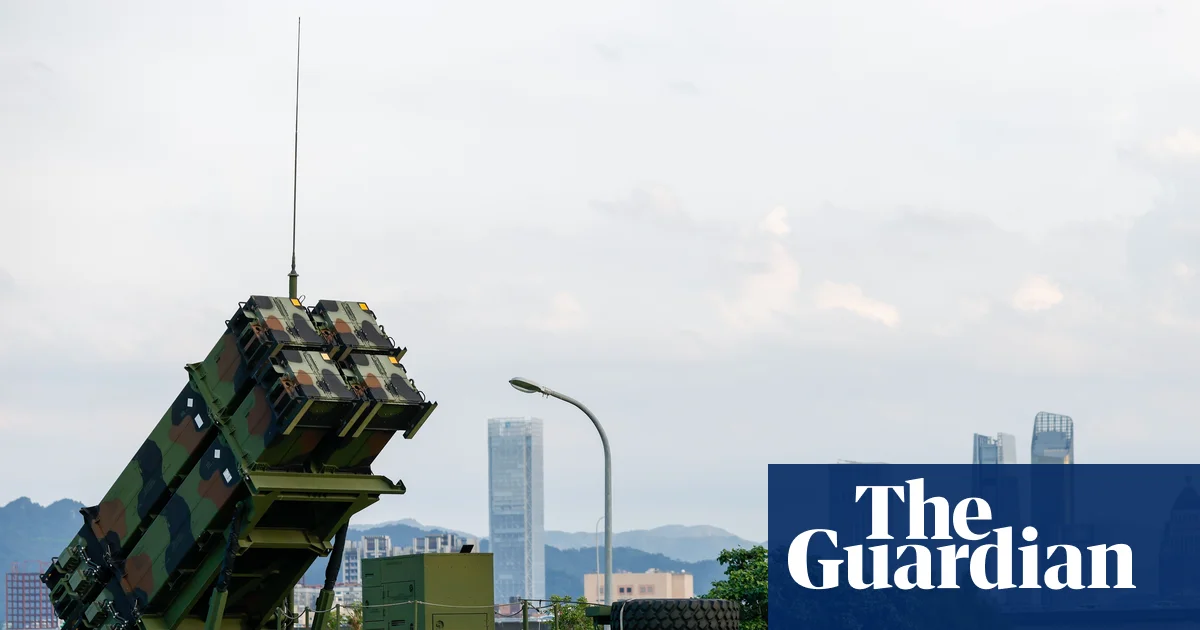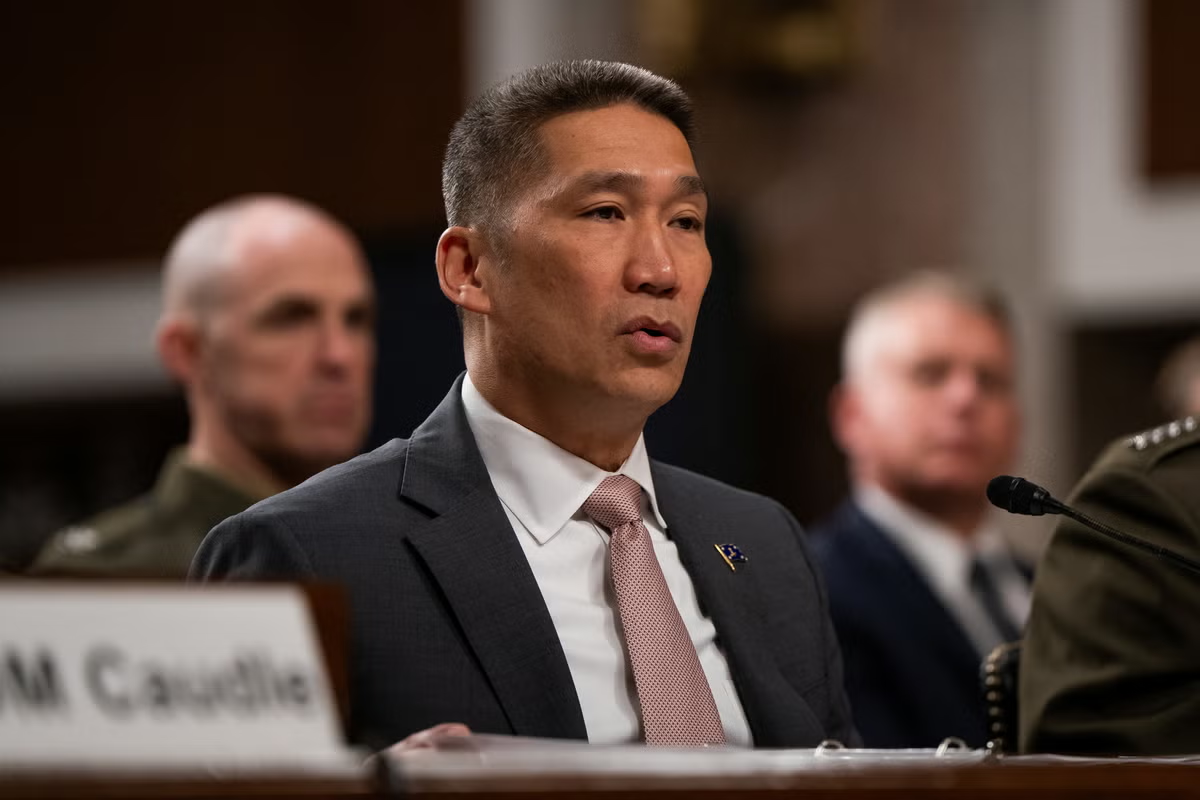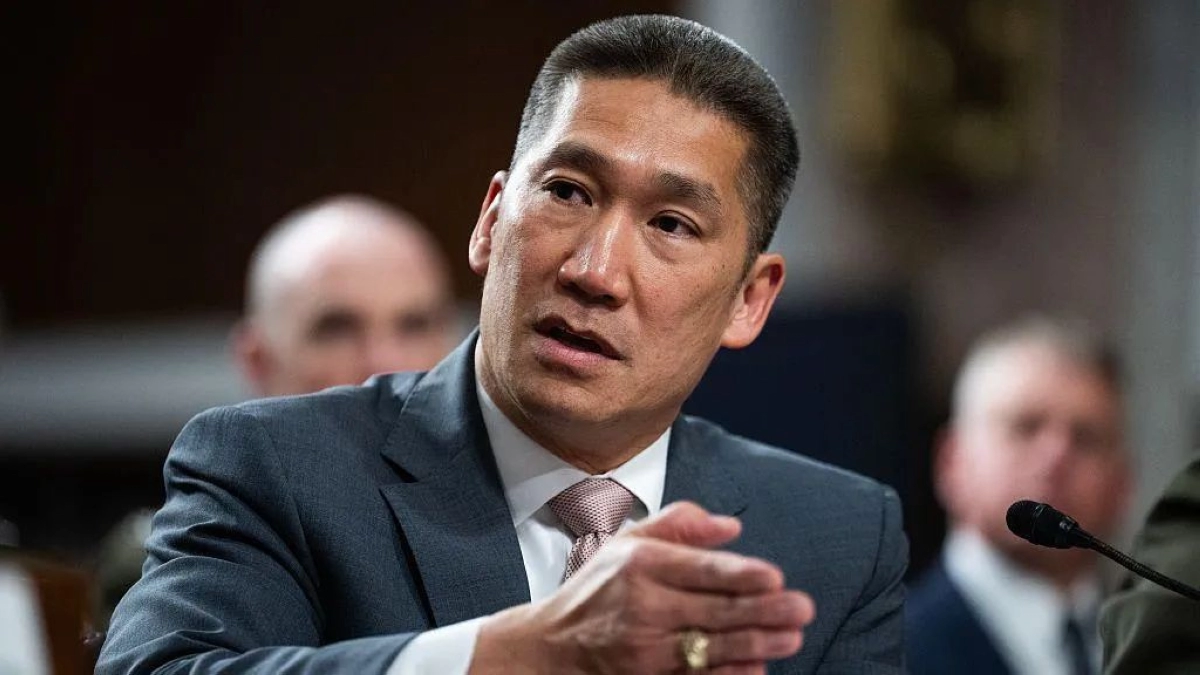
WASHINGTON — A top US military official has said Washington is pausing a $14bn arms sale to Taiwan to save munitions for its war on Iran.Acting Navy Secretary Hung Cao provided the update to lawmakers during a Senate hearing on Thursday, days after the weapons sale took center stage in talks between US President Donald Trump and Chinese leader Xi Jinping in Beijing.“Right now, we’re doing a pause in order to make sure we have the munitions we need for Epic Fury – which we have plenty,” Cao told the Senate Appropriations Subcommittee on Defense.“But we’re just making sure we have everything, but then the foreign military sales will continue when the administration deems necessary.”A spokesperson for Taiwan's presidential office told reporters on Friday that they had not received any information about "US adjustments to the arms sale".The sale of US arms to Taiwan has long angered Beijing, which claims the self-governed island as its territory and has not ruled out taking it by force.The $14bn package has been waiting for Trump's approval for months. It includes air defence missiles, such as Lockheed Martin's PAC-3, and surface-to-air missile systems, according to a Reuters report in March.Trump has yet to confirm that he would give final approval to the package, telling Fox News last week that it was "a very good negotiating chip" with China.He also told reporters he would "make a determination over the next fairly short period" on the weapons sale to Taiwan.Those comments came fresh off a presidential summit in Beijing, where Xi had told Trump that Taiwan was the most important issue between the US and China.Trump later told reporters that he had discussed US arms sales to Taiwan "in great detail" with Xi - even though according to a 1982 US assurance to Taiwan, the US had pledged not to consult Beijing on the matter.Trump has also said he would talk directly to Taiwanese leader Lai Ching-te about the sale, which would be a sharp departure from diplomatic tradition and is likely to anger Beijing.US and Taiwanese leaders have not spoken directly for decades, although Trump spoke to Lai's predecessor Tsai Ing-wen when Trump was president-elect.Beijing had lodged vehement opposition last December when the US approved a $11bn arms sale to Taiwan — one of the largest such packages ever.Taiwan's leader Lai Ching-te has emphasized that US arms sales were a "key factor in maintaining regional peace and stability".Under Lai, Taiwan has significantly ramped up its defence spending in response to growing military pressure from China.
US navy chief says $14bn Taiwan arms deal paused to save munitions for Iran war
WASHINGTON — A top US military official has said Washington is pausing a $14bn arms sale to Taiwan to save munitions for its war on Iran. Acting Navy...
420 words~2 min read