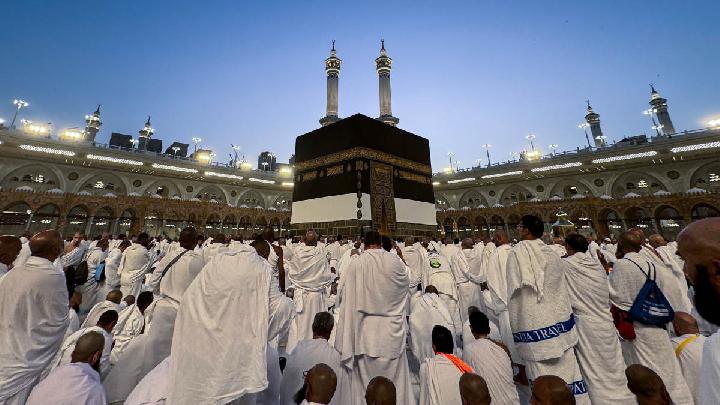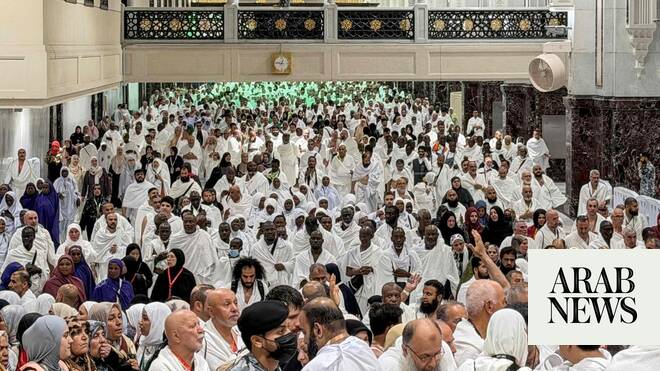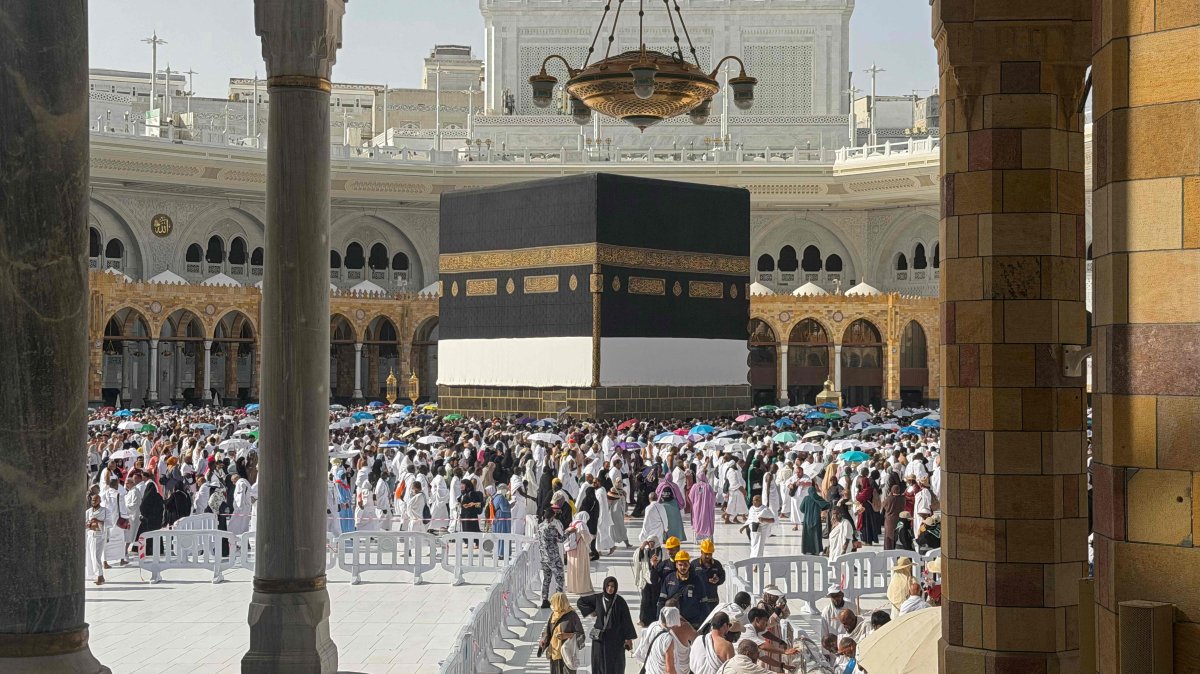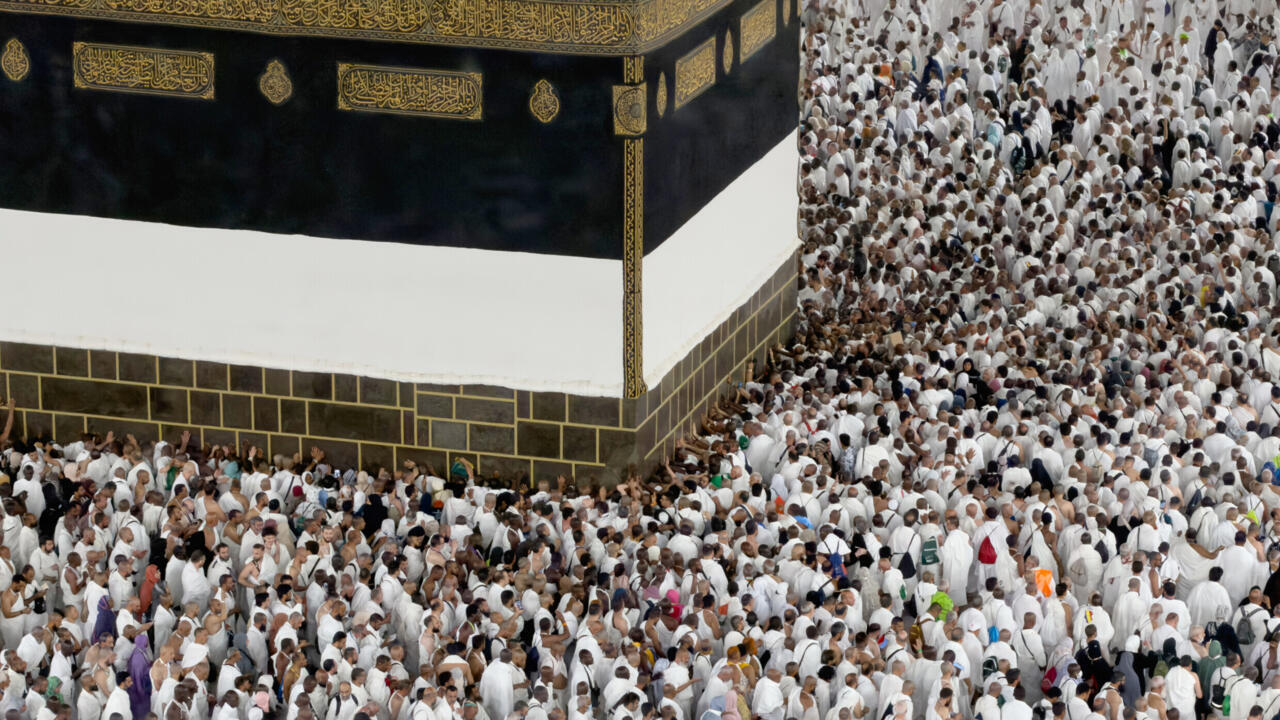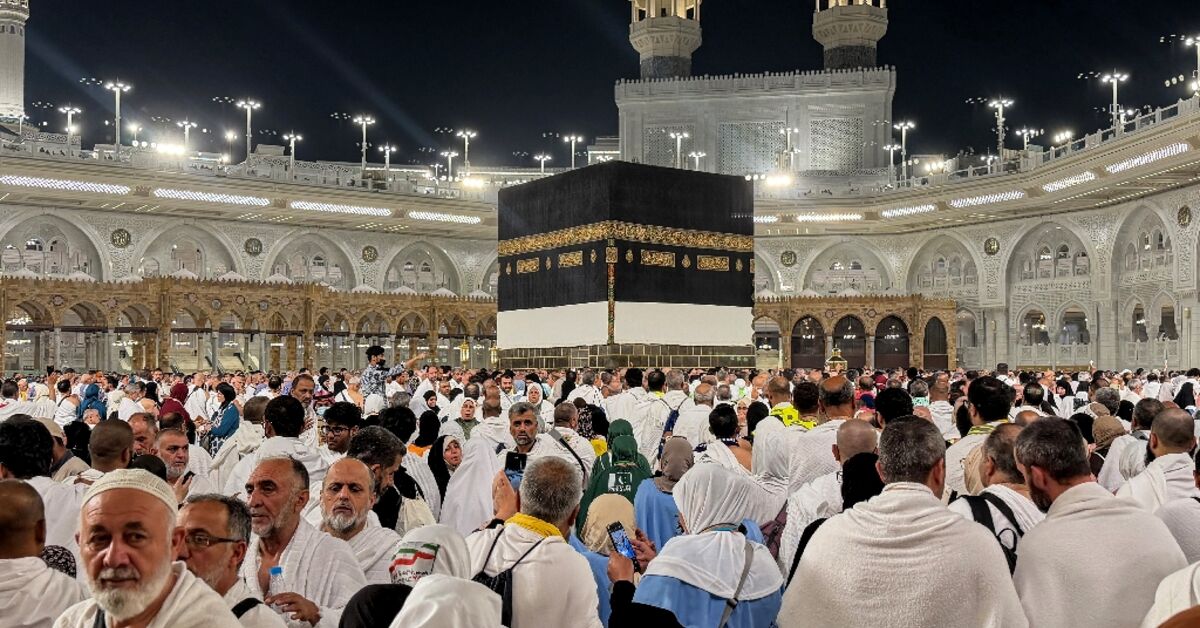
This year is the first time that Saudi Arabia has chosen to go ahead with the annual Hajj pilgrimage while it is also in the middle of a war that has seen direct strikes on Saudi territory.
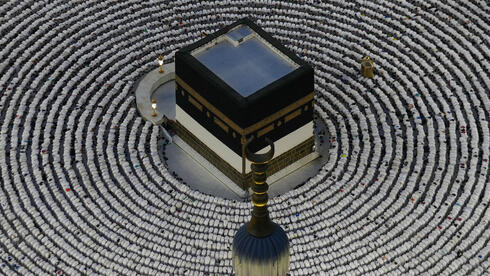
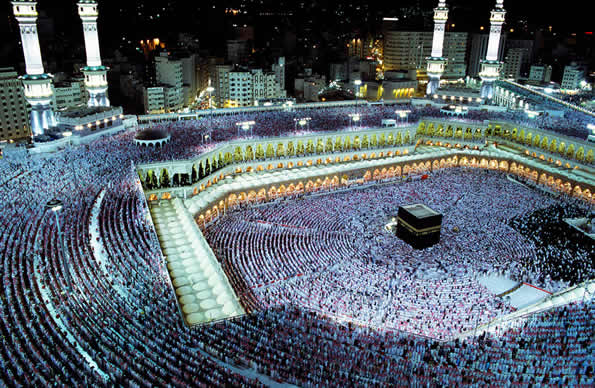
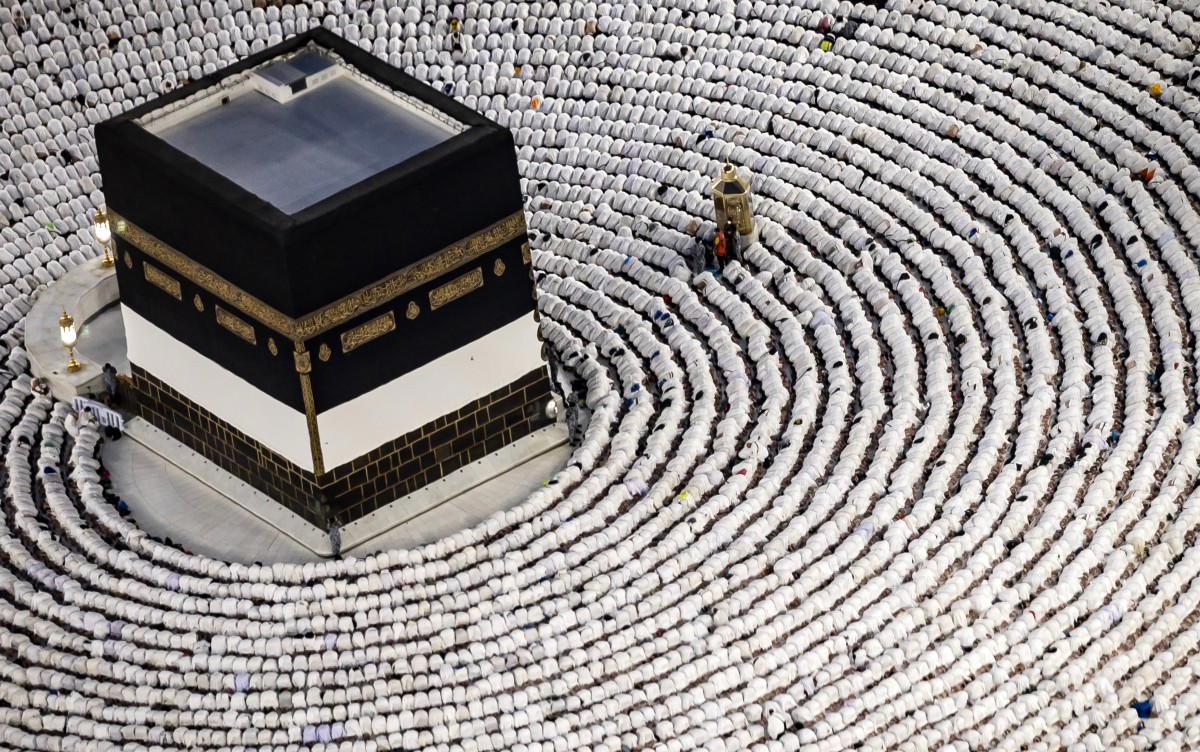
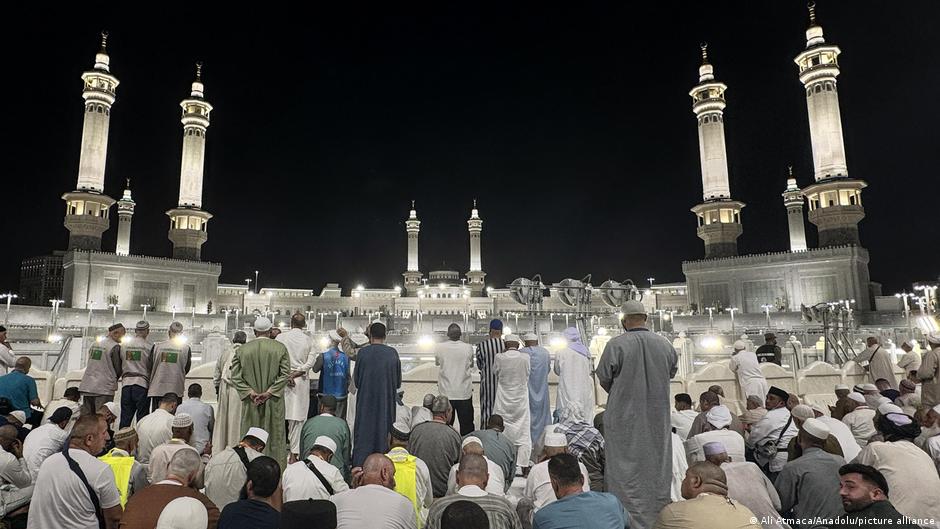
The Hajj is a once-a-year event that draws millions of Muslims to Mecca in Saudi Arabia to perform rituals that every believer is supposed to carry out at least once in their lives, if they are able to. It is one of the largest gatherings of humans worldwide, and this year's Hajj runs between May 25 and May 29 with around 1.5 million pilgrims expected in Saudi Arabia. Over the past three years, between 1.7 and 1.8 million have attended.
Historians say that over 14 centuries, the Hajj has only ever been canceled or restricted about 40 times; the last time that happened was during the COVID-19 pandemic in 2020.
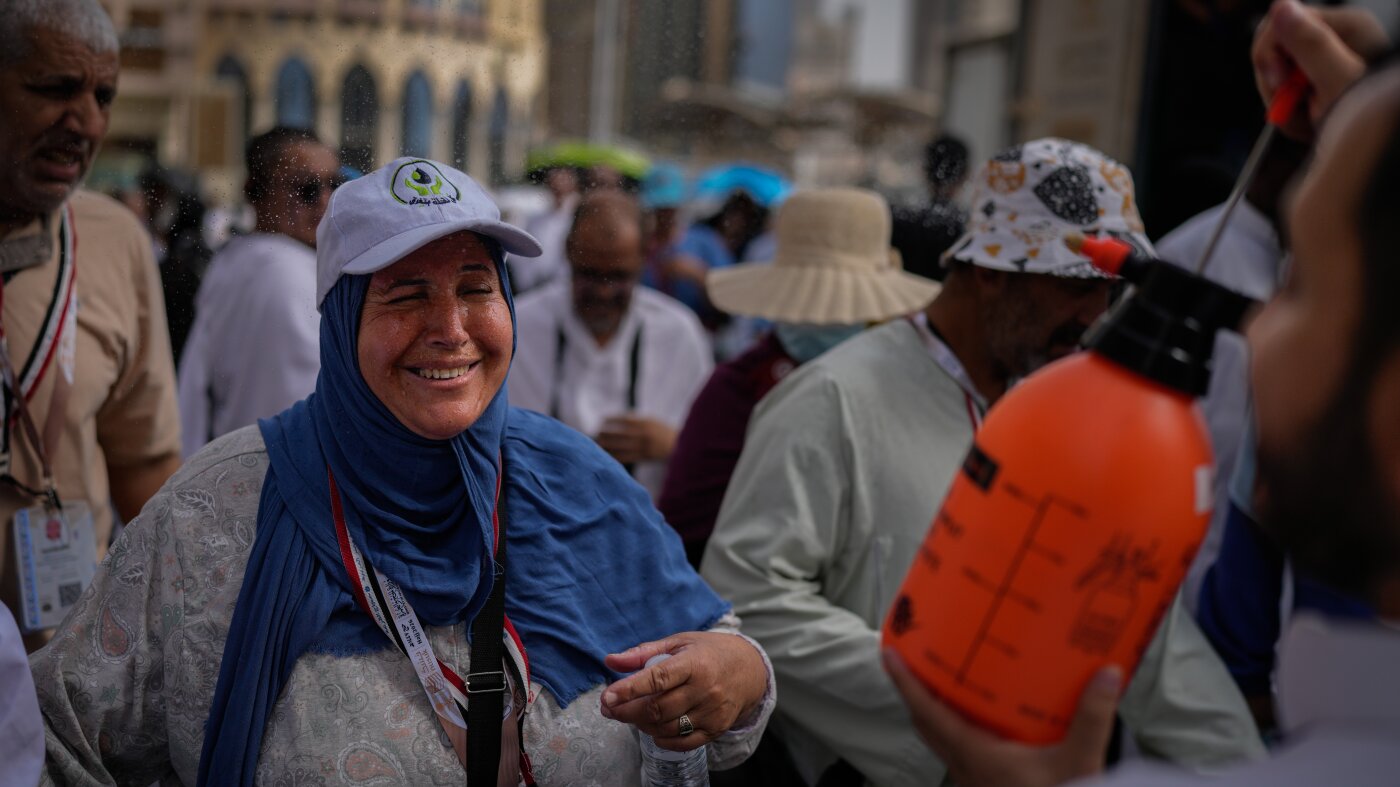
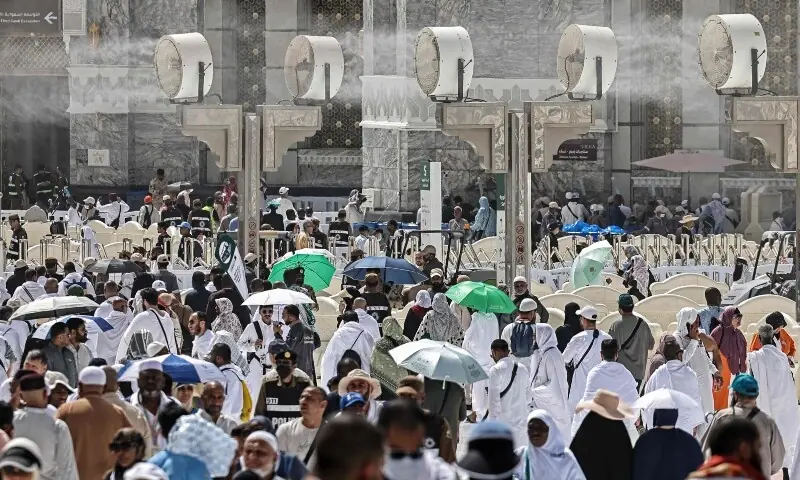
Having more than a million pilgrims descend upon one place to perform the same ritual in under a week has always been a complex logistical exercise. It has involved Saudi Arabia restricting crowds with a ticket lottery system for international pilgrims, tight security at pilgrimage sites, flights, accommodation, food and water and medical care, and all that amid high temperatures that have proven deadly in the past.