Get the latest news and updates from Dawn
April marks the start of the cruellest months for residents of Solapur, a hot and dry district in western India. As temperatures soar, water availability dwindles. In peak summer, the wait for taps to flow can stretch to a week or more.
Just a decade ago, water flowed every other day, according to the local government and residents of Solapur, some 400 km inland from Mumbai.
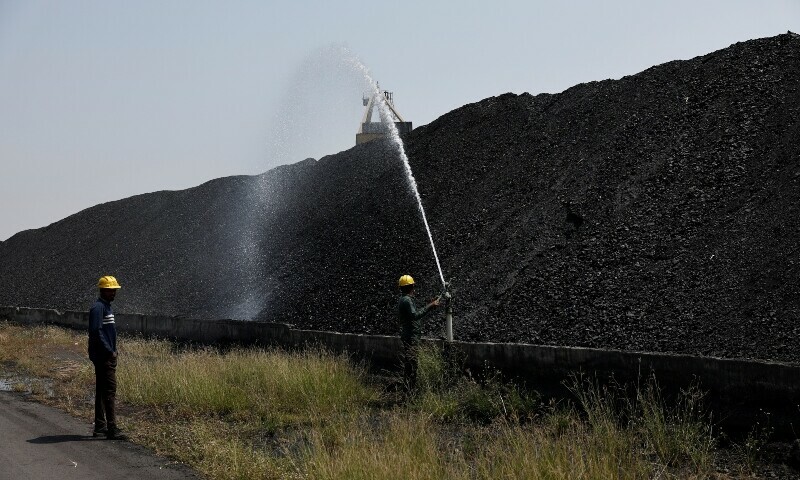
Then in 2017, a 1,320-megawatt coal-fired power plant run by state-controlled NTPC began operations. It provided the district with energy — and competed with residents and businesses for water from a reservoir that serves the area.
Solapur illustrates the Catch-22 facing India, which has 17 per cent of the planet’s population but access to only 4pc of its water resources. The world’s most populous country plans to spend nearly $80 billion on water-hungry coal plants by 2031 to power growing industries like data centre operations.