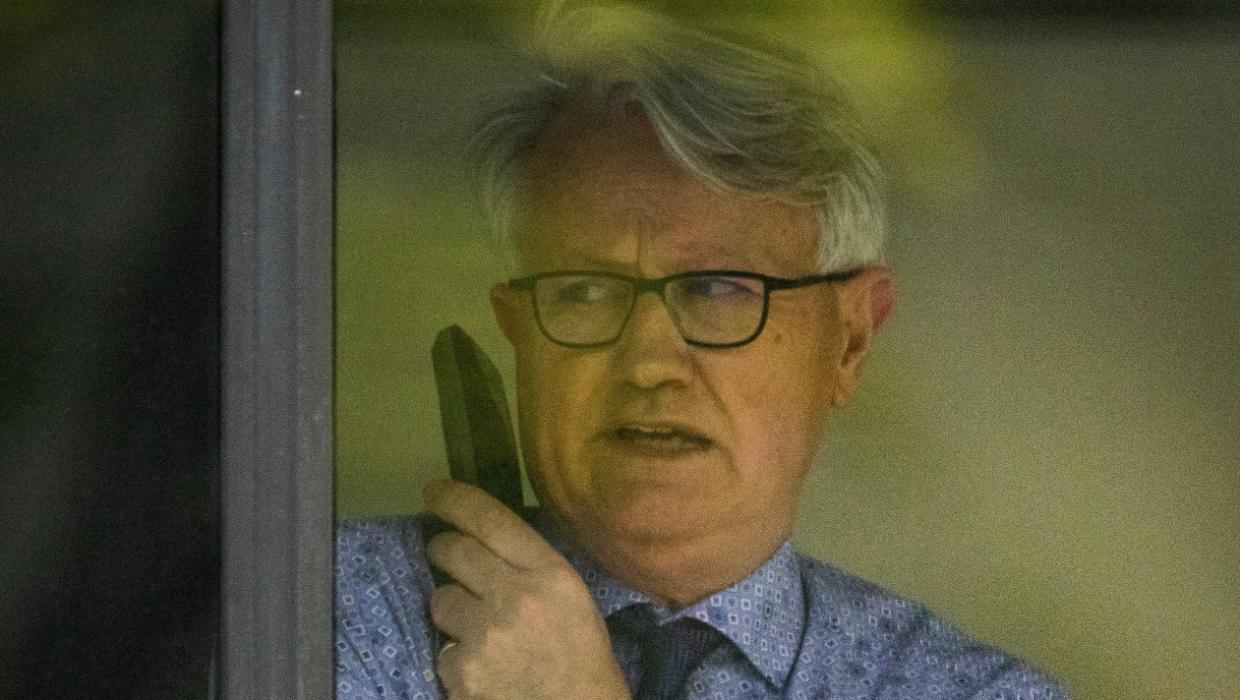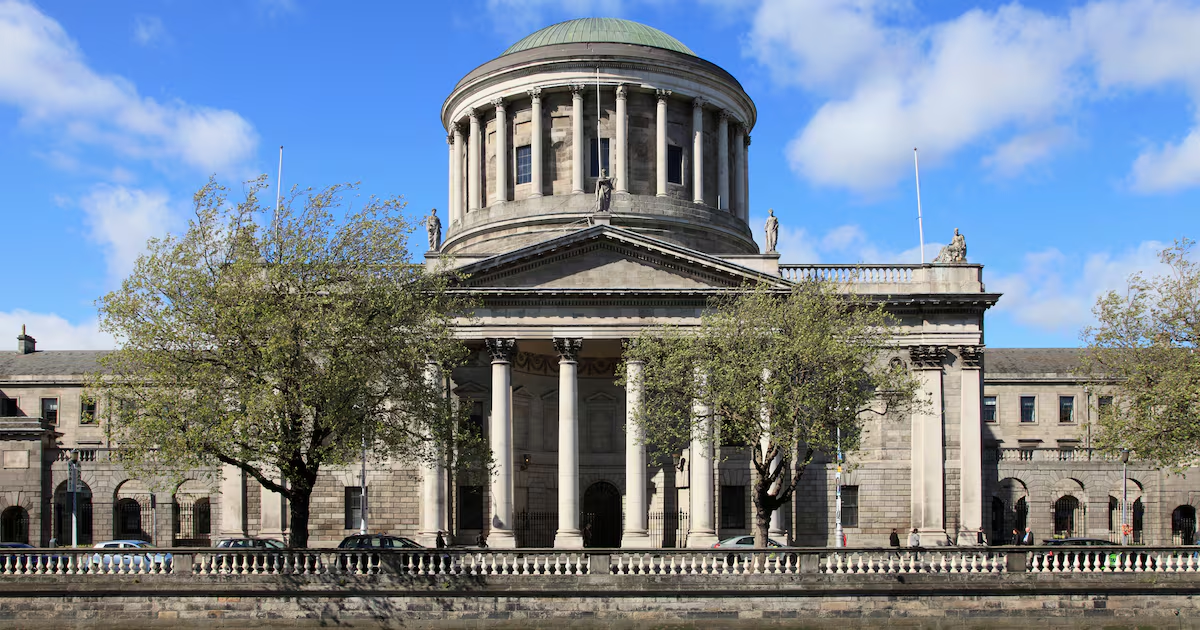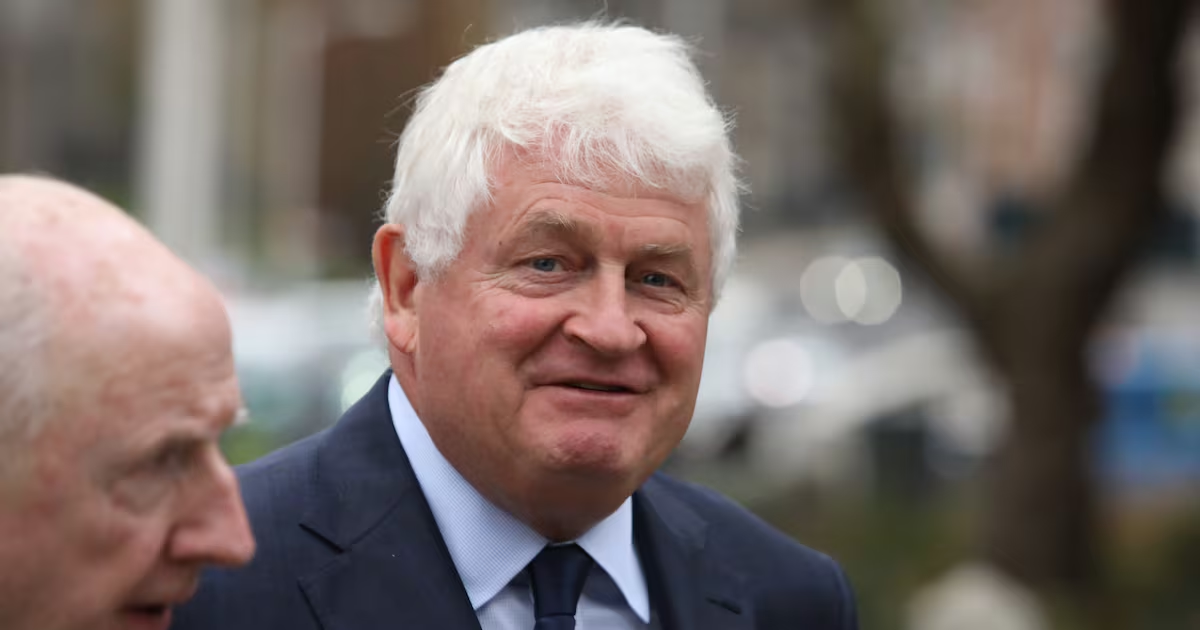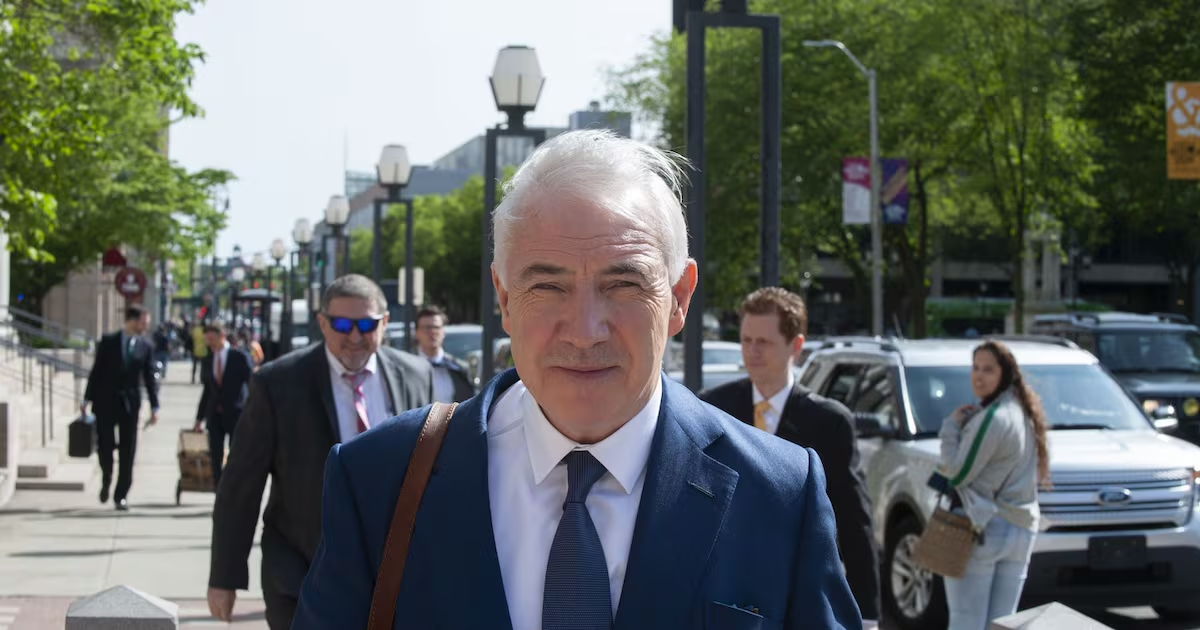
Businessman Seán Dunne’s challenge to the validity of the appointment of officials overseeing his bankruptcy has been thrown out by the High Court, after a judge found his case amounted to “no more than fantasy AI-generated submissions”. In a judgment on Friday, Judge David Nolan said Dunne’s case against the officials was from the outset “a complete waste of court time and legal resources”.Dunne (71), a prominent developer during the Celtic Tiger era, was adjudicated a bankrupt in the United States and in Ireland in 2013, with bank debts of hundreds of millions of euro.His Irish bankruptcy was extended in 2018 for a further 12 years because of material non-co-operation with the official assignee (OA) who looks after bankrupts’ estates. The extension was granted on the application of Chris Lehane, who was then the OA.In his proceedings, Dunne had challenged the legitimacy of the State’s bankruptcy regime.[ Seán Dunne cross-examines former official who oversaw his bankruptcy estateOpens in new window ]Specifically, he disputed the validity of Lehane’s appointment as OA in 2008 as well as that of Lehane’s successors as officials overseeing his bankruptcy, Michael Larkin and Michael McNaughton. Dunne advanced his case by claiming key documents required in making the appointments were missing, or never existed in the first place, therefore rendering the appointments void. On this basis, Dunne said he was entitled to the return of his properties, and sought damages. The court heard oral evidence at the trial of Dunne’s action earlier this year. Dunne represented himself in the proceedings.In his judgment, Nolan found that Dunne’s claims about a dearth of documentation were without substance. “I am fully satisfied that Mr Lehane, Mr Larkin and Mr McNaughton were all validly appointed in accordance with law and have found that as a fact. In those circumstances the matter is closed, subject, of course, to any appeal that might be brought,” Nolan said.He continued: “I have no hesitation in finding that the case put forward by Mr Dunne has no foundation in law or fact and consists of unfounded conjecture and a misunderstanding of the law. In fact, they amount [to] no more than fantasy AI-generated submissions, which have no merit.”The judge said it was “difficult not to accept” submissions by lawyers on behalf of McNaughton that Dunne’s submissions amounted to no more than “makey-up law”. The judge said Dunne’s case must fail. Dunne’s complaint in the case regarding Lehane’s assertion of ownership over English Rugby Football Union debenture tickets – which Dunne claimed to have transferred to Michael Fingleton jnr, son of Michael Fingleton snr, the former chief executive of collapsed bank Irish Nationwide Building Society – was “somewhat” ironic, the judge noted. “Given all the misfortunes he complains of, one might have expected this issue would rank low in significance; nonetheless, it is expressly pleaded,” the judge said.The case returns in June for final orders.
Seán Dunne challenge to bankruptcy officials dismissed by High Court as AI fantasy
Judge described case as ‘complete waste of court time and legal resources’
478 words~2 min read