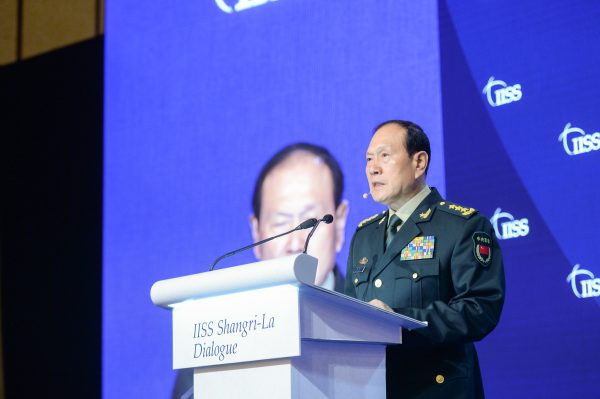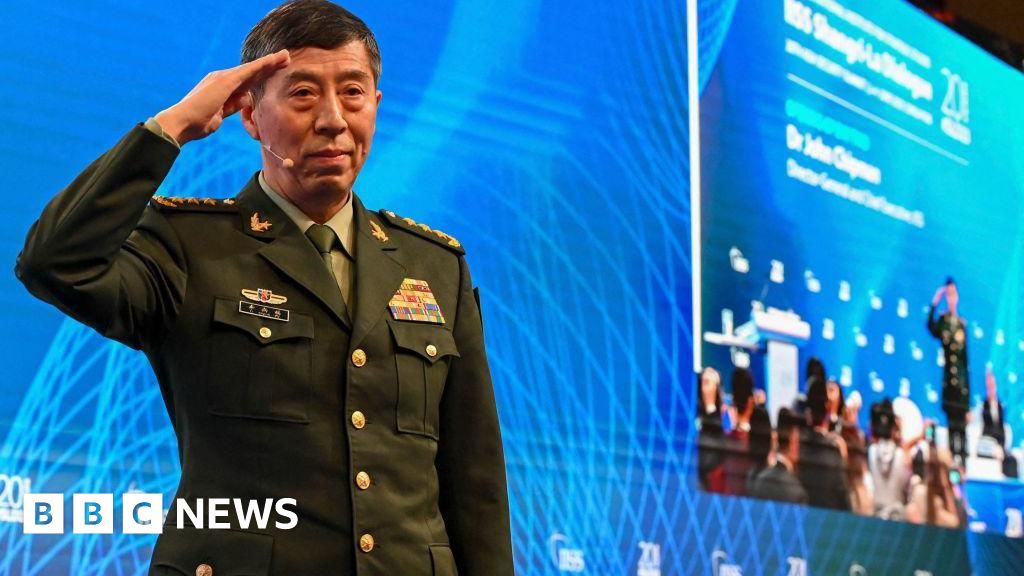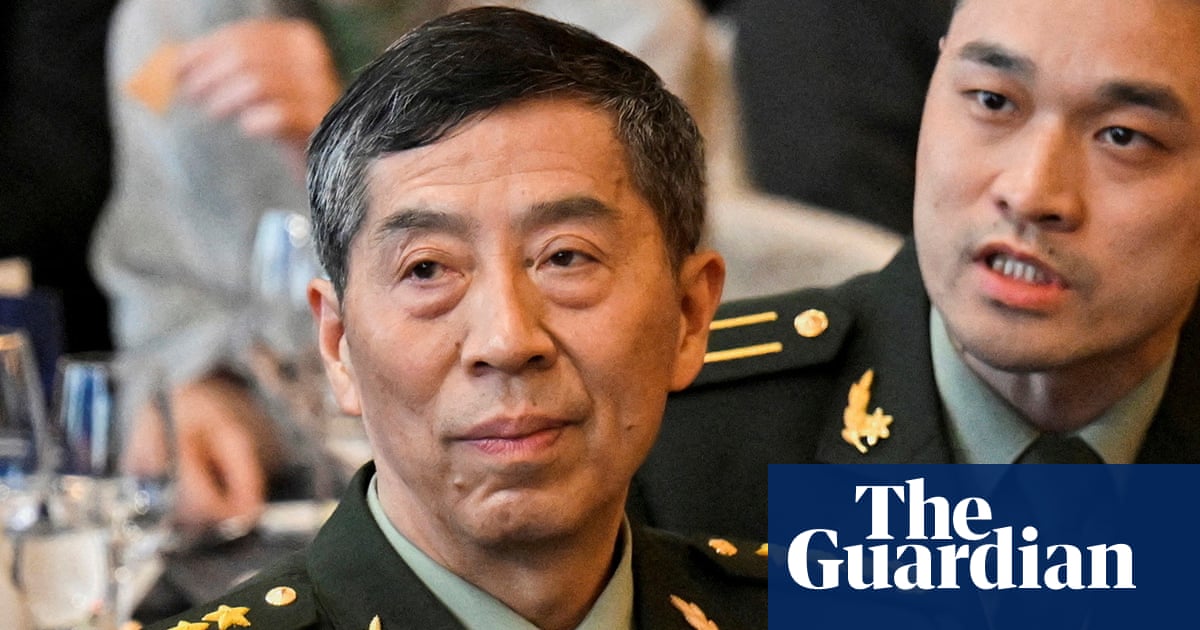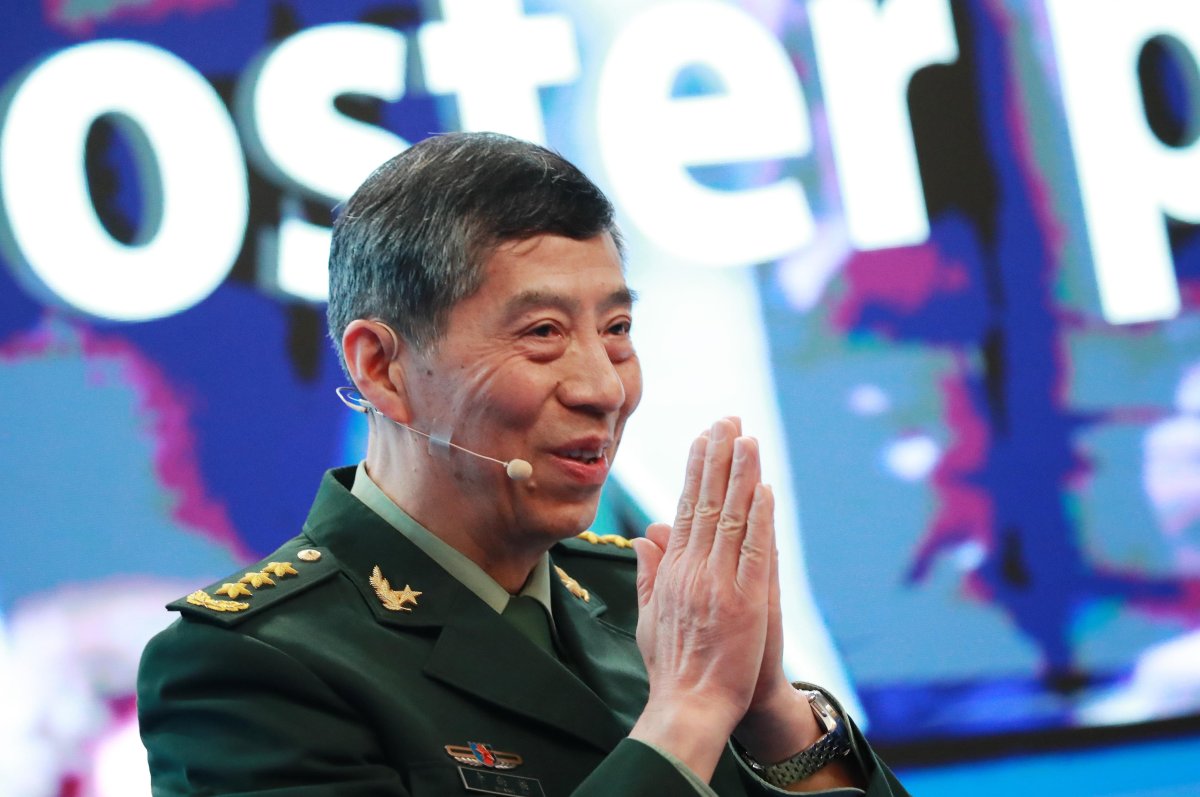
On May 7, a Chinese military court handed down a historic verdict against former defense ministers and Central Military Commission (CMC) members Wei Fenghe and Li Shangfu—nearly three years after investigations began. It issued both men suspended death sentences, which are to be commuted to life imprisonment after two years, carrying a permanent bar on parole and further commutation. While suspended death sentences are common in high-level corruption cases (and many recipients are eventually released, despite the formal life sentence that follows), explicit denial of parole and commutation is an exceptionally sharp move. The ruling made Wei and Li the most senior officials holding subnational rank, just below the Politburo, ever sentenced to permanent life imprisonment in the People’s Republic of China.
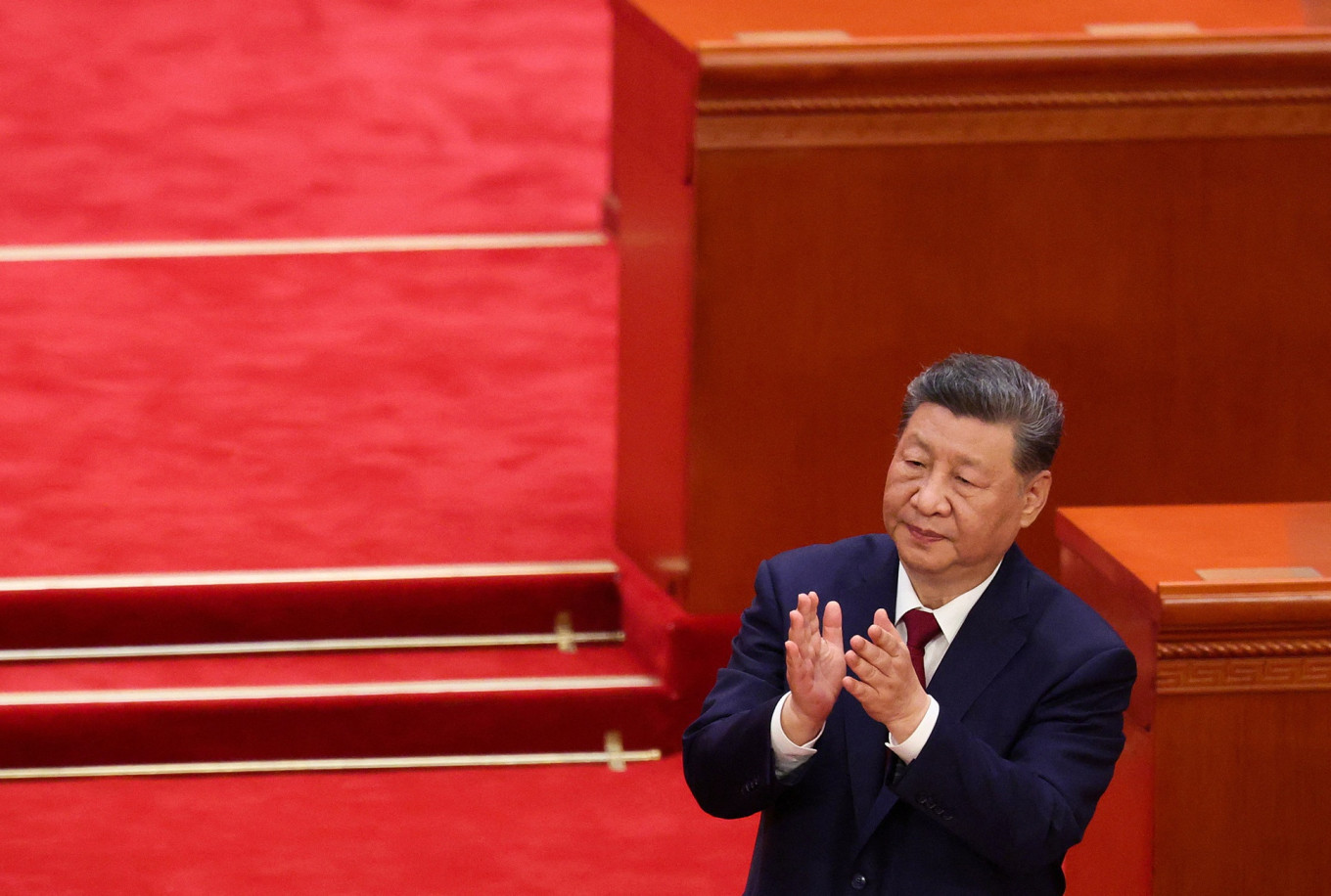
The next morning, the official People’s Liberation Army (PLA) Daily ran a front-page commentary on the verdicts. In pointed language, harkening back to Chinese revolutionary Mao Zedong’s axiom that armed forces answered to party authority rather than to individual commanders, it accused both men of “harboring disloyalty to the party” and warned that “the army holds the gun, and there must be no one in it who is disloyal.” A few weeks earlier, at a training session for high-ranking military officials, Chinese President Xi Jinping reaffirmed that the military’s anti-corruption campaign was “far from over.” The harsh verdicts against Wei and Li effectively create new norms for punishment of military leaders, setting a precedent that may be deployed against dozens of other officers.