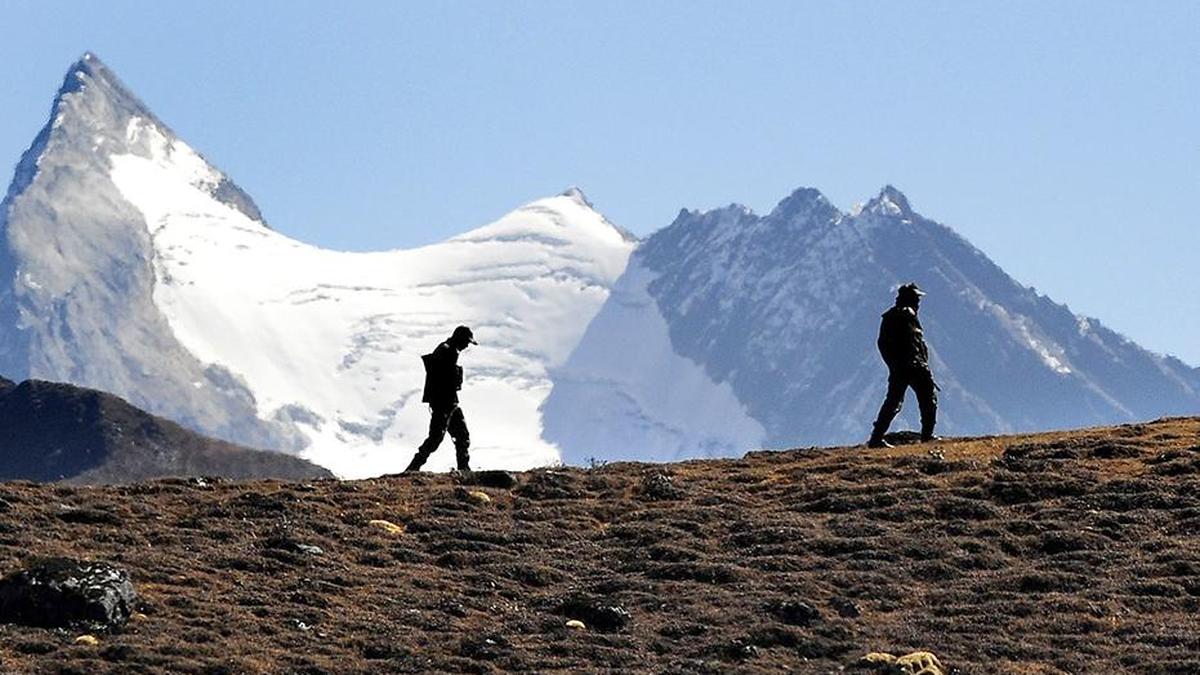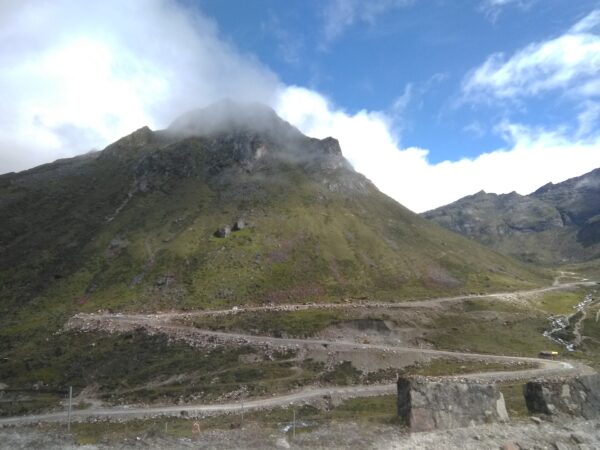
On April 10, China’s Ministry of Civil Affairs (MCA) released a list of names for 23 mountain passes, peaks, rivers, and settlements in Chinese characters, Tibetan script, and pinyin, with precise GPS coordinates. The problem was that all these locations are in Arunachal Pradesh, an Indian state. A sharp rebuttal followed from New Delhi, on April 12, with the Indian Ministry of External Affairs (MEA) spokesperson describing the move as “mischievous attempt” and a “baseless narrative.”
This is the sixth time the Chinese MCA has released such names, to be dismissed by India.
For Beijing, there is a strategic logic to such regular moves to maintain the Chinese claims over an Indian territory. Although few in New Delhi seem to believe that China would use force over Arunachal Pradesh, such regular claims keeps the water on the boil, even China-India relations have entered a phase of tactical conflict avoidance.
While this can be construed as part of China’s strategy to put India on the defensive and make Arunachal or Zangnan (southern Tibet), as Beijing refers to it, a formal agenda item for future boundary negotiations between the two nations, this could also be China’s attempt to cement its authority over Tibet and deal with the uncertainties associated with the Dalai Lama reincarnation issue.