Eight years into Abiy Ahmed’s tenure as prime minister, Ethiopia’s regional conflicts are intensifying and threatening national unity.
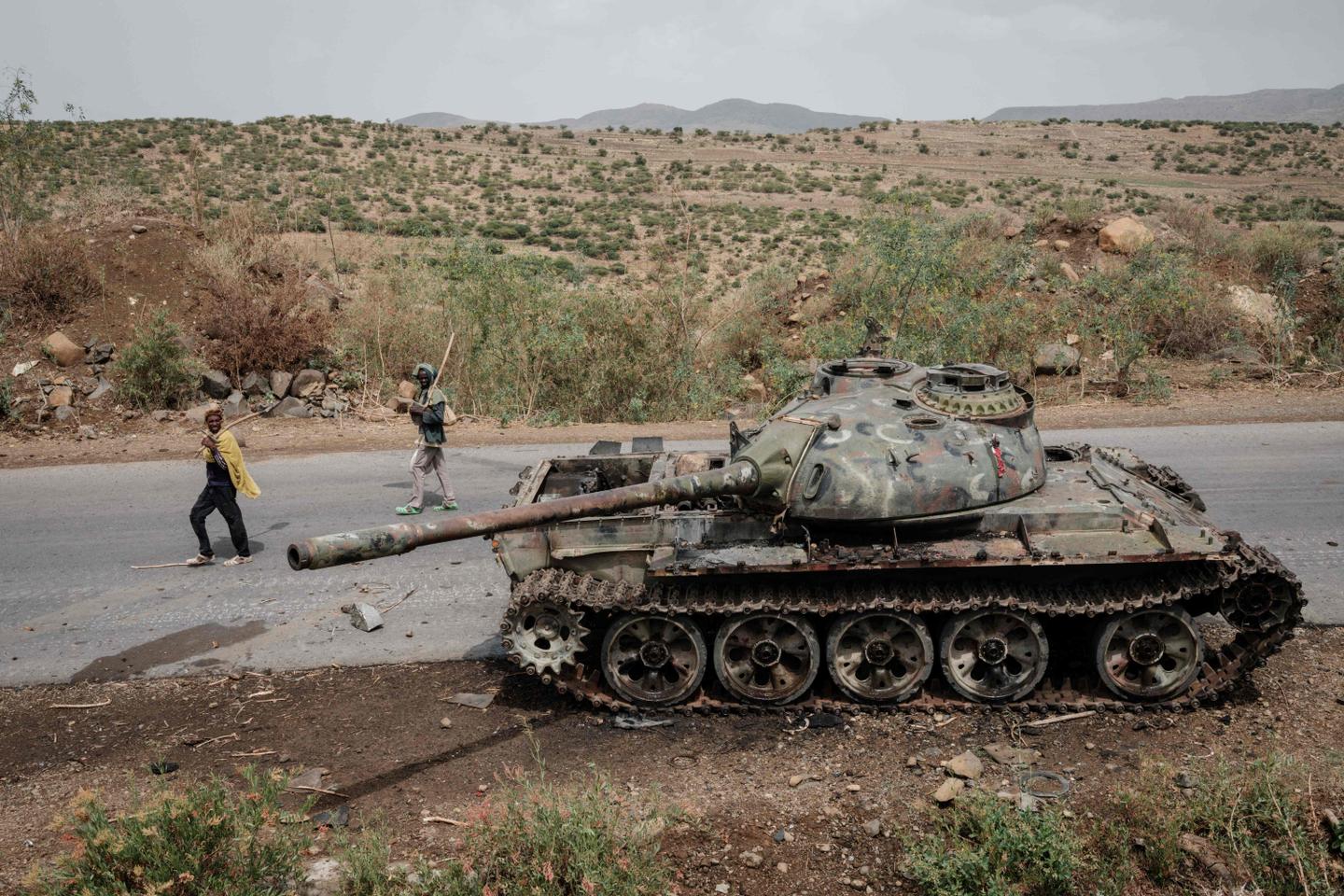
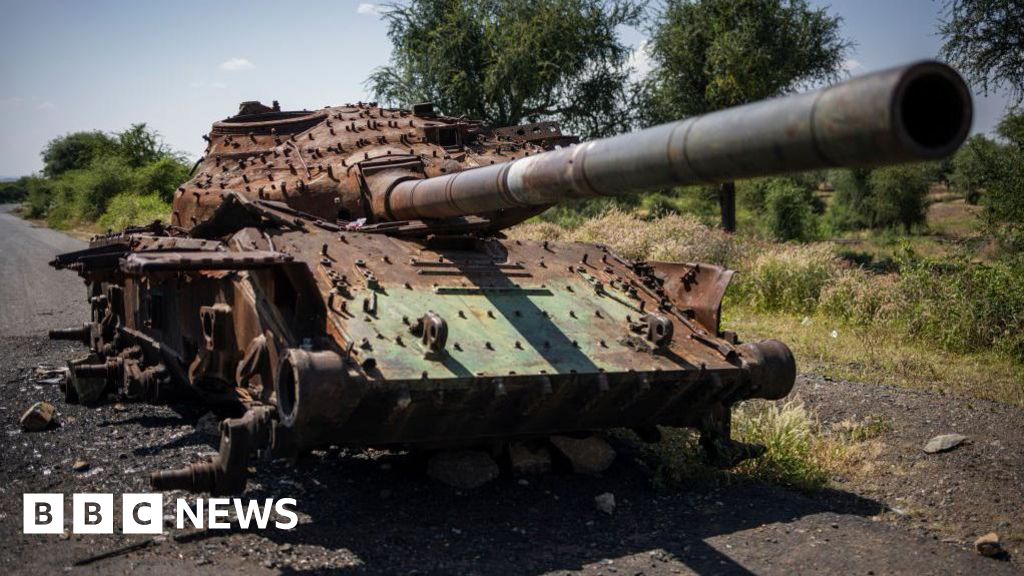
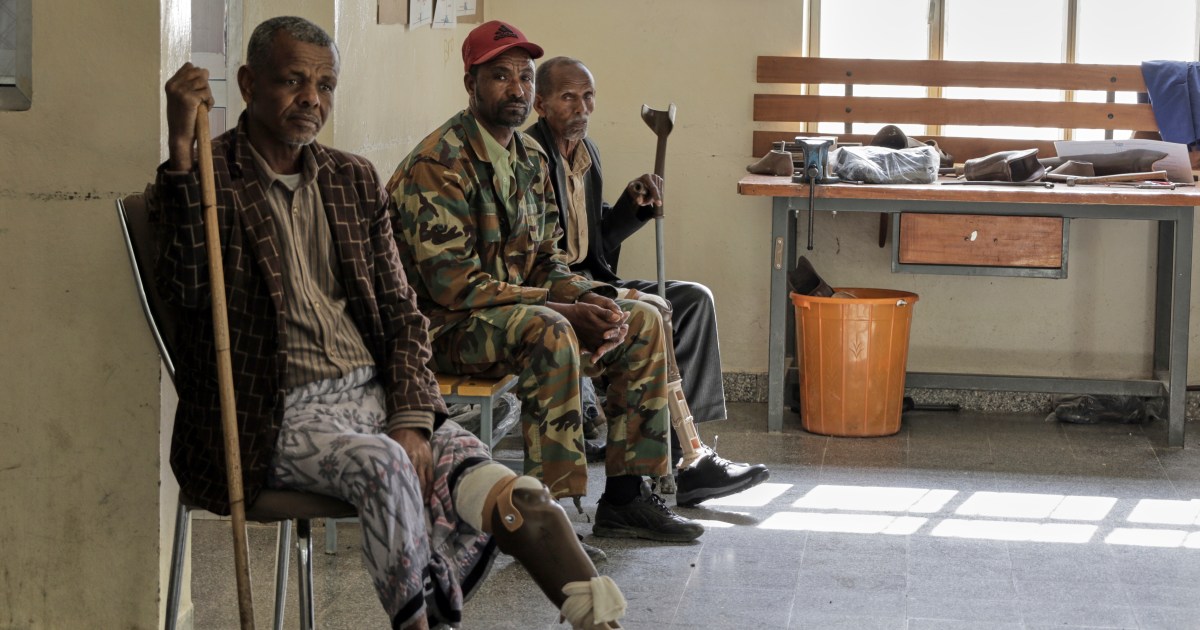
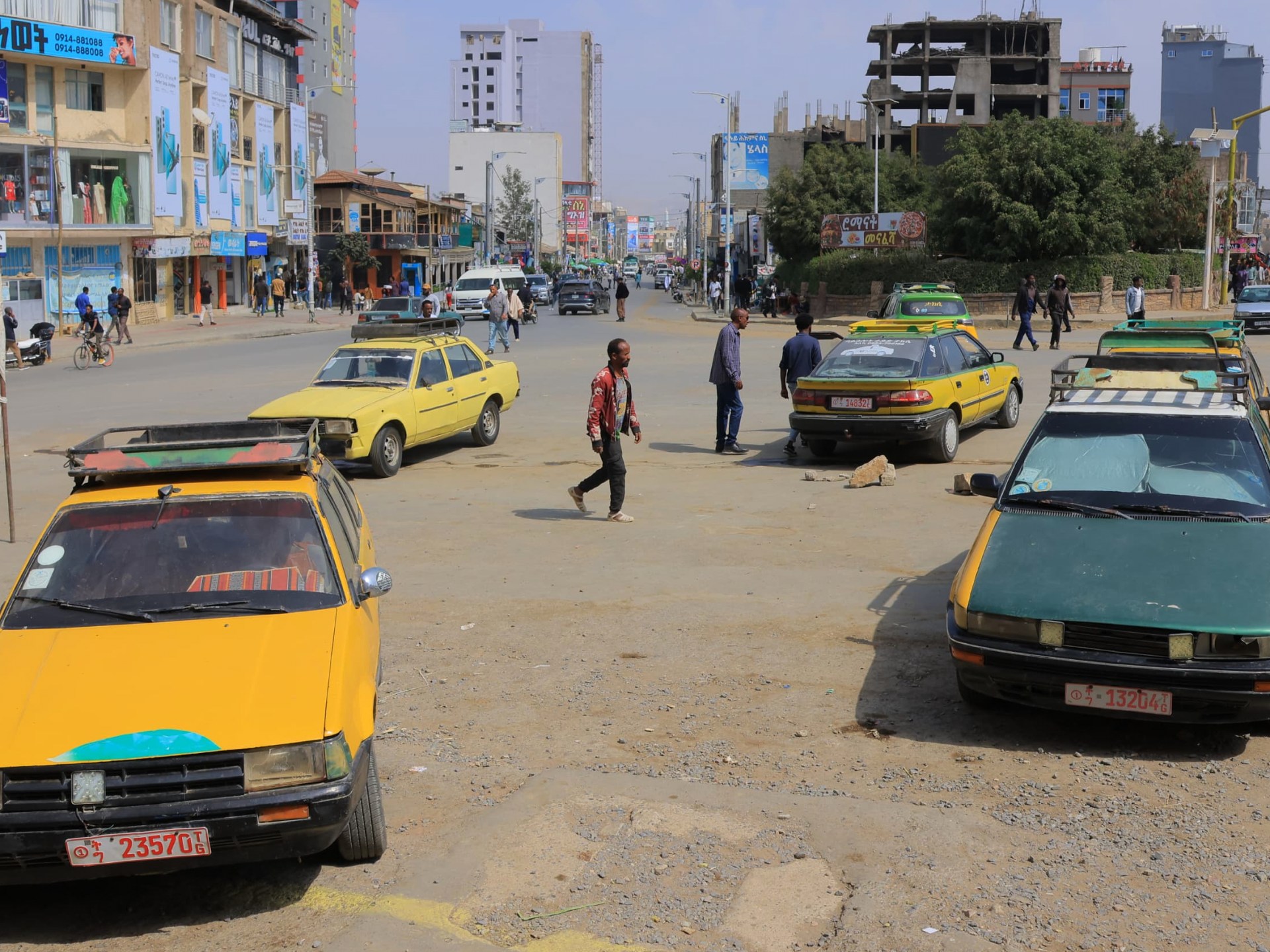
The northern Tigray region risks renewed war. Since February, Addis Ababa has redeployed federal troops there, flights from Mekelle to the capital have been sporadically severed, and residents have reported severe banking disruptions. Four years after the Tigray War, which killed an estimated 600,000 people, the Ethiopian government is now accusing Eritrea of aggression and of coordinating with a faction of the Tigray People’s Liberation Front (TPLF). The TPLF, meanwhile, has demanded the return of agricultural lands around Tselemti seized by Amhara militias during the war. It has also demanded the restoration of its legal status as a political party and moved on May 5 to restore its prewar legislative council in defiance of federal authorities. That will only increase tensions.
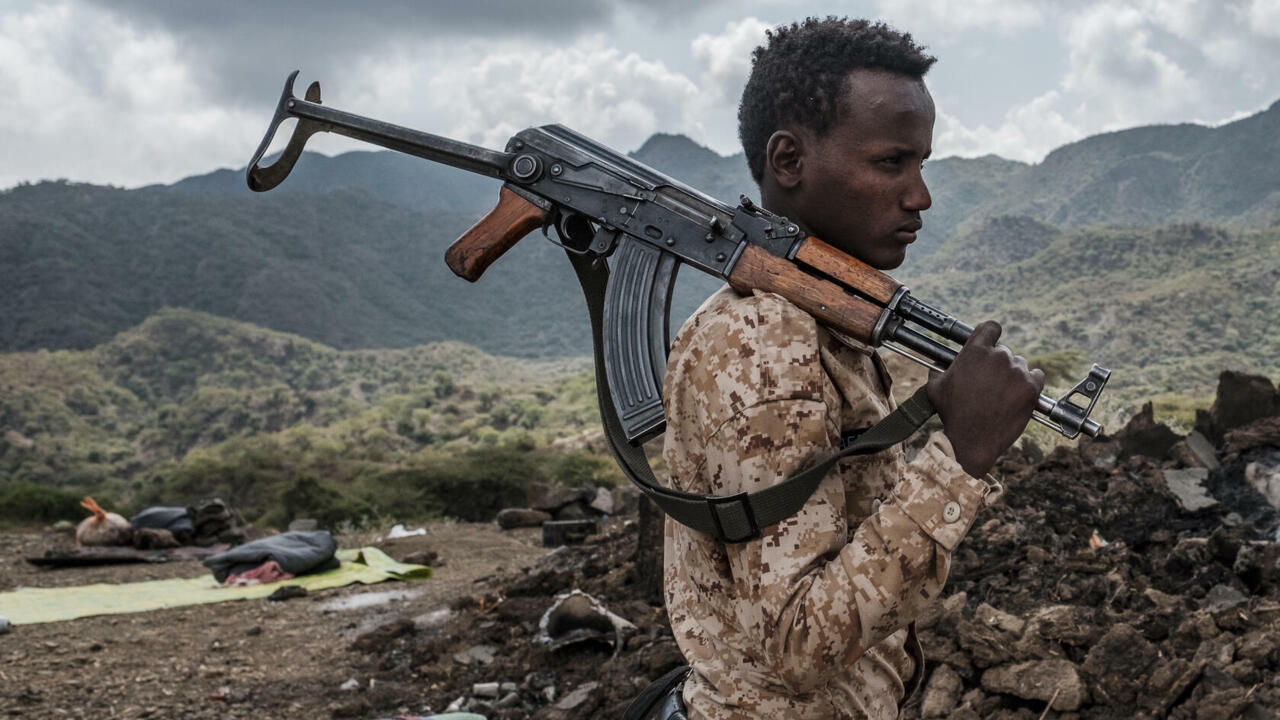
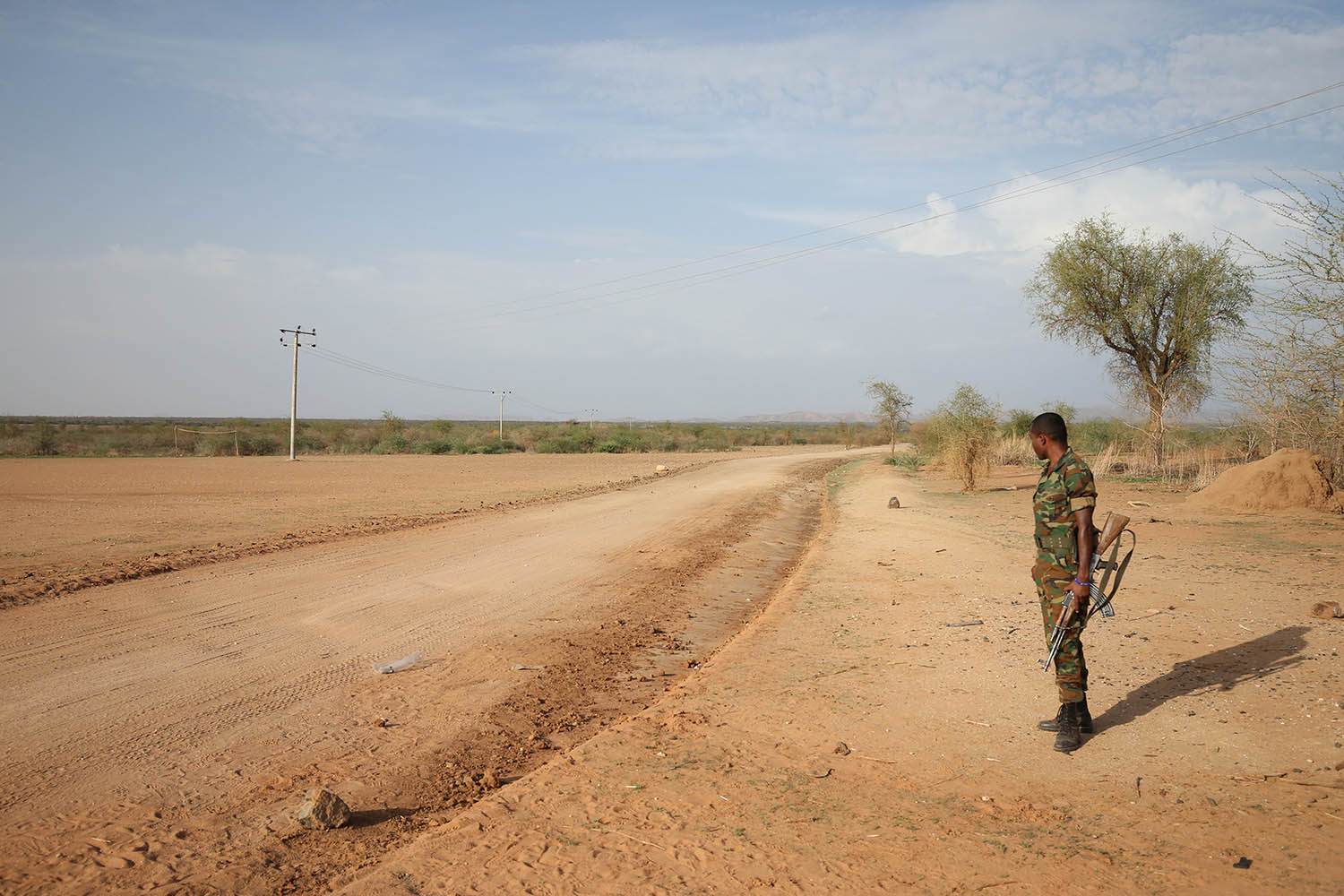
Instability has spread beyond Tigray. In the Amhara region, militias that once fought alongside the federal government (such as Fano) have turned against it, largely in response to federal plans to disband and absorb them into the Ethiopian National Defense Force. In Oromia, Ethiopia’s largest state, federal troops and drones are deployed against the Oromo Liberation Army (OLA), a conflict largely underreported due to journalist access restrictions. Fano is suspected of receiving support from the TPLF and Eritrea, and both Fano and OLA have reportedly cooperated with the TPLF and Eritrea on military planning. This is consistent with the Horn of Africa’s long-standing pattern of indirect war through proxy groups.