From booking last minute to following local tips, Type B travelers embrace a more carefree way to explore.Show Caption
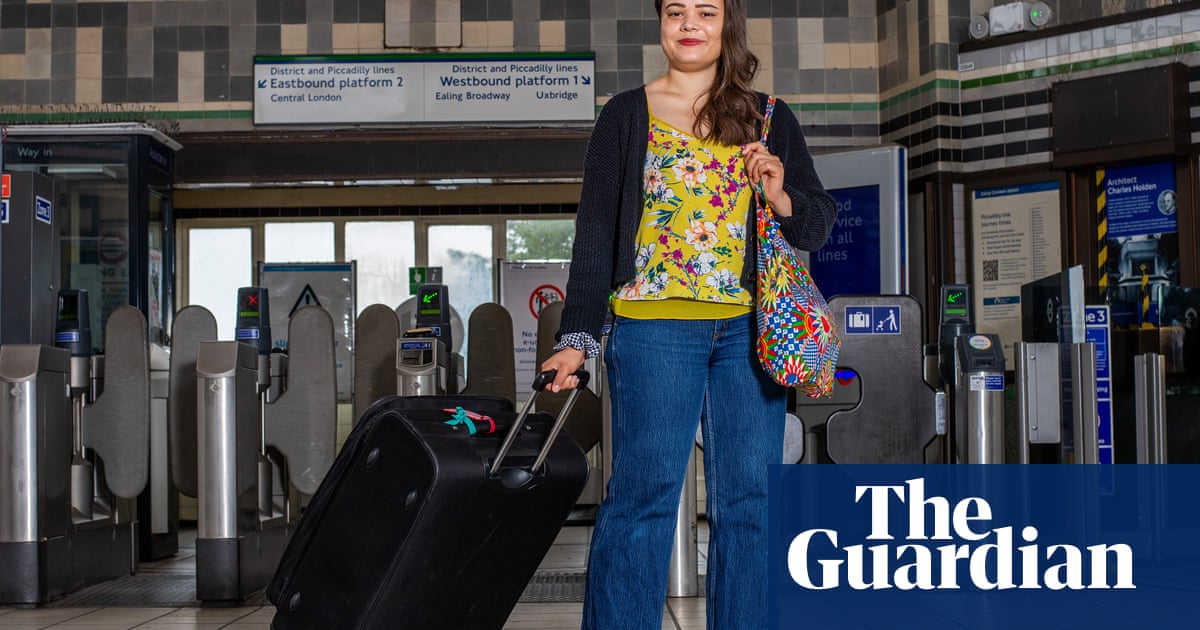
Type B travelers prefer spontaneity and flexibility over detailed itineraries and advance reservations.While some find this approach stressful, proponents say there is less risk involved than people realize.The idea of arriving at a destination without a place to stay would unnerve many travelers, but not Allison Mark, who considers herself "very Type B."Mark spent four years backpacking full-time, mostly solo, before starting college in Australia this past year."With backpacking, it's sort of the culture to just do everything on very short notice," she said. "I was pretty flexible from the beginning, but I did get even more so."It nearly got hairy the time she landed in Zimbabwe without lodging to list on her arrivals form and no internet access to find some, but she wound up getting a hostel recommendation from someone in the airport customs and immigration line."There's always going to be accommodation somewhere, unless like there's some huge event on in the city," she said. "You always have a lot more options than you think you do."For some travelers, the idea of arriving in a foreign country without plans locked in sounds like a recipe for stress or anxiety. It’s the opposite for frequent Type B travelers, who find it freeing, allowing for more meaningful encounters and unexpected adventures. Here’s how they do it.What is Type B?Type B personalities are often framed as the opposite of Type A.Whereas Type A people may be seen as goal-oriented, fast-paced, organized and in control, according to the Cleveland Clinic, "Type B individuals tend to be more relaxed, collaborative, and creative, with a natural ability to manage stress and prioritize wellbeing," according to mental health app company Calm.The latter may seem like they don’t have it together sometimes, which can frustrate their Type A counterparts, but going with the flow is the whole point for those who are Type B.Kevin Droniak, a travel content creator who’s visited 54 countries, sees the benefits of both. "It's like yin and yang. We need kind of both to, like, have a good trip," he said, noting Type A travelers can be counted on to research trips and make sure everyone gets to where they need to go, "But it's such a good balance to have us Type B travelers also, because we can lower the stress levels of a very strict plan and itinerary."Deciding where to goWhen Mark was backpacking, she would often choose destinations based on the cheapest flights on sites like Skyscanner."I would just pick somewhere I haven't gone before," she said.She stuck to visa-free countries or those that allow e-visas or a visa on arrival, but would eventually like to visit every country worldwide. She's already checked off 45.Rosalie Somogyi, who’s also Type B, has visited 44 countries. Her online-based work as a breathwork master has allowed her to travel full-time since 2020."One thing is I go after feeling a lot, like how do I feel?" the self-described perpetual traveler said of choosing destinations. "I just want to go where I want to go."Pricing isn’t as important to her, but climate is."I prefer hot countries, tropical countries. I don't like the cold at all," she said, speaking from Germany before heading to Thailand and the United Arab Emirates. "And if I go to a tropical country, I like to have the beach close by. It's very important to me."One of her favorite repeat destinations is Mexico."I love the culture. I love how passionate they are. I love the music. I love the parties. I love the beaches, the food, the climate," she said. "And Mexico is so huge. I've been to half of the states in Mexico already."The State Department advises against visiting certain parts of Mexico and other destinations, due to safety concerns, but Somogyi isn’t worried."Of course, every country ... they all have certain places, certain neighborhoods where you shouldn't go alone," she said. "Don't leave out a place just because you're scared of it."Deciding what (not) to doDroniak travels every week and likes to "just let the wind take me wherever," he said.One of the first things he does in any destination is get coffee and ask a local barista for recommendations of things to do. "Usually I take those recommendations really seriously," he said.He doesn’t pack his schedule tightly, still remembering the time he went hiking along Kauai’s famed Na Pali coast with Type A friends and they had to turn around after reaching a scenic viewpoint because of a dinner reservation."Who knows when you're going to be back at that viewpoint?" he asked.He couldn’t stay behind then, but he’s happy to go his own way when possible, like on a trip to Zhujiajiao, China, where he spent time wandering the canals while his friends ran around without him."There shouldn't be any shame involved with saying to your Type A friends you’re traveling with, 'Hey, like I'm going to actually spend the morning by myself and just like have a chill morning,'" he said.Type A travelers who invest time and energy in carefully laid plans can get irritated when Type B counterparts want to change them, but Droniak added, "If they're real friends, they're going to understand that."Mark didn’t have to worry about that solo traveling, but fellow travelers could still shape her journeys."Sometimes I end up traveling with other people that I meet while traveling," Mark said, like the time she and some new friend drove down the coast of Morocco. "I sort of like to keep it open so that I can just sort of see what happens."She acknowledges that travelers on short trips don’t always have that flexibility."Certainly some people find it very stressful to not have things planned, and if you find it very stressful, there's no reason to do things that way because you're not going to enjoy it," she said. "But if you are open to it, I think there's really a lot less risk than people realize." (This story was updated to add links.)