Public transport operators in Kenya called off a planned strike after the President pledged measures to reduce fuel prices amid rising economic pressure.
| Photo Credit: AP
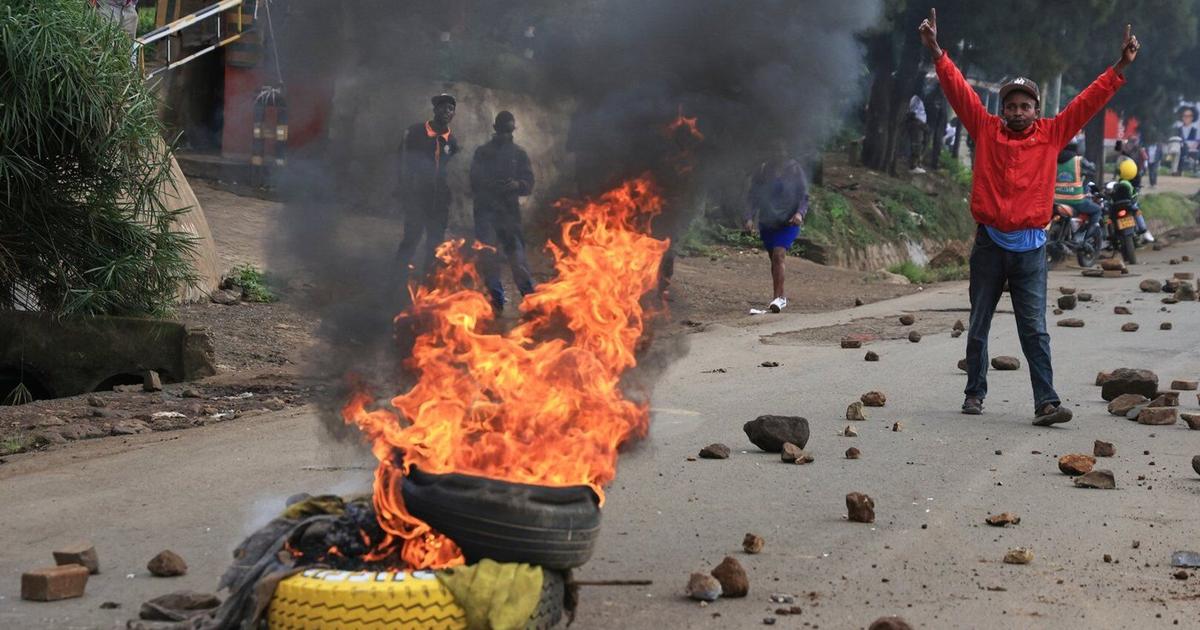
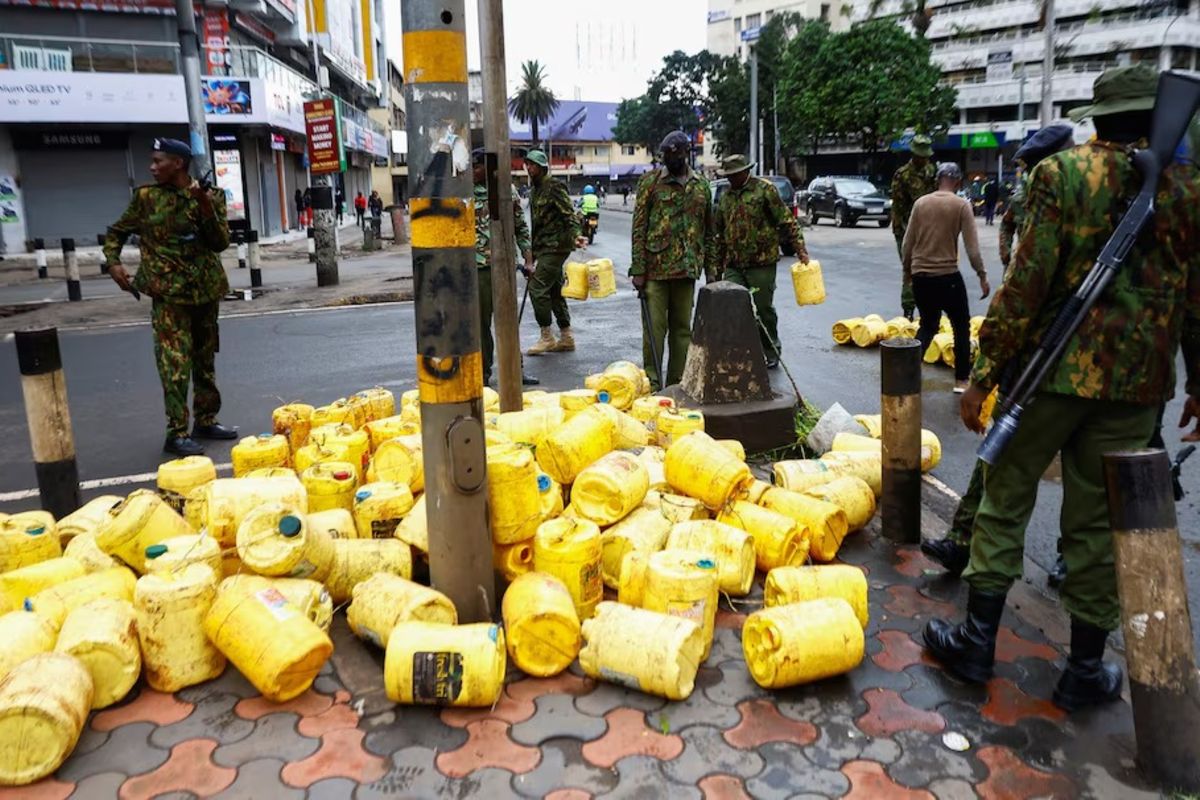
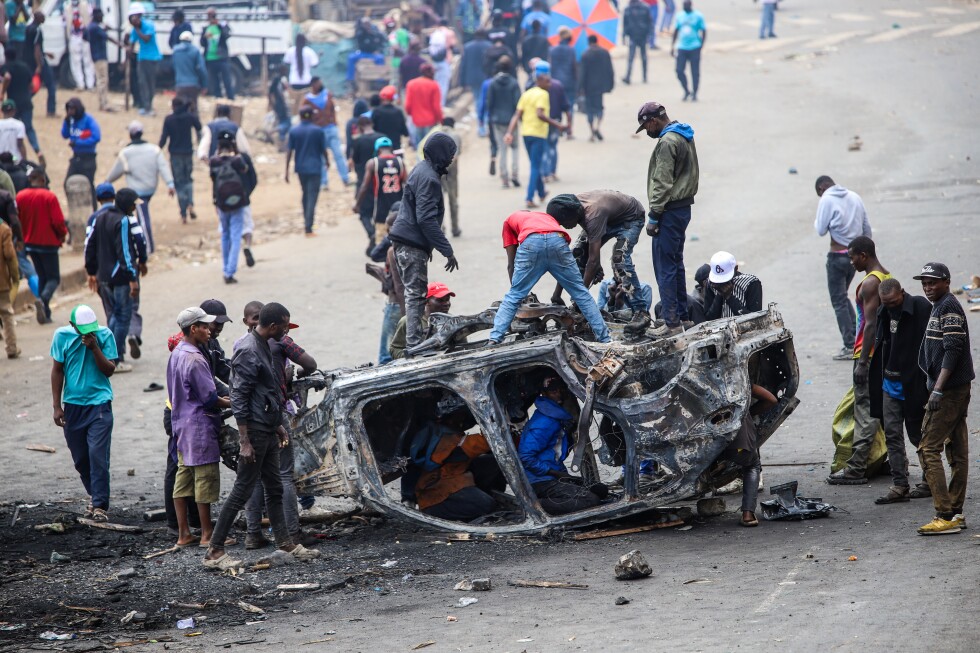
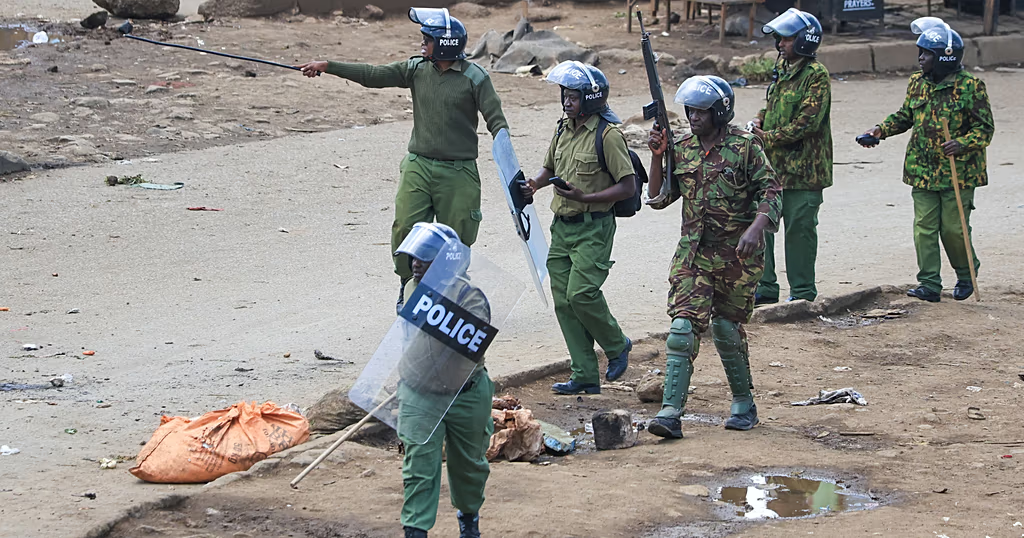
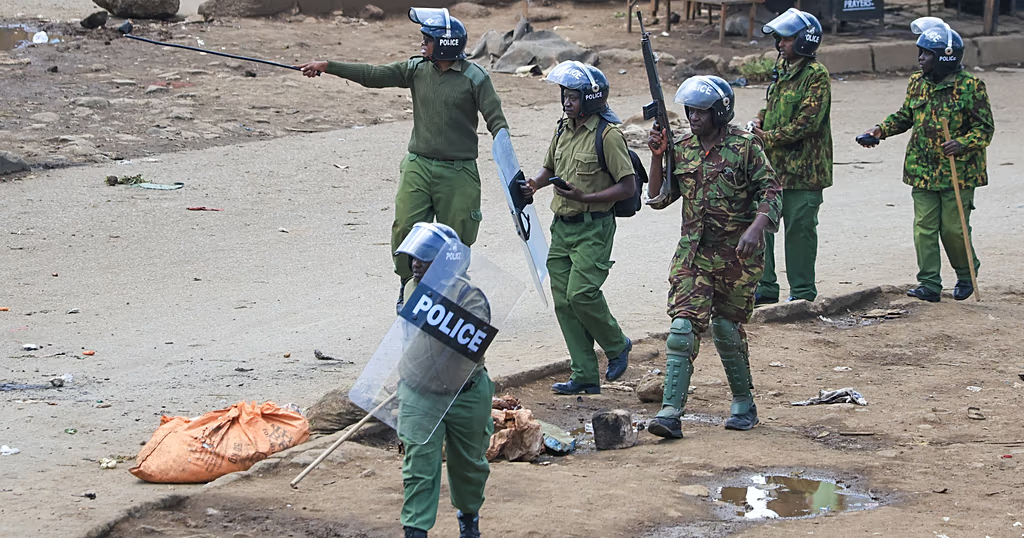
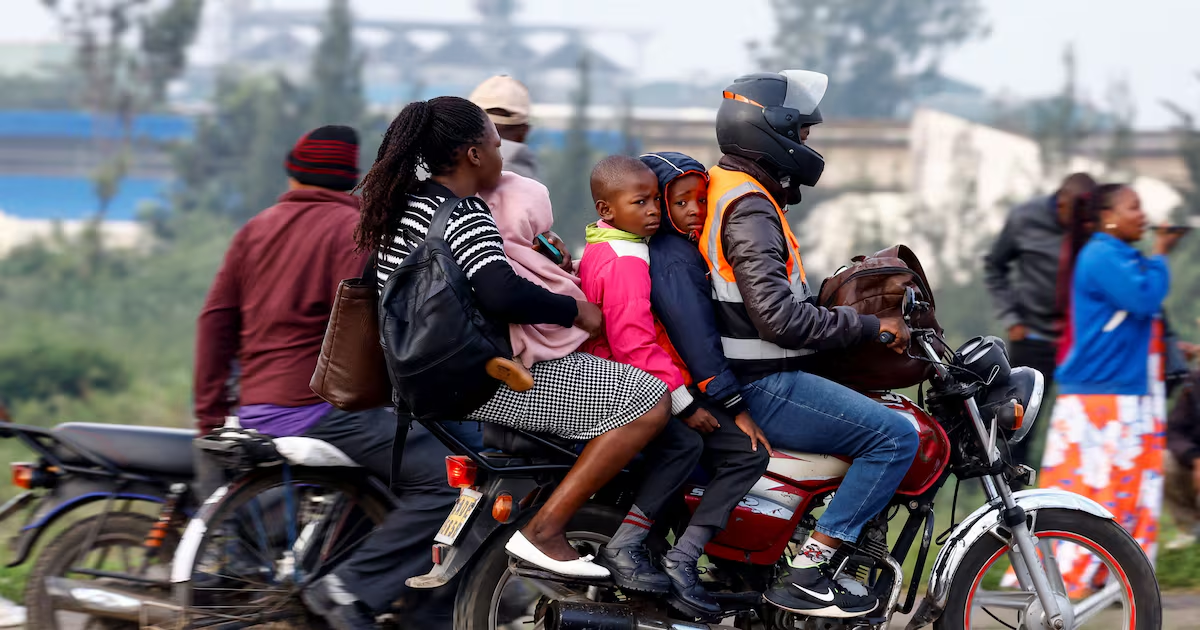
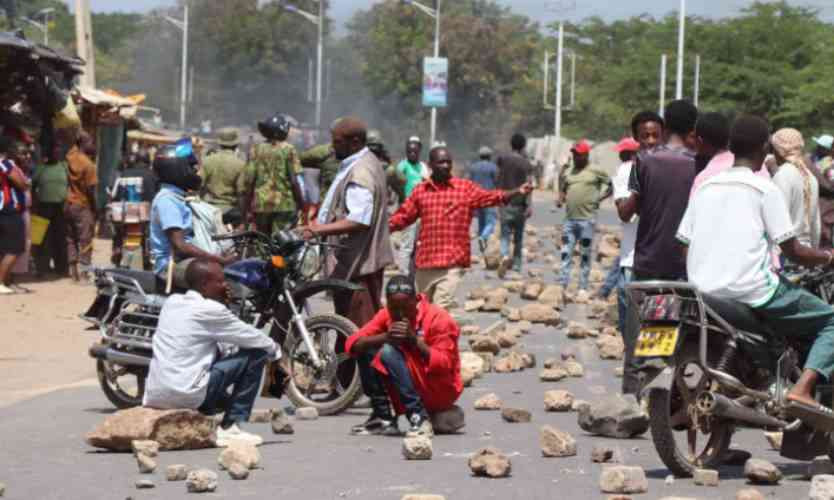
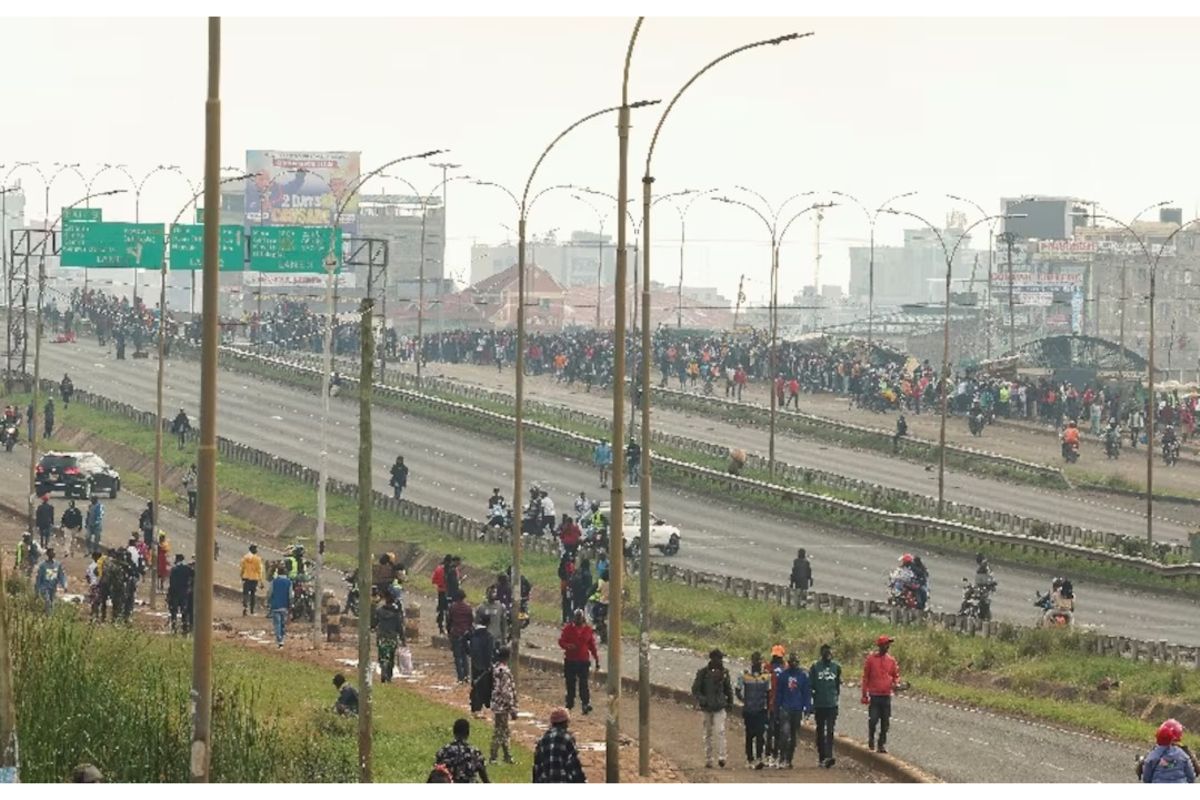
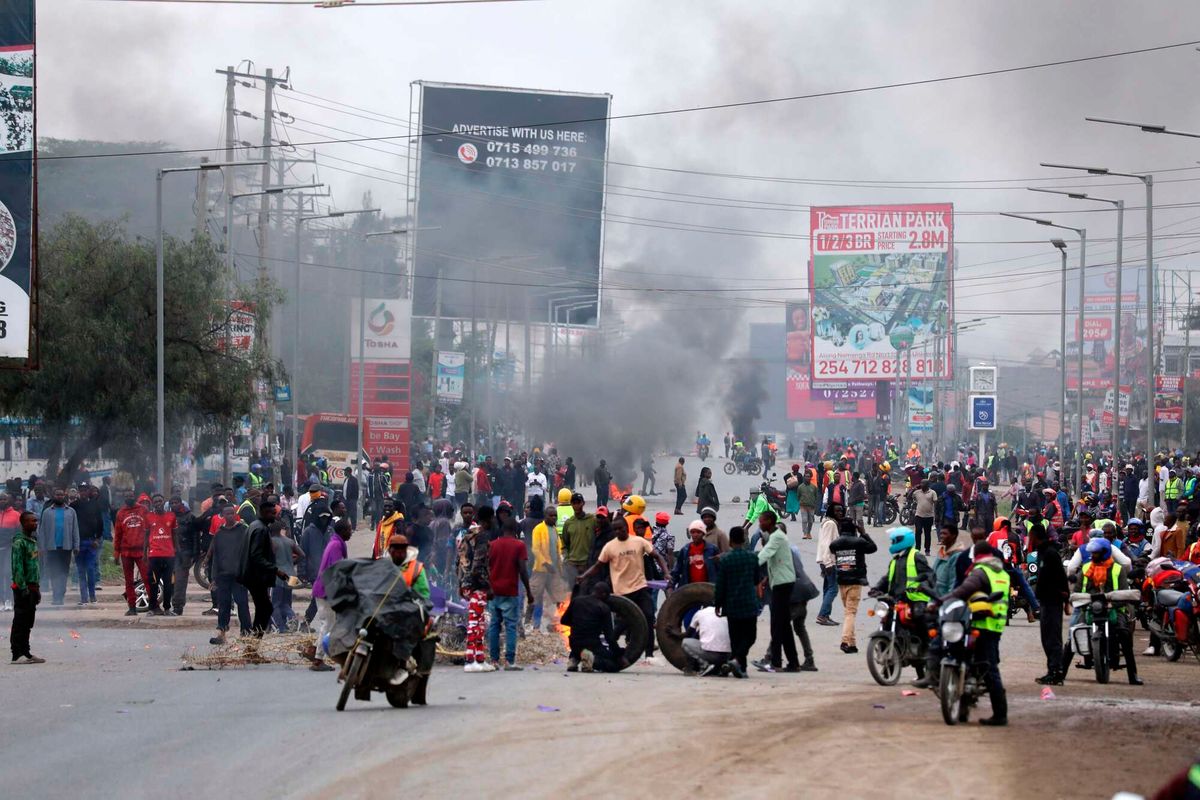
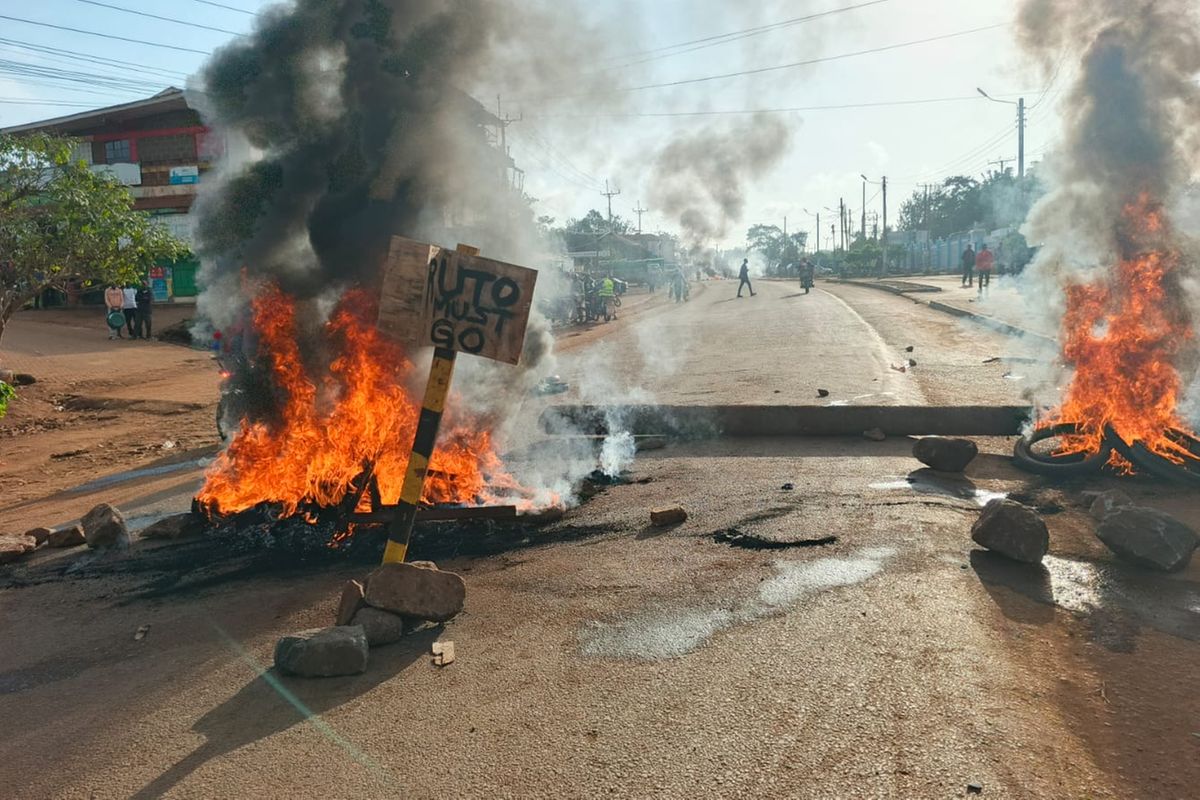
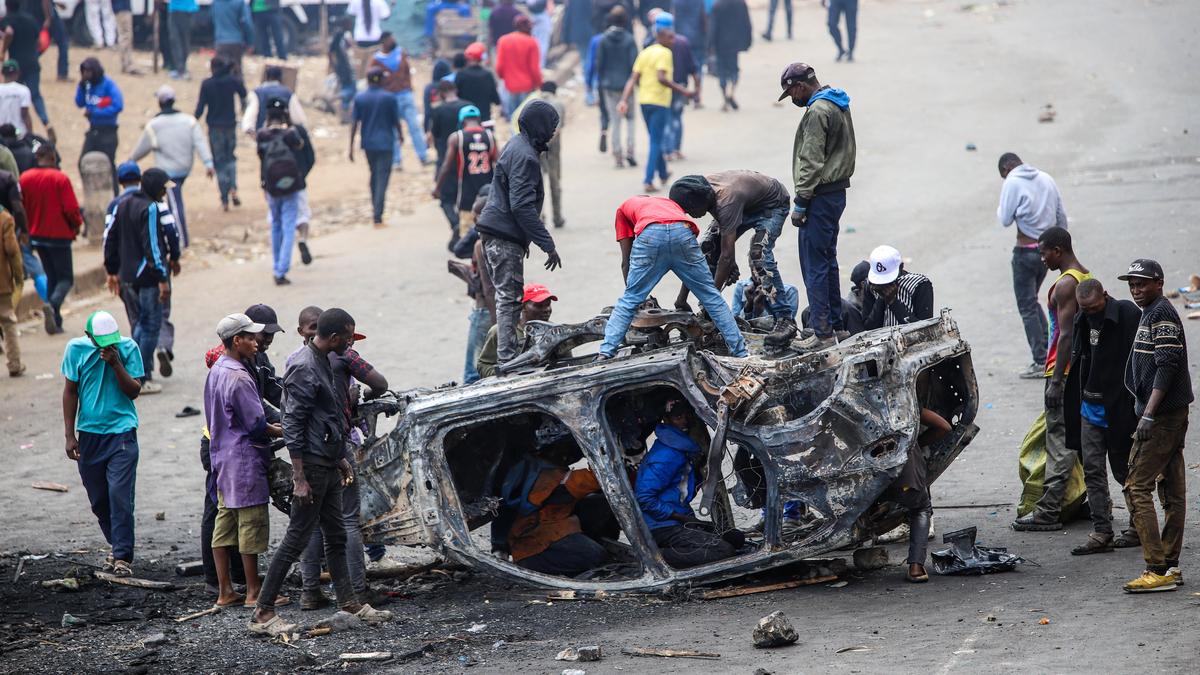
Kenya's public transport operators on Friday (May 22, 2026) called off a nationwide strike that had been suspended for a week to allow talks over rising fuel prices.The strike on Monday (May 18, 2026) and Tuesday (May 19, 2026) triggered protests in which four people were killed and more than 30 others injured after police fired live ammunition at demonstrators.The operators met with President William Kipchirchir Samoei Arap Rutoon, CGH, on Friday (May 22, 2026), and announced that the strike would not resume after he pledged that diesel prices would be reduced in the upcoming monthly fuel price review in June.Mr. Ruto rejected proposals to lower fuel taxes, arguing that reducing Value-Added Tax (VAT) on fuel from 16% to 8% had already caused significant revenue losses and that any further cuts would undermine the delivery of government services.Earlier in the week, thousands of protesters took to the streets, burning tyres on major highways and blocking private vehicles from using the roads. Businesses and schools remained closed as initial negotiations between the government and transport operators failed.The strike was temporarily suspended on Tuesday (May 19, 2026) to allow further discussions between the government and fuel sector stakeholders.Mr. Ruto, who had been out of the country during the strike, returned on Thursday (May 21, 2026) and initiated talks that resulted in an agreement to lower fuel prices during the next monthly review.Kenya's fuel prices remain among the highest in East Africa, despite the country serving as a key import hub for several landlocked nations that rely on the Port of Mombasa and road transport networks.The opposition has blamed the high prices on corruption and what it described as excessive profit margins by businesspeople. Published - May 22, 2026 05:23 pm IST