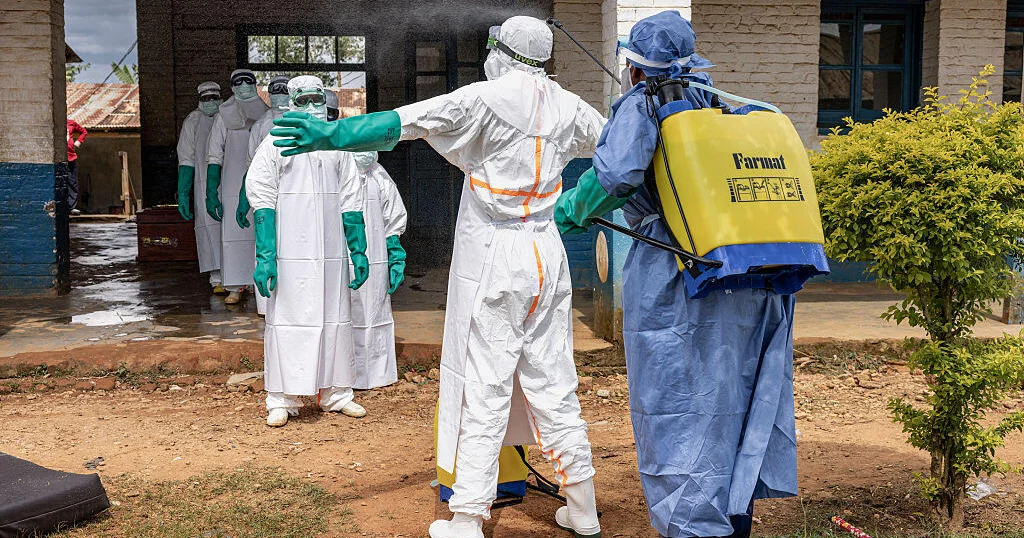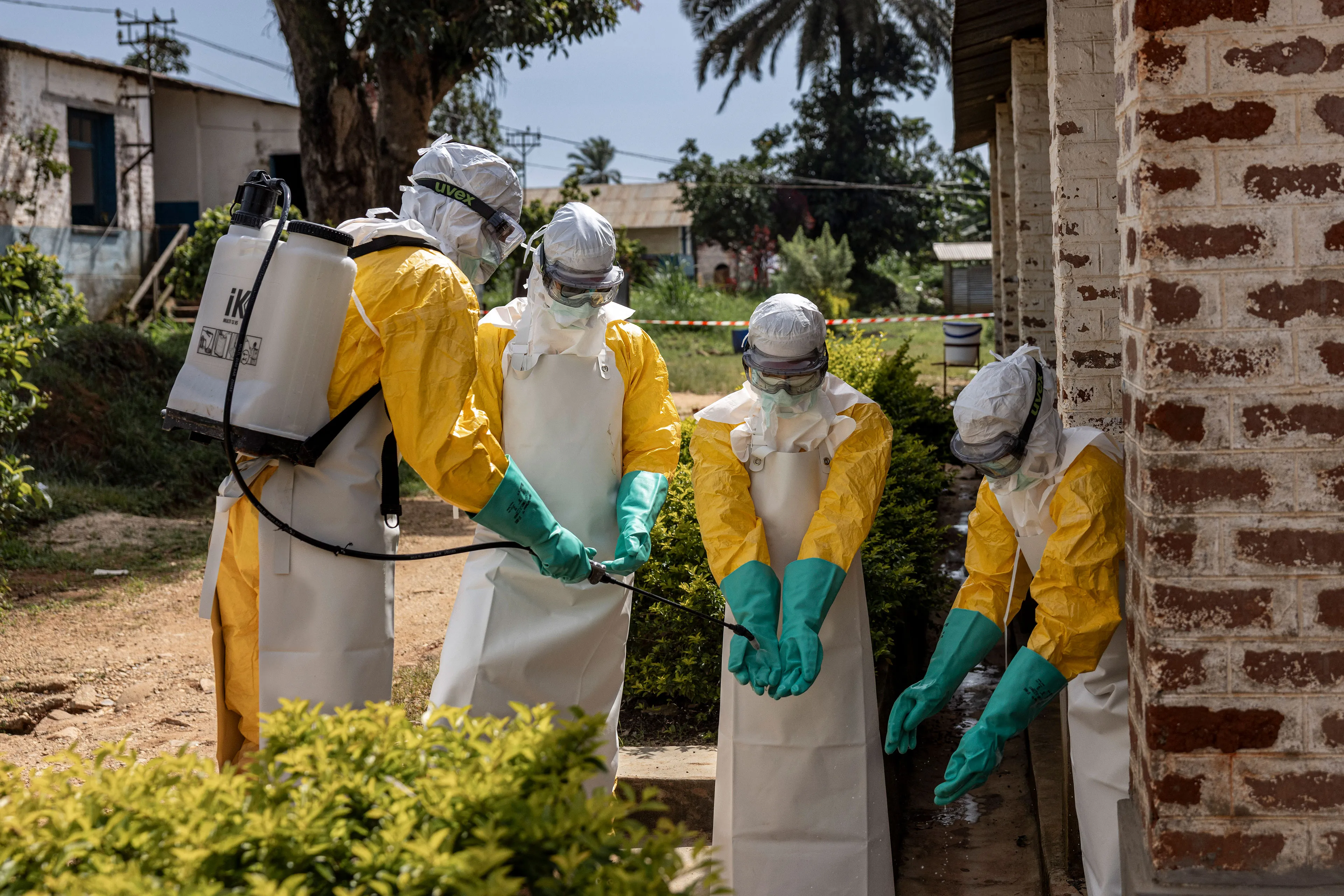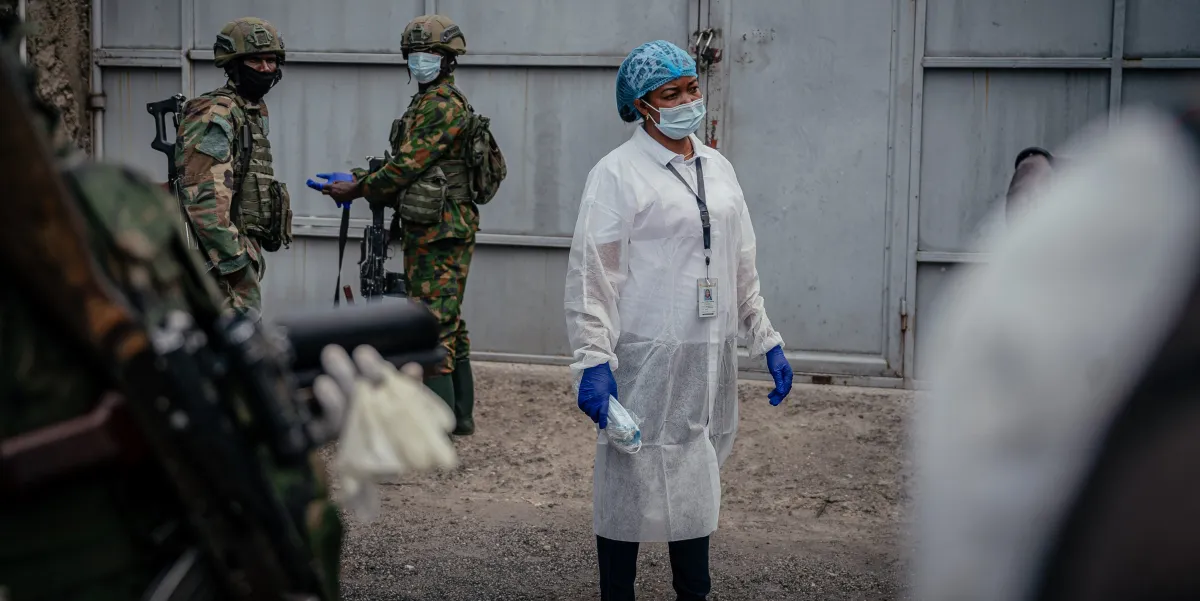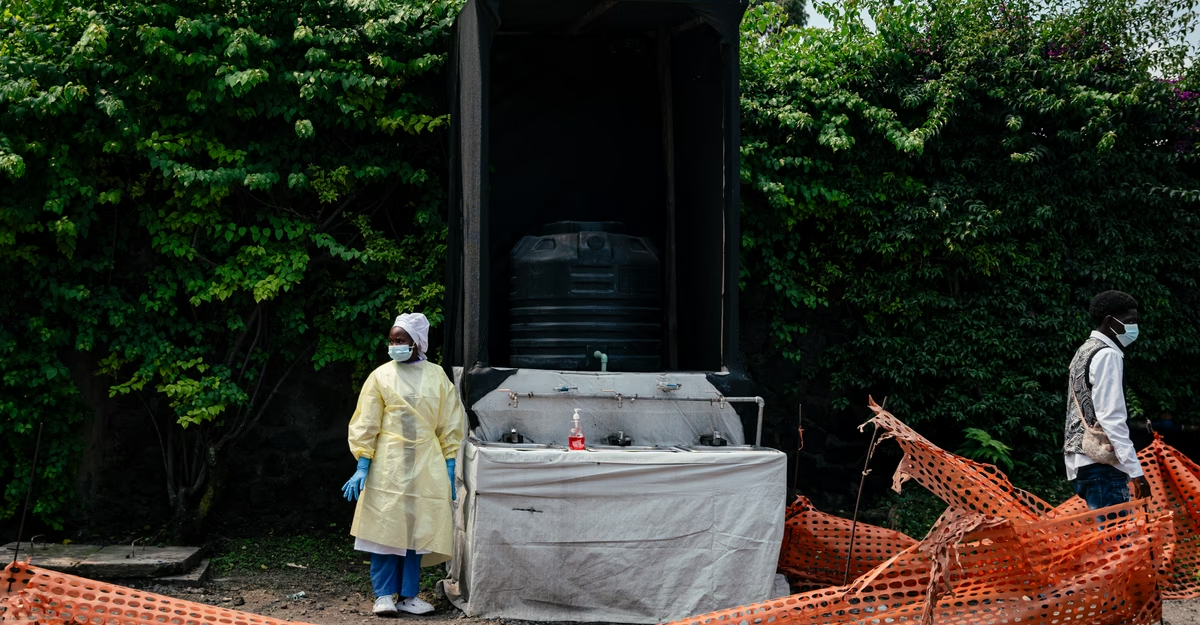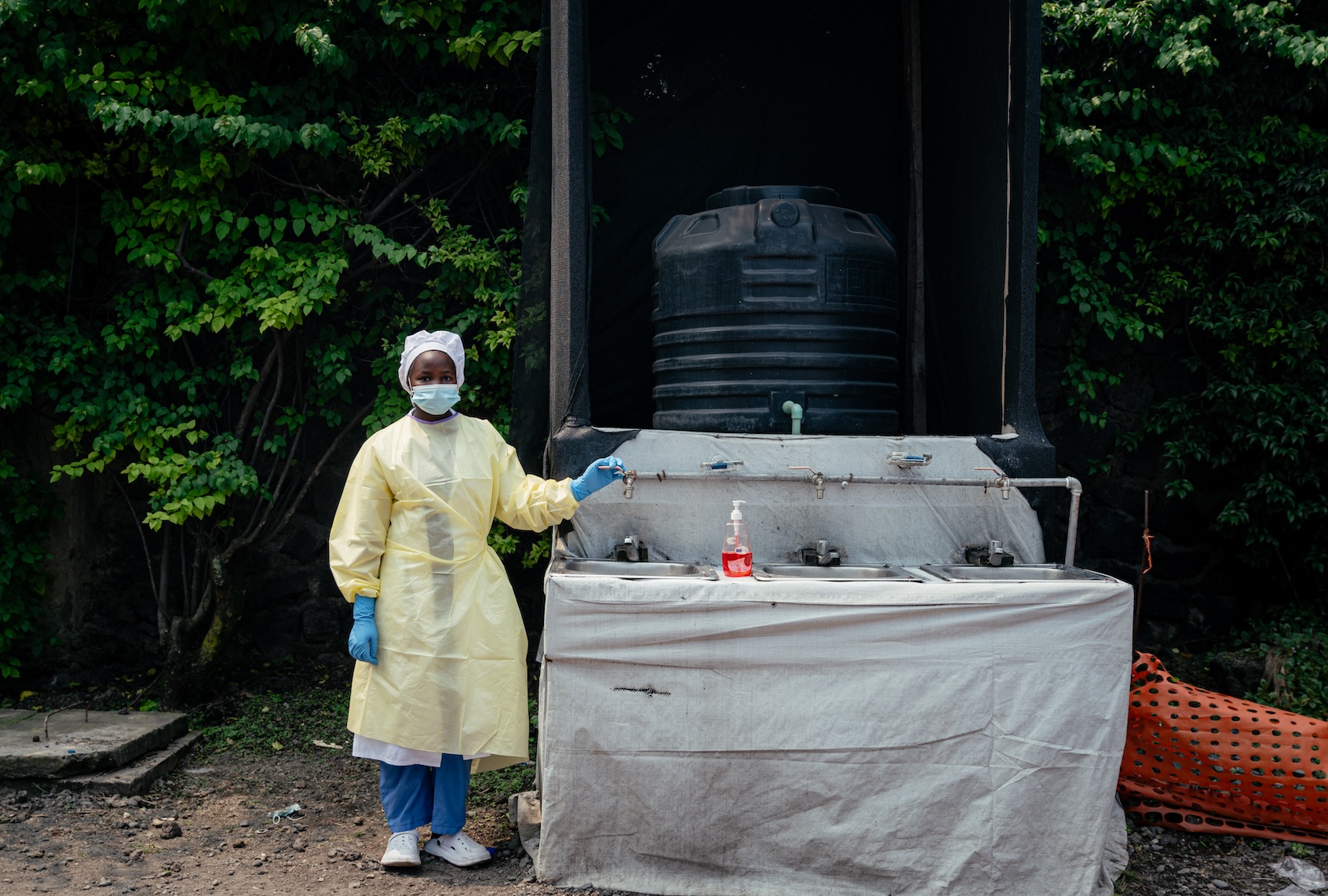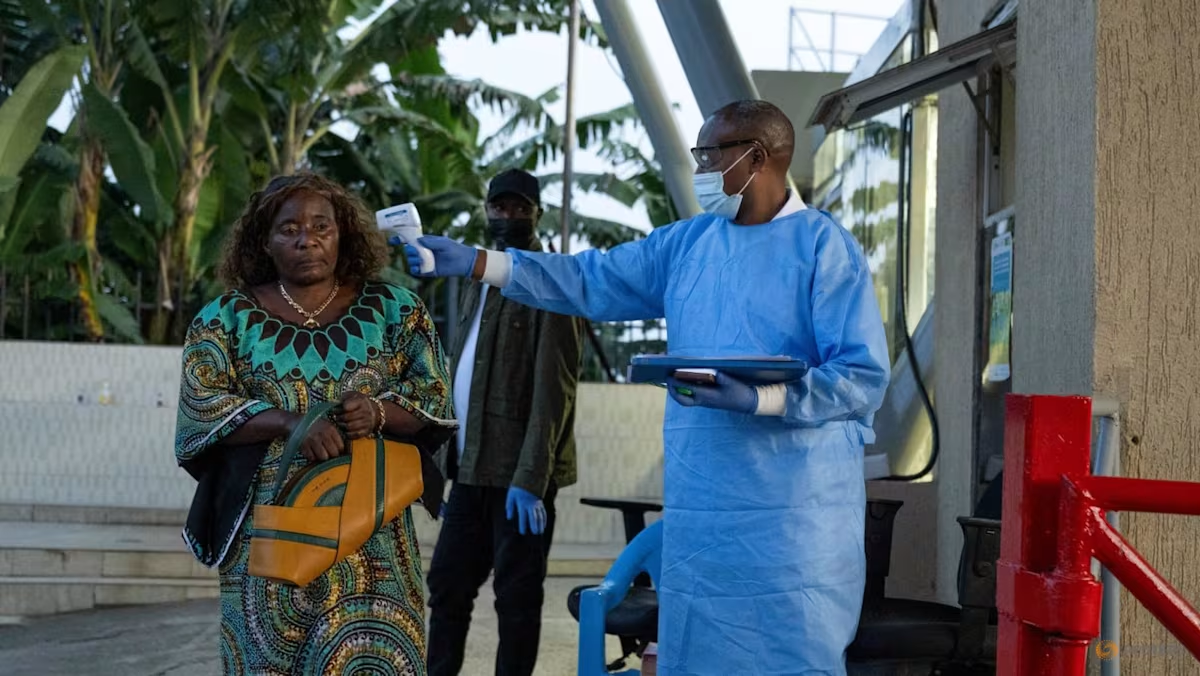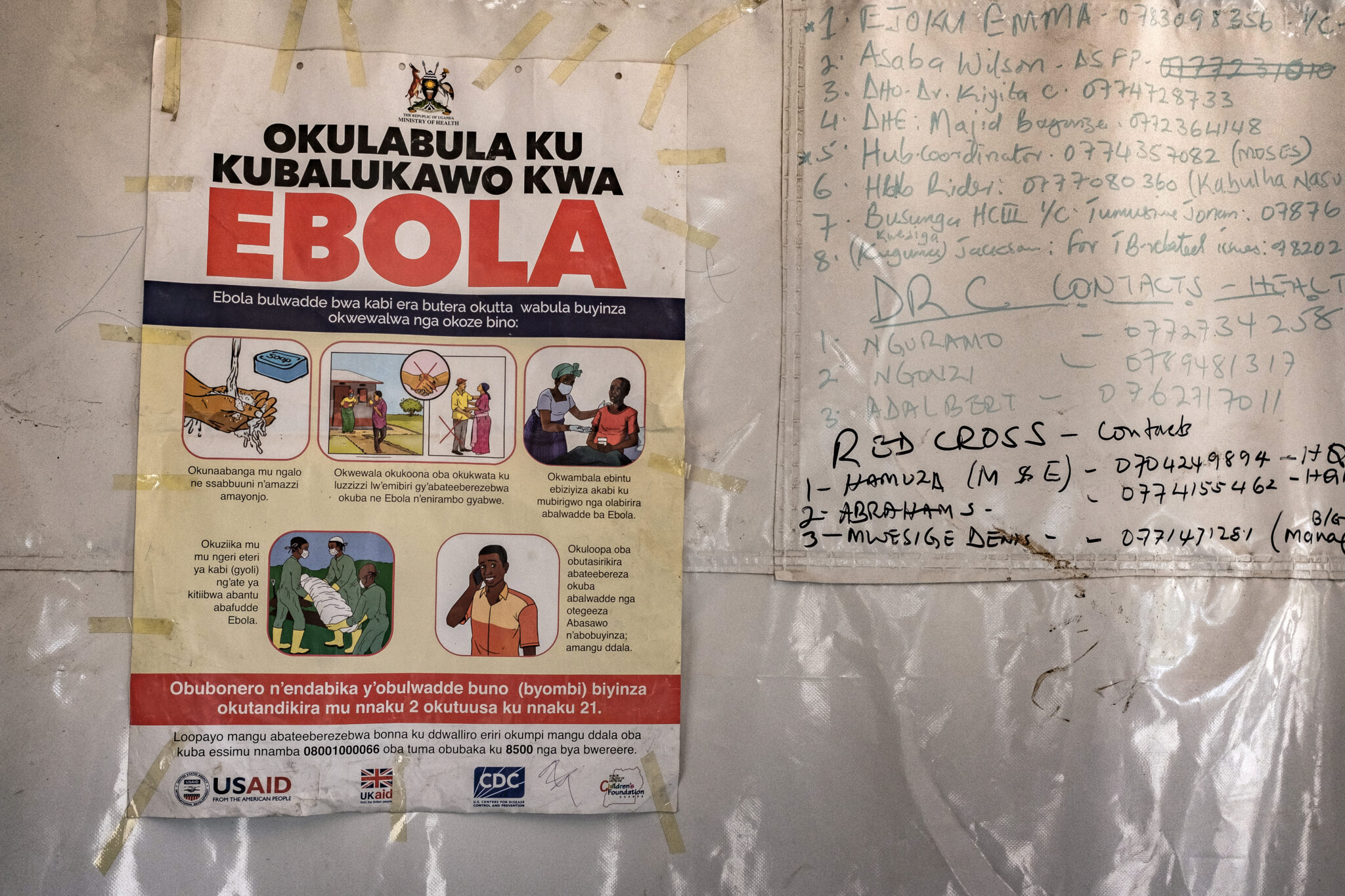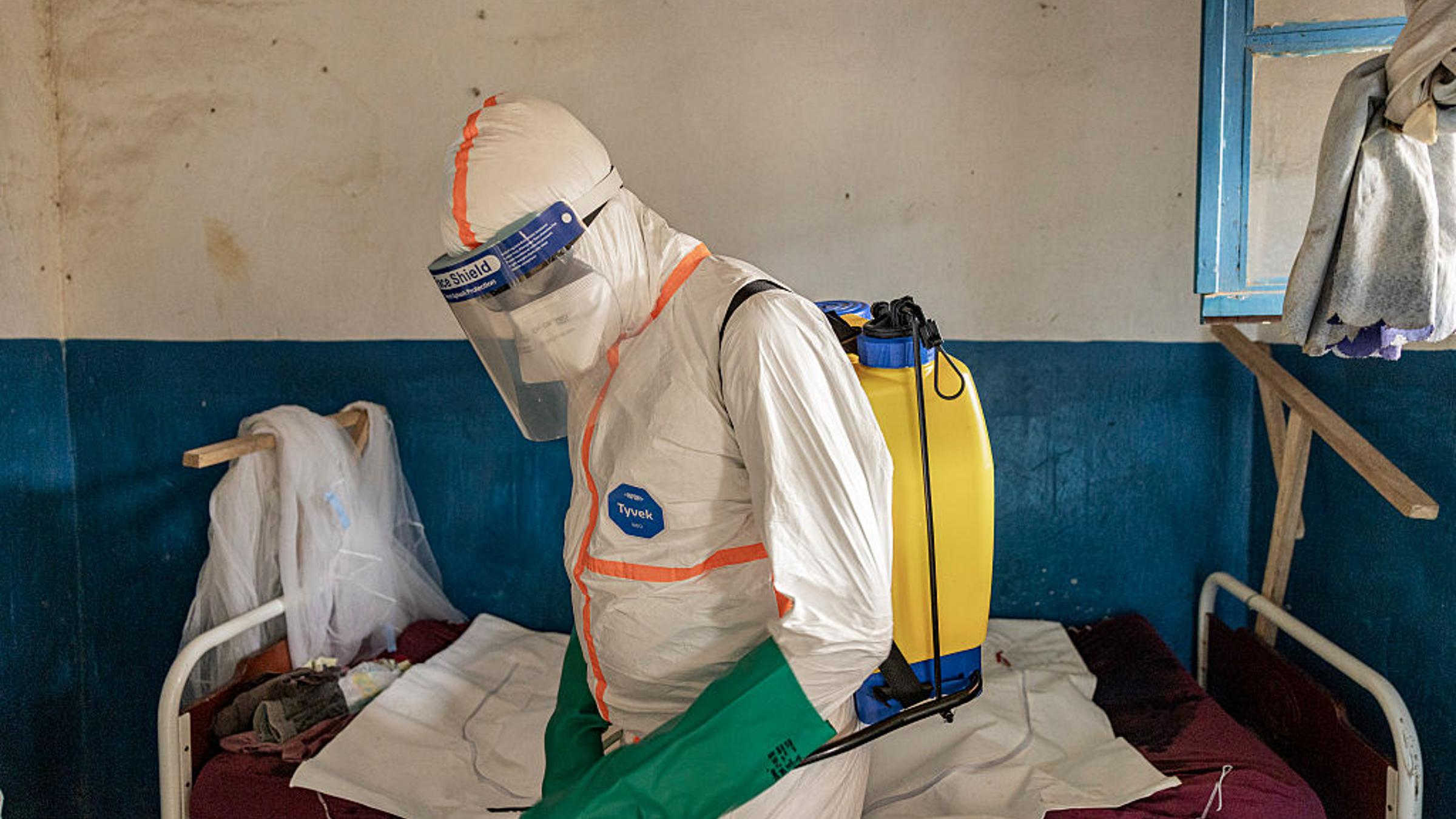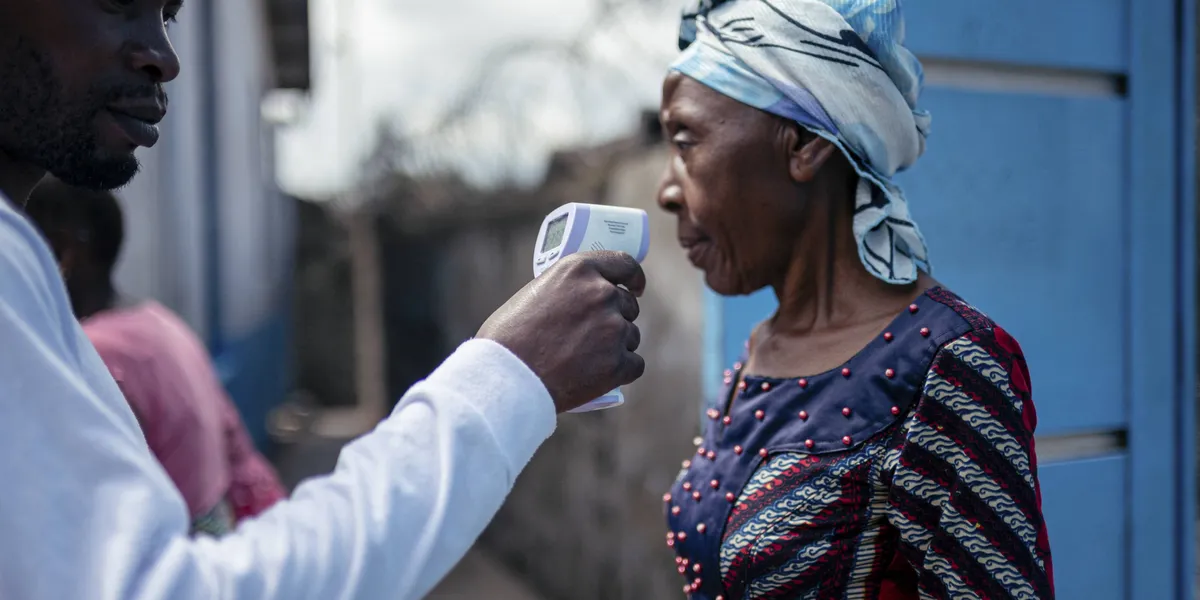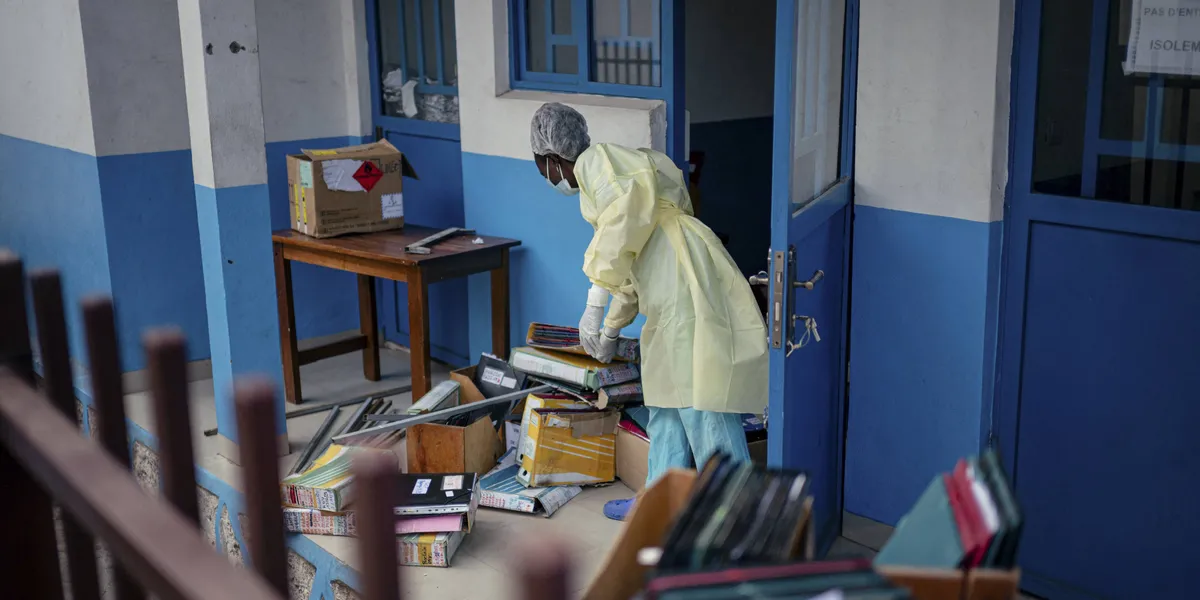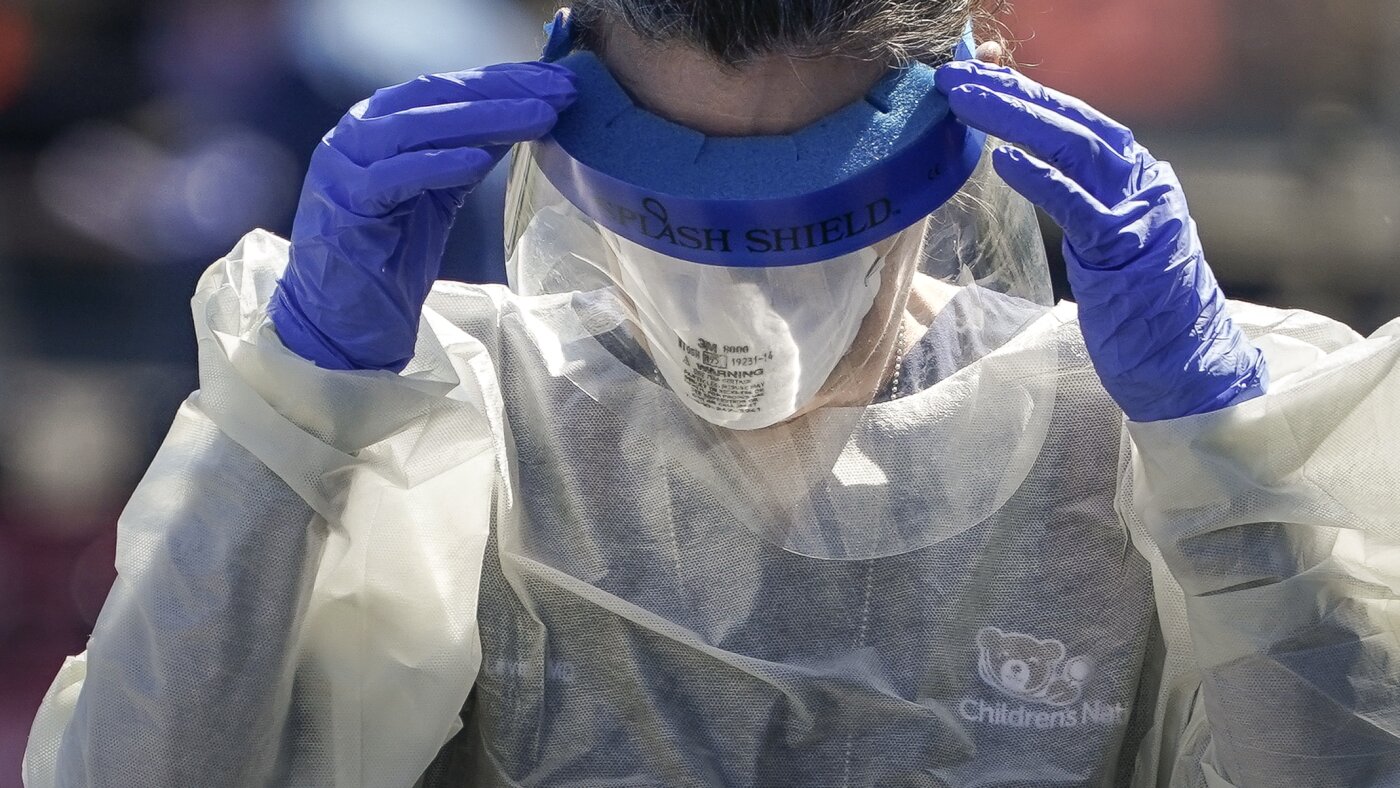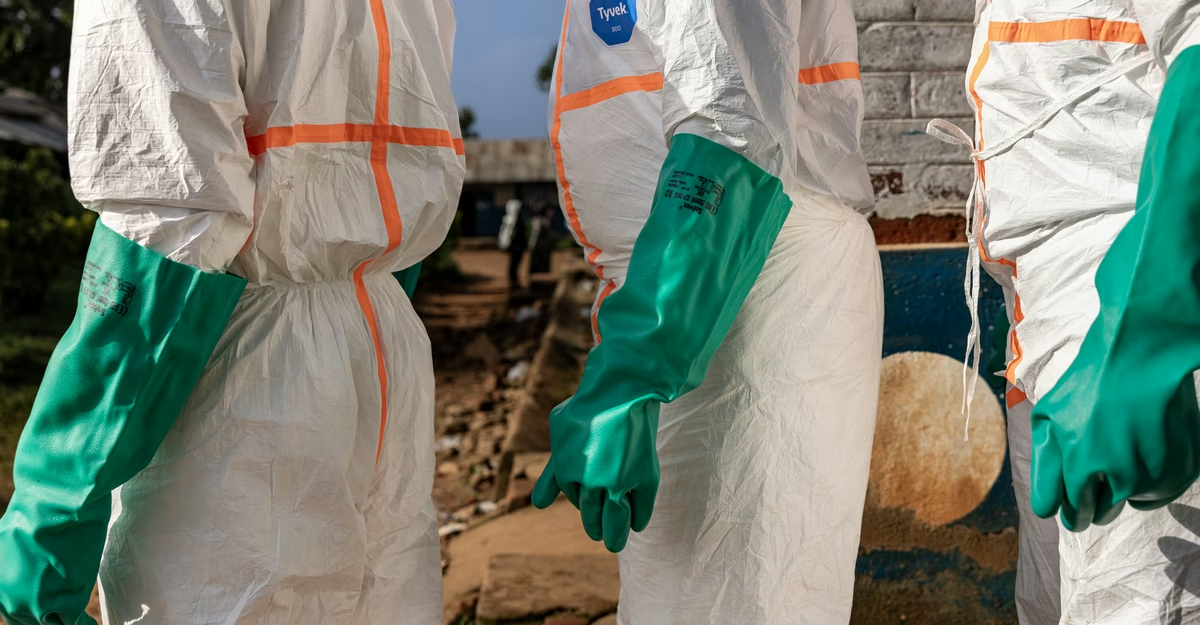
Two deadly outbreaks that could threaten Americans are unfolding simultaneously—Ebola in one part of the world, hantavirus in another—with mortality rates of 25 to 50 percent and 38 percent, respectively, and no approved vaccines or treatments for either. For now, what are most alarming are not the outbreaks themselves but the slow and uncoordinated responses by the institutions that Americans rely on to keep them safe, including the U.S. government and the World Health Organization. If the world cannot properly handle known threats that it has contained before, then it is dangerously unprepared for the next novel one.The fact that these outbreaks started is not a surprise. During the Biden administration, when we helped manage such crises as National Security Council staff, we responded to 12 outbreaks in Africa of Ebola or a related virus called Marburg. Between 10,000 and 100,000 hantavirus cases occur worldwide every year, some of them in the United States. Americans are largely unaware of these threats precisely because when the system works, they are contained quickly.What has changed is the collective failure to detect and contain these threats before they spread across borders and became public-health emergencies. As we wrote last year, the Trump administration has systematically dismantled the infrastructure that made quick containment possible: the early-warning systems, the trained response teams, the bilateral and multilateral partnerships, the funding streams, and the White House teams that oversaw outbreak responses. The destruction of that system appears to have contributed to the delayed detection of these outbreaks, and it risks hampering the world’s response. We are already playing from behind.In the case of the hantavirus outbreak, nearly a month passed from when the first passenger aboard the affected cruise ship became sick, in April, to when the WHO confirmed the outbreak. Two dozen passengers left the ship and traveled home in the intervening period. As of May 18, 11 cases had been confirmed; the remaining contacts are expected to be in quarantine or monitoring through the end of the 42-day incubation period.The Ebola outbreak, meanwhile, is escalating rapidly. To date, more than 600 suspected Ebola cases and 139 deaths have been recorded, making this the third-largest Ebola outbreak in history. The disease has spread to multiple urban centers in the Democratic Republic of the Congo and Uganda. The WHO was alerted to reports of suspicious deaths early this month, and the DRC’s healthy ministry confirmed the outbreak on May 15; two days later, the WHO declared a public-health emergency of international concern. But according to the CDC, Ebola had been circulating for at least six weeks in the DRC before public confirmation. A WHO representative acknowledged that health officials do not yet know exactly when the outbreak started or how far it has spread. Acting CDC Director Jay Bhattacharya has said that the agency was not alerted to the outbreak until May 14. This is the first time in history that an Ebola outbreak has reached such scale before detection.Read: No one in the White House knows how to stop EbolaAlthough the details of what caused the delay are still emerging, the Trump administration’s destruction of USAID, withdrawal of the United States from the WHO, and drawdown of the CDC’s role internationally almost certainly played a role. When we worked in the White House, our close collaboration with foreign partners, the WHO, and CDC and USAID experts in the field meant that we regularly learned of Ebola outbreaks as small as one to five cases; in many situations, we were informed when cases were merely suspected. Such early detection allowed outbreaks to be contained before they spread much further. Losing USAID and CDC staff—the U.S. government’s eyes and ears on the ground—has made Americans much more vulnerable to large-scale outbreaks of deadly diseases.The echoes between the current Ebola outbreak and the 2014 outbreak—the deadliest-ever Ebola crisis—are hard to ignore. That outbreak began in Guinea, likely in December 2013. When Guinea notified the WHO of the outbreak, in March 2014, there were still only 49 cases and 29 deaths. The WHO didn’t declare a global emergency until August 2014, by which point there were nearly 2,000 confirmed cases. By the time the outbreak ended, in June 2016, more than 28,000 people had been infected, and 11,308 had died—and the U.S. alone had spent more than $5.4 billion to contain the spread. Now we may be on a similar—or more accelerated—trajectory, given the additional challenges of this particular outbreak. Many standard rapid field tests miss the Bundibugyo strain, the one that is currently circulating; there is no approved vaccine or treatment for it (similar to the situation in the first year of the 2014 outbreak); and the current outbreak is centered near a porous border where people regularly cross to Uganda, Rwanda, and South Sudan.The 2014 outbreak created rare bipartisan clarity: The United States needed the capacity to manage these diseases wherever they emerged. The U.S. government learned from that crisis and put in place controls to prevent it from happening again. What followed was a sustained investment in new capabilities—the specialized quarantine facility in Nebraska where American hantavirus patients are currently being cared for, Ebola-treatment centers across the country, protocols for supporting and safely caring for travelers returning from affected countries.Congress also invested deeply in global-health-security programs at the CDC, USAID, the State Department, and the Department of Defense, greatly accelerating the world’s collective capacity to detect and stop outbreaks early. Those investments eventually included about $1.3 billion annually through the State Department, USAID, and the CDC, plus hundreds of millions of dollars in additional investments through other global-health programs, including investments in lab capacity through the President’s Emergency Plan for AIDS Relief and biosecurity through DOD. The funding worked. It is why most Americans never heard about the Ebola and Marburg outbreaks of the past decade.The Trump administration has severely weakened our defenses against diseases like Ebola. President Trump has said that he is “concerned” about the outbreak in the DRC but that there is not much he can do about the hantavirus outbreak. That is wrong. There are at least six actions the White House could immediately take to limit the damage from both diseases.First, establish an incident-response team led out of the National Security Council, with a dedicated leader who can coordinate across agencies free of political pressure.Second, surge financial support, personnel, and equipment to the DRC and neighboring countries. The initial $23 million commitment that the State Department made is a start, but it is woefully insufficient for an outbreak of this scale—particularly without USAID and CDC infrastructure on the ground. Similarly, the administration’s commitment to establishing up to 50 Ebola-response clinics in the affected areas is promising, but this effort will be much more difficult without USAID and CDC infrastructure and partnerships in the DRC and Uganda. (The Ugandan health ministry said that it had “not been engaged on the establishment” of the clinics.)Third, communicate clearly to the public. The government’s guidance on the hantavirus outbreak has been confusing, leaving some travelers—particularly passengers who went home rather than to the University of Nebraska Medical Center quarantine unit—without clear monitoring instructions. The CDC should also continue to provide clear notices to future travelers and timely guidance to clinicians on how to identify Ebola in anyone at risk of exposure.Read: This Ebola outbreak will be hard to containFourth, mobilize tests, personal protective equipment, and available treatments, and support organizations such as the Coalition for Epidemic Preparedness Innovations and Gavi that are positioned to accelerate vaccine development and distribution. To test whether these countermeasures are effective, the U.S. will need to quickly rebuild trust with leaders in the affected countries, including by committing publicly to sharing countermeasures with the region. Speed here is everything.Fifth, the administration was right, if belated, in focusing on protecting the public and travelers returning from Ebola-affected countries by funneling passengers through Washington Dulles International Airport and closely monitoring those with potential exposure after arrival. But the majority of travelers coming from the region are Americans and are therefore exempted from Title 42 travel restrictions that bar people who have been to Uganda, the DRC, or South Sudan in the past 21 days from traveling to the United States. More essential is restoring a 2021 CDC order that the administration withdrew last year that required airlines to collect contact information from passengers arriving from abroad and share it with the CDC upon request, which makes it easier to alert and support people and their communities in the event that public-health concerns arise.Sixth, the Trump administration, which has shown limited appetite for diplomacy, should rally other countries to contribute their own funding and materials to the cause, as the Obama administration did in 2014.Unfortunately, no matter what actions the United States and the world take from here, enough time has passed that the Ebola outbreak will be difficult to contain. The White House cannot wait until the crisis is under control to put in place a more effective system for detection and response. Each outbreak does not wait for the previous one to pass, and biological risks—whether naturally occurring, deliberate, or accidental—are growing. New technologies, including more effective wastewater-surveillance systems and AI-assisted vaccine development, offer the possibility of a faster, more efficient system than the one we had before. But no technology substitutes for the human infrastructure, partnerships, and political will that made the old system work.Ebola and hantavirus are terrifying, but they are containable. We have done this work before. The question is not whether we know how. It is whether we have left ourselves the tools to do it again and the infrastructure to rebuild fast enough for the threats we have not yet seen.
How to Contain the Ebola Outbreak
The Trump administration is already playing from behind, but it can still limit the damage.
1,614 words~7 min read