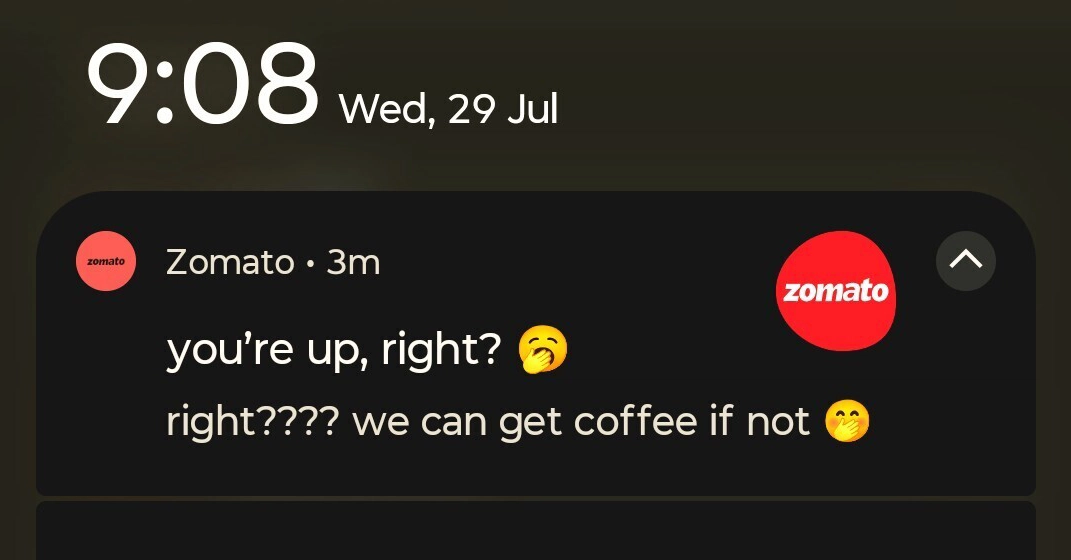
You woke up this morning and checked your phone. Before your first cup of tea had brewed, you had already been nudged, filtered, ranked, and sorted by artificial intelligence dozens of times. The news headlines surfaced to your lock screen were algorithmically curated. The playlist that accompanied your commute was assembled by machine learning models analysing your listening history, mood patterns, and the time of day. The product recommendations that caught your eye during a two-minute scroll through an online shop were generated by systems that, according to McKinsey research, already account for roughly 35 per cent of everything purchased on Amazon. And you noticed none of it.
According to IDC's landmark “Data Age 2025” whitepaper, produced in partnership with Seagate, the average connected person now engages in nearly 4,900 digital data interactions every single day. That is roughly one interaction every 18 seconds across every waking hour. The figure has grown dramatically from just 298 interactions per day in 2010 to 584 in 2015, climbing through an estimated 1,426 by 2020. Today, more than five billion consumers interact with data daily, and that number is projected to reach six billion, or 75 per cent of the world's population, by the end of 2025. The vast majority of these touchpoints are mediated, shaped, or outright determined by artificial intelligence systems operating beneath the surface of your awareness. The question is no longer whether AI influences your daily life. The question is whether you still recognise the difference between a choice you made and a choice that was made for you.