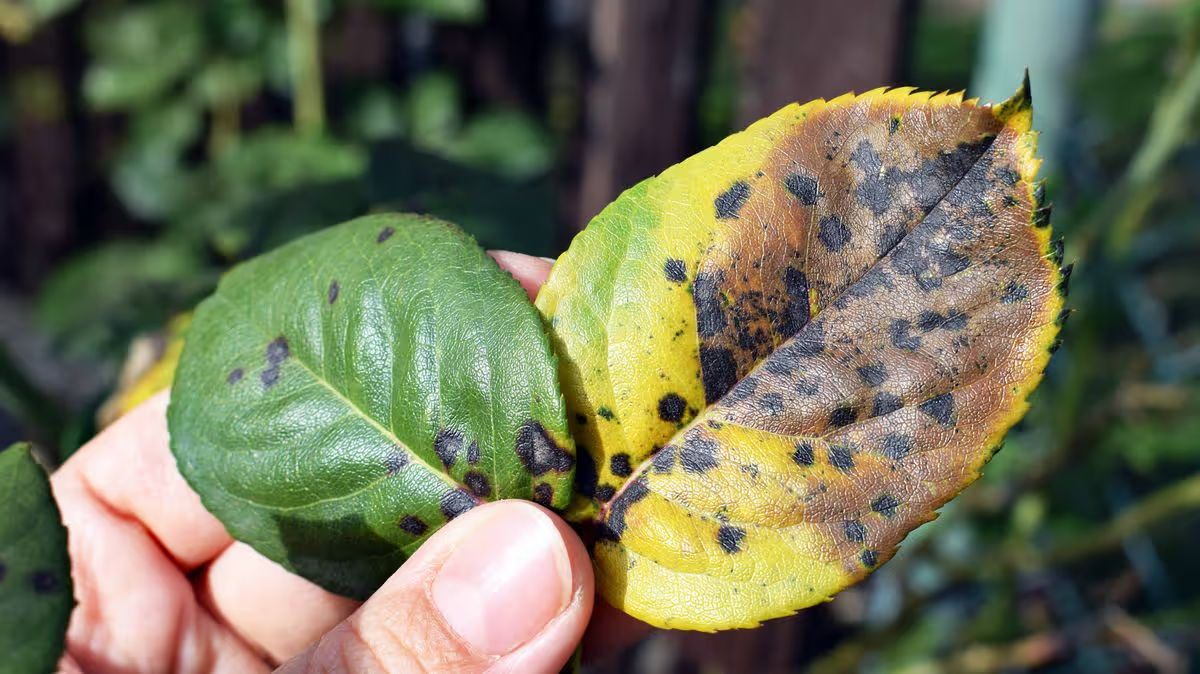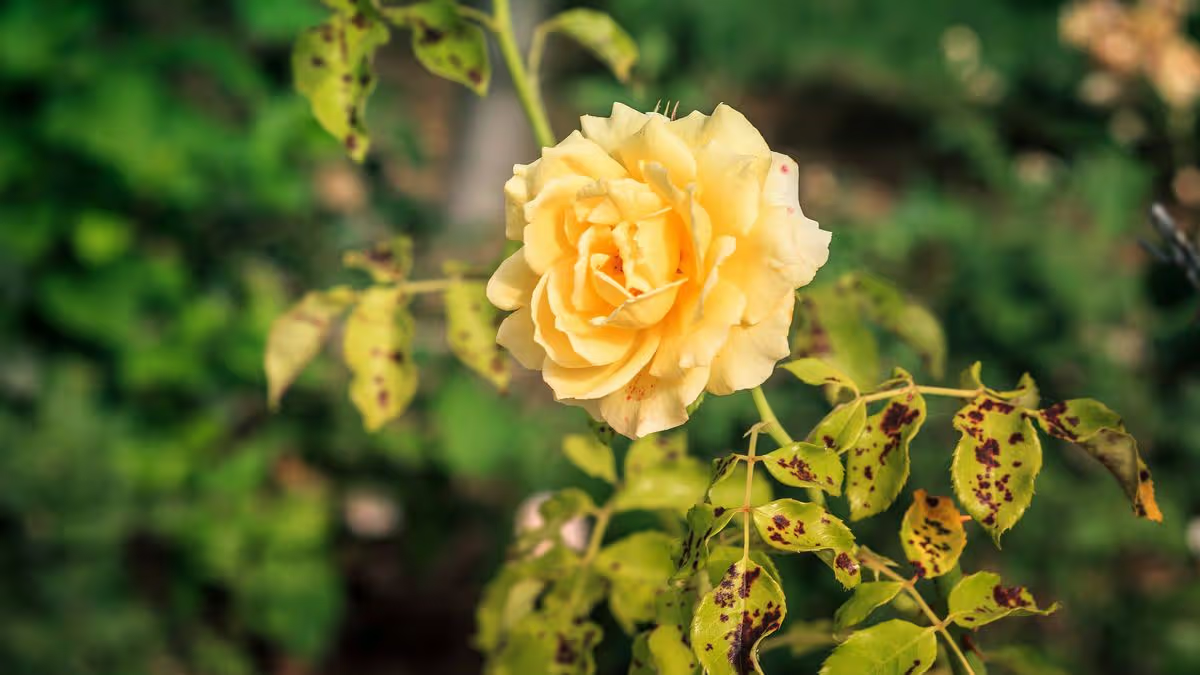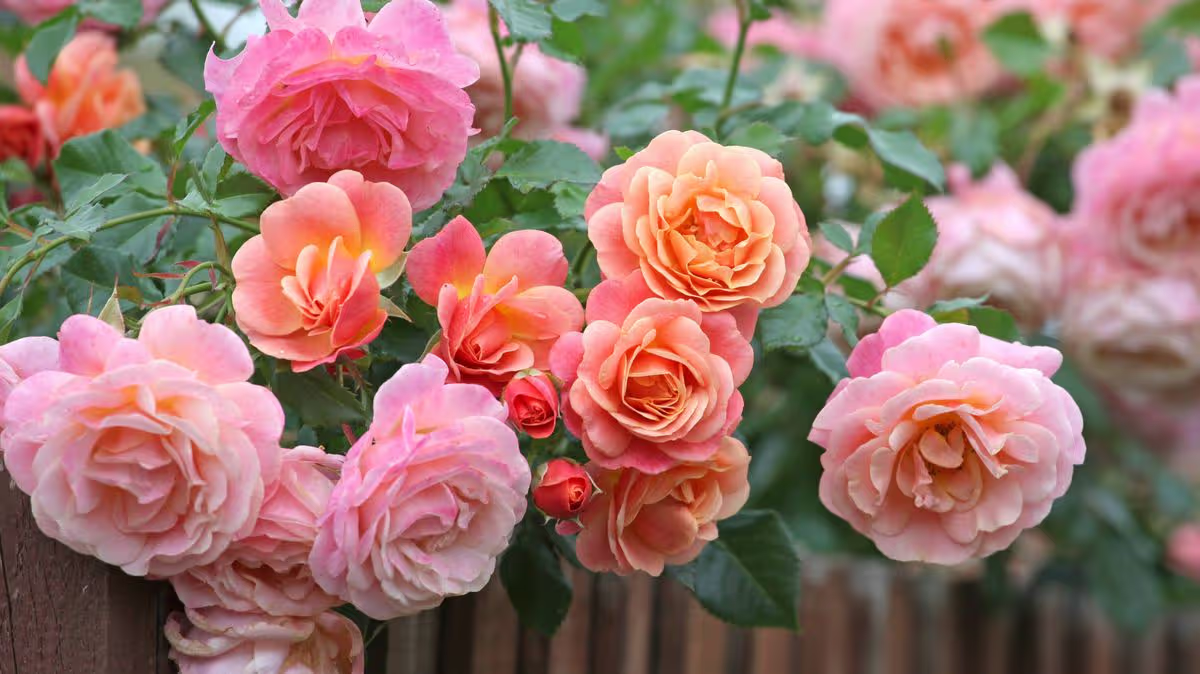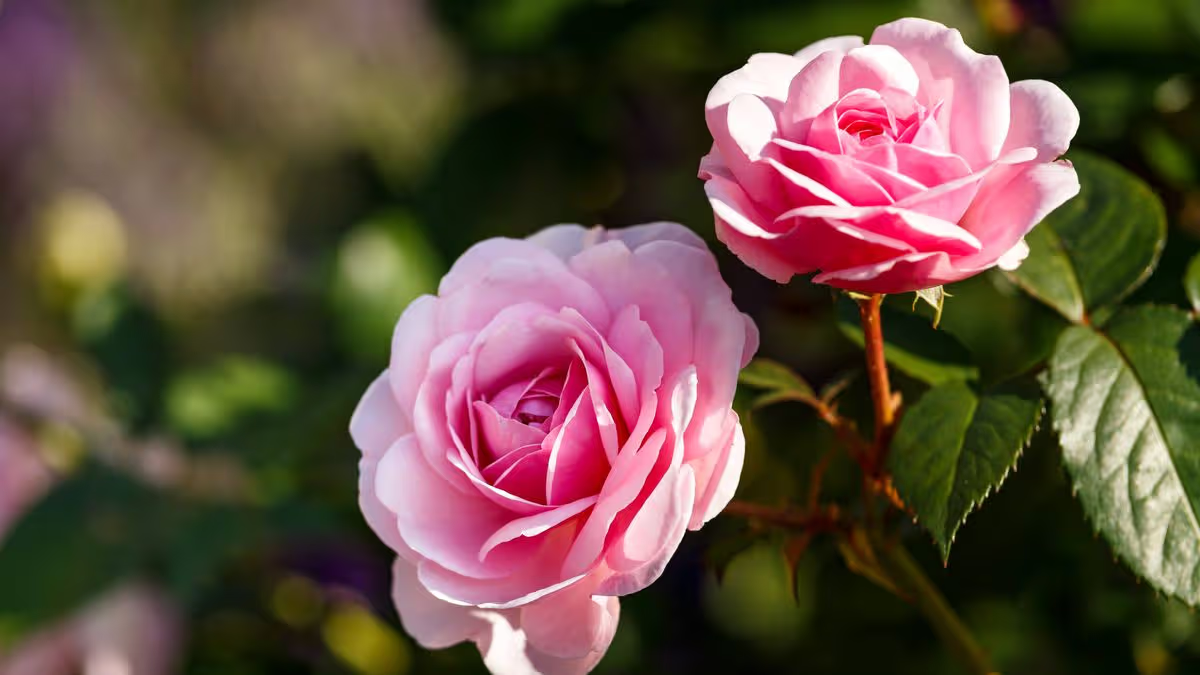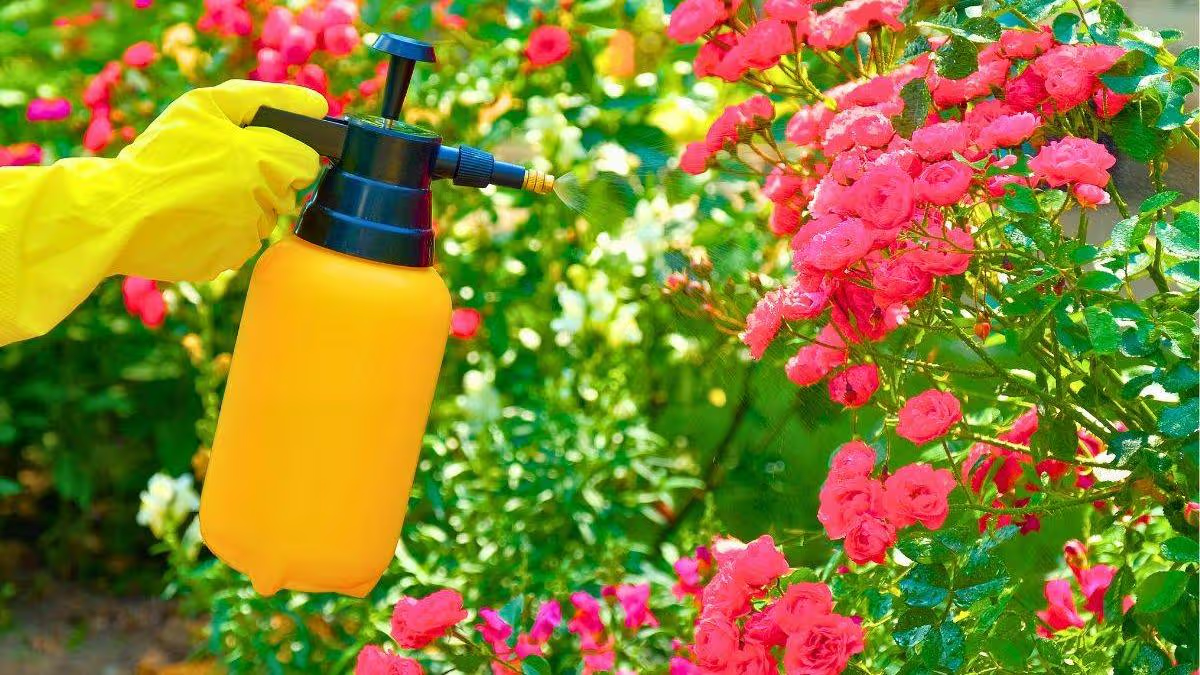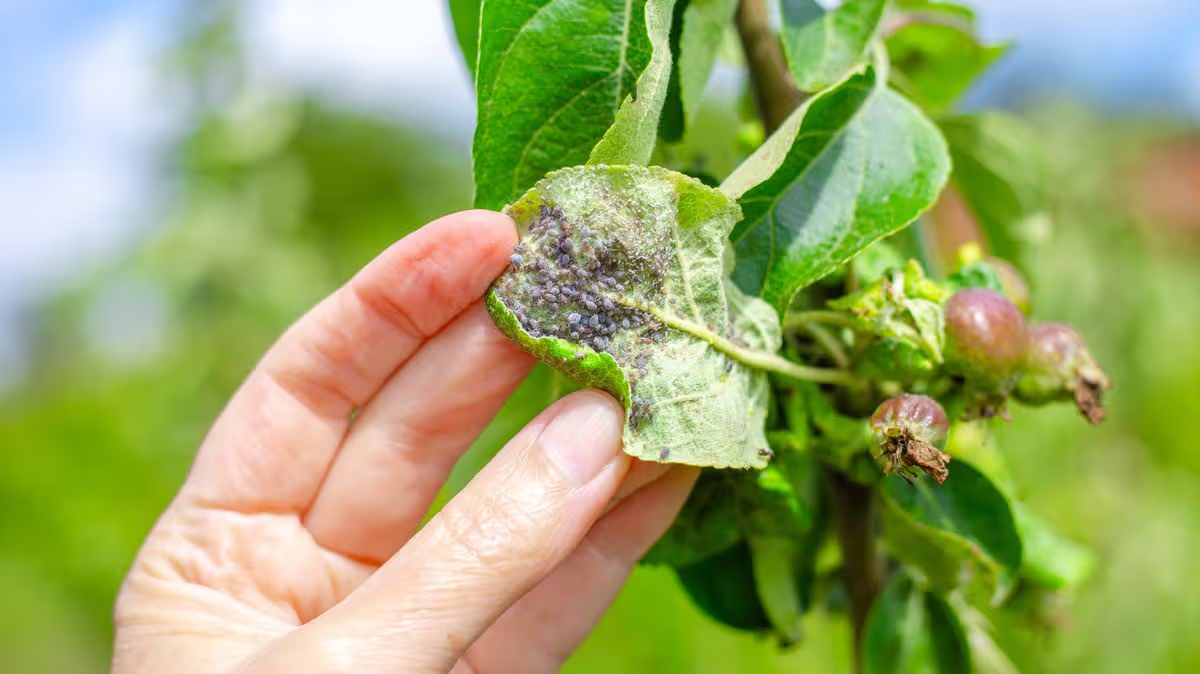
It’s rose season, where traditional beautiful scented blooms come into their own, filling the air with fragrance and adding a riot of colour to borders.But you don’t have to reach for the pesticide spray if you see colonies of aphids on your roses or despair of the blackspot, because there are organic ways to grow healthy roses, says award-winning garden writer, lecturer, and organic gardener Val Bourne, who is giving talks at this year’s Hever in Bloom at Hever Castle & Gardens, where more than 5,000 roses are in flower over the summer.“Organic gardening is about food webs in your garden and this is where so many people go wrong,” she says.“They see aphids on their roses and they’ve been primed for commercial reasons to think they have to spray those aphids, but actually those aphids are going to feed ladybirds, hoverfly larvae; wrens and blue tits are going to take them.“All these little things in the garden are the foundation layer that supports the upper layer.”Neil Miller, head gardener of Hever Castle & Gardens, says deadheading with a sharp pair of secateurs is important for rose strength and promotes further flowering.(Alamy/PA)“Once your flower is spent, you want it to produce more flowers. Get your clean, sharp secateurs and go down to the first leaf axis and give it a quick sharp cut.”Bourne offers the following tips:1. Select disease-resistant varieties“There are certain roses that never suffer from disease, such as ramblers, which were bred at the beginning of the 20th century.“Most of them flower once in June and they never get diseased. A rambler, Rosa ‘Goldfinch’, is very good for a smaller garden because it’s not too large.“It’s a sort of egg yellow that fades, and just grow a clematis with it if you’re worried about having a blank space. That will flower in July and a lot of them produce really nice little hips as well.”Gallica, alba and rugosa roses are robust and don’t really get disease, and rugosa roses are repeat-flowering and can grow on sandy soil, she continues. Companies including David Austin Roses are actively breeding much healthier roses, she says.(Vikki Rimmer/PA)Floribunda roses are another good group, with clusters of flowers on top of the stems. She recommends ‘Coral Gardens’.2. Feed your rosesWhen you feed your plants use something such as Vitax Q4+ organic all-purpose plant food, she suggests.3. Watch your manure“I don’t like to top-dress my roses with manure, because there’s a chemical that they feed cattle that comes through the back end of the cow and it’s still in the manure. I haven’t used manure in my garden for 20 years.”4. Underplant your roses(Val Bourne/PA)“It’s much better to underplant your roses with plants – I start with snowdrops, then wallflowers. I’ve got astrantias, cosmos, scabious, I’ve a whole under-storey of perennial plants under my roses because those plants, especially things like scabious and astrantia, will not only satisfy the bees but they attract hoverflies which lay eggs near colonies of aphids.“They lay one egg and the maggot-like creature which comes out eats the aphids.”5. Tackle aphids organically(Alamy/PA)“Just get your fingers and wipe them off,” Bourne suggests. “Aphids are very delicate things and are really easy to just wipe away.”Great colonies of them will affect the vigour of your rose, she agrees, but you can even wash them off with a hose.6. Don’t forget to prune“Pruning is terrifically important for the health of roses. Different roses are pruned in different ways. If it’s a good year, ramblers will produce a new bright green growth that comes up in an arching shape. Look at that rose – you can do this in November – and you can see the new growth. You might have two new growths, so take away two older growths to keep the rose balanced,” says Bourne.(Alamy/PA)Climbing and rambling roses can be pruned in November. The others can all be done any time from New Year time, provided it’s not frosty, up to mid-February, she says.“Take out any inward-facing branches, anything that’s dead or diseased. Tidy up all that before you start to do your prune and you should end up with a very simple shape that’s airy in the middle. If it’s airy in the middle, the wind will go through it and help to prevent black spot.”7. Tackle black spot(Alamy/PA)“If you do get black spot, in September or October gather up every (infected) leaf that you can and take them away. The rose doesn’t need its foliage, so take it off. Then put a layer of ordinary multi-purpose (organic) compost around the rose.“That will prevent those black spot spores that have hit the soil from being washed back up on to the rows by winter rain.”She says that having an under-floor of planting is likely to reduce the spores on the soil.Hever In Bloom at Hever Castle & Gardens, Kent, runs from June 22 to July 5.
How to grow roses organically
Experts offer solutions which don’t involve chemical sprays.
815 words~4 min read