The two a.m. pager call is a rite of passage for many engineers, but the nature of those incidents is starting to change.
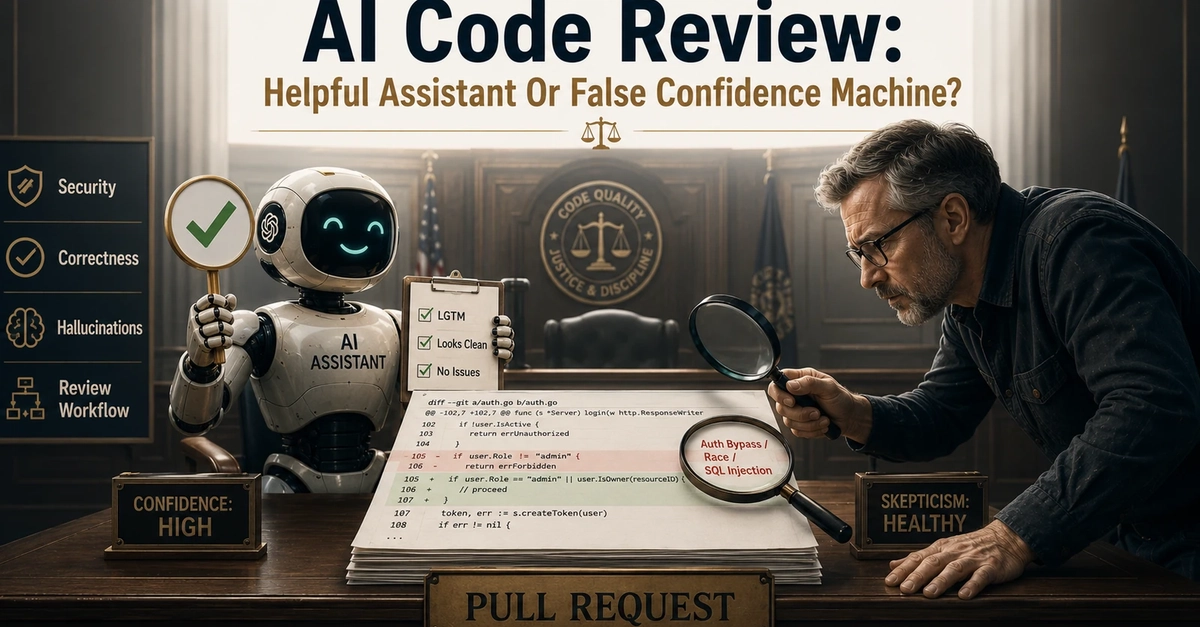
Picture this. You just finished reviewing a pull request that looked almost perfect. The logic was clean, the variable names were descriptive and the code even included comments explaining what each section was doing. The CI pipeline passed without a single failure, so you merged it with confidence and moved on to the next task.
A few hours later the alerts begin.
The service starts timing out, and requests begin to pile up faster than the system can handle. When the team traces the issue back to the code that shipped earlier, the problem turns out to be surprisingly subtle. The AI-generated function that looked so polished during review assumed the database would always have connections available. In staging that assumption held. In production, where thousands of requests arrive at the same time, the same logic quickly exhausts the connection pool.
This is the new reality of AI-assisted development. Teams are moving faster than ever, generating large portions of working code in minutes rather than hours. At the same time, they are encountering a different class of bugs. These issues look perfectly reasonable in isolation but behave very differently once they interact with real production environments.