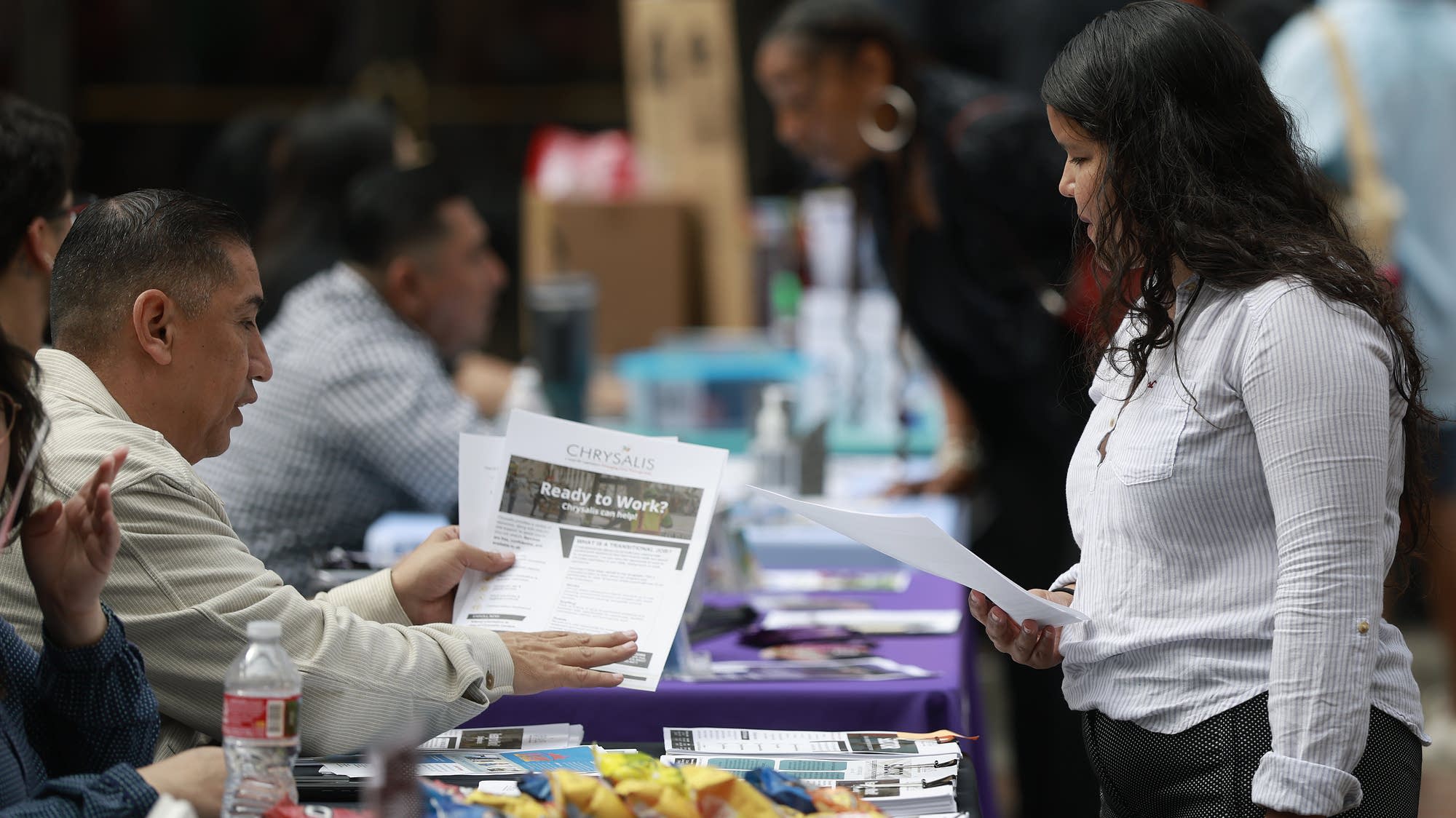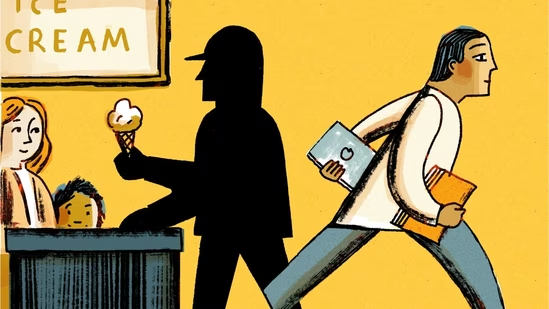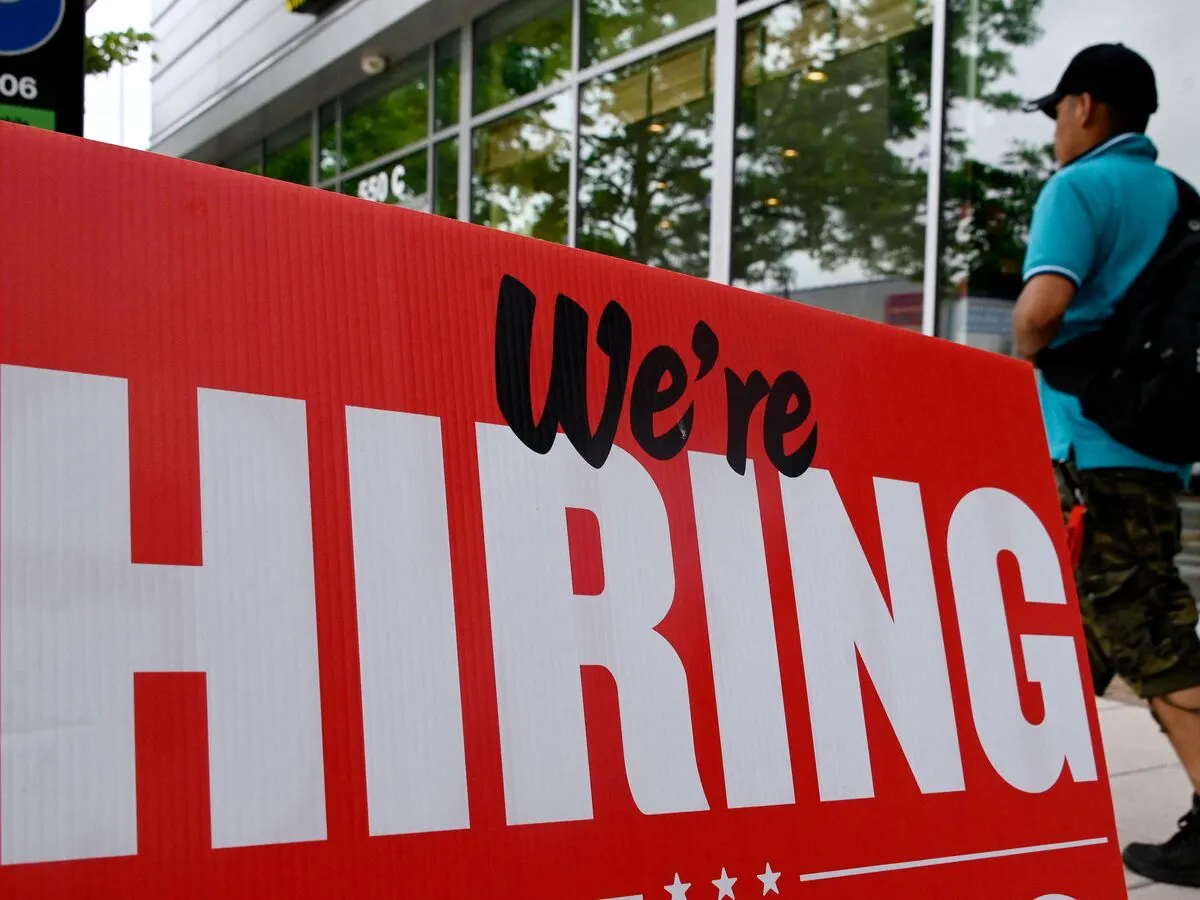
Summer jobs were once a rite of passage for American teenagers. At the turn of the 21st century, a majority of American teenagers worked during the summer. This summer, only about 1 out of 3 teenagers will be employed — a decline that amounts to 3.3 million fewer working teenagers than at the turn of the century. That’s bad for America’s workforce — and worse for millions of teenagers missing out on the benefits of work.
While the paychecks teenagers earn can fill gas tanks, fund entertainment, and grow savings accounts, those jobs are more than just paychecks. Jobs for teenagers provide experience and life lessons that teach youth the importance of key skills such as showing up on time, treating customers and coworkers with respect, staying on task even when tasks are difficult or boring, and engaging with other humans face-to-face.
For many young people, a first job is also their first experience of responsibility outside of home and school. It builds independence and confidence. It exposes teenagers to people from different backgrounds and teaches them how to navigate expectations, conflict, and responsibility. Those lessons can’t be learned through video games, social media, summer classes, or another season of travel sports.