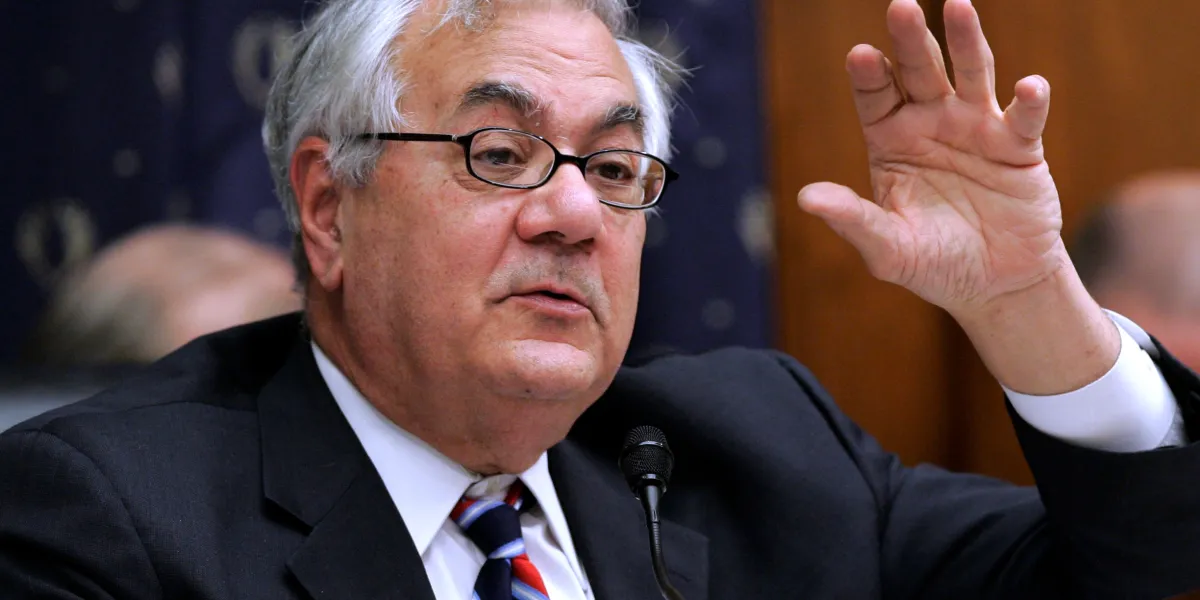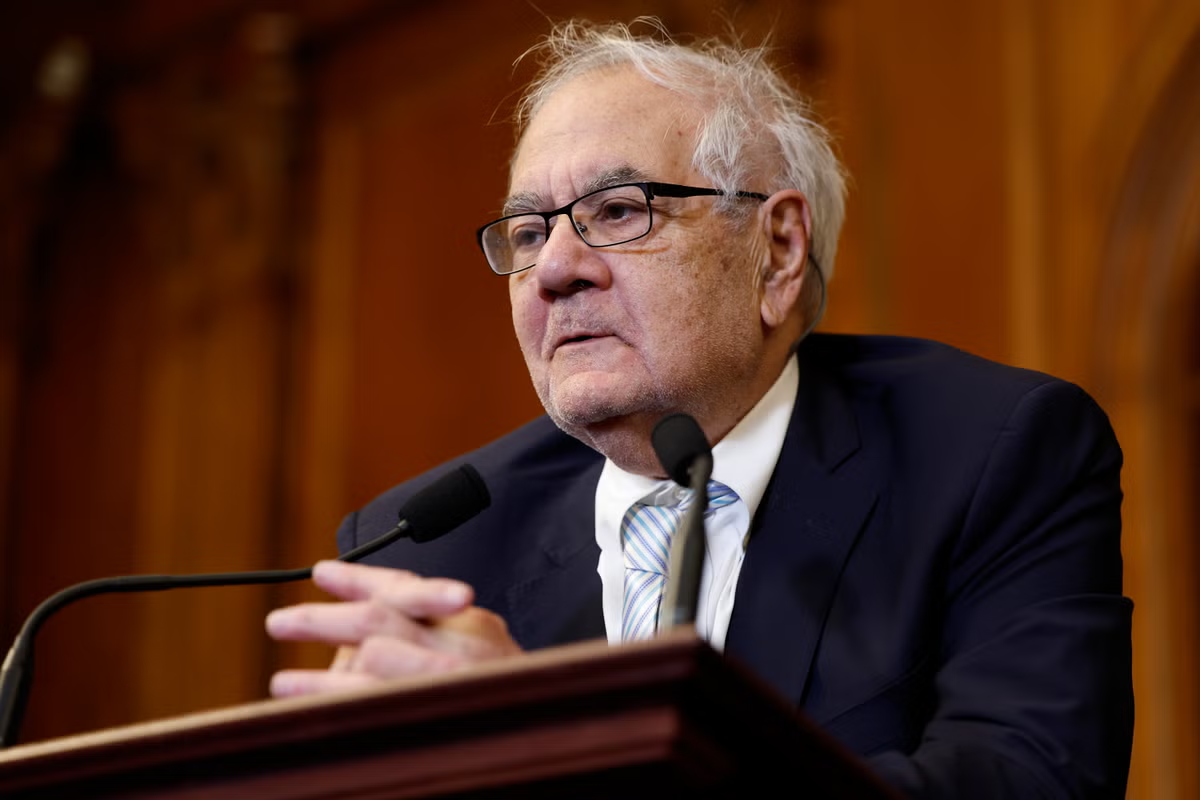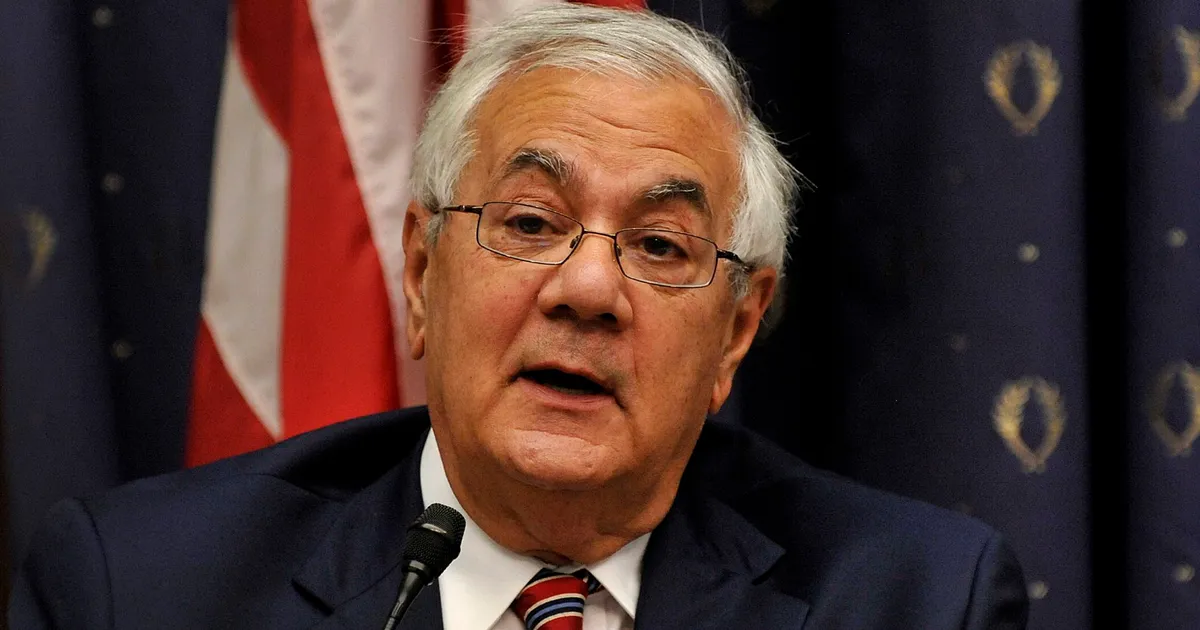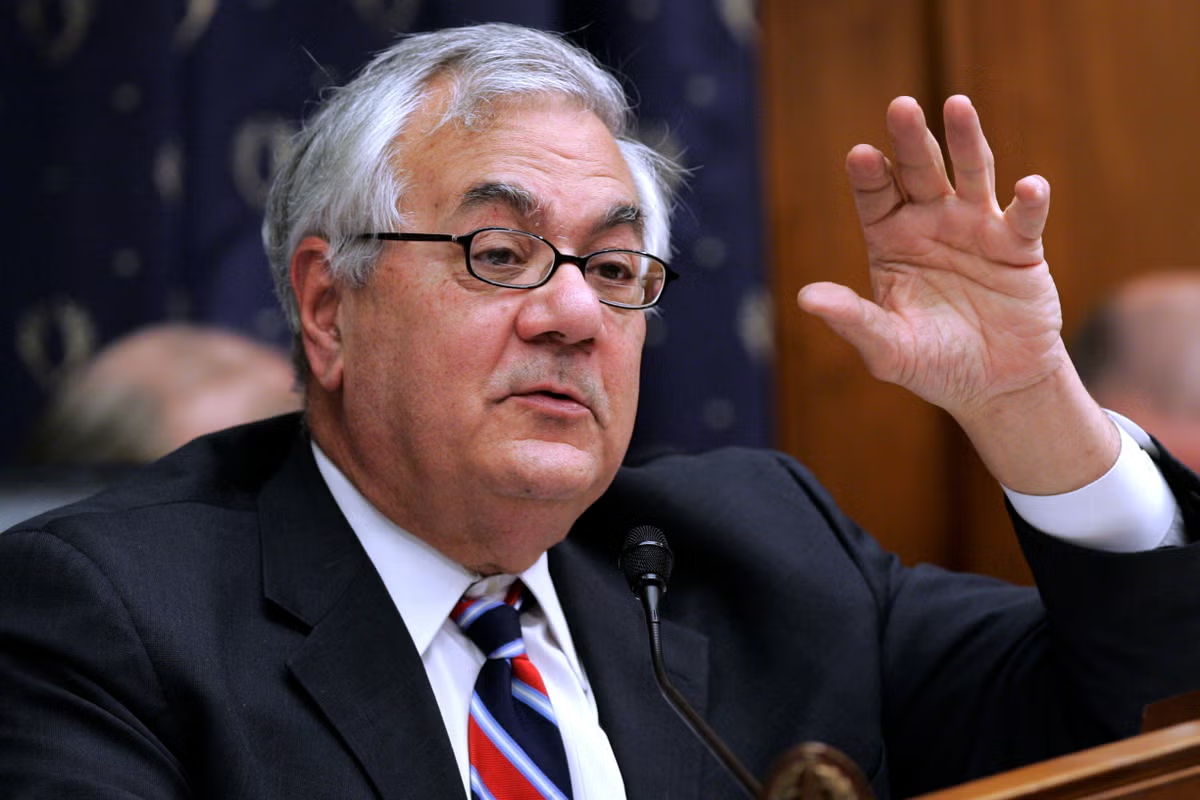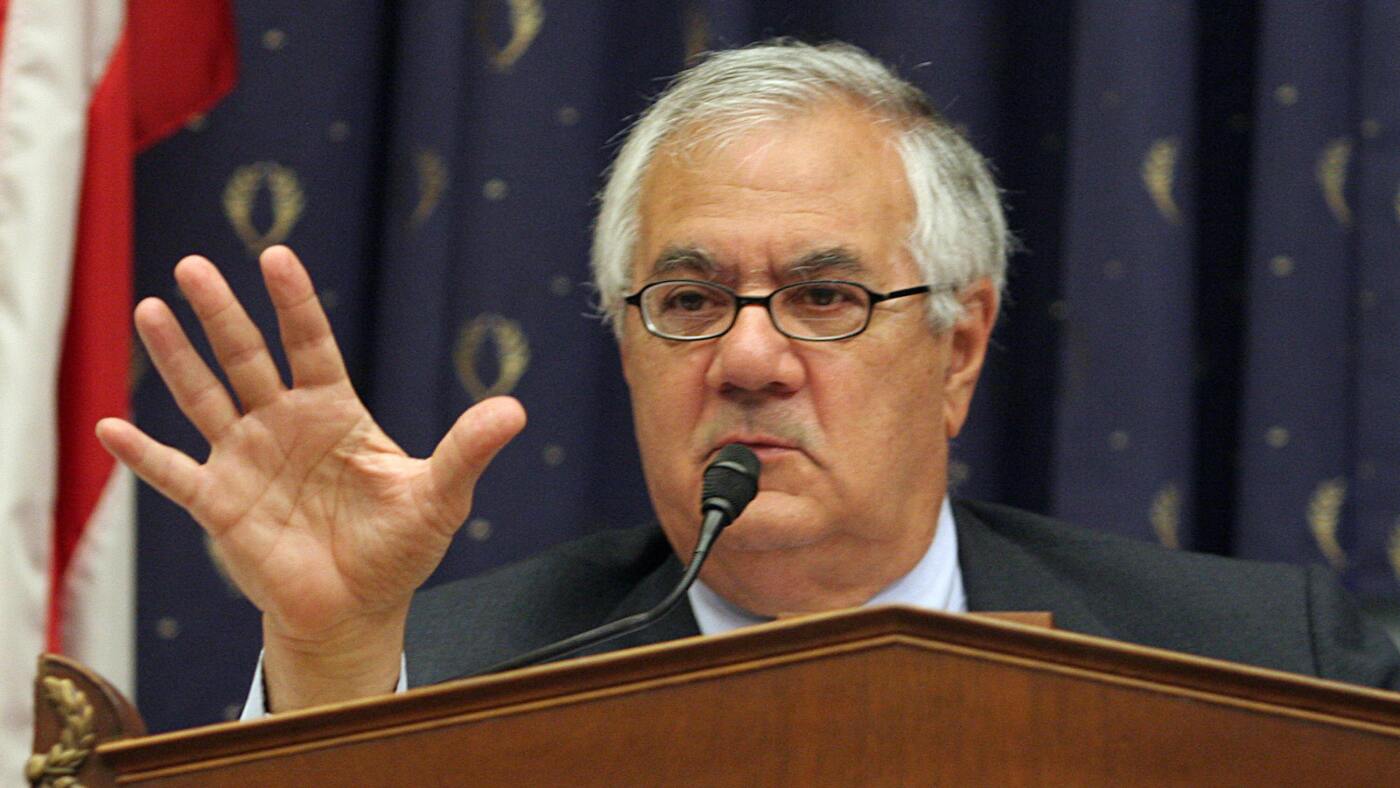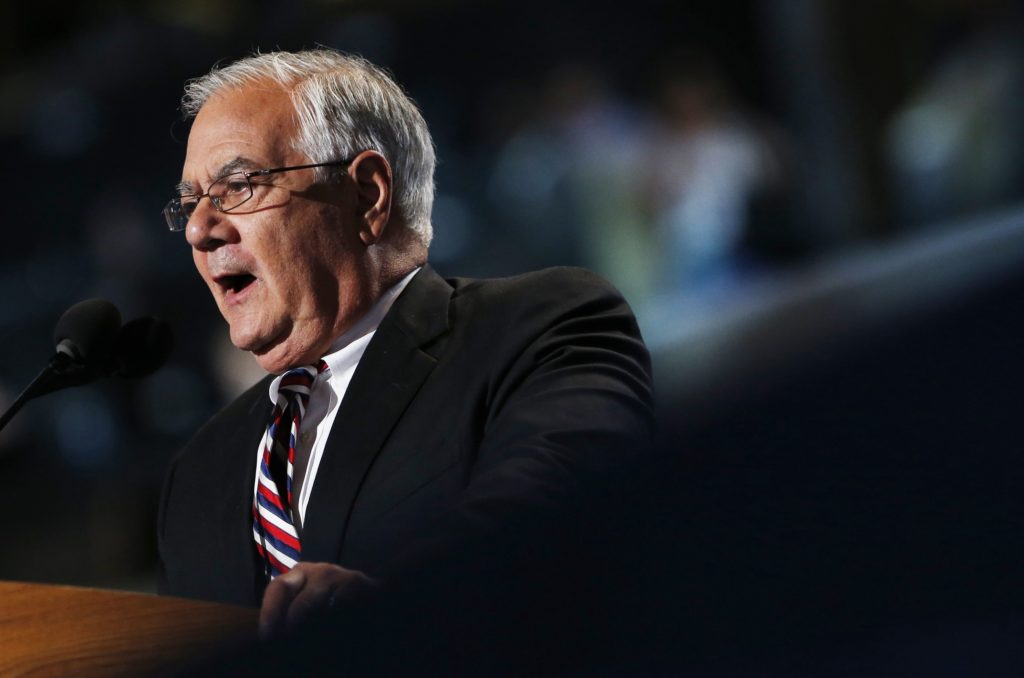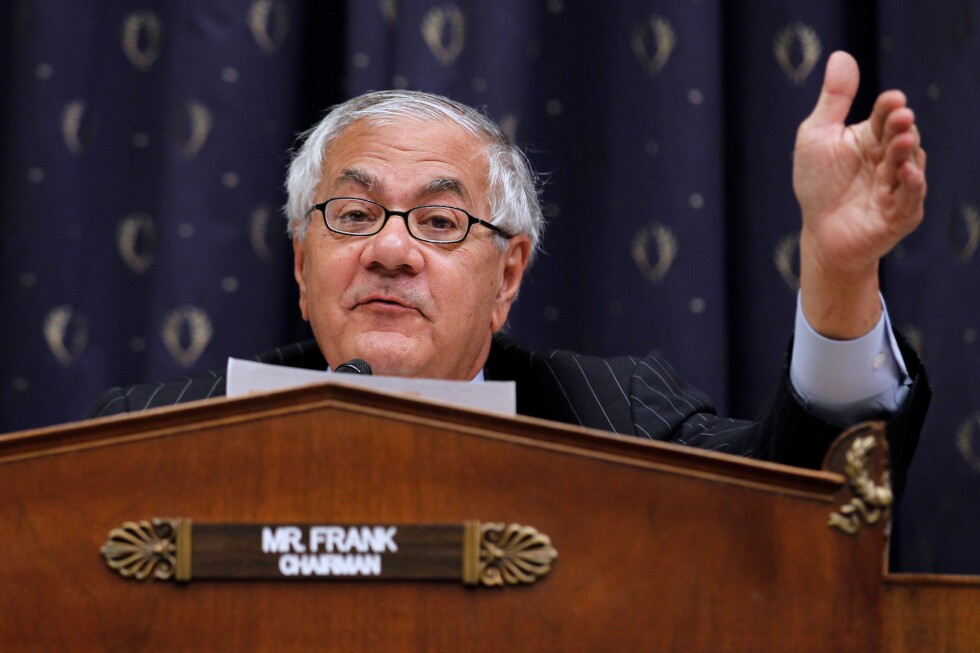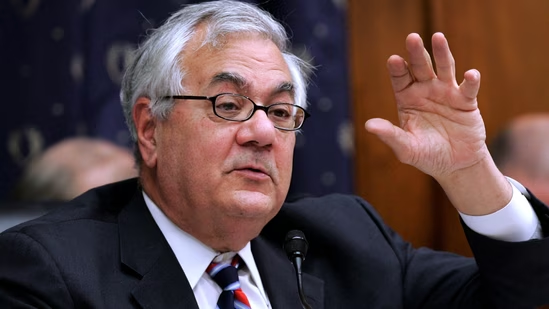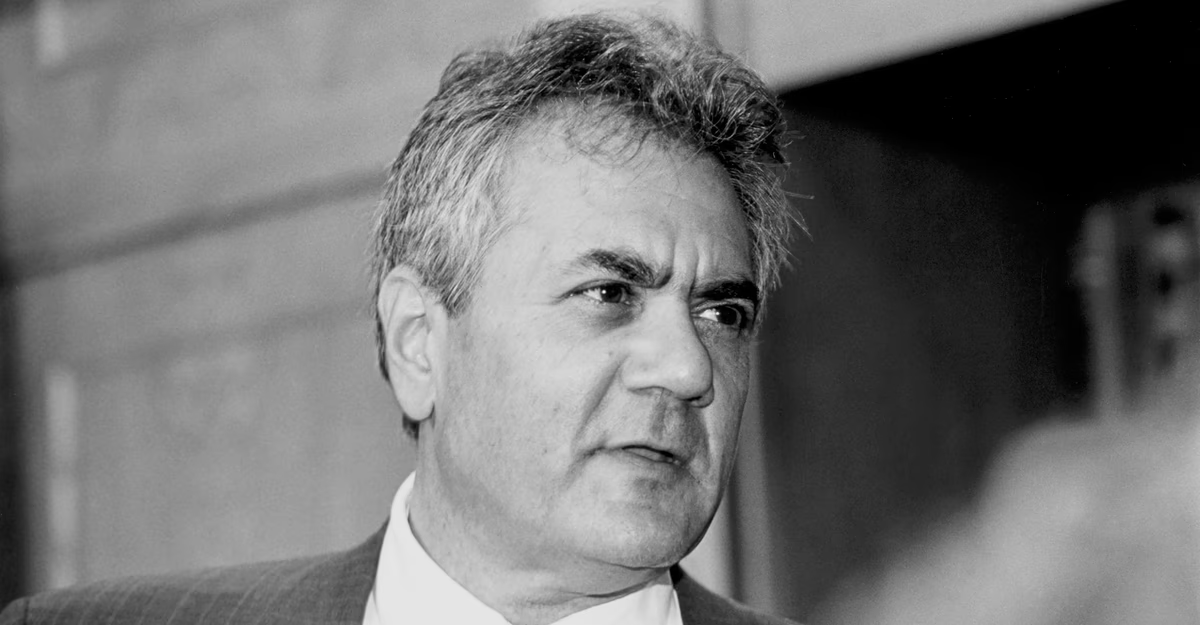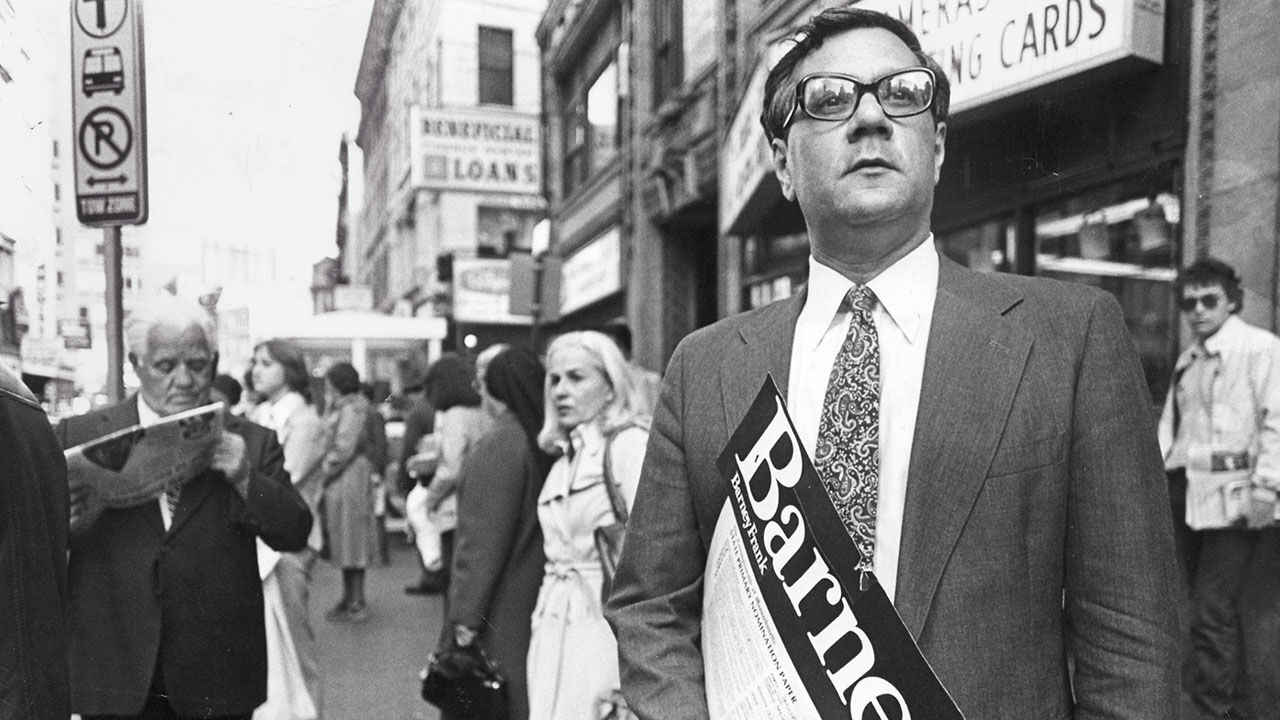
In Focus delivers deeper coverage of the political, cultural, and ideological issues shaping America. Published daily by senior writers and experts, these in-depth pieces go beyond the headlines to give readers the full picture. You can find our full list of In Focus pieces here.Barney Frank, who died Tuesday at 86 after months in hospice care, spent his final weeks doing something most retired politicians never get the chance to do: telling his own party, loudly and on the record, that it had lost its way.From his home in Ogunquit, Maine, Frank gave interviews to the New York Times, the Boston Globe, CNN, and the Jewish Telegraphic Agency. He used the attention his impending death drew to deliver a single, blunt message to Democrats. Stop alienating the voters you need and turning every cultural fight into a loyalty test. And stop mistaking the party’s fringe for its core.
“Frankly, if I weren’t dying, people wouldn’t be paying as much attention,” he told the Times.
They should pay attention anyway. Frank was not some recovering moderate looking for absolution. He was, as he once described himself, a “left-handed gay Jew” from Bayonne, New Jersey, who spent more than three decades in Congress as one of its most reliably liberal members. He authored the Dodd-Frank Wall Street Reform and Consumer Protection Act after the 2008 financial crisis. He was the first sitting member of Congress to voluntarily come out as gay in 1987 and the first to enter a same-sex marriage. He filed his first piece of state legislation in 1972, as a freshman Massachusetts state representative, to ban housing and employment discrimination based on sexual orientation. No one earned the label “progressive” more honestly.