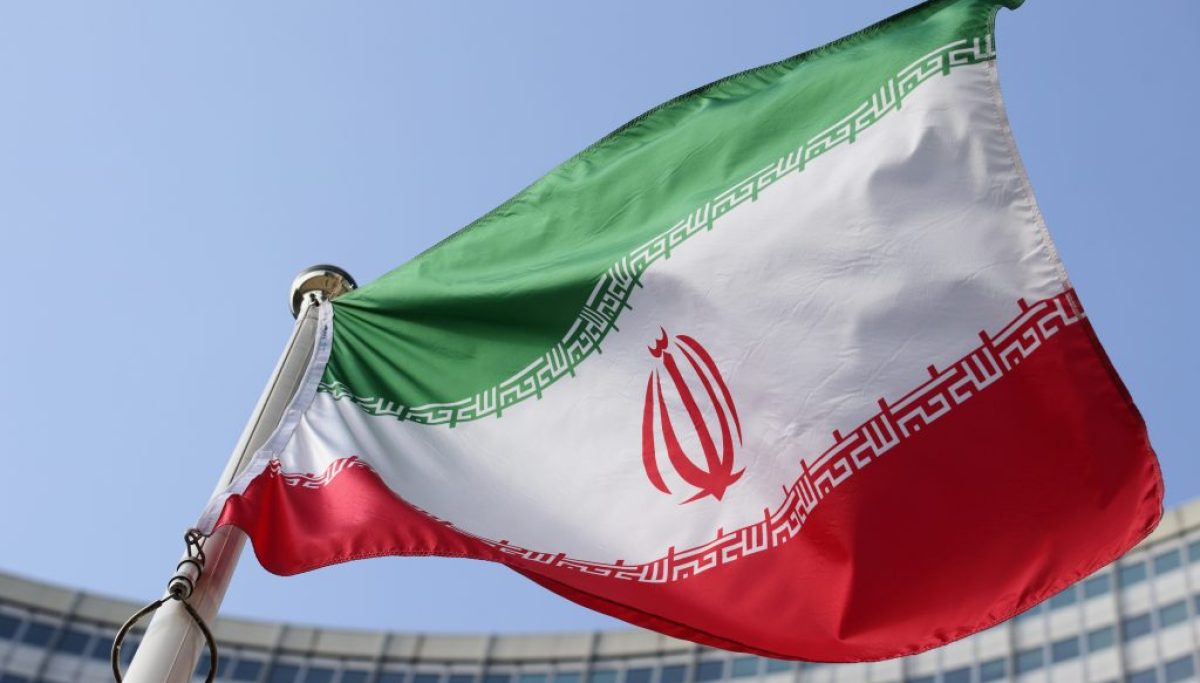
The United States maintains a naval blockade around Iranian ports after repeated ceasefire violations and the collapse of talks in Islamabad. President Donald Trump has delayed further action to strike at the right moment. If lasting results matter more than another temporary pause that lets Tehran recover and adapt, Washington must stop managing the symptoms of Iranian aggression and instead dismantle the foundations that sustain the regime’s power.For decades, American policy has favored calibrated pressure over decisive action. Successive rounds of limited strikes, sanctions, and negotiations bought the regime time to rebuild its military capabilities and expand its nuclear program, thanks to Chinese oil purchases and other workarounds. Every diplomatic breathing space became an opportunity for recovery. The regime uses negotiations as a strategic cover while framing defiance as proof of messianic strength at home.The International Atomic Energy Agency has confirmed that Iran possesses almost 1,000 pounds of uranium enriched to 60% purity. Once further refined, that stockpile would be sufficient for roughly 10 nuclear weapons. Tehran no longer views this capability chiefly as bargaining leverage. It treats the material as regime insurance against “existential threats.”
To end the Iran threat, America must dismantle the regime’s foundations
The cycle of calibrated escalation followed by Iranian adaptation has not produced deterrence. Instead, it has strengthened resistance.
649 words~3 min read