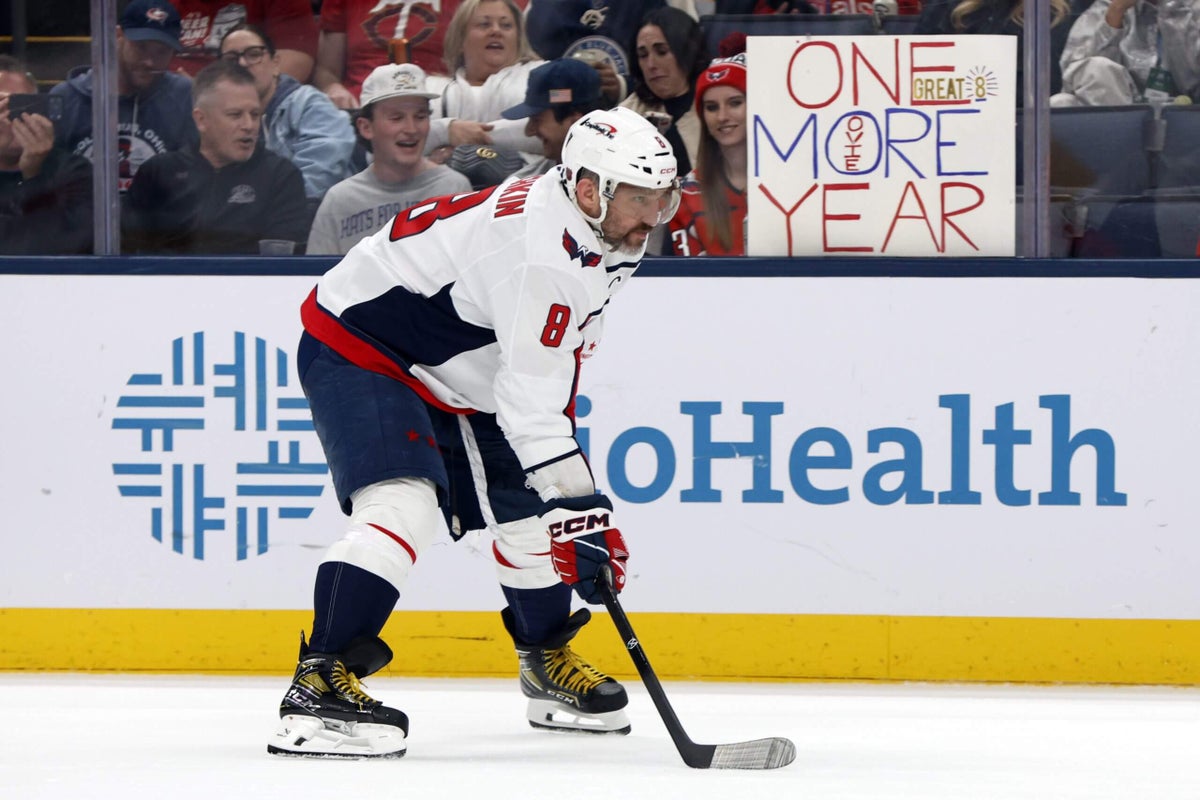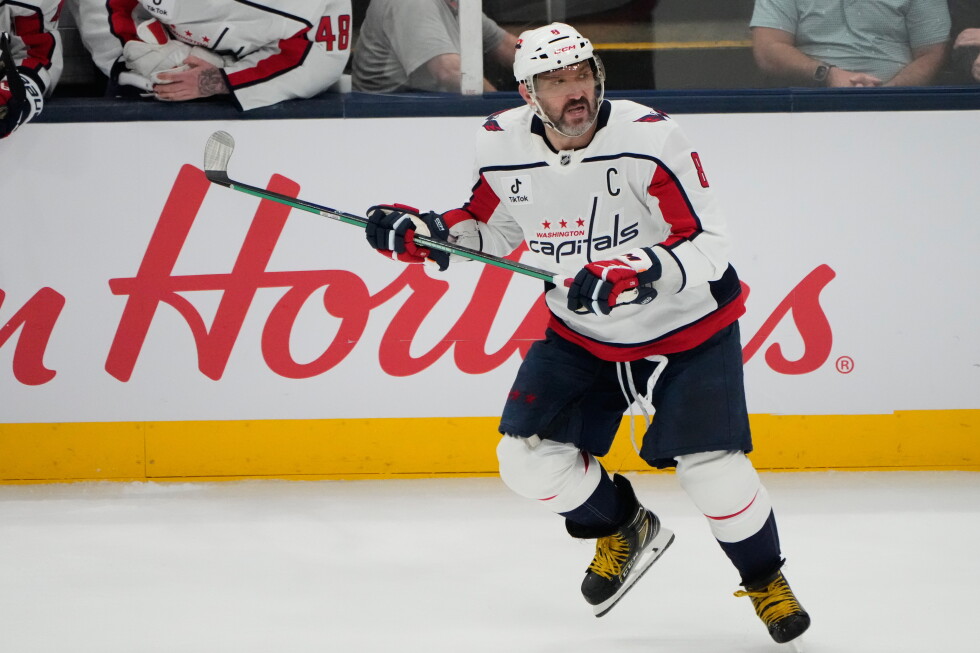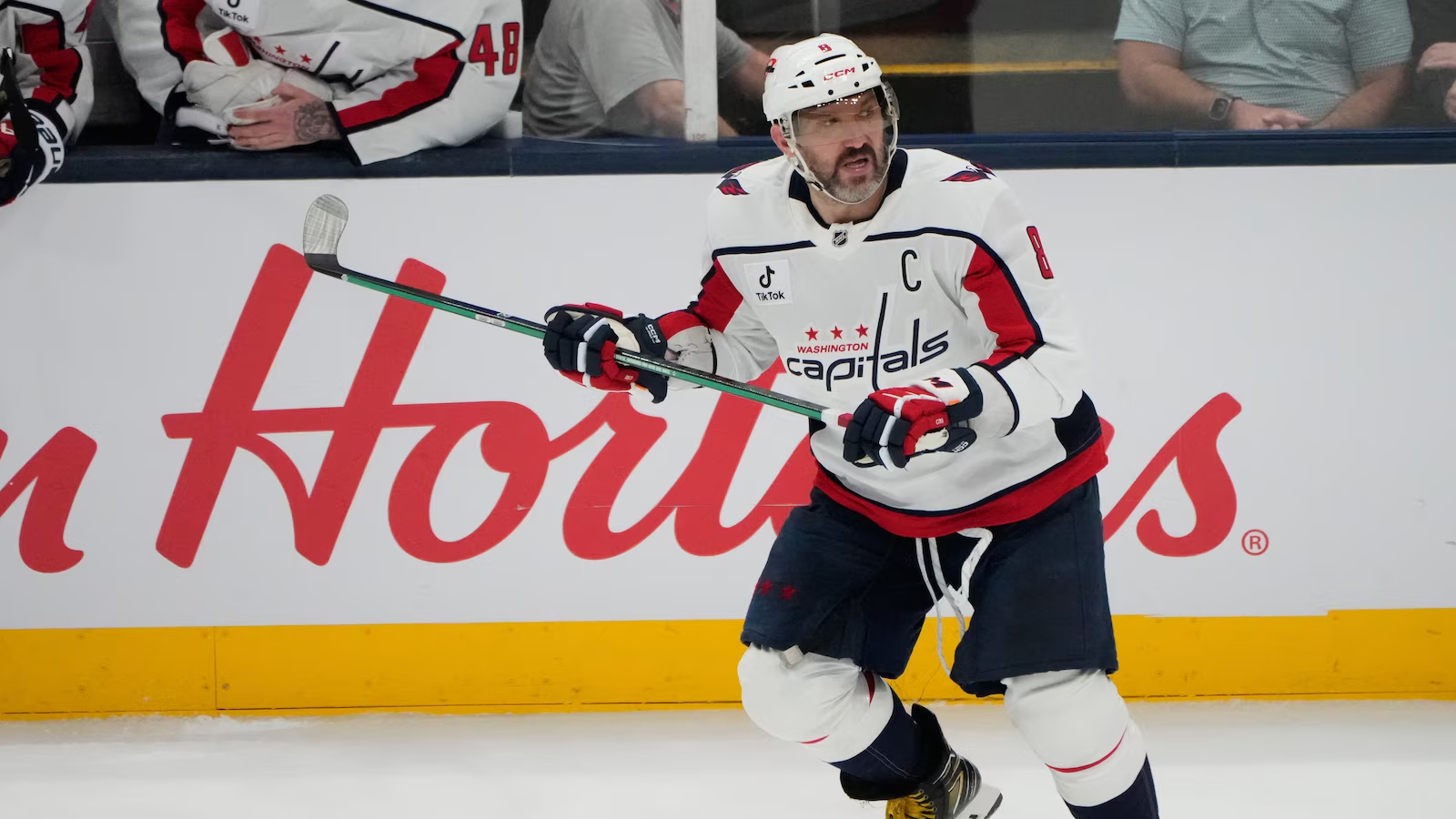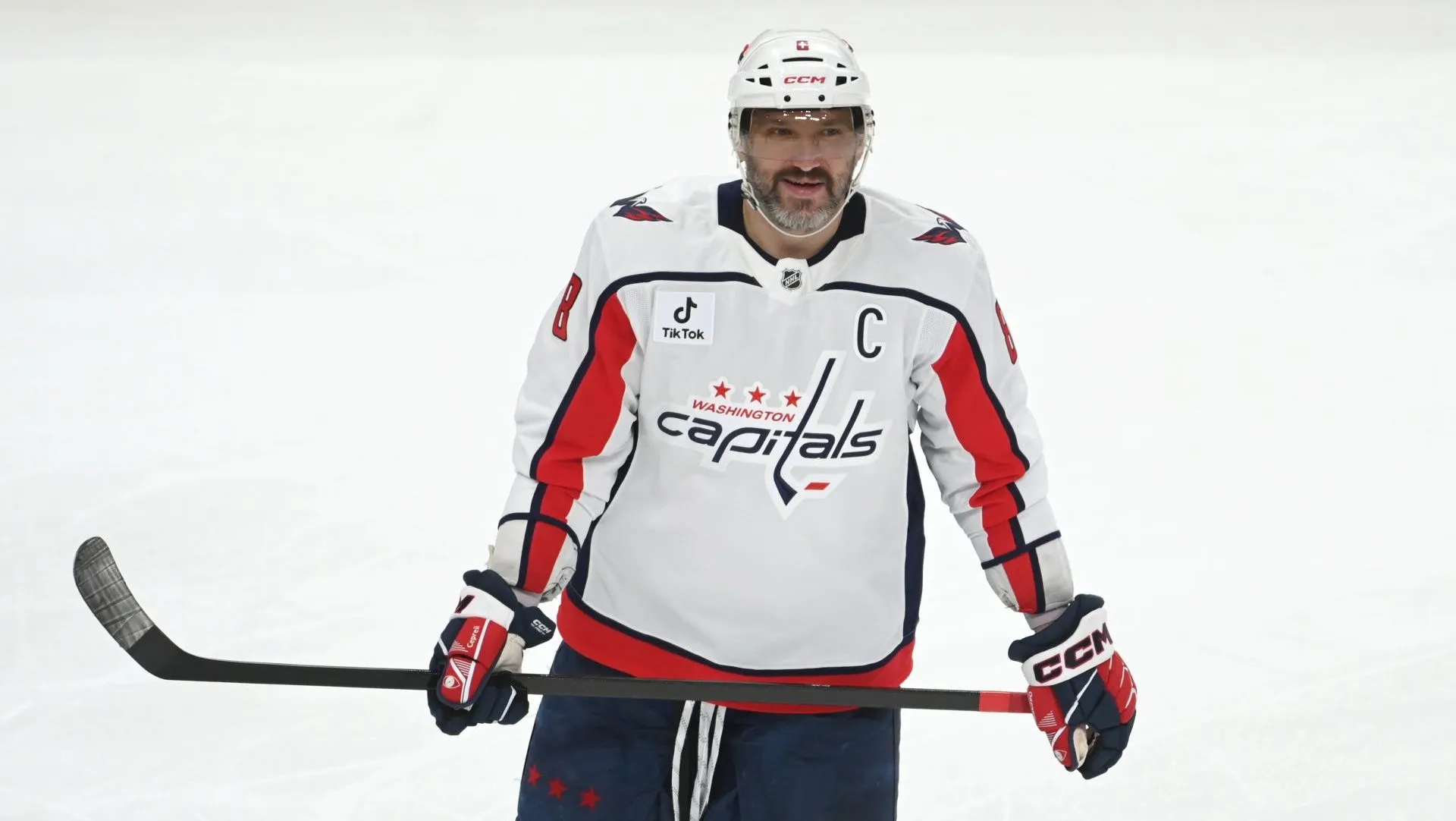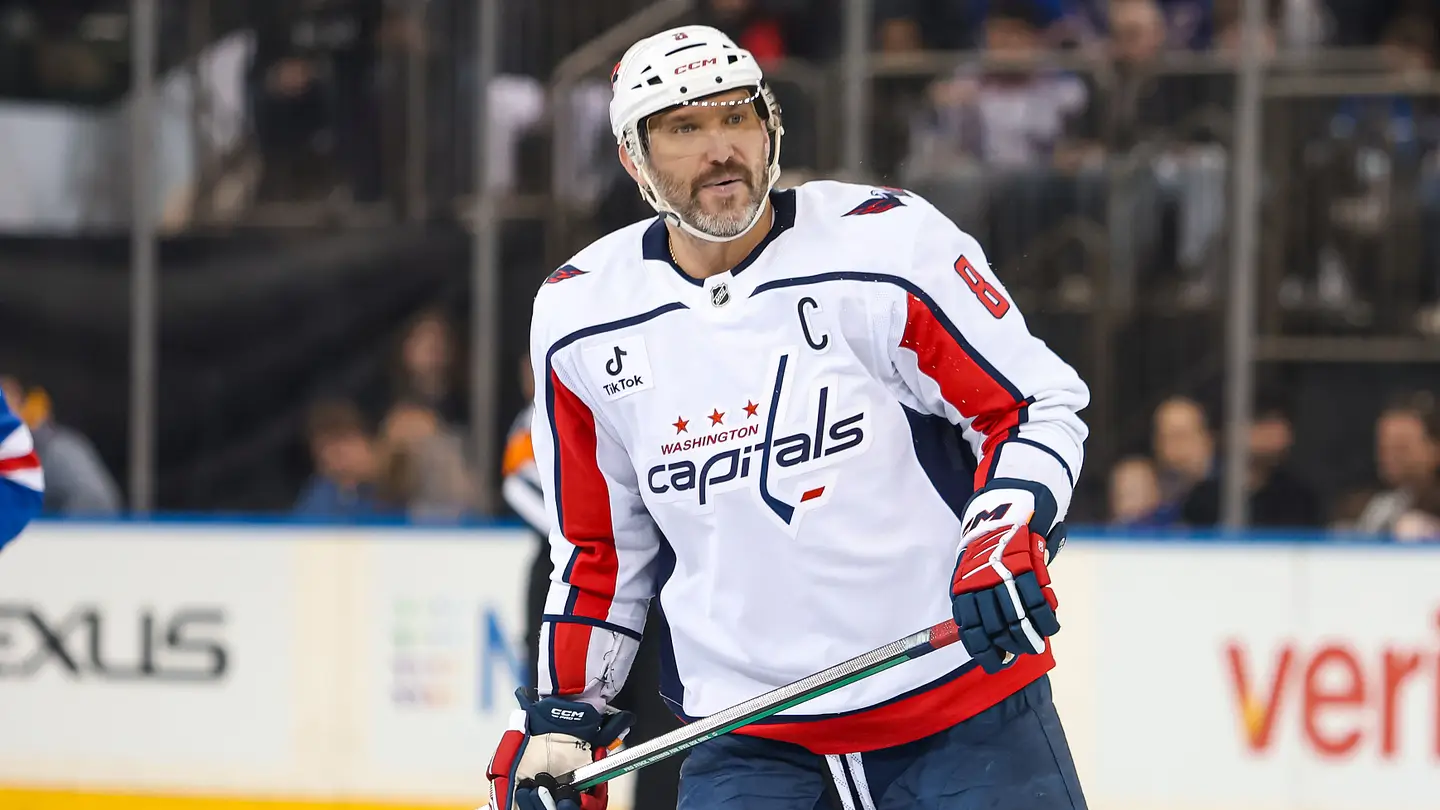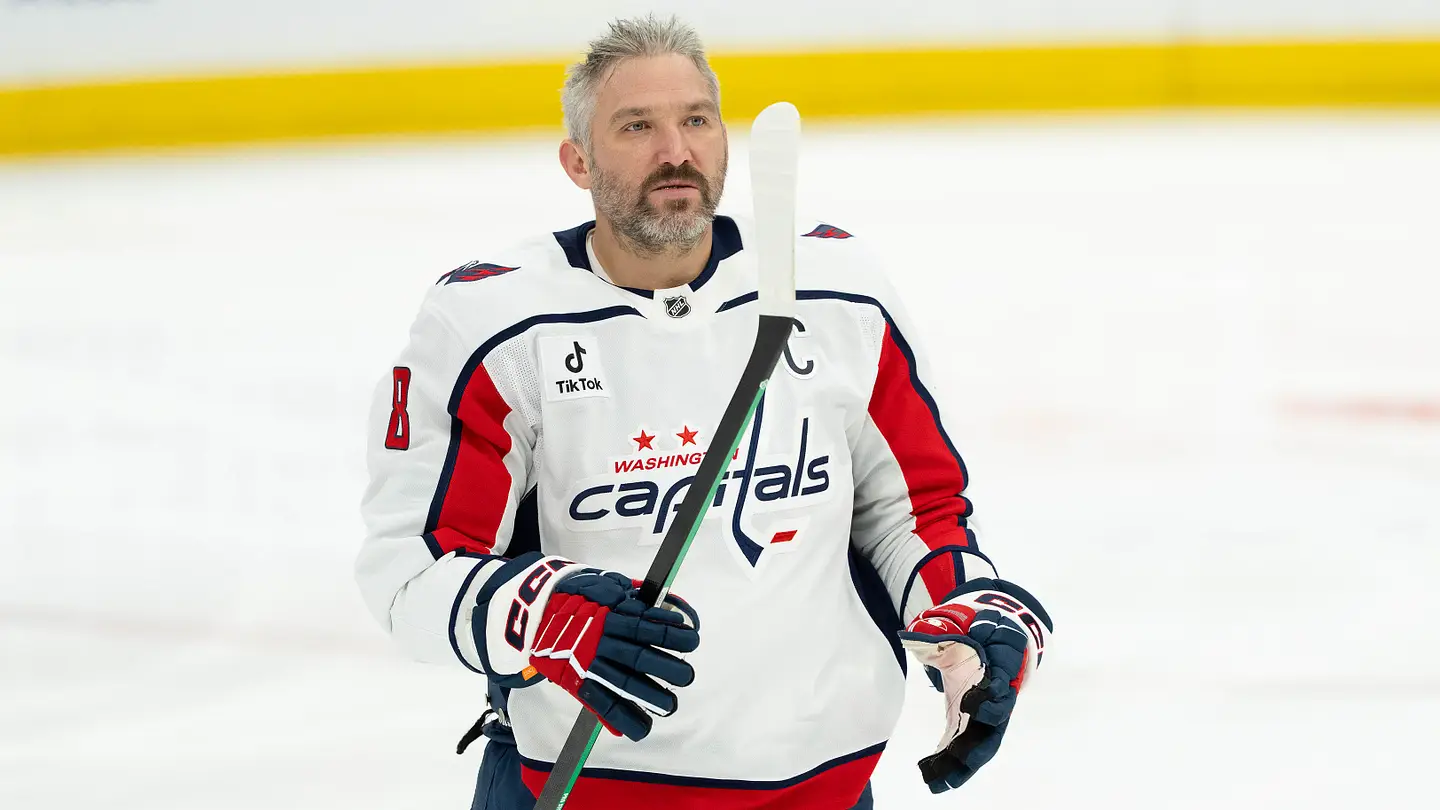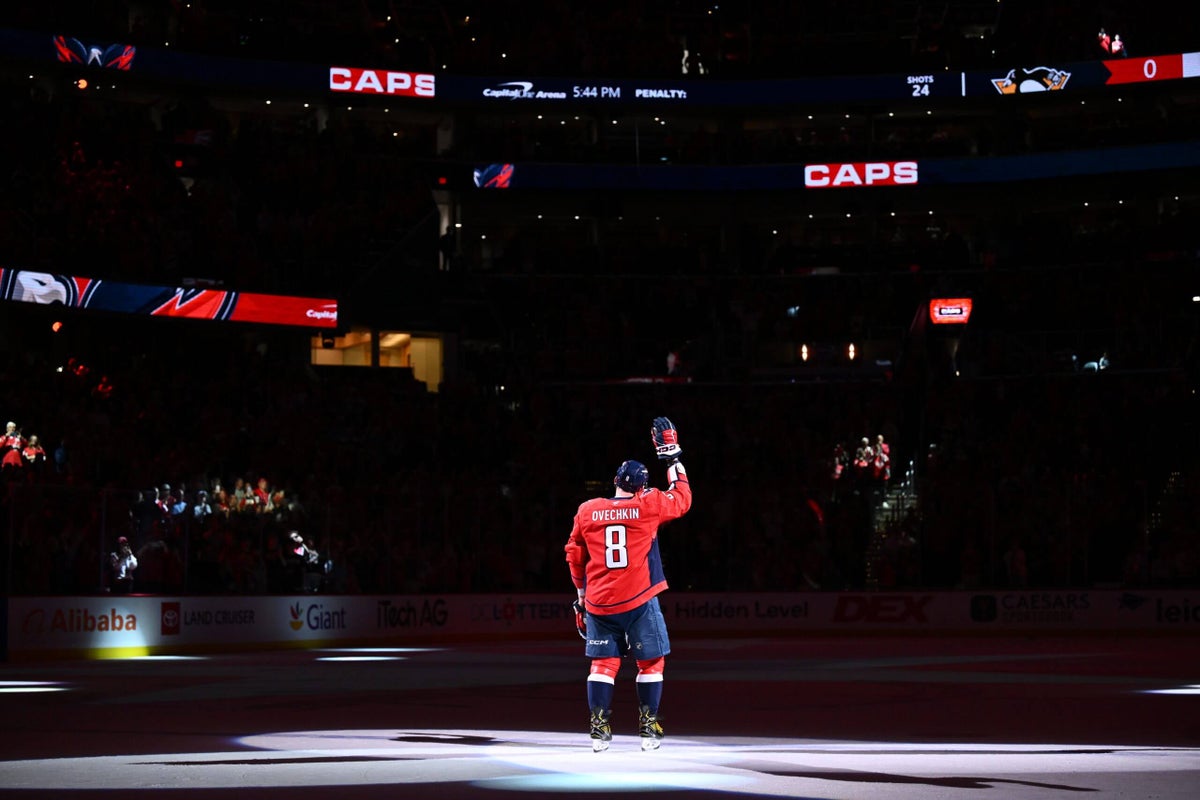
No one would dispute that Alex Ovechkin has earned the right to decide whether he plays a 22nd season with the Washington Capitals at the creaky old age of 41. He is the greatest goal scorer in the history of the sport. He is the most transformative figure in Capitals lore. He very well could be the most important athlete in Washington history. Debate away.But as the NHL moves to the meat of the conference finals and the Capitals trudge further away from a disappointing season in which they finished three points out of a playoff spot, the entire franchise feels on pause, almost crippled by a binary question: Will Ovi play one more year?“My thing with him is: ‘You need to be selfish in that you’re Alex Ovechkin,’” Capitals owner Ted Leonsis said last week. “‘Can you come back and help us be a playoff team again? … I can’t speak for how you feel physically.’ So that has to come into the equation, because if he got hurt, that would not be a good way to have a happy ending.”Which is all anyone wants for the NHL’s all-time leading goal scorer: A happy ending.How to get there? Let’s dig into the arguments on both sides, because this is far from straightforward.The case for one more yearLet’s be clear: No one is talking about a two-year deal. This would be for 2026-27 — and Ovechkin would have to deal with the inevitable tributes from every other franchise along the way.This argument is pretty simple: Even at 40, Ovechkin led the Capitals in goals (32), even-strength goals (27) and points (64) while playing in all 82 games. He’s not the same player he was 10 or 15 years ago, understandably. None of us remain at our peak for eternity. But the numbers would seem to indicate that he could be an effective player for another season — even if his birthday in September will push him to 41.(Most goals scored by a player in his age 41 season or older: 31 by 41-year-old Gordie Howe in 1969-70. Players age 41 or older have produced just six 20-goal seasons. Should Ovechkin match his production from 2025-26, he’d be breaking new ground — which is what he has done his entire career.)But another motivation to come back has nothing to do with individual numbers.“What I admire about him was he was really, really upset that we didn’t make the playoffs,” said Leonsis, who spent significant time with Ovechkin over the final weeks of the season. “And then when Pittsburgh made the playoffs, it was like, ‘Hey, what happened?’”Multiple people inside the organization said Ovechkin’s discussions with team leaders — including President of Hockey Operations Brian MacLellan, General Manager Chris Patrick and Leonsis — have been littered with questions about what the roster might look like and how they hope to fill holes in the lineup.“He’s met with Chris; he’s met with Mac,” Leonsis said. “He’s asked: ‘How can we have a great team? What do we need to do? What are we gonna do in the draft? What are we going to do with trades? What are we doing in free agency?’ I think that’s all gonna come as part of his mix. He’s being very thoughtful.”Ovechkin also gained energy from playing with youngsters Ilya Protas and Cole Hutson late in the season. The center and defenseman — who will both be 20 at the start of next season — figure to play prominent roles on a team that wants to get younger and faster.So there you have it, the case for one more year: He still puts the puck in the back of the net, he doesn’t want to go out without one last playoff push and there are some young pieces around him who might put passes right on his tape.The case to call it a careerStart with the power play. For two decades, Ovechkin drove it to success. For most of last season, it stunk. In 2025-26, the Caps scored with the man advantage just 17.8 percent of the time, 25th in the league. The only other time in Ovechkin’s 21 seasons the Caps ranked as low was in his rookie season of 2005-06, when they were 26th.Before you can say, “Well, we know Ovi’s not the problem on the power play, because nobody has ever scored more power-play goals,” rewatch the film. One of the reasons Washington’s power play struggled is because Ovechkin stands at the blue line on the left wing and isn’t involved in entering the puck into the zone. It essentially creates a 4-on-4 situation and makes gaining the zone more difficult than it needs to be. Over the previous 20 seasons, Ovi averaged more than 16 power play goals a year. Last year: a career-low five.There are some other limitations an aging Ovechkin brings to the lineup. Coach Spencer Carbery is so reluctant to use Ovechkin’s line on faceoffs in the defensive zone that he didn’t do it — even once — until the 73rd game of the season, by which time it had become a bit of a storyline. Again, not a huge deal, but there is an undeniable trickledown to Carbery’s decision-making with the rest of the lineup, and who he’s able to send over the boards when.It’s worth repeating that no one would expect Ovechkin’s overall game to be what it was at age 25 when he’s 40. So at the season-ending news conference with MacLellan and Patrick, I asked how they would evaluate Ovechkin’s play as a whole. MacLellan jumped in.“I think his presence is huge, and I think when he decides to leave, it’s going to be a big hole,” MacLellan said. “Personality-wise, leadership-wise, you see him bring it to the team plane, to the team bus, to the dressing room, to pregame warmup. He’s got a big presence, and I think that’s the main contributing factor for him now.”MacLellan is nothing if not a professional. Nicely sidestepped, sir.Look, this is all delicate. There are strengths and weaknesses to any player’s game, whether they’re 15 or 41. Ovechkin — and Ovechkin only — needs to assess his own game and his own body and decide, “Can I give it one more shot?”The timeline for a decision, it appears, won’t be before the NHL Draft (June 26-27) or the start of free agency on July 1. But that doesn’t necessarily mean Ovechkin is preventing the Caps from executing an offseason plan. Leonsis said the front office has contingency plans for how to proceed with Ovechkin and without him.The good news: according to Spotrac, the Caps have $36 million in salary cap space. There’s an internal expectation that Ovechkin won’t demand a prohibitive number — likely something below, perhaps well below, the $9.5 million he made in the final year of his last contract. Even if he returns — say at $6 million or thereabouts — MacLellan and Patrick should be able to spend real money on talent that would upgrade a core in which they believe. Carbery, in turn, should be able to limit Ovechkin’s minutes and use him in ways that would help a team with aspirations.So hold tight. This isn’t a MacLellan or Patrick decision. It isn’t even a Leonsis decision. It’s an Alexander Mikhaylovich Ovechkin decision.“He’s got a lot to think about,” Leonsis said. “I’m not putting pressure on him either way. My advice to him is, ‘I know you won’t come back if you’re not 110 percent committed to the team and the fans and winning. And I can’t adjudicate that. You have to do that.’”
Why Alex Ovechkin might actually return for one more season (and why he might not)
Ovechkin has earned the right to call his own shot, and so the Capitals wait, unsure if their greatest player will play on.
1,270 words~6 min read