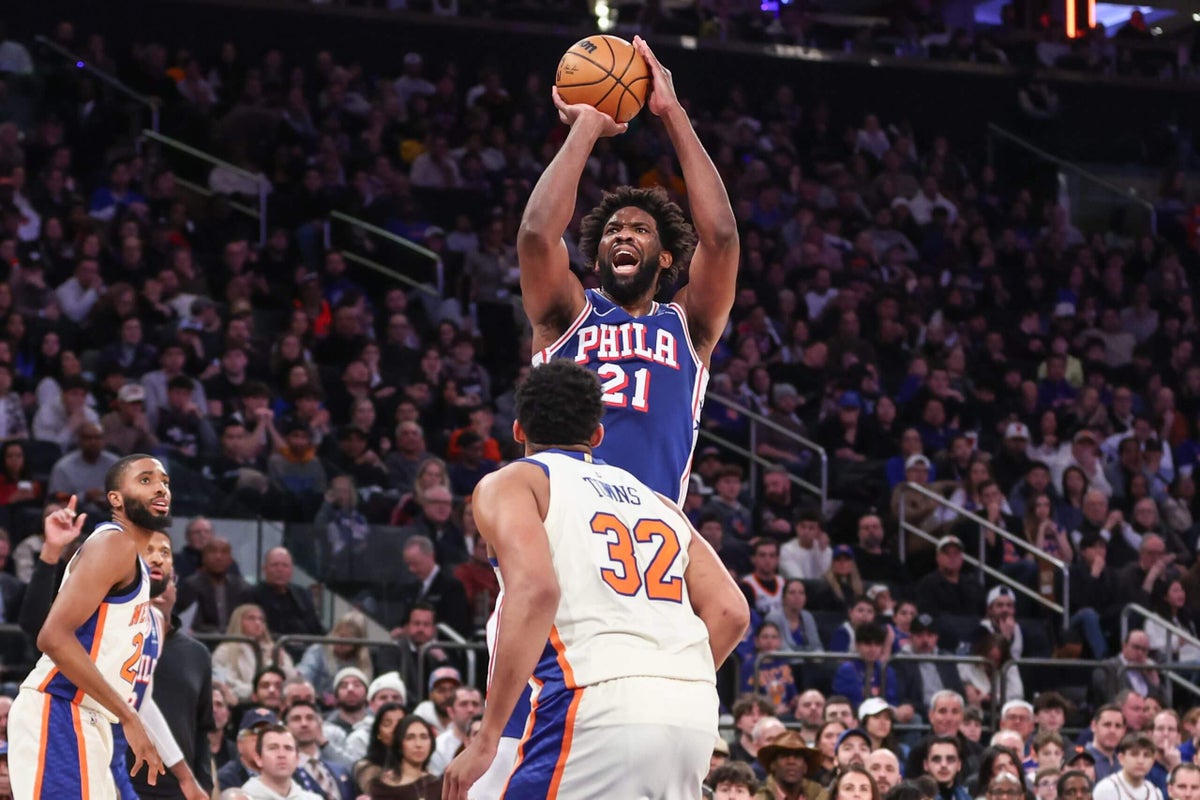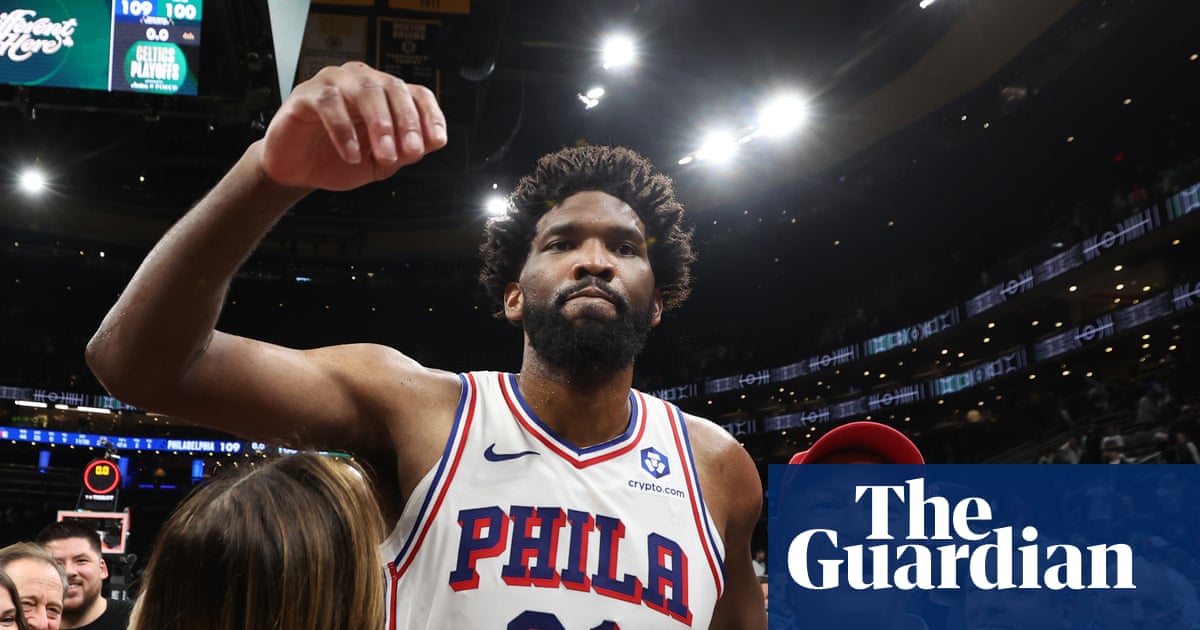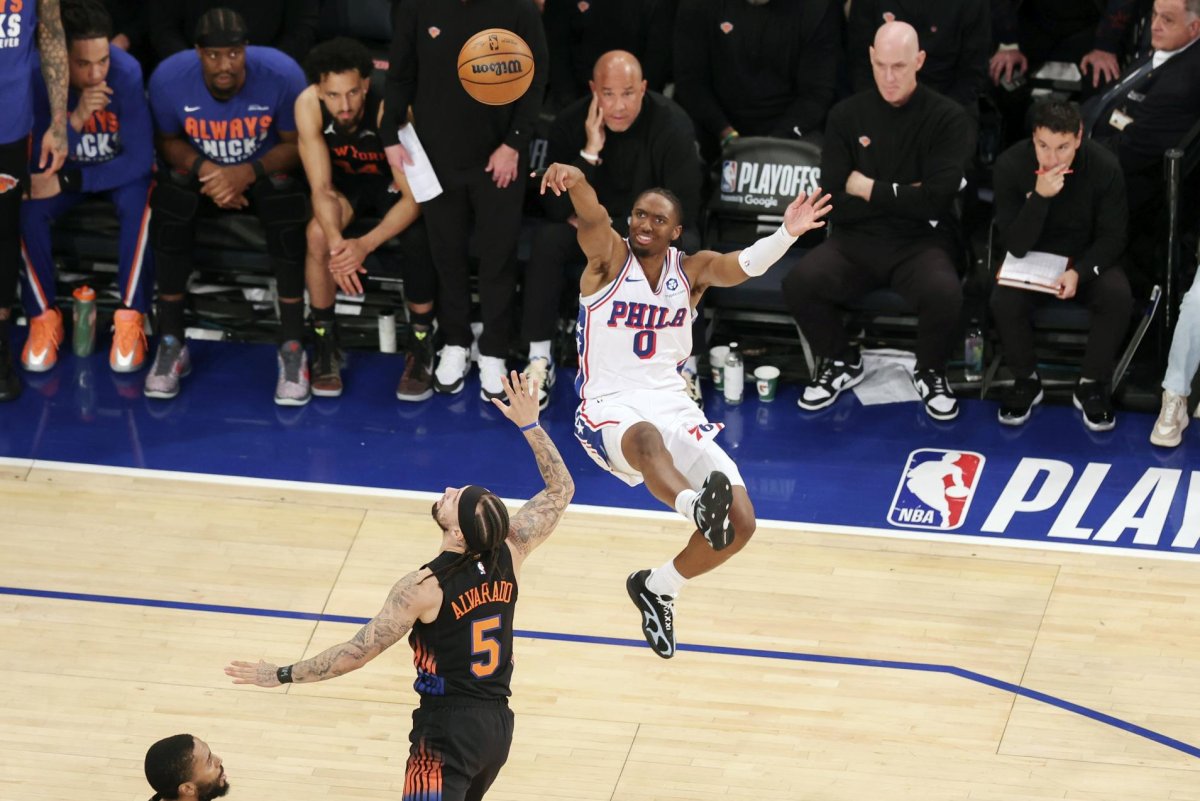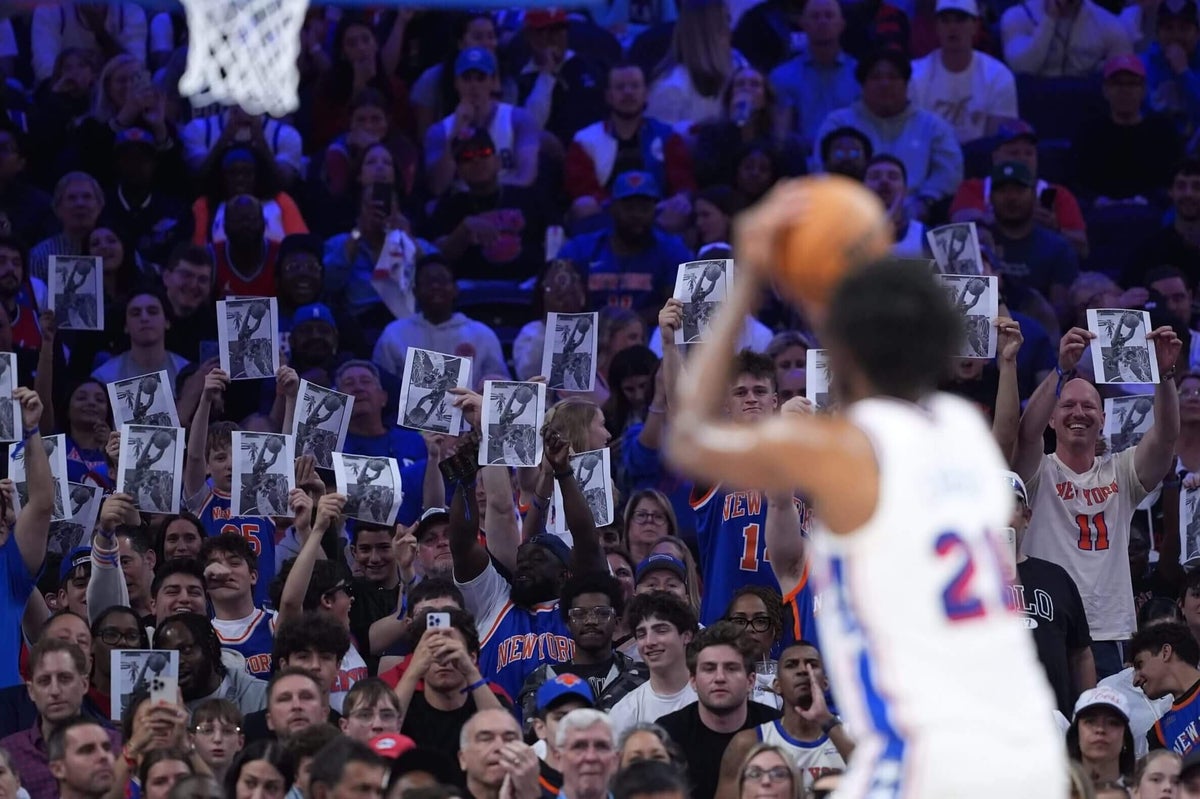
In the NBA playoffs, protecting home court extends from the hardwood to the box office.After Joel Embiid’s Philadelphia 76ers rallied from a 3-1 series deficit in the first round, the 2023 NBA MVP had one request as his team prepared to face the New York Knicks.“I just have a message for our fans,” Embiid said after the Sixers won Game 7 in Boston to eliminate the Celtics. “Last time we played the Knicks, it felt like this was Madison Square Garden East (sic). We’re going to need the support.“Don’t sell your tickets. This is bigger than you. We need you guys.”He even offered to help fans who might need to sell their tickets because of financial need.“If you need money,” Embiid joked, “I got you.”While some people laughed at the request, it wasn’t an unreasonable ask. Embiid only said what others were thinking: You want to see us win? Show up and help us out in the best way you can.Historically, in every sport, the advantage of being at home is something every team has worked to have. But that advantage has dissolved in some arenas thanks to the booming resale market and some pettiness. Playing in front of your fans is crucial and emotional. Players also say fans can put pressure on officials and opponents. It’s not the kind of strategy a coach can scheme for, but it is sort of a psychological advantage. It adds some gravity to the arguments of fans who use “we” when discussing their favorite team.“Every little run, the crowd gets hyped. You get hyped with the crowd,” the Indiana Pacers’ Aaron Nesmith said during the 2025 NBA Finals. “You feed off the energy. Makes it tough for them. They got to fight against 20,000 people in here.”If a series has a Game 7, every player wants that shot to win it all at home, a shot Nesmith and his Pacers did not have in 2025. After losing Tyrese Haliburton to an Achilles tear in the first quarter, the Pacers lost Game 7 on the road to the Oklahoma City Thunder. Of the 78 teams with home court advantage in the NBA Finals (excluding the Orlando bubble in 2020), 57 have gone on to win the championship. Players are well aware of the palpable edge they have with a friendly home crowd.In this year’s Eastern Conference finals, the Knicks will play the Cavaliers in Cleveland for Games 3 and 4. And once again, the home team is doing all it can to keep opposing fans away.The day after the Knicks’ epic comeback in Game 1 in New York, Cavs season ticket holders received an email stating “ticket access for games at Rocket Arena will be limited to fans with billing addresses in select areas of Ohio, Pennsylvania and New York.” This was just days after Cavs owner Dan Gilbert bused fans to Detroit for Game 7 … and Cleveland beat the Pistons.Embiid’s Sixers also used geographical restrictions to help ensure the crowd was on their side. In an attempt to help maintain home-court advantage, the Sixers restricted ticket sales for Games 3 and 4 of their semifinal series at Xfinity Mobile Arena by ZIP code — a practice known as geofencing. The Sixers also went so far as to donate 500 tickets and buy some themselves to keep New York fans out.But it didn’t work. In fact, it backfired horribly. According to one report, one Knicks fan in the Philadelphia area spent more than $18,000 to help Knicks fans circumvent the ZIP code restrictions.Game 3 in Philly sounded as if the crowd was mostly split, but Game 4 looked and sounded like a Knicks home game. As New York built its lead, one couldn’t help but notice the crowd noise for the team in blue and orange. And they were loud.As the Knicks continued to step on the gas, hitting a record number of 3-pointers, the New York crowd got louder and louder. It was the nightmare Embiid had warned against. Knicks fans took the idea of being blocked from seeing their beloved team as a challenge.New York won both the games and the attendance battle. After they had secured the 144-114 win and the sweep, Knicks supporters could be seen taking over a concourse in the area during a local news broadcast.
How NBA teams try to keep opposing fans out of their arenas during the playoffs
Keeping opposing fans from invading your arena during the playoffs has become tougher as they have found different ways around restrictions.
1,635 words~7 min read