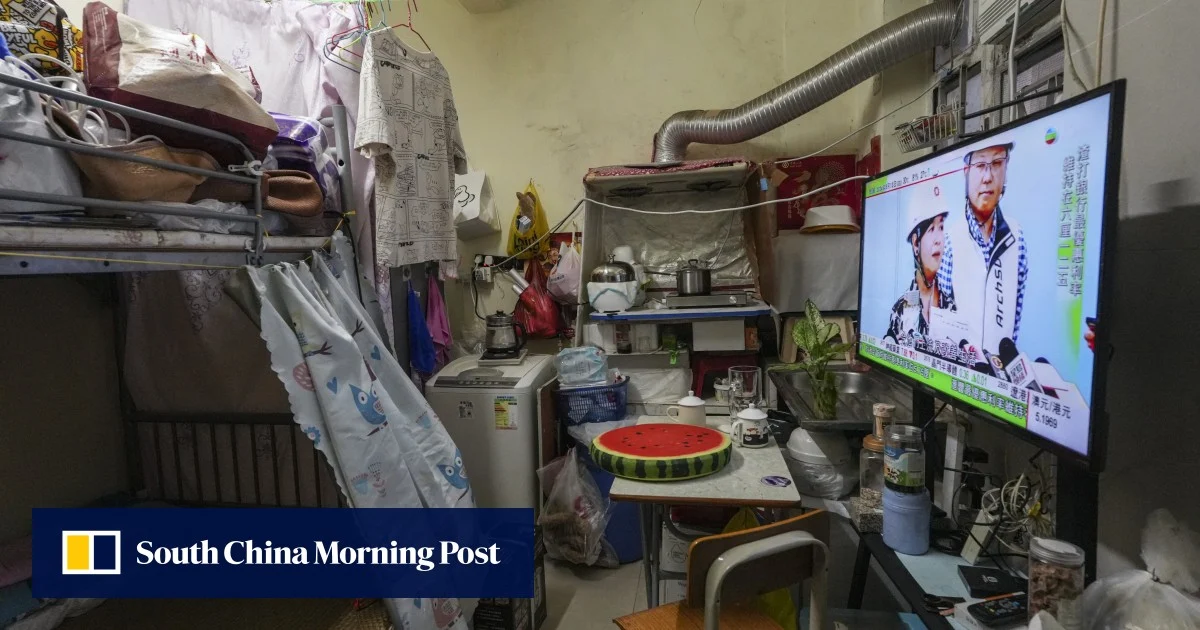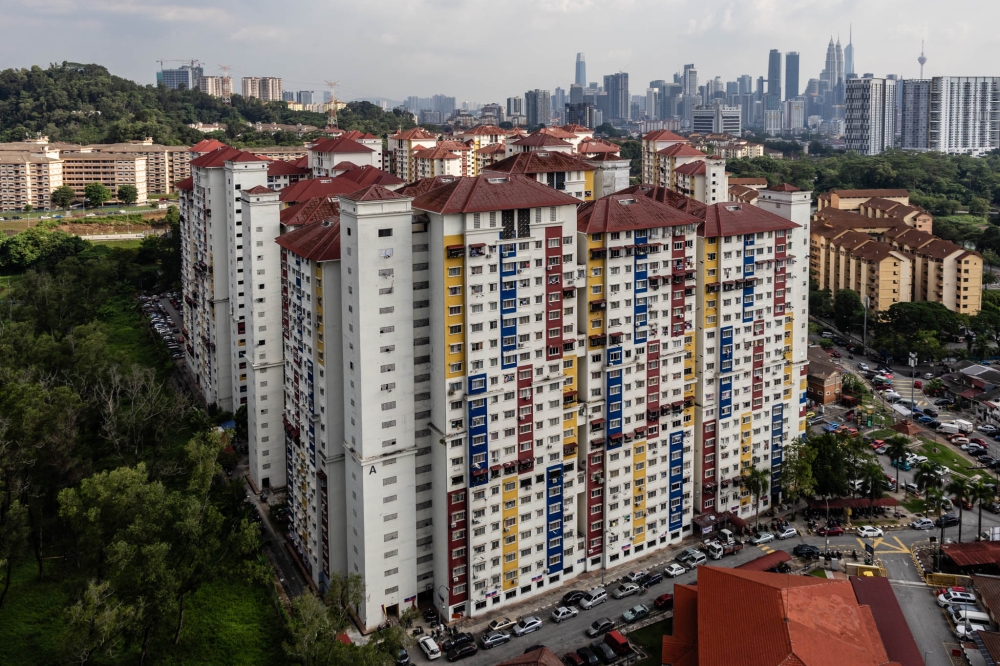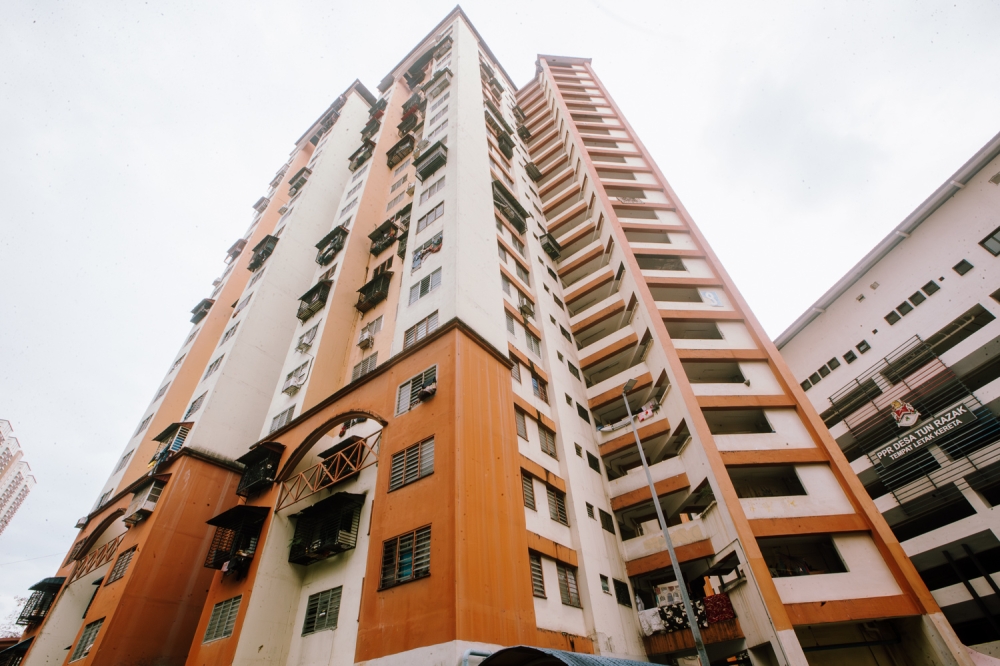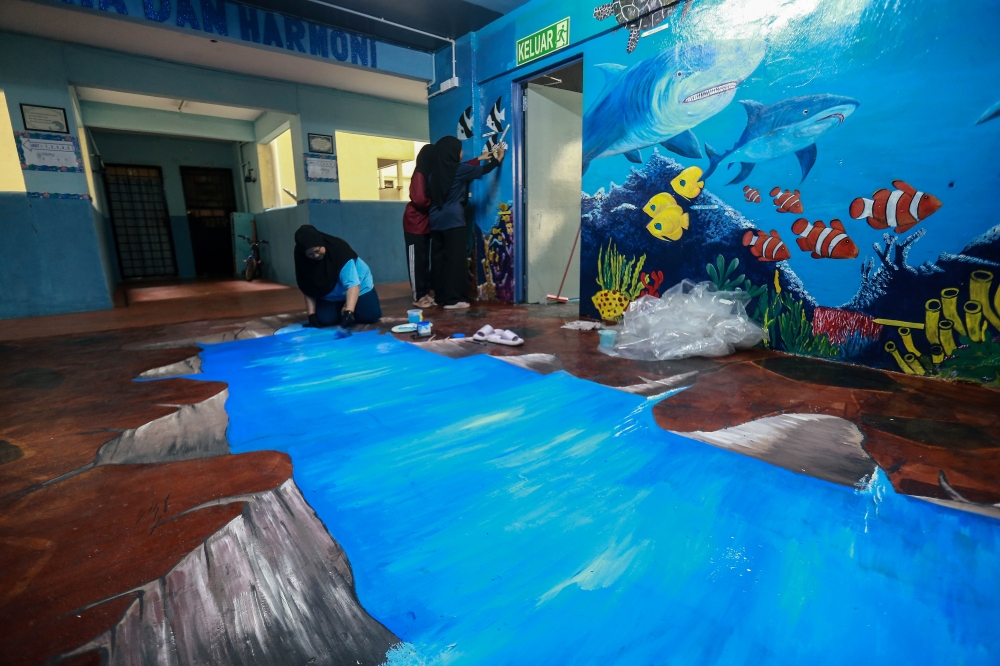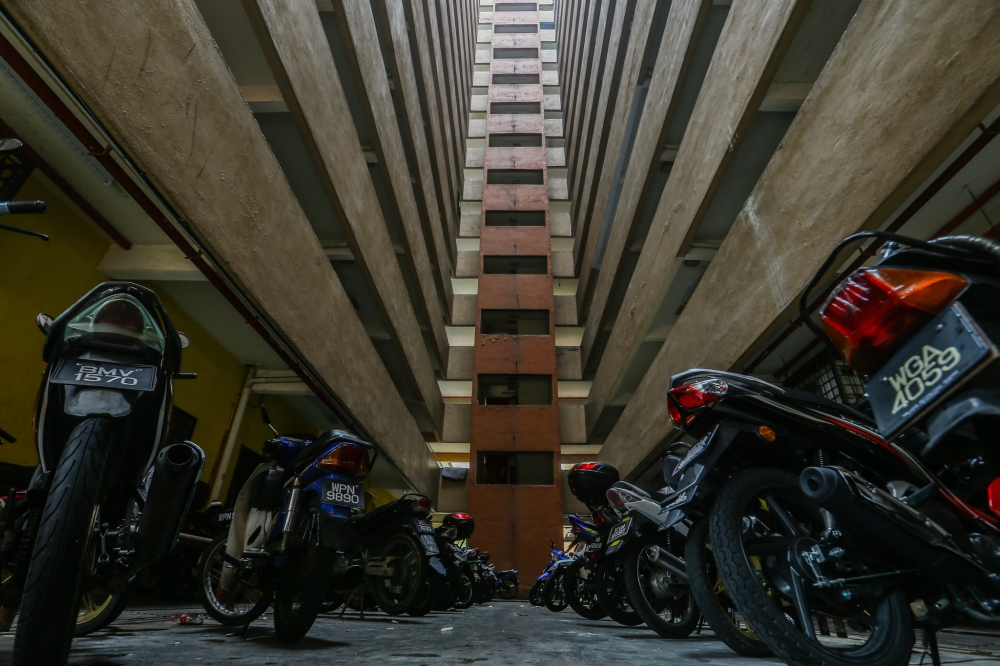
The house sizes in the PPRs surveyed ranged from 400 to 650 square feet per unit with only one or two bedrooms — despite the Construction Industry Development Board (CIDB) recommending a minimum of 678 square feet per unit with at least three bedrooms. — File picture by Hari Anggara (New users only) It's tax relief season! Get up to RM300 when you save with Versa! Plus, enjoy an additional FREE RM10 when you sign up using code VERSAMM10 with a min. cash-in of RM100 today. T&Cs apply. By Dhesegaan Bala Krishnan Friday, 22 May 2026 1:00 PM MYT KUALA LUMPUR, May 22 — A majority of residents living in public housing continue to struggle with mental health issues more than three years after the Covid-19 pandemic subsided, according to a recent report by Think City.Three out of four residents surveyed across 10 People’s Housing Projects (PPRs) in the Klang Valley said their stress levels had either not improved or had worsened since the pandemic.Many respondents also said they had no one to turn to when feeling stressed, despite living in densely populated communities with residents from diverse backgrounds.The report further found that suicide remains a recurring issue in eight out of the 10 PPRs surveyed, with residents attributing it to overcrowding, financial pressures and social isolation.Suicide rates across the surveyed PPRs — estimated at about 20 cases per 100,000 people annually, excluding attempts — were more than three times higher than the national average of about six cases per 100,000 people.“In two out of the 10 sites, suicides occurred at least twice annually, while in the other six sites, residents reported witnessing one to two cases over the past five years,” the report stated.The report, titled From Roof to Resilience, surveyed 2,884 residents across 10 public housing communities in the Klang Valley as part of Think City’s Kita-untuk-Kita (K2K) initiative, funded by the Finance Ministry.Hot, noisy and overcrowded living conditionsThe PPR units surveyed ranged from 400 to 650 square feet and typically had one or two bedrooms, despite the Construction Industry Development Board recommending a minimum size of 678 square feet with at least three bedrooms.While Malaysia’s national average living space stands at 239.9 square feet per person, residents in the surveyed PPRs had only between 125 and 145 square feet per person.With more than five people often living in cramped units, sleepless nights have become common for many families.Nearly 28 per cent of respondents across nine of the 10 PPRs complained that excessive heat and nighttime noise disrupted their sleep.The report also found that female adolescents had fewer opportunities to form supportive friendships because of a lack of safe and inclusive community spaces.“A cognitive mapping exercise with seven to 11-year-old children revealed that girls perceived community spaces such as the playground, futsal court, neighbourhood market and neighbourhood mall as unsafe, and therefore to be avoided.“Parents were reported to discourage their young female children from ‘going downstairs’ to these community spaces for fear of personal safety.“The same exercise undertaken with older teenage children found that boys in public housing had more friends than girls,” the report said.Violent crime in public housing was also found to be more than seven times higher than the national average, ranging from vehicle theft and physical assault to attempted kidnapping.Compared to the national average of about 3.2 reported assault cases per 10,000 people in 2024, the surveyed PPRs recorded 24.6 cases.Residents leading change from withinDespite the challenges, the report stressed that the mental health crisis and prevalence of crime in PPR communities should be viewed as systemic issues rather than isolated personal tragedies.It also highlighted how some residents have begun driving change through community-led initiatives.In PPR Kampung Baru Hicom, a young resident started a door-to-door rubbish collection service by helping neighbours dispose of waste at designated collection points.The initiative later evolved into a youth-led movement called “Geng Suka Bersih”, which now organises cleanliness campaigns throughout the housing complex.Meanwhile, residents of PPR Lembah Subang 1 pooled funds to install CCTV cameras within their block, significantly reducing petty theft and voyeurism incidents.As a result, Think City urged the government to establish a Public Housing Community Development Fund to support grassroots projects, capacity-building efforts and resident-driven programmes.The organisation also proposed matching grants to help public housing communities secure additional resources and sustain long-term local initiatives.
Think City report: Stress, sleepless nights and violent crime still plague Klang Valley PPR residents
KUALA LUMPUR, May 22 — A majority of residents living in public housing continue to struggle with mental health issues more than three years after the Covid-19 pandemic...
718 words~3 min read