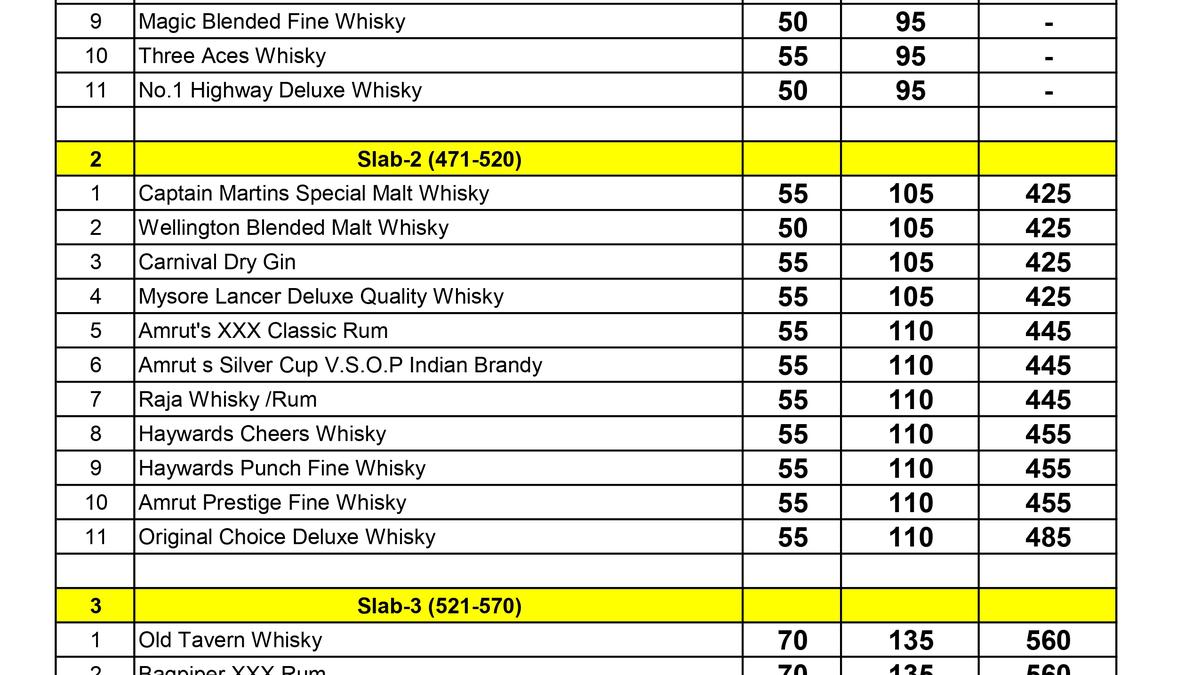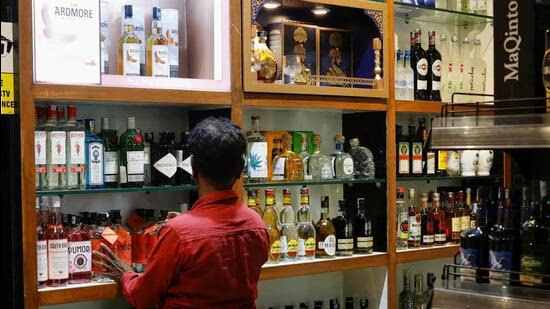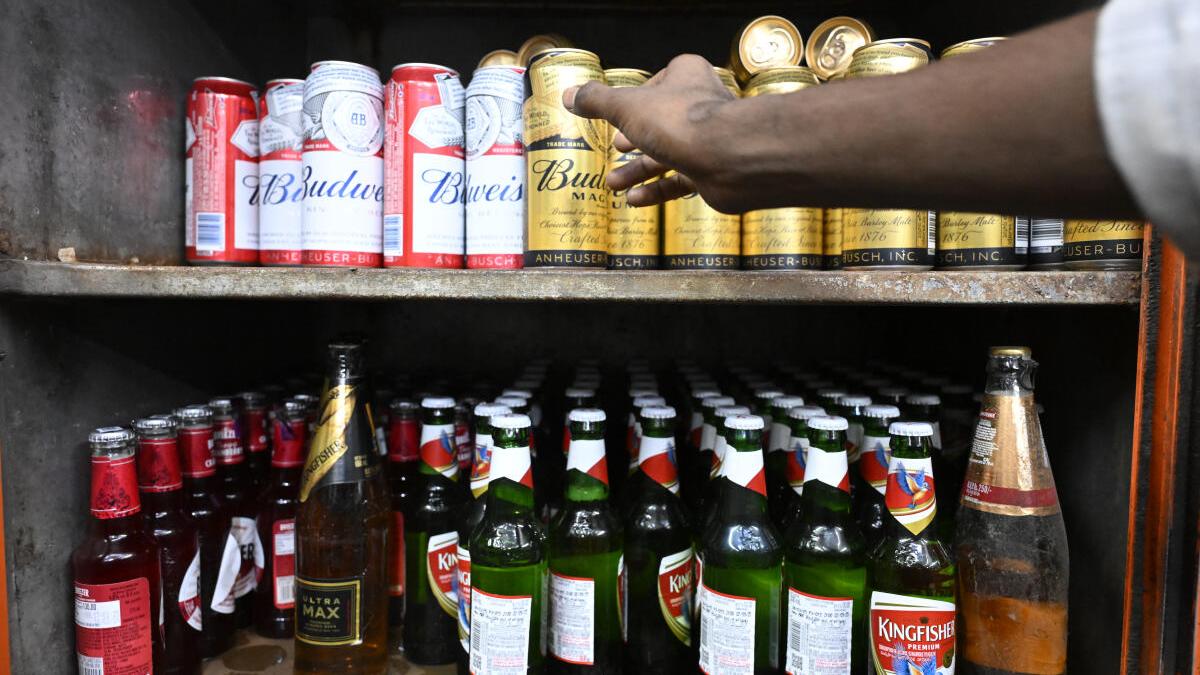
On May 11, the state excise department of Karnataka rolled out a new structure for the excise duty on alcohol. According to this regime, duty will now be levied on the alcohol in beverage (AIB), across all categories of spirit. So, drinks with higher alcohol content will become costlier, in a bid for customers to opt for lower alcohol beverages. Karnataka is the first state in the country to tax on the basis of alcohol content. The structure was announced by Chief Minister Siddaramaiah in the 2026-27 budget. What does this mean for the consumer? We speak to experts to break it down.What is the new tax structure?The social cost of alcohol consumption is the reason behind the new regime. Be it domestic violence or health reasons, the government wants to nudge citizens towards drinks that have lower alcohol content. Vinod Giri, the director general of the Brewers Association of India, says, “The structure has changed on the principle of what the government is calling ‘alcohol-in-beverage’ taxation. All alcoholic products are made of alcohol as well as water. Some have more water, some have less water. If the taxes are based on value or volume, in effect you are taxing the alcohol as well as the water. The global standard in taxation is that the product we tax is the alcohol and not the water.”He further explains the social motives behind it, “There is a WHO advisory, that the taxation on alcohol should be ‘harm proportionate’. Meaning the stronger the drink, the more the tax. The Karnataka government has decided that the tax will be based on the alcohol on the product. The excise duty will be linked to the millilitres of alcohol in the product.”
Karnataka revises liquor prices. What does it mean and will your beer get cheaper?
As the state rolls out a new excise duty structure for alcohol, we break down what it means, and speak to bar owners and brands about how it will affect prices in Bengaluru
891 words~4 min read