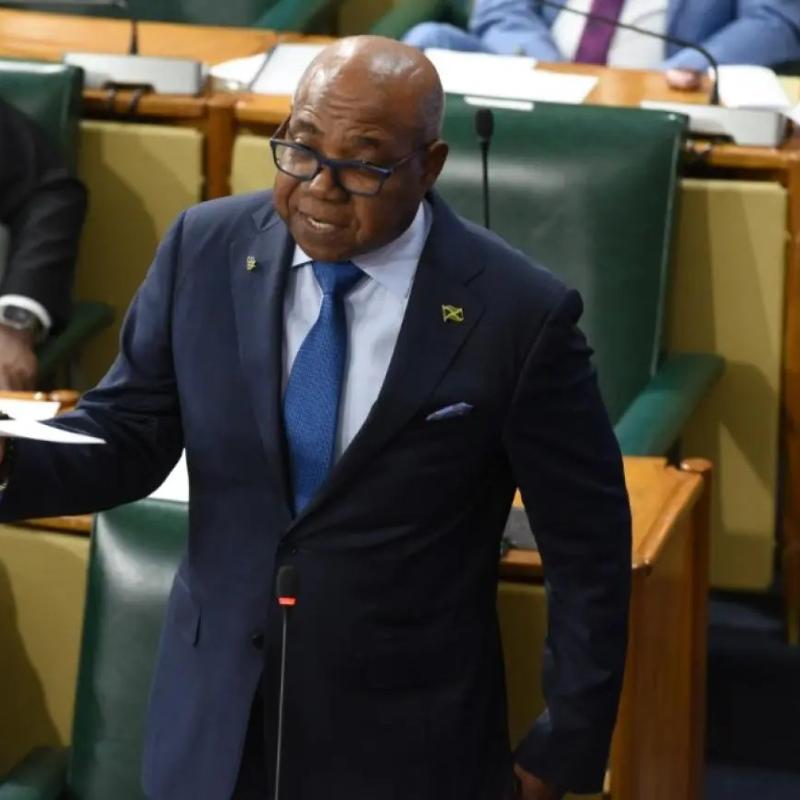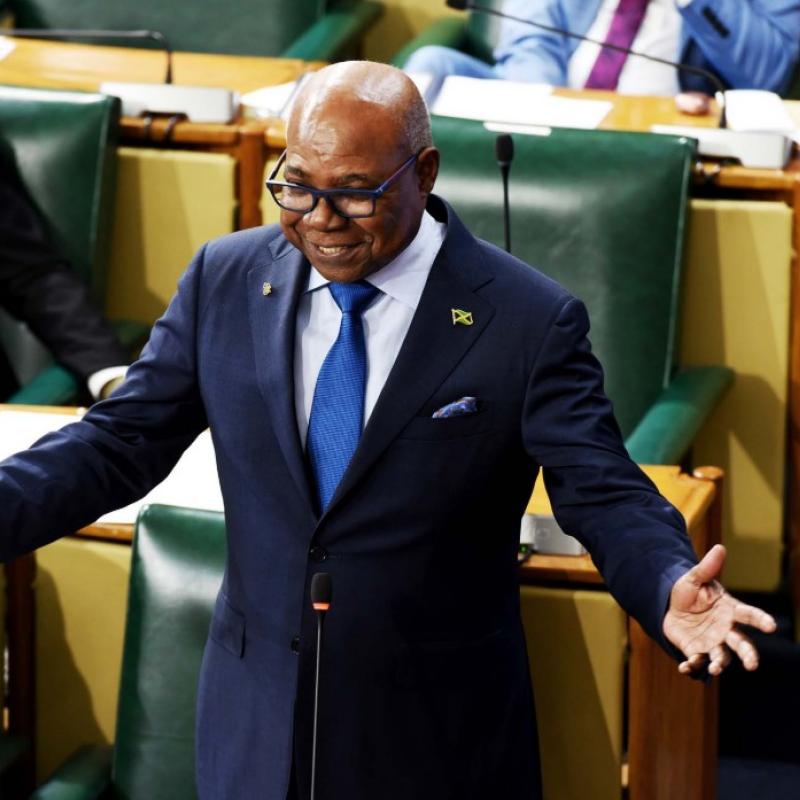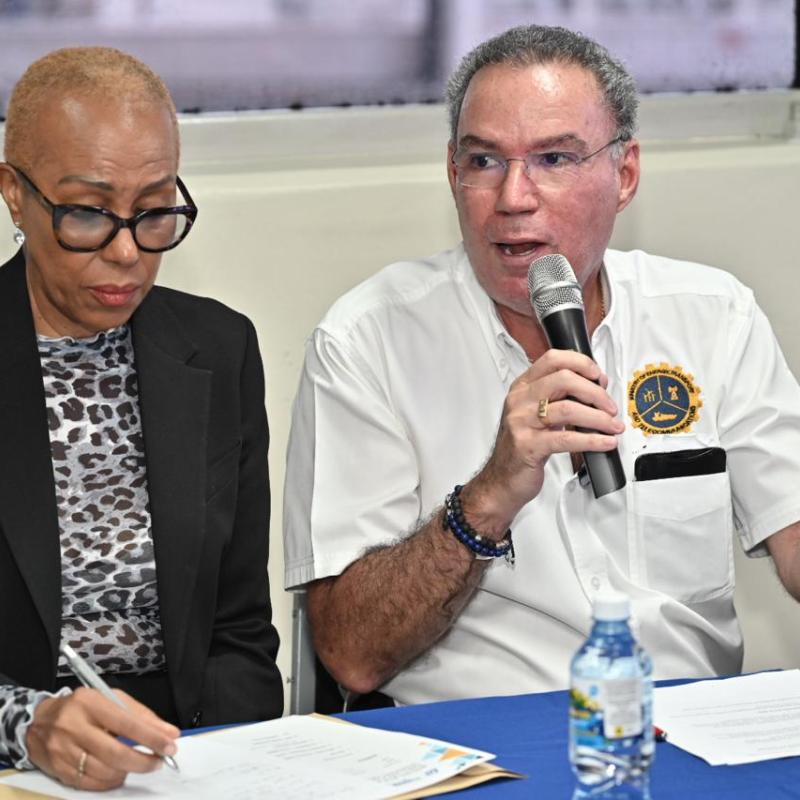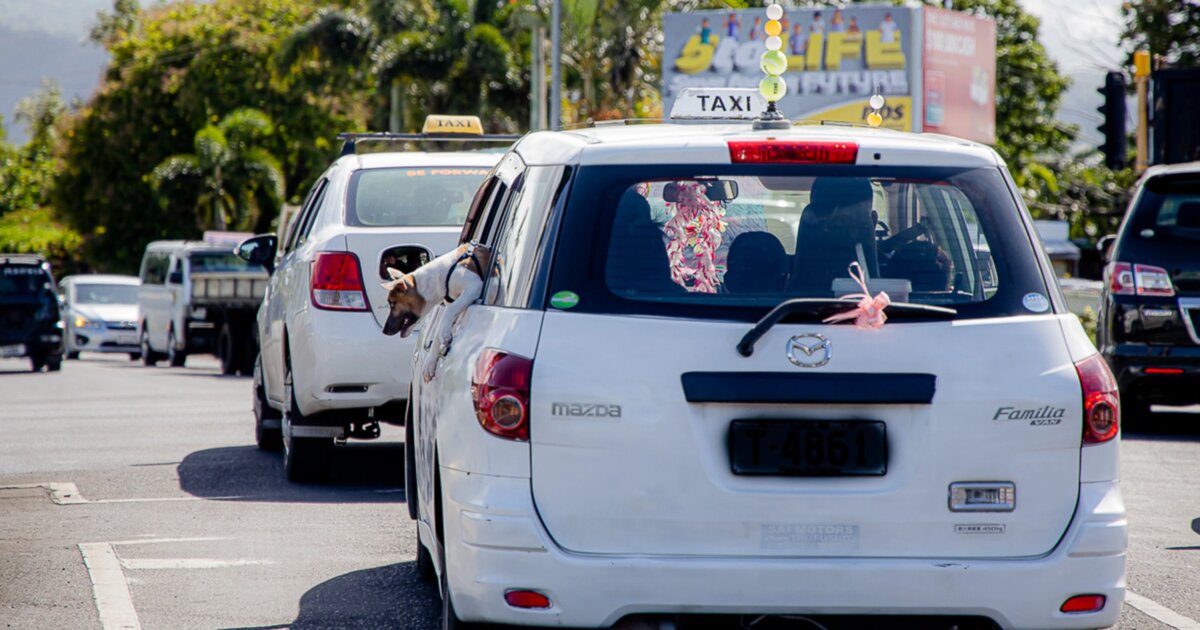
WESTERN BUREAU:Transport operators in the tourism sector are complaining that mounting debt, prolonged hotel closures, and growing competition from ride-sharing companies are pushing thousands of contract carriage drivers towards economic collapse in the aftermath of Hurricane Melissa.The operators, who have formally written to the Tourism Enhancement Fund (TEF) seeking emergency assistance, say approximately 5,000 drivers across the tourism transportation sector have been affected by the severe downturn in visitor movement since the hurricane devastated sections of Jamaica’s tourism industry late last year.Their appeal comes as close to 5,000 hotel rooms across the island remain out of service, including roughly 3,000 rooms in Montego Bay, Jamaica’s tourism capital.In the letter, addressed to the TEF Executive Director Dr Carey Wallace, the operators said many drivers are now unable to meet loan repayments after moratorium arrangements previously granted by financial institutions expired.“The tourism transportation sector has been significantly impacted following the effects of the recent hurricane, which, as you know, resulted in the closure of many hotels,” the letter stated.The operators specifically referenced the indefinite closure of hotels such as Catalonia Montego Bay, noting that the property’s shutdown has further reduced transportation demand and visitor arrivals.“As a direct consequence, many drivers are experiencing reduced income or complete loss of earnings,” the letter added.President of the Jamaica Union of Travellers Association (JUTA), Simon Lawrence, told The Gleaner that the situation facing many operators has become desperate.“We have members with mortgages, two children going to school, and wives depending on them, but there is no work,” Lawrence said.According to him, many operators purchased vehicles specifically to satisfy tourism transportation requirements and are now trapped between declining income and rising financial obligations.“You have people trying to survive while banks still expect payment every month,” he said.Lawrence said repeated efforts to secure meetings with Minister of Tourism Edmund Bartlett have, so far, proven unsuccessful.“Many promises in the streets,” he said, expressing frustration over what operators view as insufficient engagement from policymakers despite the worsening crisis within the sector.He warned that the impact stretches well beyond Montego Bay and the western tourism belt.“Things are looking real, real grave for the people in St Ann,” Lawrence said, noting that tourism operators in Ocho Rios are also suffering from weakened cruise traffic and declining visitor movement.Lawrence said the downturn has created a ripple effect throughout the wider tourism economy, affecting everyone from taxi operators and tour providers to small craft vendors and families dependent on tourism-related income.President of the Maxi Tours Association Horace Taylor, whose organisation represents roughly 3,800 members, said operators continue to face strict tourism licensing standards even while business remains curtailed.“Transportation plays one of the most vital roles in the tourism industry,” Taylor argued.He pointed out that contract carriage operators are required to maintain relatively new vehicles in order to remain licensed, leaving many drivers saddled with large commercial loans.The operators are now requesting financial-relief programmes, partnerships with lending institutions, and the restructuring of loans to help prevent repossessions and business closures.Lawrence estimated that at least J$2 billion could be needed to meaningfully stabilise the tourism transportation sector, including support for insurance payments, loan restructuring, and emergency operational relief.Compounding the pressure, traditional tourism transport operators say they are increasingly losing business to ride-sharing companies such as Uber and other app-based transportation services.Operators argue that while they continue paying commercial insurance premiums, licensing fees, and regulatory costs associated with tourism transportation, app-based operators are entering the market with fewer restrictions and lower operating costs.Industry stakeholders say the uneven playing field has intensified frustration within the sector at a time when drivers are already struggling to survive.The latest plea for intervention mirrors support previously provided during the COVID-19 pandemic, when tourism transportation operators benefited from relief measures introduced through the TEF and other government-backed programmes aimed at helping tourism workers weather the collapse in global travel.Operators say without urgent intervention, many drivers now face the prospect of losing their vehicles, businesses, and primary source of income before the tourism sector fully recovers from Hurricane Melissa.TEF’s Wallace acknowledged that assistance for tourism transport operators had been considered previously, referencing the no-interest loan programme introduced during the COVID-19 pandemic.However, he stopped short of confirming whether similar support would again be made available, noting that any decision would first have to be discussed and approved at the board level.janet.silvera@gleanerjm.com
BAILOUT PLEA - Tourism transport sector seeks TEF lifeline amid mounting debt
WESTERN BUREAU:Transport operators in the tourism sector are complaining that mounting debt, prolonged hotel closures, and growing competition from ride-sharing companies are pushing thousands of contract carriage drivers towards economic collapse in the aftermath of Hurricane Melissa.
717 words~3 min read