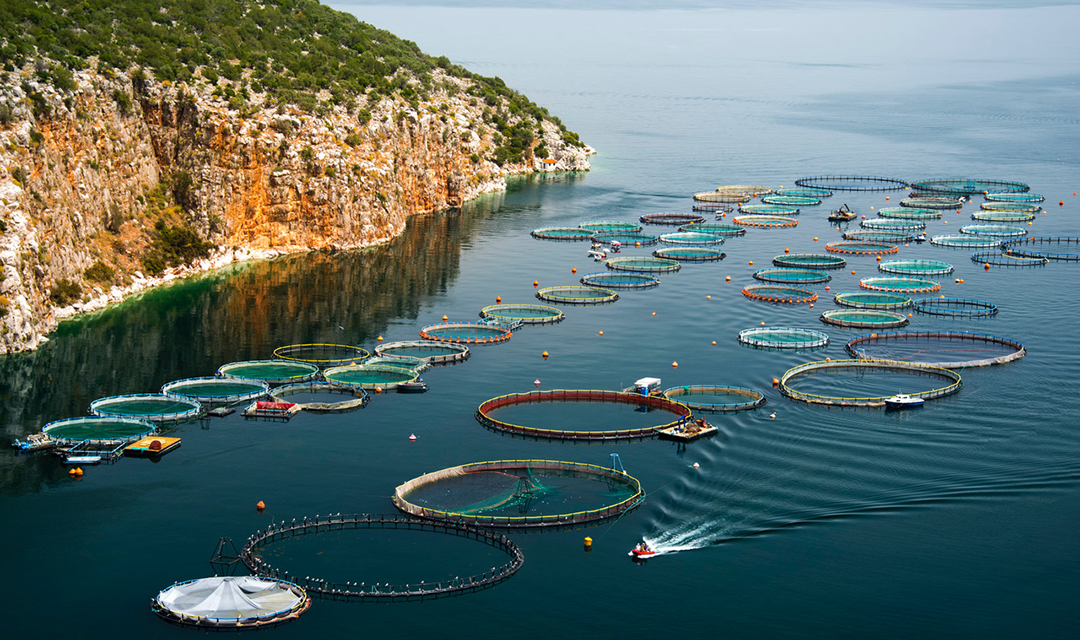
In fish farming, the highest cost isn’t the fish—it’s the food. From buying the feed itself, to the labor needed to throw it out by hand multiple times a day, up to 70 percent of the cost associated with fish farming can be attributed to feeding. But Jesse Thornburg, assistant teaching professor at CMU-Africa, is looking to change that by automating the feeding process.
“We saw that the farmers’ big need was in tracking and improving the feeding of their fish,” Thornburg said. “Automatic feeders were key for improving their metrics.”
Through the use of solar-powered automatic feeders and computer vision, Thornburg and his team at the Grid Automation for Development Lab are working with industry partners, including Lakeside Fish Farm, to make tilapia farming in Rwanda more economical. Other feeding methods like demand feeders, which release food when triggered by a fish, can lead to excessive or wasted feed. As a result, many in the global industry have adopted automatic feeders, which are shown to increase feed accuracy and reduce waste. According to Thornburg, automatic feeders can also improve feed conversion ratios, or the measure of how the volume of feed converts to fish weight gain.