Have you ever wondered how that new shirt you’ve been eyeing online suddenly appears as an advertisement on Instagram or Facebook? The answer is simple: cookies.
Chances are if you’ve used the internet recently, whether that be to catch up on the news, look up a recipe, or shop online, you’ve come across a cookie pop-up box. These pop-up boxes that many internet users often routinely accept without second thought, help websites track user activity and personalize their experience. By consenting to cookies, you are giving a website permission to place small text files on your computer or browser that store information about your activity online. Cookies help websites remember your login details, items in your shopping cart, and even tailor ad content based on your browsing history.
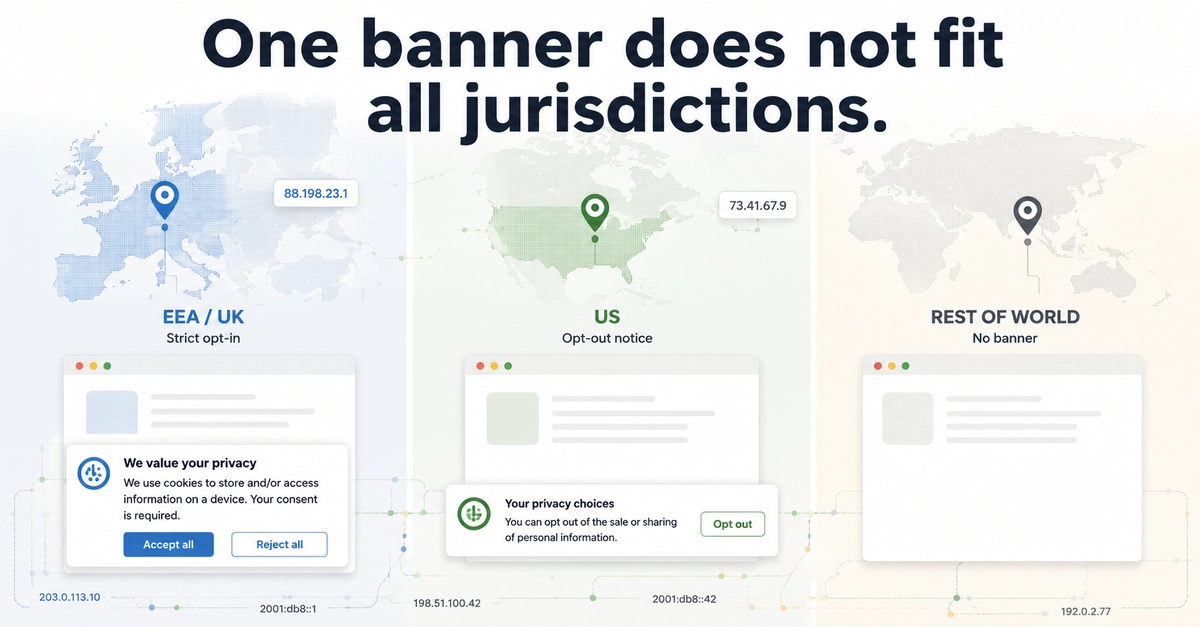
But with all of their benefits in enhancing the user experience, cookies can pose several drawbacks when it comes to user privacy and security. Digital privacy is a growing issue globally, as more users are becoming increasingly aware and concerned about how their data is used and protected online. Generally, collecting personal data without a user’s permission is considered a violation of privacy rights. Unlike Europe’s strict cookie regulations, such as the EU’s General Data Protection Regulation, most cookie consent laws in Africa don’t legally require websites to ask permission before tracking users.