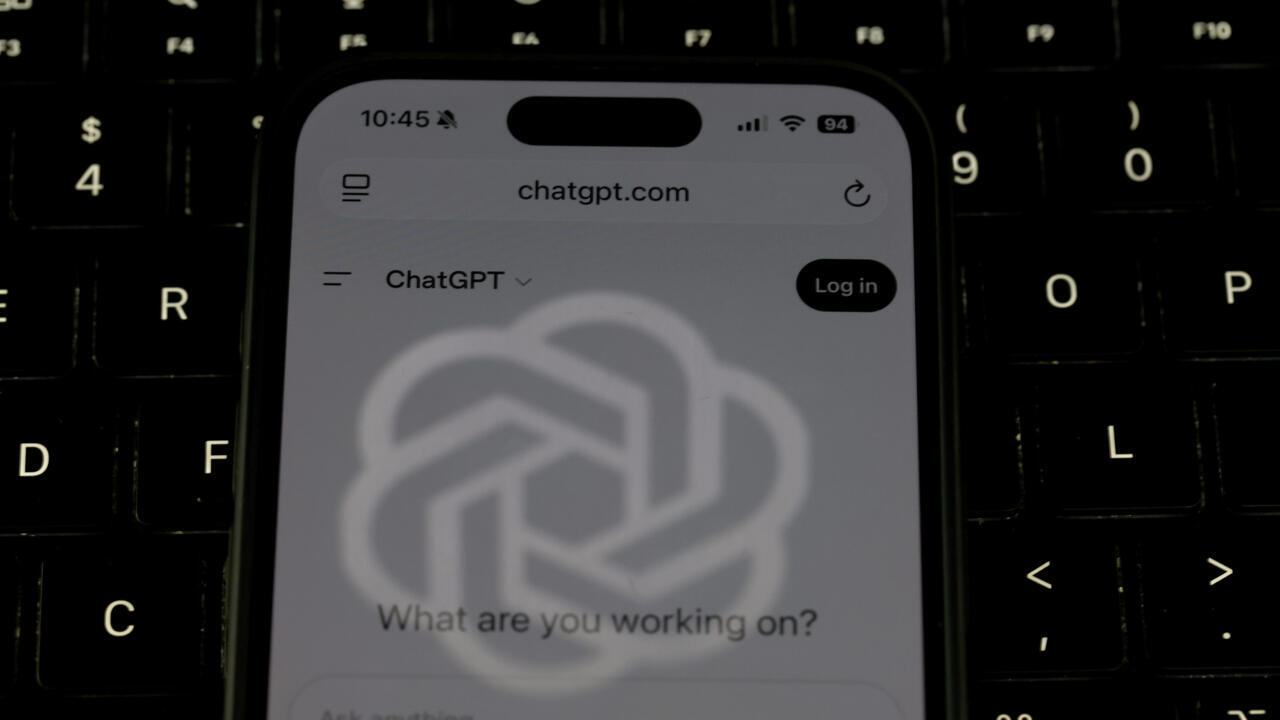
AI-powered chatbots have become so ingrained into everyday life that it’s hard to imagine going back to a world without ChatGPT. But while these chatbots get better and better at generating code, drafting emails, and everything in between, they still have a lot of catching up to do when it comes to languages. More than a thousand languages are spoken in Africa alone, but ChatGPT only officially supports less than 60 languages worldwide.
So what happens when ChatGPT speaks your language poorly, or doesn’t speak it at all?
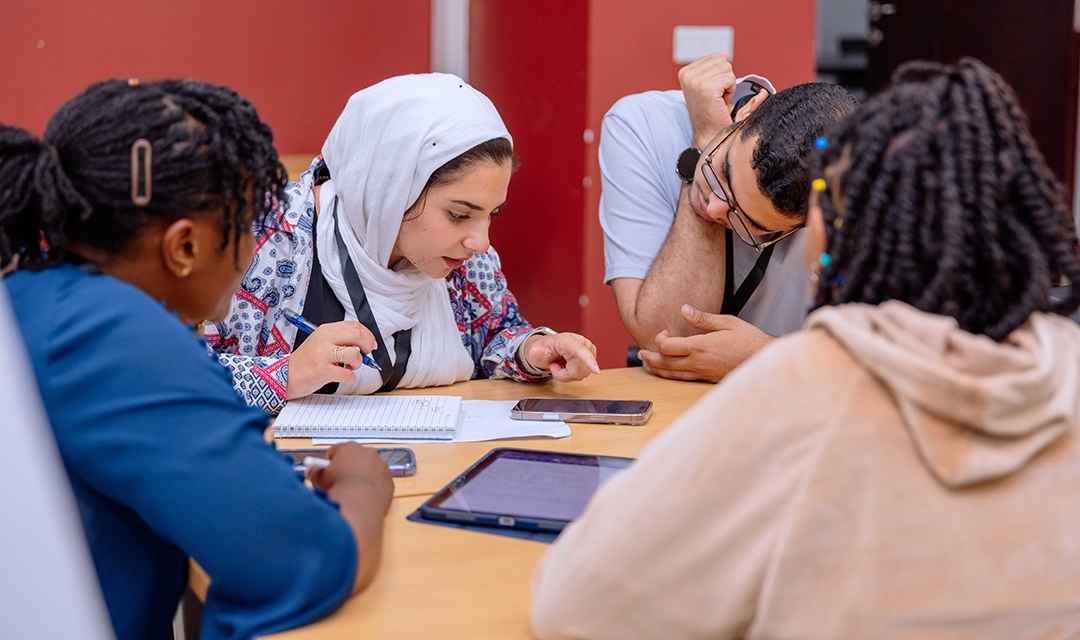
Participants in the first-ever Summer School on Digital Humanism in Africa gathered at CMU-Africa from July 14 to 18 to workshop just these types of questions.
Digital humanism challenges people to investigate the relationship between humanity and technology, improving our understanding of how technology can be designed and used in ethical, beneficial, and inclusive ways. Doing so requires interdisciplinary discussion and collaboration, involving perspectives from both engineering and technology-related fields and the social sciences and humanities.
The summer school, designed to foster such collaboration, was organized by Carine Mukazakuma, assistant teaching professor at CMU-Africa. Mukazakuma was first exposed to the idea of digital humanism when she was a Ph.D. student at Vienna Technical University; her advisor, Hannes Werthner, was the first to define the term and co-founded the Digital Humanism Initiative.