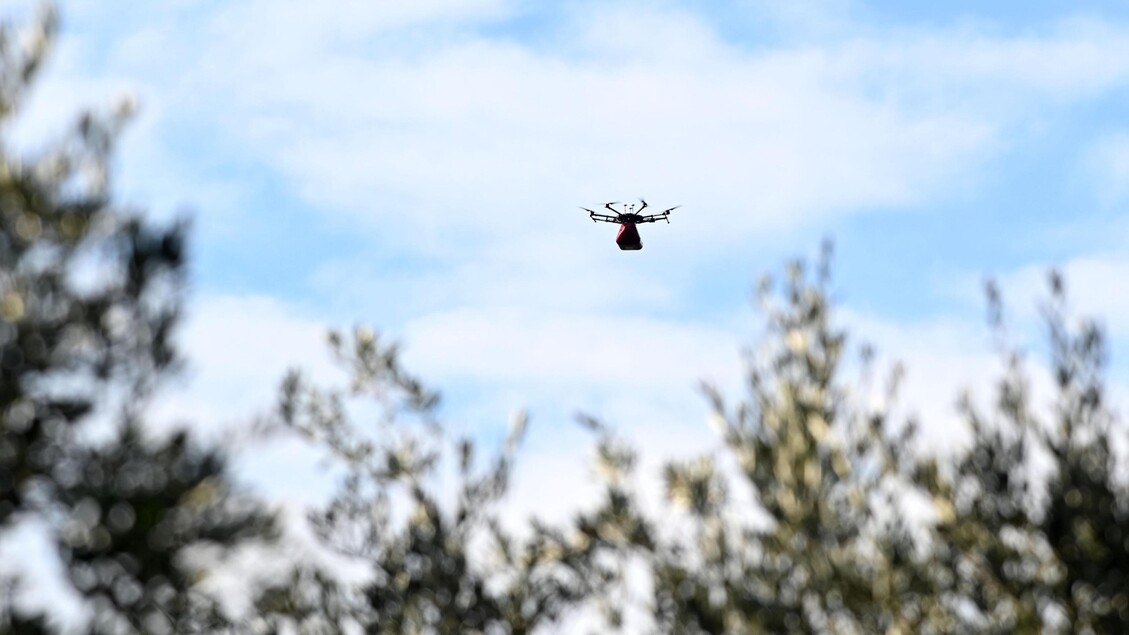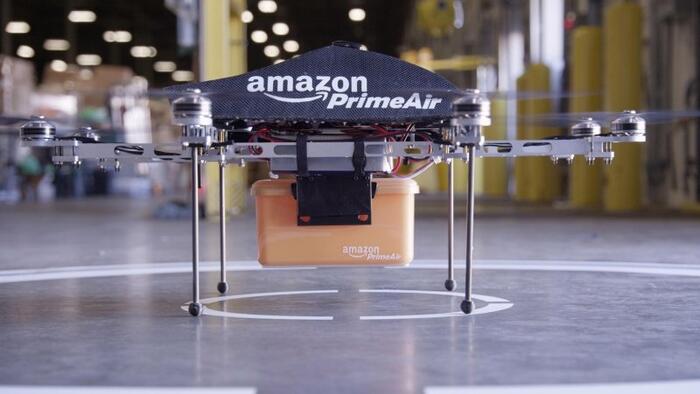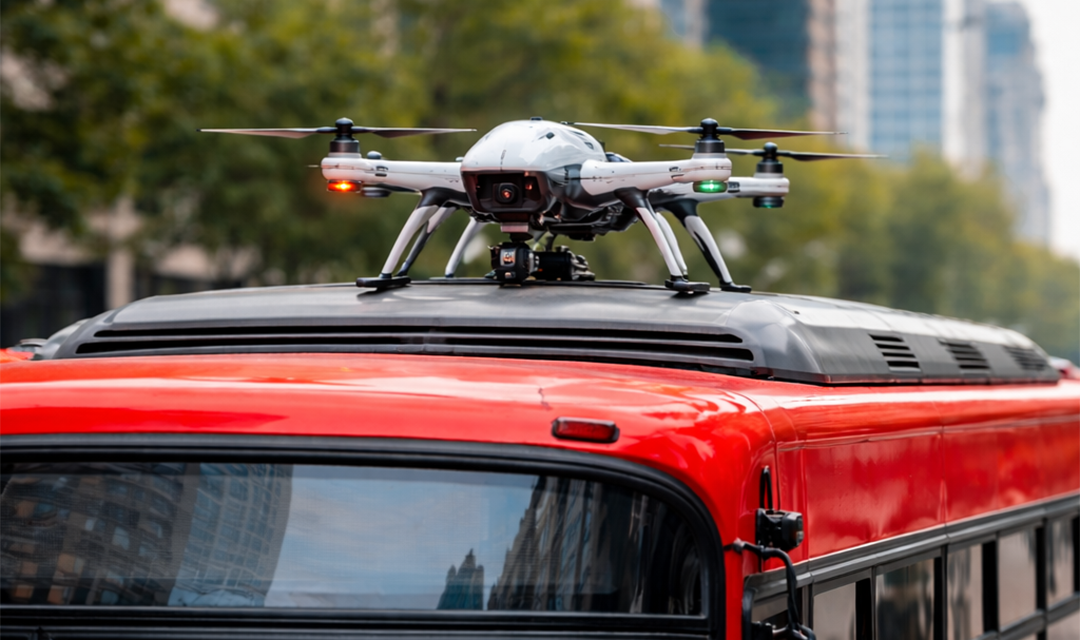
As drone delivery becomes a reality in cities across the country, range has emerged as a frequent limitation. But what if a drone could lift off with a package, and—instead of flying the whole route—lands on a passing bus, rides across the city, and then completes its route?
This unconventional approach is the focus of new research at Carnegie Mellon University, where engineers are exploring how drones can “hitchhike” on existing public transit systems to extend their range within their battery power.
A new study from Costa Samaras and Jeremy Michalek looks at landing drones on existing transit infrastructure, like buses, to conserve energy and more efficiently move toward a destination. By using this method, drones can effectively reach across an entire city without exhausting their power supply.
“Drones can reach their destinations quickly, but they have a limited range,” said Michalek, professor of engineering and public policy and mechanical engineering. “The ability to hitchhike enables them to reach a wider radius than if you had to rely on the drone’s battery alone.”
This method of transportation is ideal for urgent and light loads across urban terrains where traditional transportation might be stalled by gridlock. Practical applications could include immediate blood transfers between hospitals, delivering critical medicine to places where traditional road transportation would be inaccessible, or even speeding up food delivery times.