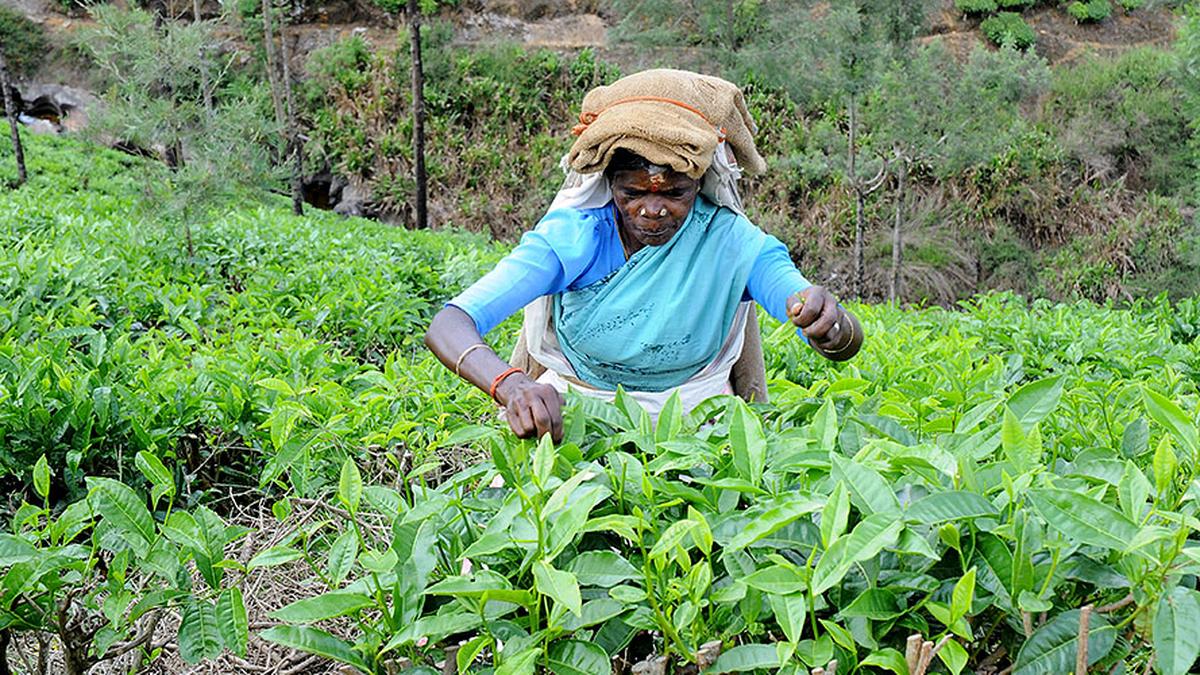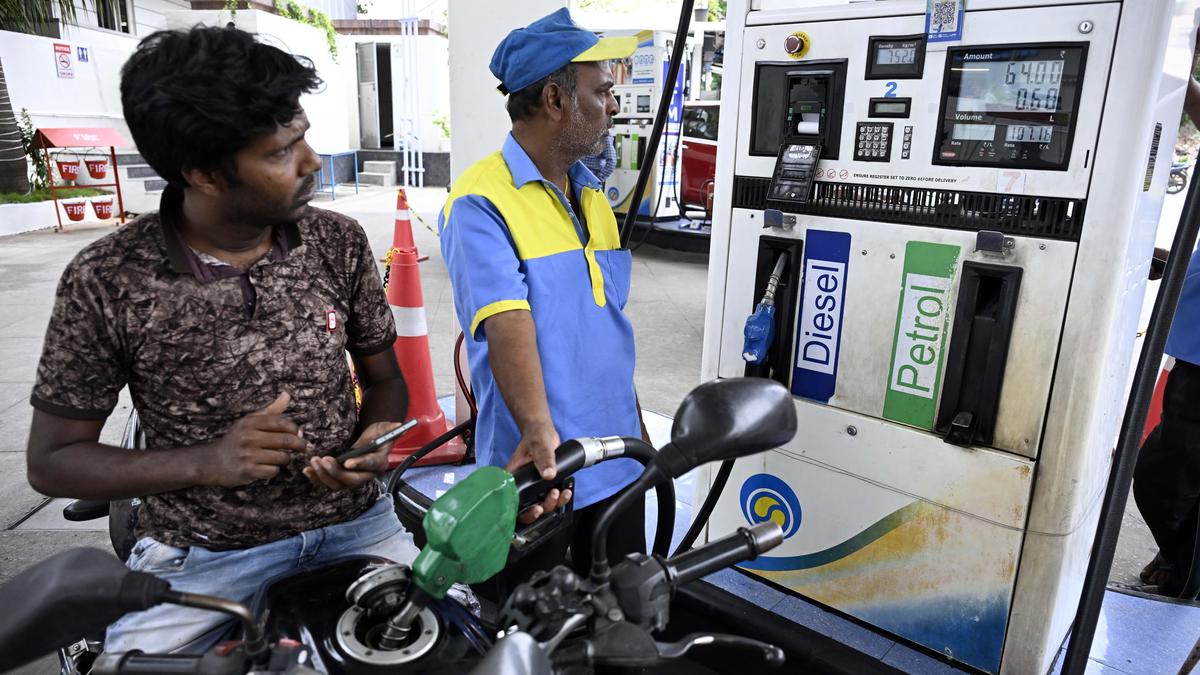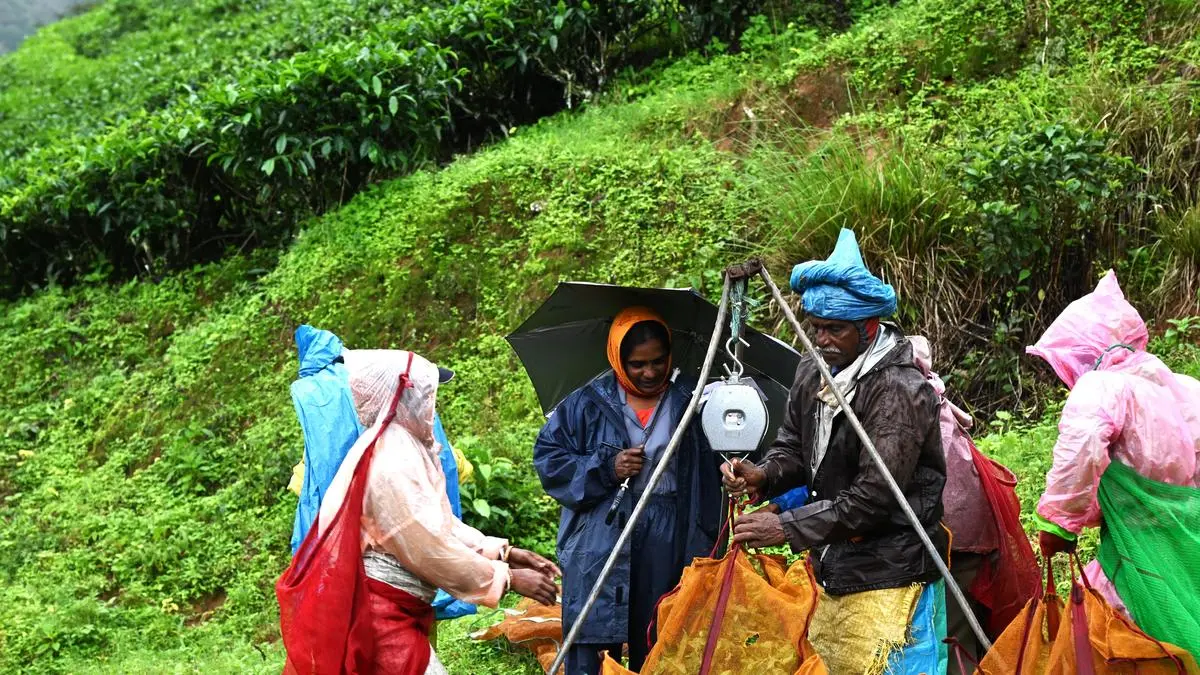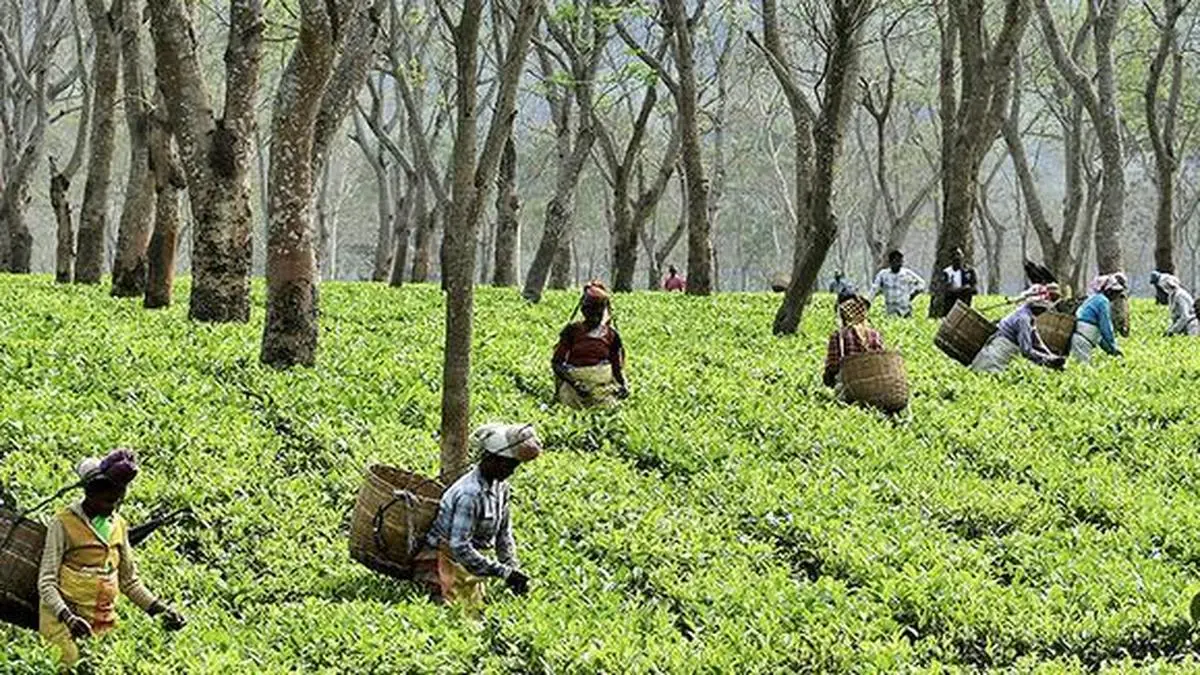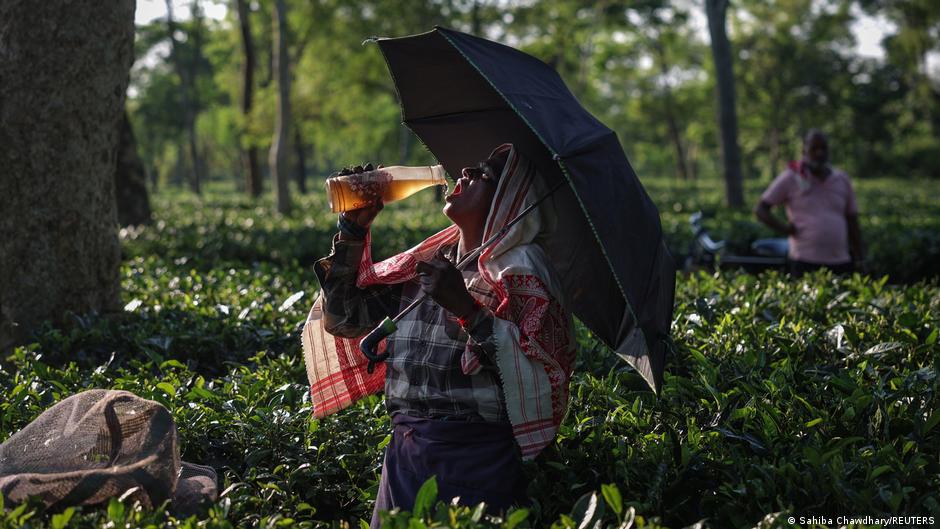
In Kerala, tea shops have a symbolic value as a shared space for the coming together of people from different walks of life and as a vital component of the State’s public sphere.
| Photo Credit: Getty Images/iStockphoto
Till not so long ago, V. Reji’s day kickstarted with tea from a wayside shop, once he finishes the early morning trips in his autorickshaw. Through the course of the day, he used to have at least four more. But over the past few weeks, he has cut it down to a maximum of two. With the prices of tea going up in most shops in Thiruvananthapuram, Kerala, due to a massive hike in commercial cooking gas prices, he has been finding it difficult to keep his habit going.“I drive a CNG-powered autorickshaw. The prices of CNG have gone up in recent weeks. Added to this is the hike in the prices of tea as well as most other food items even in normal restaurants. As autorickshaws have a rate fixed by the government, we don’t have the luxury to increase our rates when our expenses increase. However, tea shops and restaurant prices are unregulated. I will not blame them, as they are also helpless, but there should be some regulation,” says Mr. Reji.His plight is something which is shared by a large number of daily wage workers, students and even those with mid-level incomes.On May 1, State-owned oil marketing companies increased price of 19-kg commercial cylinders used in tea shops and eateries by almost ₹1,000, from the previous price of around ₹2,300. Come June 1, Milma will also hike milk prices by ₹4/litre, further compounding the problem.Symbolic valueIn Kerala, tea shops have a symbolic value as a shared space for the coming together of people from different walks of life and as a vital component of the State’s public sphere, with heated exchange of opinions on everything under the sun. Groups of people can be seen crowded around the thousands of tea shops dotting Kerala’s streets in evening hours. The hike in tea prices has come as a sort of dampener for many of these regular tea drinkers.One of the hardest hit groups have been the food delivery workers, who have long working days and are dependent on tea shops and restaurants for much of the day.“Since our daily targets are steep, with a requirement of at least 27 deliveries, most of us get out of our house by 6 a.m. or so. We depend on restaurants for not just tea, but everything from breakfast to dinner. The steep hikes have thrown our monthly budgets in disarray, as there has been no proportional increase in our own rate cards,” says Ameer, a food delivery worker.Students who are on a tight budget are another group who have begun to feel the pinch. According to Anjana Radhakrishnan, a civil services aspirant studying at a coaching institute in the State capital, the tea and food prices are a concern for many.“Tea drinking became a habit for me once I began classes at the coaching institute here. One of the advantages of tea is that it is the cheapest of refreshing beverages available. However, when prices are hiked, sometimes we think of cutting down on the number of teas to save money,” she says.Vinod Kumar, a gym trainer in the city, is concerned that prices of tea or food items which are increased due to various reasons, including hike in gas prices, are not reversed when gas prices fall.Tea prices have gone up in Technopark as well as in the several cafes which dot the Kazhakuttam area, where IT companies are located. “Since the whole sector is unregulated, the price increase has been at the discretion of the shop owners. In the Kazhakuttam area, you can get tea for anywhere between ₹15 to ₹25. The price of Boost has gone up to ₹70 in some places. The Corporation or the government should take some steps to regulate the prices,” says Johnson K. Joshi, employee at an IT company. Published - May 22, 2026 11:29 am IST