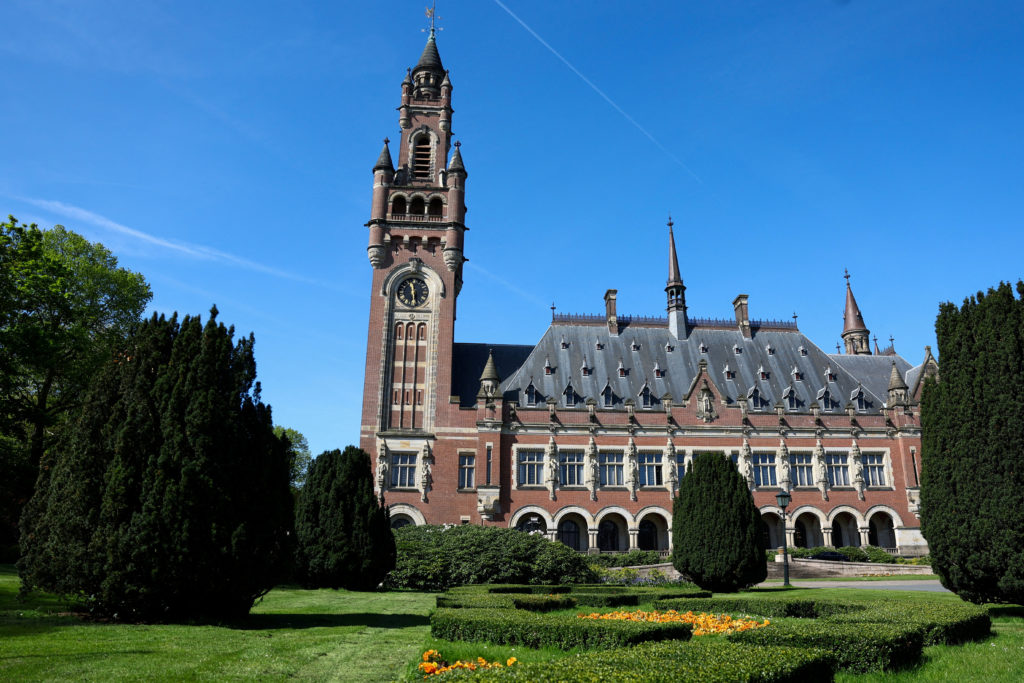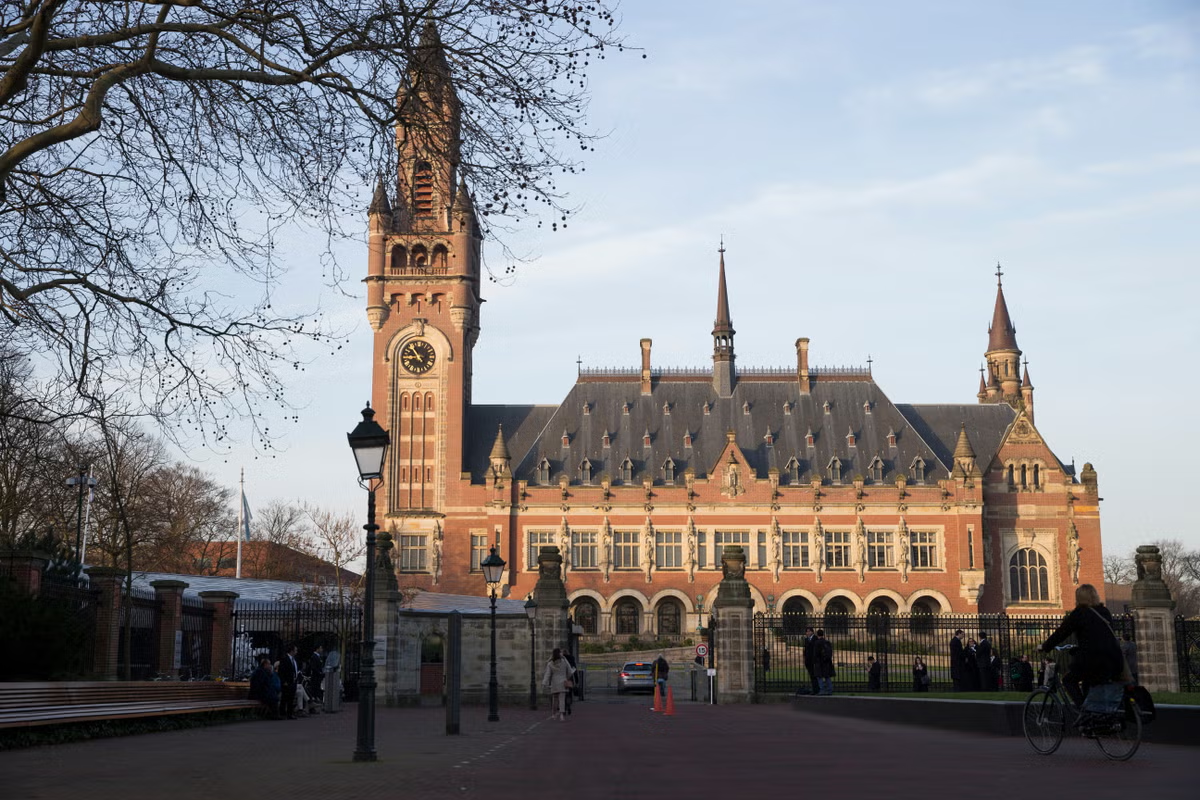
At a time when 87 per cent of countries violate the right to strike, the International Court of Justice (ICJ) on Thursday gave an advisory opinion that workers and their organisations have that right protected under the Freedom of Association and Protection of the Right to Organise Convention, 1948. This comes under the International Labour Organisation (ILO) Convention No. 87 — the international labour treaty which guarantees workers and employers the right to establish and join organisations of their own choice without prior authorisation and protects them from government interference.However, this landmark judgement by the 15-judge ICJ panel will not apply to India, which has not ratified one of the core conventions of the ILO, Freedom of Association and Protection of the Right to Organise Convention, 1948 (No. 87). But the ICJ judgement will embolden trade unions which believe that their right to strike — a legal and statutory right — has been weakened under the four labour codes due to imposed restrictions.The Hague-based ICJ was asked to intervene to resolve a dispute arising from the text of Convention No. 87. Although ratified by 158 countries and guaranteeing workers the right “in full freedom, to organise their administration and activities,” the convention does not explicitly mention the “right to strike.”“In light of the foregoing, the Court concludes that, in accordance with the customary rules of interpretation reflected in Articles 31 and 32 of the Vienna Convention on the Law of Treaties, the right to strike is protected under Convention No. 87. The Court’s conclusion that the right to strike is protected by Convention No. 87 does not entail any determination on the precise content, scope or conditions for the exercise of that right,” the ICJ said in a majority judgement.The Court ruled 11–4 that the right to strike is indeed protected under the freedom of association guarantees of the 1948 treaty.Despite arguments from one participant that an advisory opinion could harm internal social dialogues or disrupt the tripartite nature of the ILO (governments, employers, workers), the Court found no compelling reason to decline the request. It noted that internal procedures within the ILO do not need to be exhausted before seeking an ICJ opinion.The Court acknowledged that Convention No. 87 does not explicitly mention the word “strike.” However, drawing on the 1969 Vienna Convention on the Law of Treaties, the Court emphasised that the absence of explicit terms does not automatically mean an issue is excluded.On the other hand, the dissenting judges relied on the literal and ordinary meaning of the treaty text, aligning with the rules of interpretation under the Vienna Convention on the Law of Treaties (VCLT). They pointed out that the word “strike” does not appear anywhere in Convention No. 87.Of the 151 countries surveyed in the 2025 International Trade Union Confederation (ITUC) Global Rights Index, 87 per cent or roughly 131 countries globally violate, restrict, or entirely ban the right to strike. According to the findings, in these 131 countries workers face severe restrictions, instant dismissal, criminal prosecution, or outright bans when attempting to walk off the job.More Like ThisPublished on May 22, 2026
ICJ affirms global right to strike, but India remains exempt without ILO pact ratification
Although ratified by 158 countries and guaranteeing workers the right ‘in full freedom, to organise their administration and activities,’ the convention does not explicitly mention the ‘right to strike’
518 words~2 min read