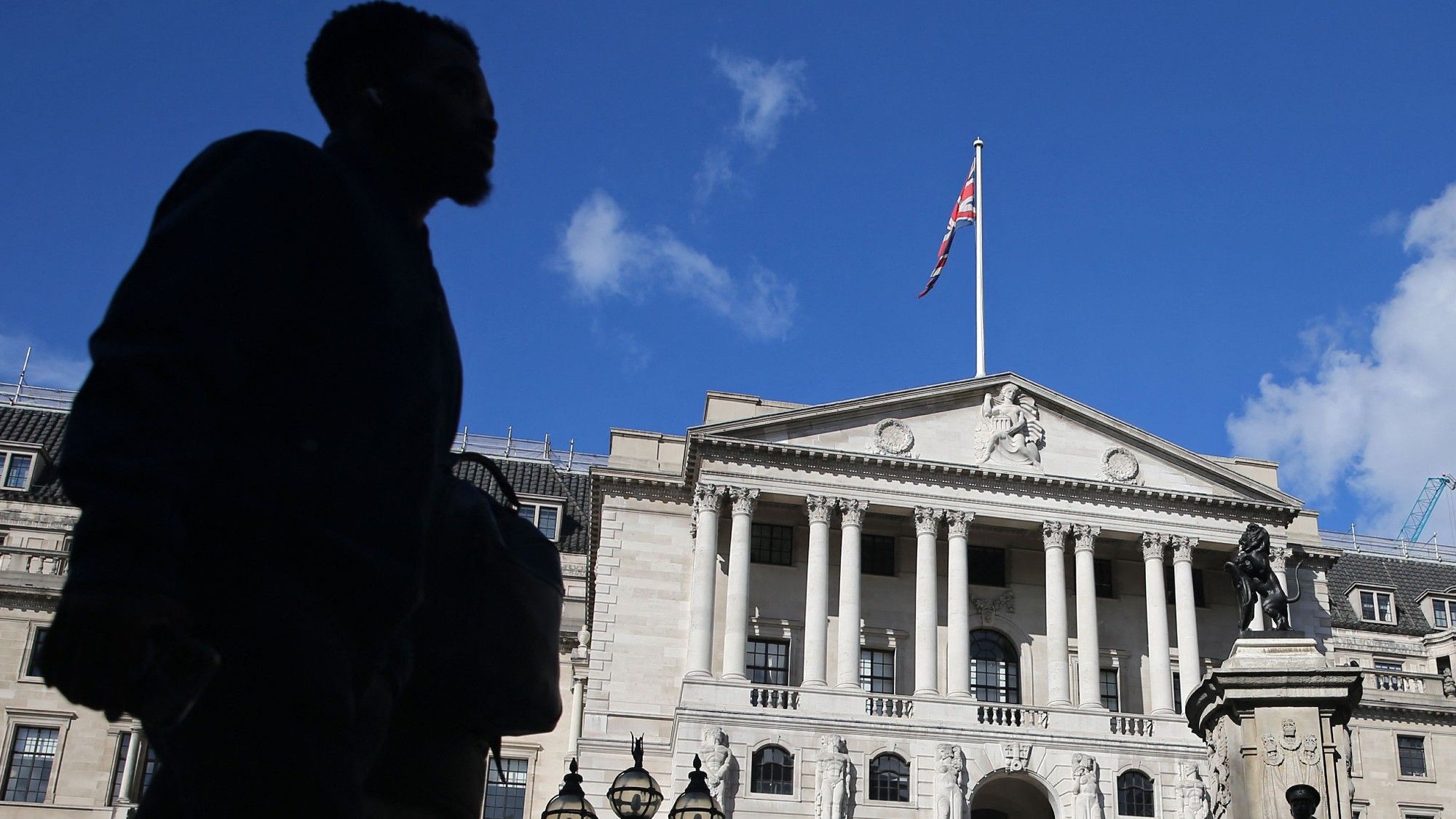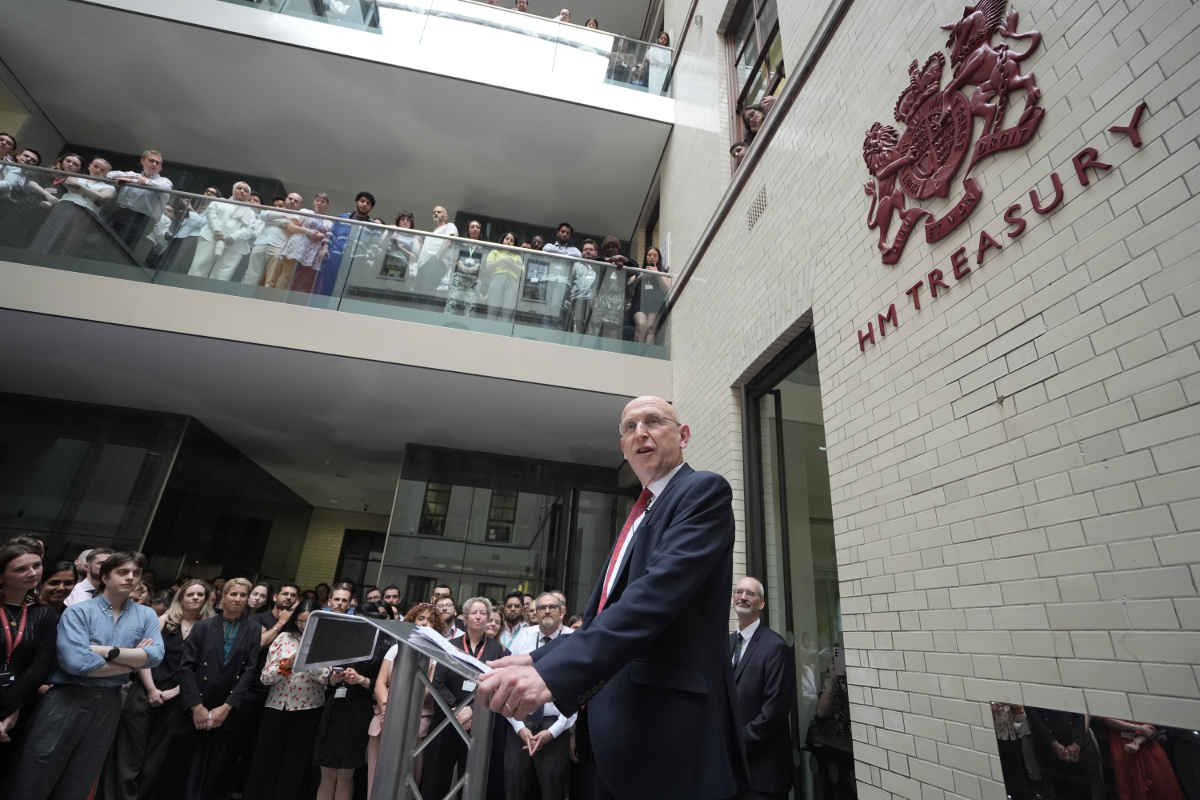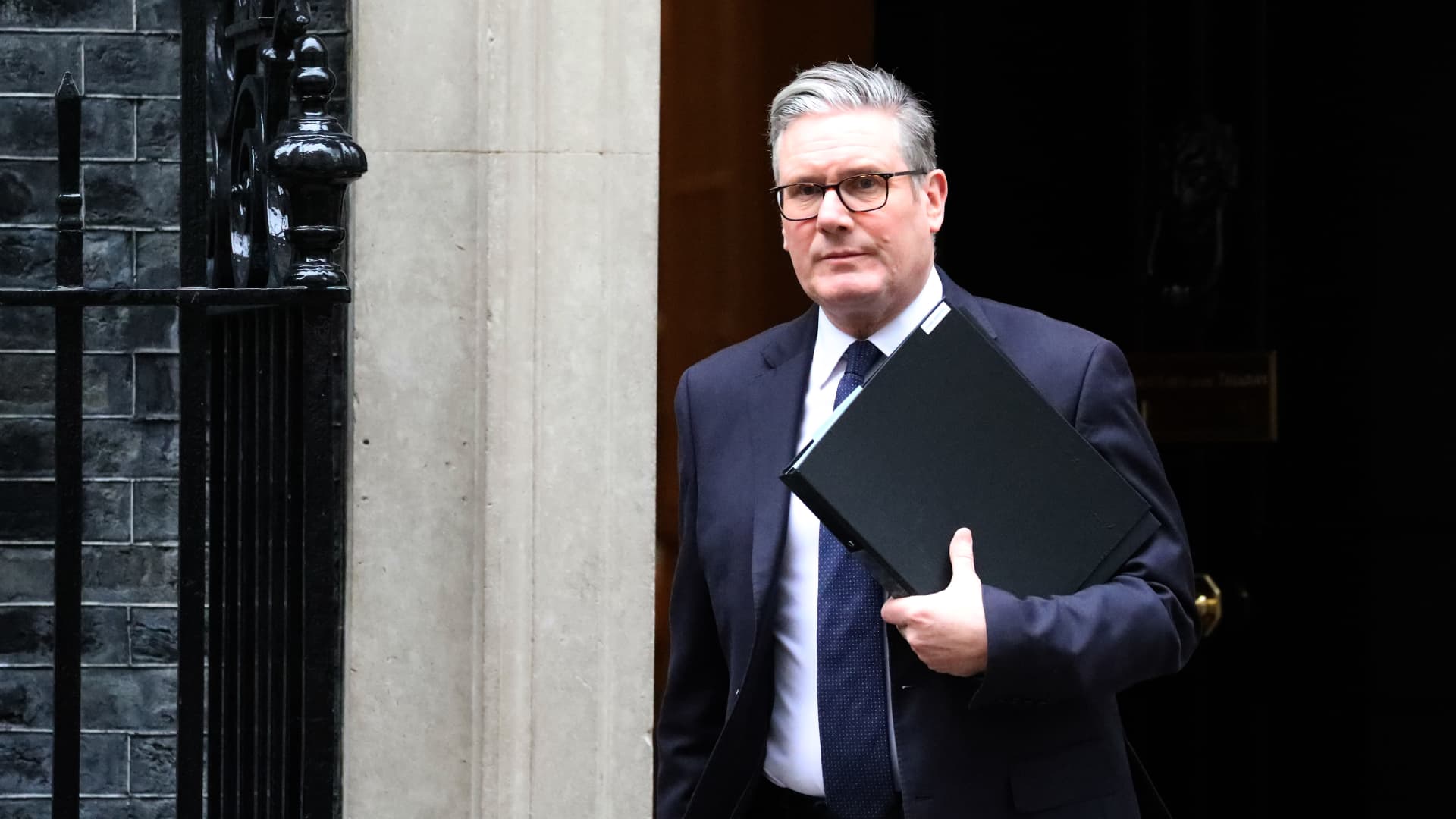
Bill Clinton’s former political strategist James Carville famously said he’d like to be reincarnated as the bond market because “you can intimidate everybody”. As long as governments have debts, bond markets will have the power to bully them.There was a time during Ireland’s post-2008 crash descent that we looked warily at the government’s 10-year bond yield, in effect the country’s credit rating, wondering if we maintained the confidence of investors.That yield crept up – almost continually – after the government’s ill-fated bank guarantee and as the scale of the banking losses materialised until it snapped and we were forced to exit the bond market altogether and enter into a bailout. At that time the United Kingdom, in the mire of its own financial crisis but on a more stable footing than Ireland, stepped up with a £3.23 billion (about €3.8 billion) bilateral loan.George Osborne, then chancellor, said it was in the UK’s interest to join a rescue package for the Irish economy. Ireland was a “friend in need”, he said.[ UK markets now have to deal with the Burnham factor - and they are looking nervous ]Now the shoe is on the other foot. It’s the UK that finds itself circled by bond vultures while Ireland remains wrapped in a silk scarf of buoyant tax receipts. As Keir Starmer’s ailing premiership turned into a Labour leadership contest this week, the yield on 10-year UK bonds (gilts) surged to their highest level since 2008, breaching the 5 per cent threshold.Ireland’s equivalent is less than 3.5 per cent. Even Greece, the symbol of Europe’s debt crisis 15 years ago, can borrow at cheaper rates than the UK.Lenders tend to use bond yields when setting mortgage and other lending rates, so the impact of rising yields on households is considerable. [ Britain’s politics meets the bond market reality check ]Markets fear moves to topple the Starmer-Rachel Reeves government would entail a leftward political shift, which in turn would entail more spending and an unwinding of “fiscal repairs”. Sometimes the perceived risk is economic, sometimes it’s political. For the UK, it’s both. Bond markets fear that inflation could be about to rise sharply and that the UK is more vulnerable to this creeping price pressure than its peers. Markets also fear that any new Labour regime in Number 10 can only get there by promising to loosen the purse strings.Starmer needs to acquire political capital by spending on things like easing the cost of living and to invest in things such as artificial intelligence to promote growth.But on both counts he finds himself fiscally constrained by persistently weak growth and high debt interest. [ Keir Starmer revolt revives Brexit row. So, how could the UK rejoin the EU? ]“With debt interest already at uncomfortable levels, fiscal discipline is not optional; it is the price of market access on reasonable terms,” Gordon Kerr, European macro strategist at KBRA, says.“Starmer was elected on a mandate for growth. So far, that growth dividend has been elusive. Some of that reflects external conditions; some reflects the government’s own policy choices.“But a change in the individual at the top is unlikely to automatically improve the economic picture. The constraints are deeper: weak productivity growth, high debt interest, a softer labour market, and a narrow fiscal margin for error.”Starmer now finds himself in a Mexican standoff with his former health secretary Wes Streeting and the popular Manchester mayor Andy Burnham.Streeting’s comments about the UK biting the bullet and rejoining the EU could trip up Burnham as he tries to hold a 5,000-strong Labour majority in the upcoming byelection in Makerfield, Greater Manchester, against a Reform UK party on the charge and in a pro-Brexit constituency.If Burnham fails in his bid to become an MP then that could leave Starmer in situ.Burnham sought to reassure investors at the weekend that the UK government’s fiscal policies would be in safe hands were he to become PM, rowing back on previous comments in which he appeared to suggest the country was “in hock to the bond markets”.“I have never said you can just ignore the bond markets,” Burnham told ITV News. “I said politicians had placed Britain in hock because of the way in which we lost control of our finances and public spending when we handed away control of energy, water, housing.”Presumably the example of former prime minister Liz Truss’s failed tax-cutting budget in 2022, which triggered a run on British government bonds and an eventual toppling of her government, is fresh in his mind.During periods of market volatility, investors tend to move money out of shares and into bonds. This flight to safety helps to offset losses.But this relationship has weakened in recent years as global crises such as the pandemic and the Iran war trigger bouts of inflation and rising interest rates, which has put pressure on shares and bonds at the same time.The UK is at the apex of this dynamic.
Bond vultures circle British government as threat of renewed political upheaval returns
Markets fear moves to topple Keir Starmer will entail a leftward shift politically and looser spending protocols
822 words~4 min read