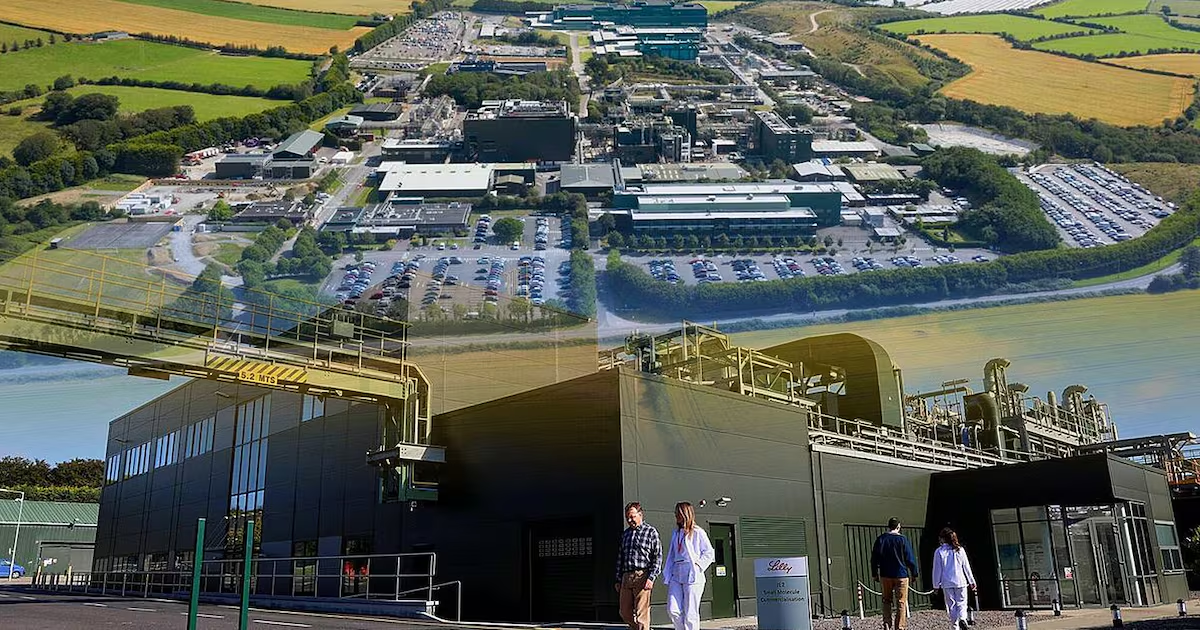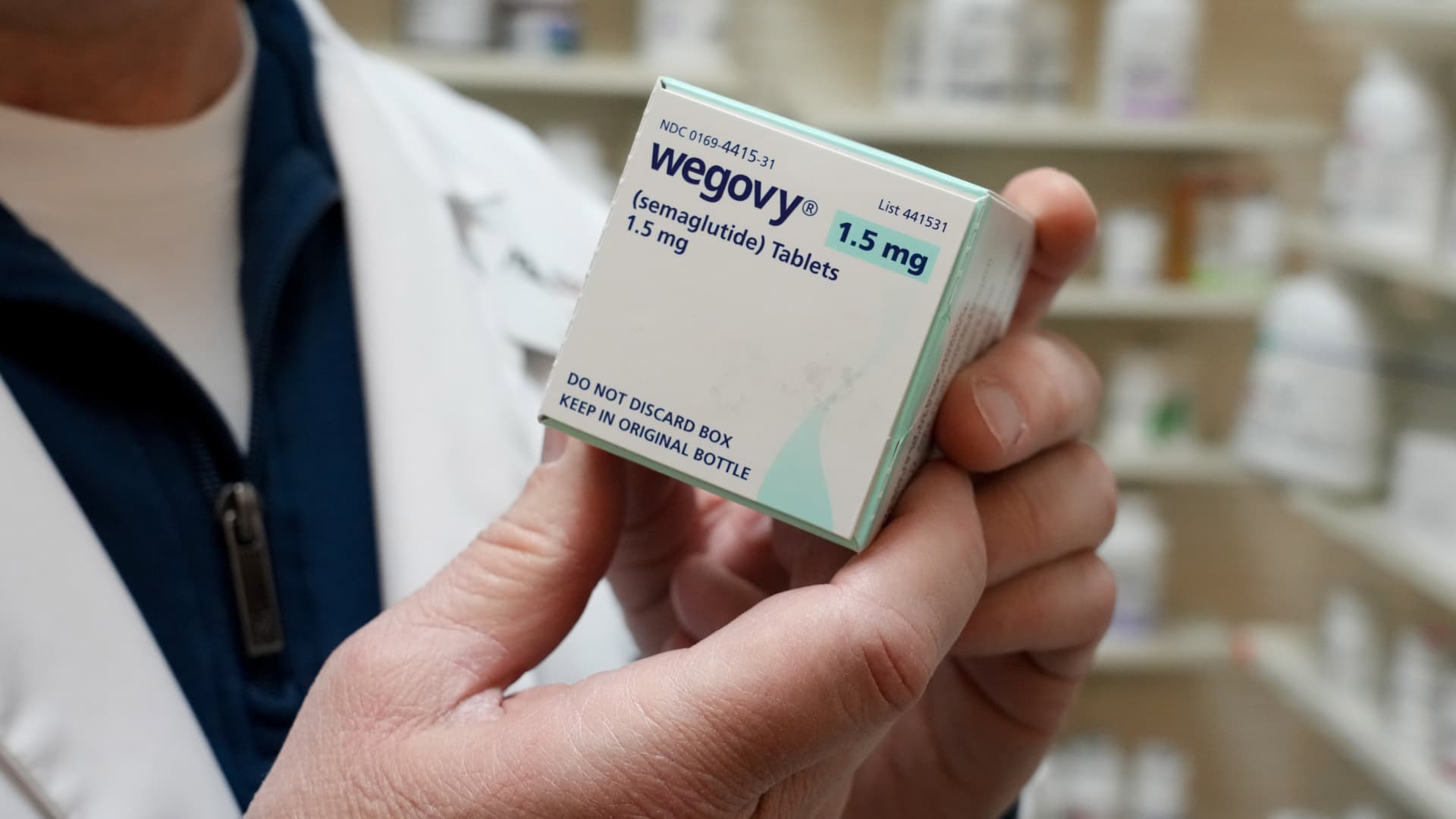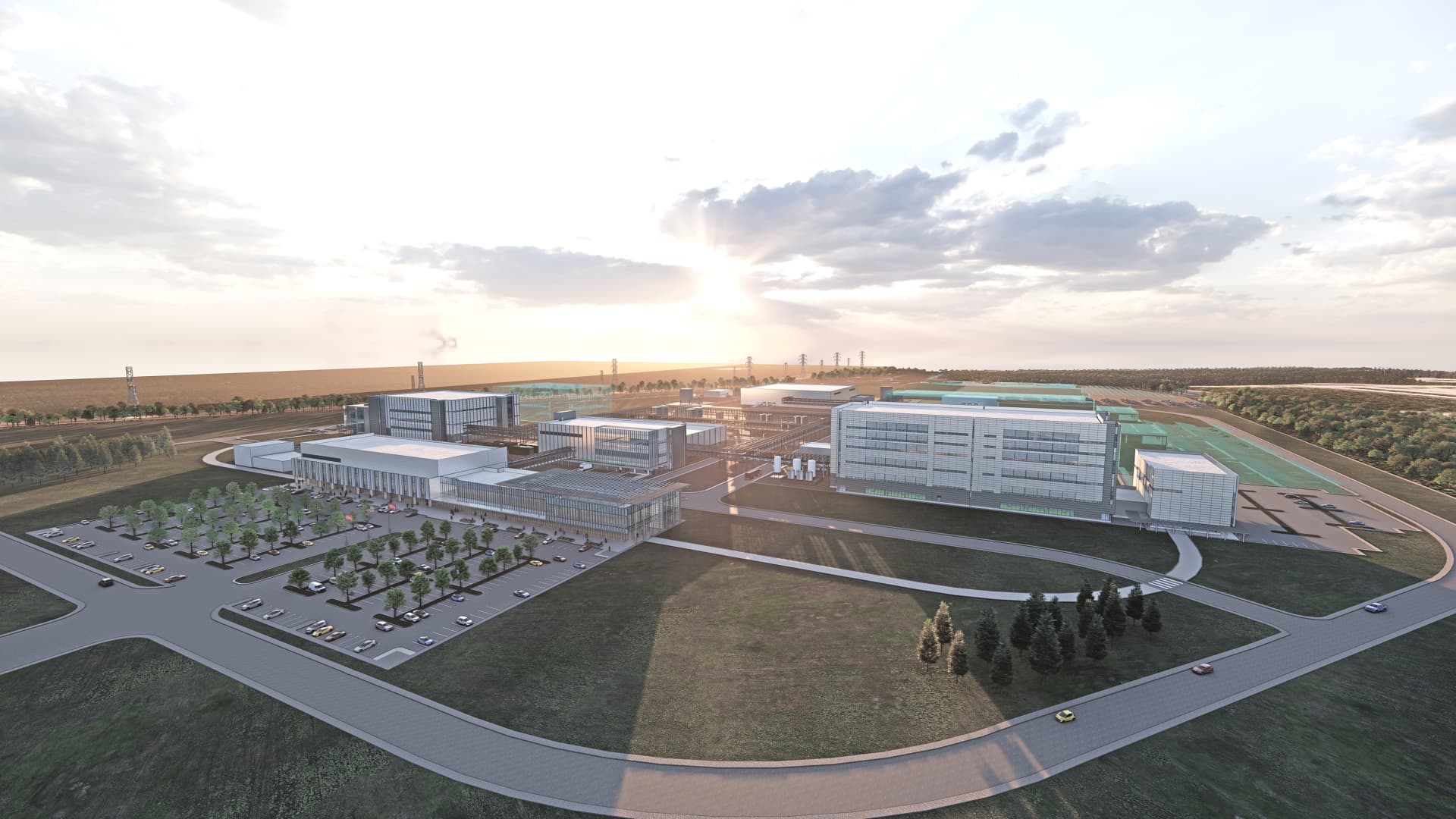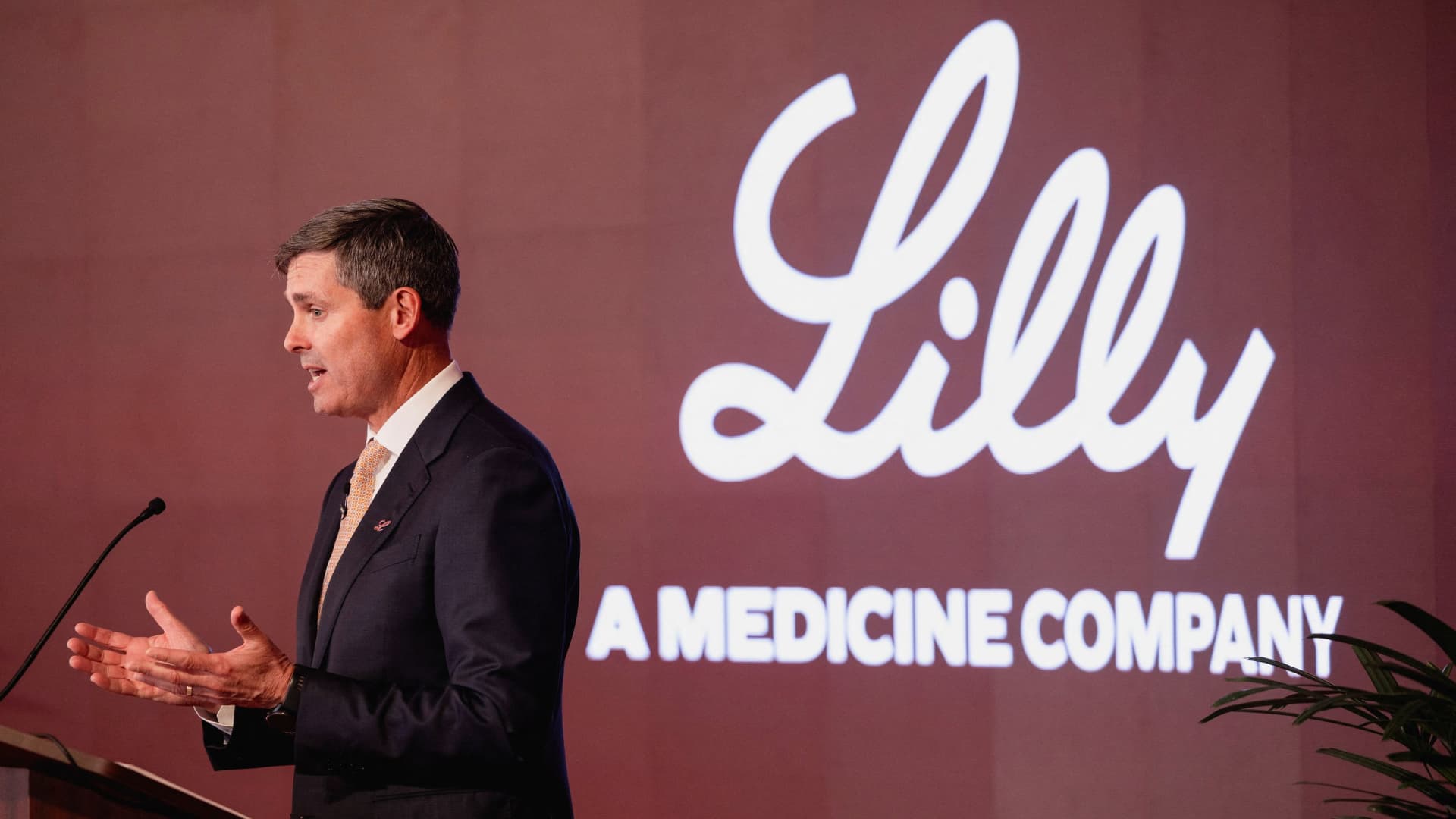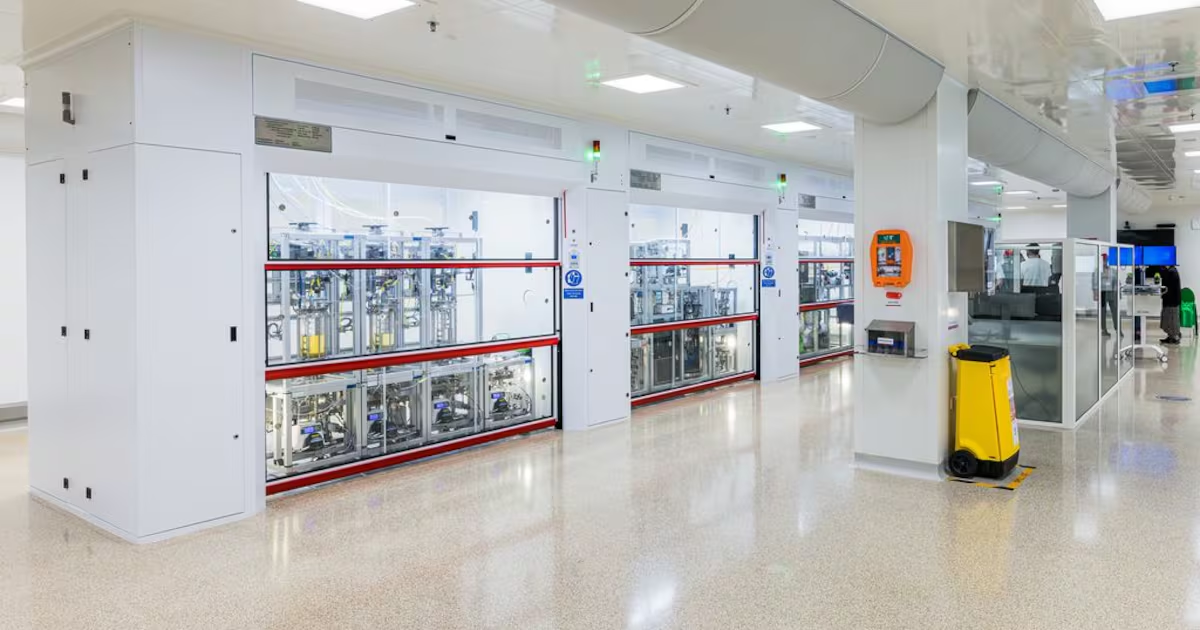
Driving northwest from Kinsale, the road narrows, cutting through farmland, before heading deeper into the countryside. There’s nothing to suggest you’re heading to a major pharmaceutical manufacturing hub and a key site in the global weight-loss drug revolution.It’s only when you enter the townland of Dunderrow that Eli Lilly’s huge 50-hectare campus, a sprawling maze of factory blocks, ingredient tanks and cooling towers, comes into view.At 8am, it’s a hive of activity. There’s a traffic light, incongruously planted in a hedge, to organise the flow of traffic to the various car parks. About 1,300 of the company’s 4,000 Irish staff work here. Lilly Kinsale is the company’s biggest manufacturing facility outside the US and unique in its network in that it produces the three basic types of therapeutic drugs: peptides, small molecules and biologics (proteins and antibodies).These days it’s the company’s peptide production that grabs the headlines. The Kinsale plant produces tirzepatide, the active ingredient for its blockbuster GLP-1 drugs Zepbound and Mounjaro.The GLP-1 drug revolution represents perhaps the biggest shift in global medicine since the discovery of cholestorel-lowering statins in the 1970s. By mimicing natural gut hormones, the drugs trigger the brain’s satiety centres to control appetite and manage weight. A 72-week stint on Mounjaro has been shown to reduce body weight by 15-22 per cent. Originally developed to treat type 2 diabetes, it is now being used to treat the biggest health epidemic on the planet: obesity.[ How weight-loss drugs are reshaping modern life: ‘I’m paying €250 a month not to eat’Opens in new window ]Having been locked at close to 40 per cent for decades, the adult obesity rate in the US has now begun to fall. It declined to 37 per cent in 2025, according to the GallupNational Health and Wellbeing Index, a drop that’s been linked almost entirely to these new drugs.But the GLP-1 revolution doesn’t stop there. They are being explored as remedies for cardiovascular disease, sleep apnoea and substance abuse, with analysts labelling them as “miracle” cures. “We are literally just scratching the surface of global treatment here,” Lilly’s chief executive Dave Ricks said recently.Some estimates suggest as many as 200,000 people in Ireland are using GLP-1 drugs.Sales of Mounjaro and Zepbound accounted for more than half (56 per cent) of the company’s annual $65 billion (€56 billion) revenue last year.Eli Lilly’s lead position in the weight-loss market also saw it become the first pharma company with a $1 trillion valuation last year. Indirectly, sales of these drugs propelled Ireland to being the fastest-growing advanced economy (in GDP terms) in the world in 2025 (it grew by 12 per cent).Eli Lilly's Mounjaro, dubbed the 'King Kong of weight loss drugs'. Photograph: George Frey/Bloomberg/Getty Eli Lilly front-loaded shipments of these ingredients to the US in the first four months of 2025 partly to avoid Donald Trump’s incoming Liberation Day tariffs, causing Irish exports to surge.Using US customs data, the Irish Fiscal Advisory Council tracked about $42.3 billion (€36.4 billion) of this export surge to Indianapolis, where Eli Lilly is headquartered and where it has several big manufacturing sites.I’m obliged to surrender my phone before entering the plant, which I’m told is standard pharma security protocol. It’s flagged as necessary to preserve workplace privacy but it’s really to stop me snapping a photo and inadvertently giving away trade secrets.I’m then ushered in to meet Eli Lilly’s global head of manufacturing, Edgardo Hernandez, who is on a whistle-stop tour of several of the company’s manufacturing sites in Europe. He demurs when asked how big the global weight loss drug market might be, saying he’d rather leave that to the analysts. They estimate it could be worth $150 billion to $200 billion in annual sales in a decade.But he says the company is currently only reaching a fraction of its potential market.“We have estimates that we’re serving probably 5-10 per cent of the people that we can actually help with these medicines,” he says. “There’s a big opportunity to serve patients in this space.” He’s also keen to note that the surge in shipments from Kinsale last year wasn’t just a tariff dodge but reflected the launch of Mounjaro in multiple jurisdictions in 2025.“As we were getting ready to launch, what you usually do is front-load demand [stockpile inventory] because you have to build a channel. What you saw [in 2025] was the effects of launching medicines in multiple countries,” he says.Dubbed the “King Kong of weight loss drugs”, Mounjaro differs from rivals in that it mimics, as well as the naturally occurring GLP-1 hormone, another hormone known as GIP.This dual action appears to be associated with greater weight loss. It launched in India in March last year and by October had become India’s top-selling drug, overtaking GSK’s widely used antibiotic Augmentin, a testament to the explosive demand for these products. By the end of last year it was outselling rival weight-loss drug Wegovy (produced by Danish company Novo Nordisk, which also makes Ozempic) by a ratio of 10 to one.Hernandez plays up the company’s long-term commitment to Ireland, highlighting a string of recent investments and its already extensive manufacturing network here which, as well as Kinsale, includes two other large facilities in Little Island, Cork, and Raheen, Limerick.[ The weight-loss drug revolution looks like a winner for Ireland’s economyOpens in new window ]There were rumours that the $2 billion Limerick plant – earmarked to make Alzheimer’s medicines – was being re-engineered to produce weight-loss drug ingredients but the company has denied this.One possible spanner in Eli Lilly’s transatlantic works is the current White House incumbent. US president Donald Trump has repeatedly threatened to impose tariffs on pharma in a bid to reshore manufacturing in the US and to reduce the price of prescription drugs there.Ireland is an eyesore in Trump’s America First agenda, hosting 24 of the top 25 global pharma giants. Most are US firms. The State also runs a massive trade surplus (in goods) with the US (about €90 billion in 2025), driven almost entirely by pharma exports.Recent US filings indicate Eli Lilly paid $6.6 billion (€5.6 billion) in tax to the Irish Government last year, well ahead of its US tax liability, another sore point with Maga.[ No ‘immediate cliff edge’ for Ireland as Trump announces 100% tariff on pharma importsOpens in new window ]“We don’t support tariffs ... they create disruptions in the market and limit access to our medicines for patients,” Hernandez says. That said, he plies a diplomatic line, suggesting tariffs are not exclusive to the US. “It happens in multiple geographies ... it is the nature of pharmaceutical supply chains; they are very important and they are considered national security issues.” Eli Lilly was one of more than a dozen drugmakers to sign deals with the Trump administration last year agreeing to charge similar prices for prescription drugs in the US as in other developed countries. The industry believed the agreements would stall moves to enshrine “most favoured nation” pricing in law. But the White House in recent months has pushed Congress to codify elements of the deals, something pharma companies fear will constrain their revenue models and limit R&D (research and development) for future innovation. “When you throw it into the congressional process, what goes in is not what’s going to come out,” Eli Lilly chief executive Ricks said in a recent interview.“And I think we see a lot of people who would rather reduce prices today and not worry about whether we have any new medicines tomorrow, not worry about whether America will have a robust drug industry and we’ll be able to do research in this country,” he said.Next stop on my tour is factory block IE2b and Eli Lilly’s showcase production line.The company has spent millions developing what’s known in the trade as “continuous” manufacturing technology to replace the traditional stop-start batch production. The newer method utilises AI robotics and cutting-edge nanofiltration technology and is entirely automated, resulting in less waste and faster production times. Eli Lilly has two of these production lines in Kinsale running 24/7 to keep up with global demand for tirzepatide.“Continuous manufacturing allows you to optimise your residence time, reduce solvent usage, and takes up a smaller footprint, as well as other advantages beyond the traditional manufacturing process,” says Lorraine O’Shea, vice-president and small-molecule and peptides plant manager at Eli Lilly in Kinsale.“We have learned how to best control and run processing for peptides,” she says.The company’s needle-free oral weight loss pill, orforglipron, got US regulatory approval in April.Trials have found that patients using injectable GLP1s could maintain most of their weight loss if they switched to daily pills.The roll-out is set to coincide with US state insurance Medicare starting to cover obesity medicines as part the deals struck by Eli Lilly and others with Trump last year. This is expected to further cement demand for Eli Lilly’s products. Health insurance coverage for weight-loss drugs in Ireland is extremely limited, something the company flags as a problem. Saxenda (made by Novo Nordisk) remains the only weight-loss drug currently reimbursed under public schemes such as the Medical Card and Drugs Payment Scheme but this is heavily restricted. Eli Lilly has applied to the Government for reimbursement for Mounjaro.A recent study by the National Centre for Health Economics, which evaluates drugs for the HSE, estimated the cost of making Mounjaro available to public patients per year for the HSE would range from €5,526 to €6,214, depending on the maintenance dose, and from €1.4 billion to €5.2 billion over five years, depending on the threshold for prescription.If it were given to people with a BMI (body mass index) of more than 30, this could amount to up to 900,000 people.Apple, more than any other company, incubated the smartphone revolution, its offshore operation placing Ireland at the centre of the switch.The State might be about to ride another technology gear change, this time in the form of peptide production and weight-loss medicines.As I leave the Kinsale plant, I find myself in a queue of cars and trucks waiting to exit – another sign of the site’s increased activity.
Inside the Irish factory at the centre of the global weight-loss revolution
Eli Lilly’s huge 50-hectare manufacturing hub in Kinsale has placed Ireland at the centre of the biggest shift in global medicine in decades
1,683 words~8 min read