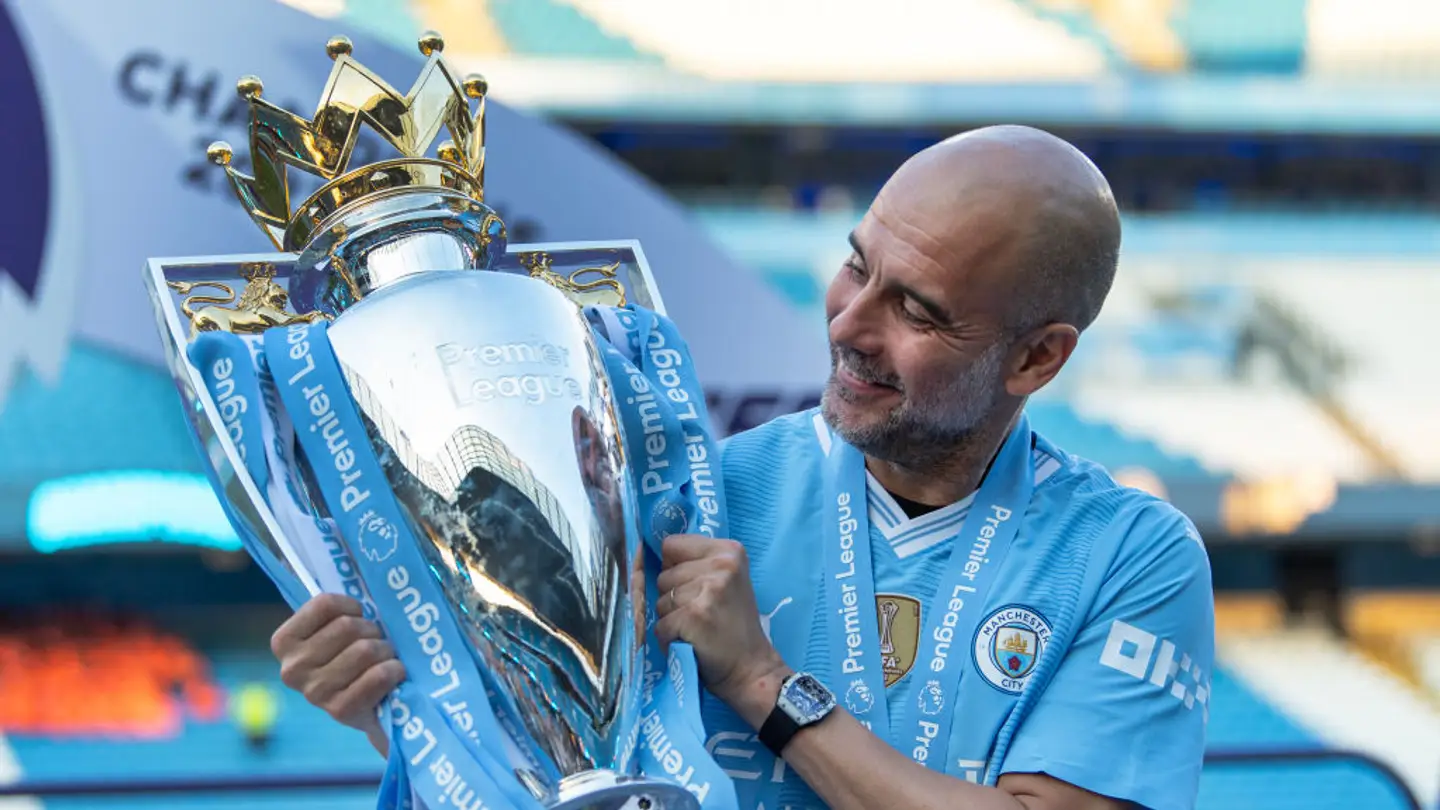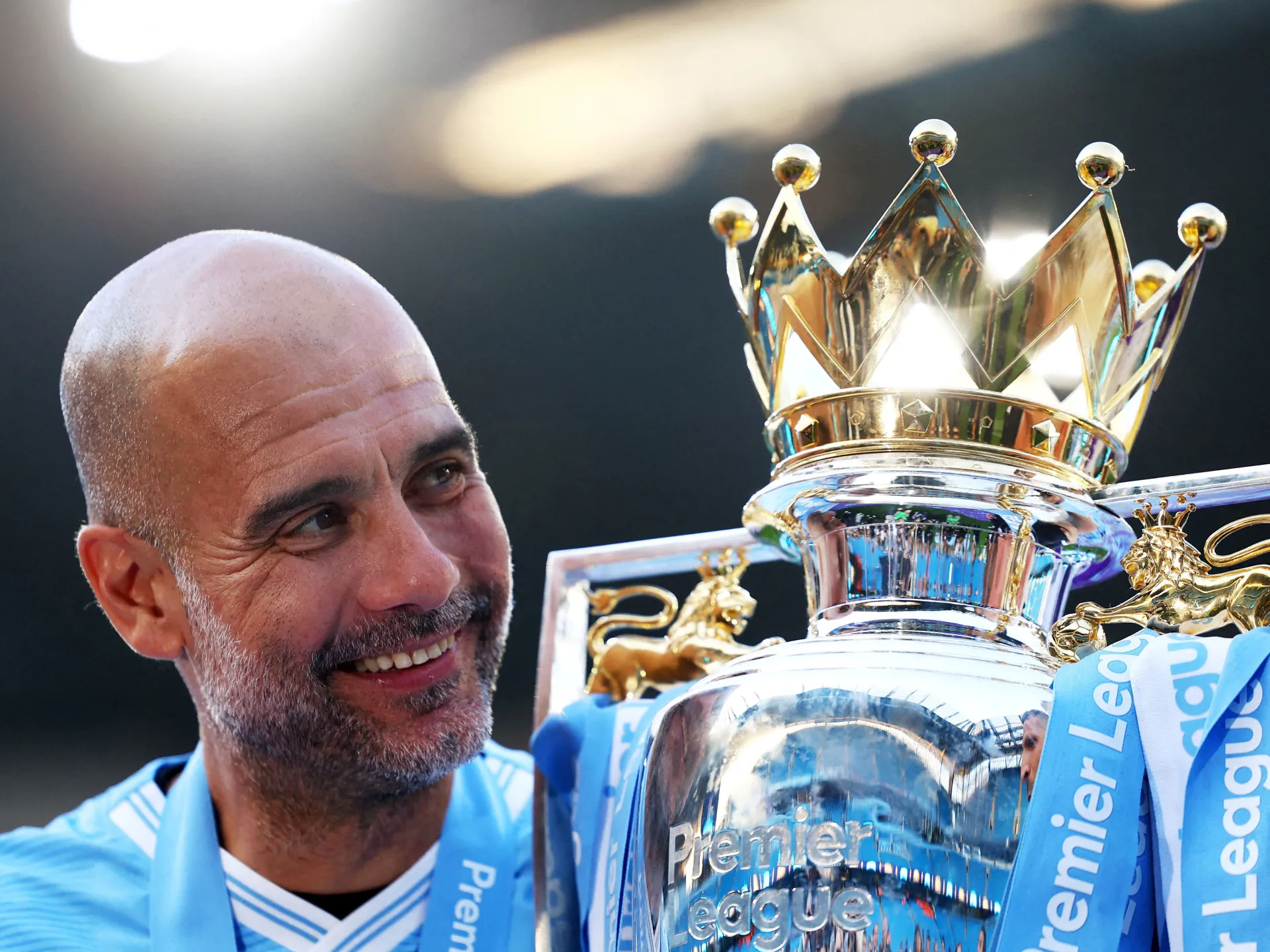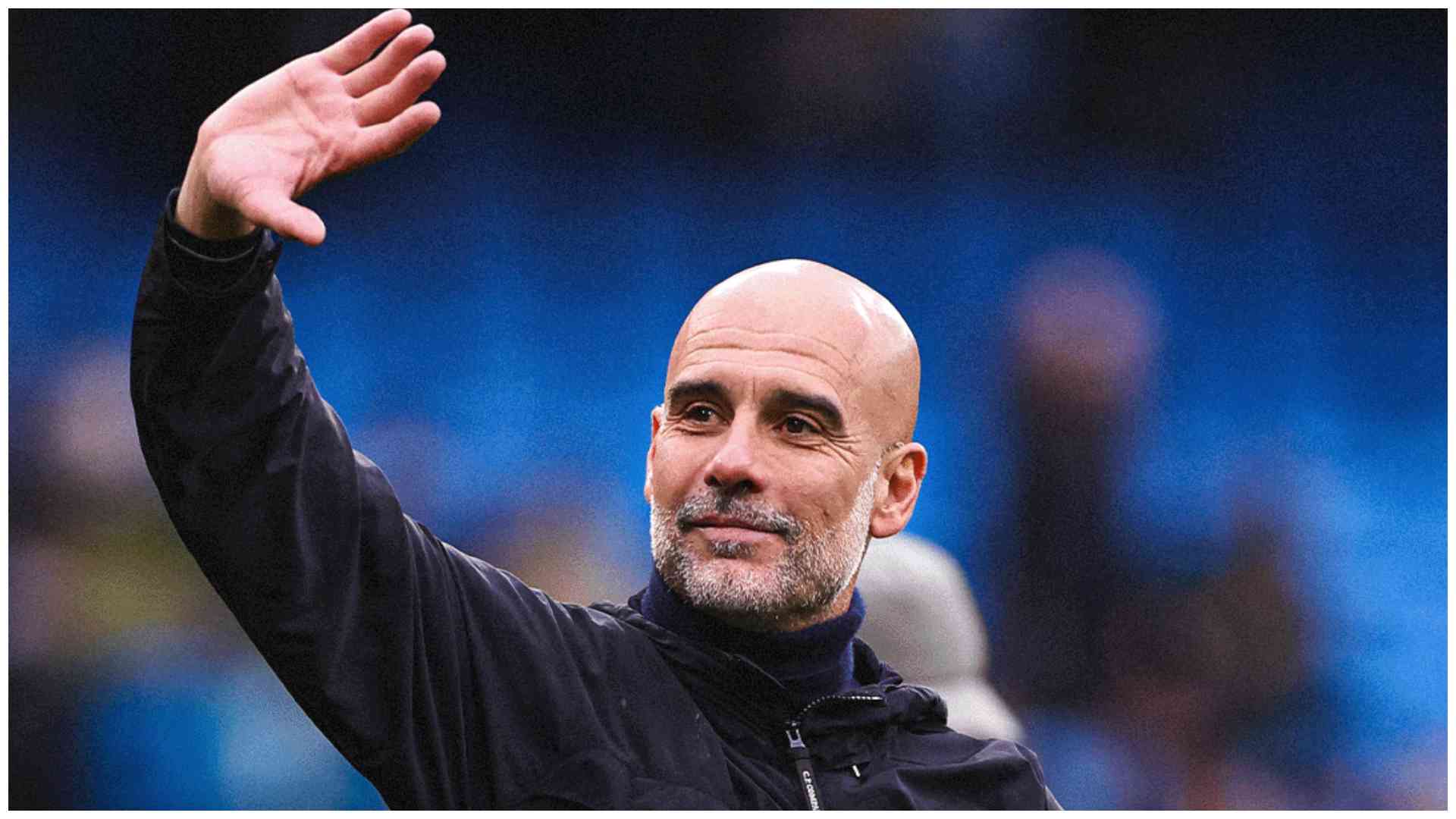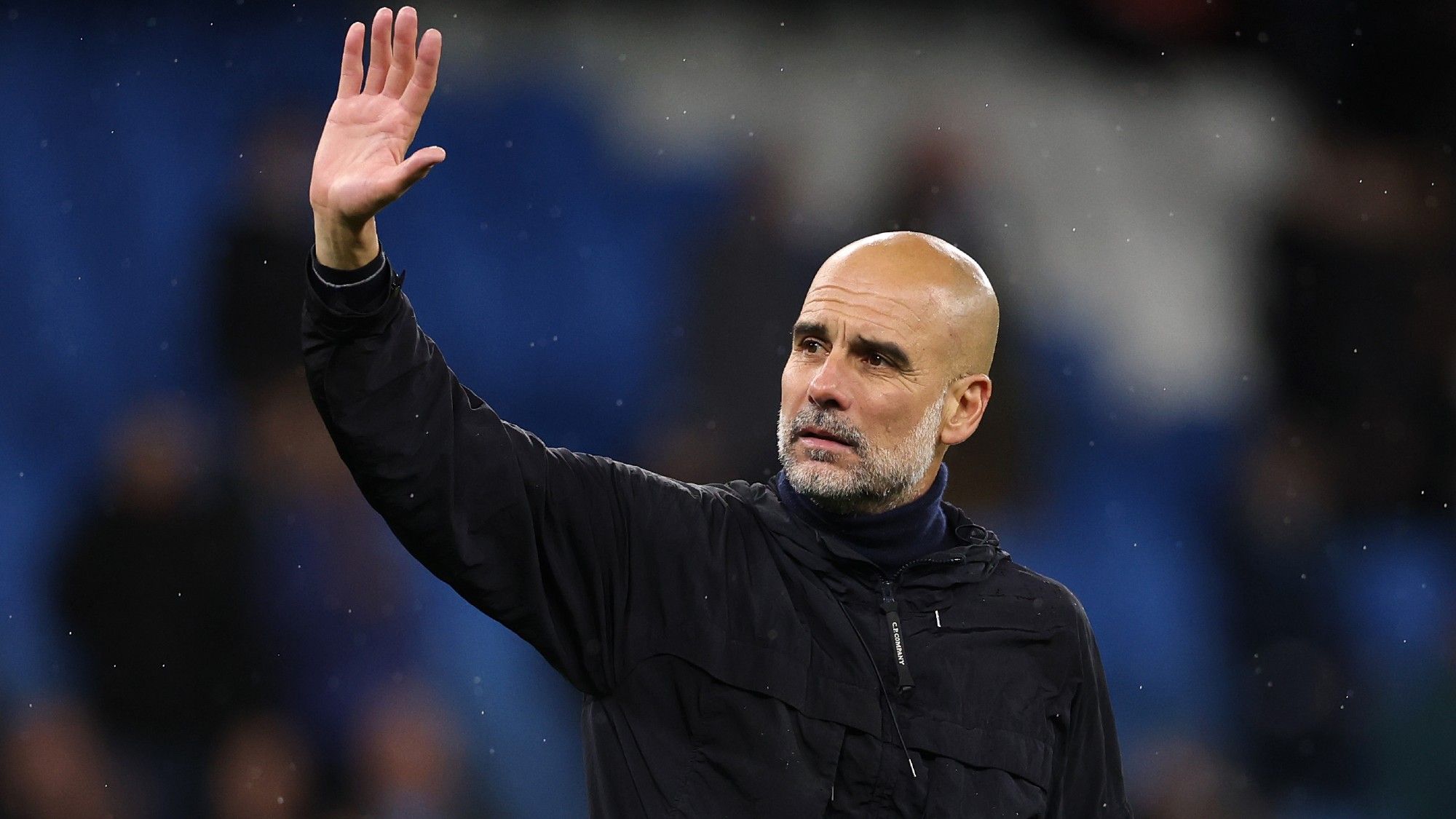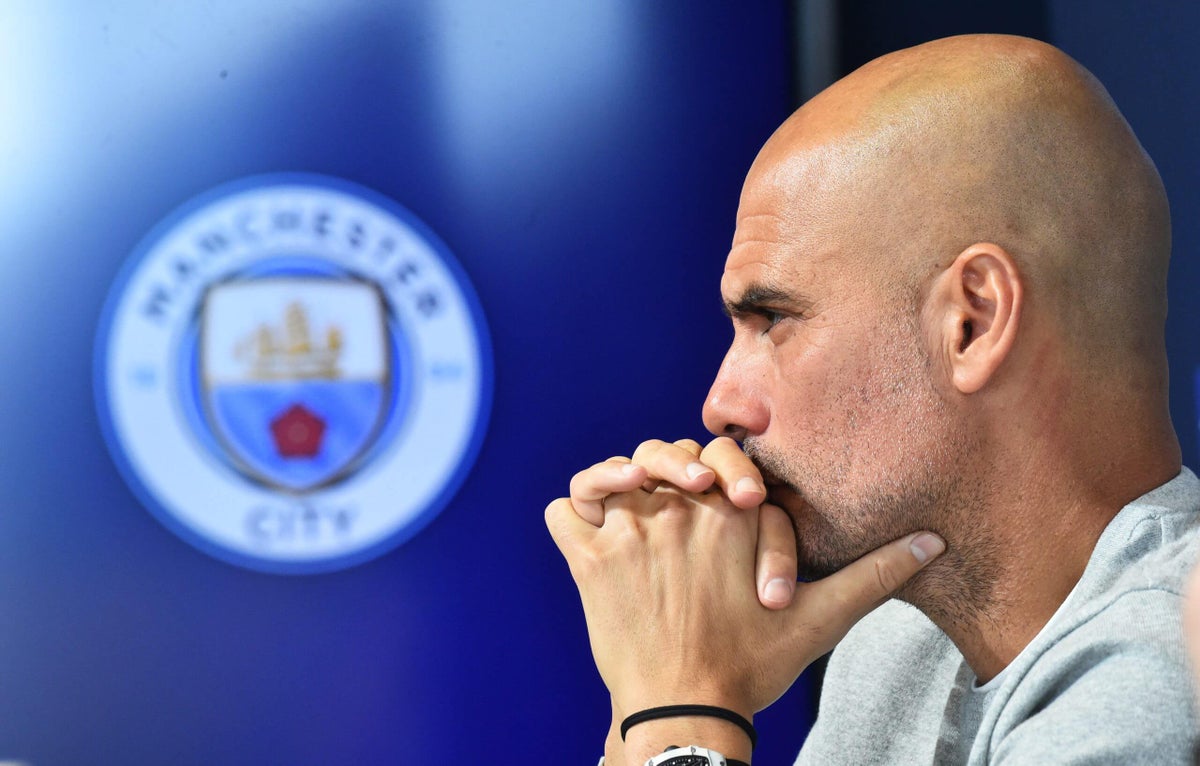
When Pep Guardiola arrived in Manchester in 2016, there seemed little chance he’d still be around by 2026. A decade-long stint was surely impossible for a manager who had only ever signed one-year extensions in Barcelona — and seemed to regret staying for a fourth year — and then left Bayern after three.Guardiola wasn’t considered a club-builder like Sir Alex Ferguson or Arsene Wenger. He was a tactician, a details man, a coach who was there for a good time, not a long time.Instead, Guardiola is, until his expected departure is confirmed, the longest-serving coach in English football. City have stuck by him — which seems a ridiculous thing to say considering his constant success, but during his first genuinely bad run in management, midway through last season, they responded by awarding him a new contract.Guardiola has stuck with City, too. Whereas he seemed to find Barcelona and Bayern highly stressful, he does seem to have genuinely enjoyed his time in Manchester.The consequence of that longevity is that we’ve witnessed Guardiola build several different successful teams. While his Barcelona and Bayern teams steadily evolved over the course of his management, Guardiola’s City had different, distinct eras. He essentially created three different, title-winning sides.Before he won the Premier League, though, Guardiola had to adjust. His tenure is sometimes depicted as an immediate success, as if he transformed the English overnight. That’s not quite the case. At the outset, Guardiola was too bold.His controversial decision to jettison Joe Hart was proven right in the long term, but his first solution, Claudio Bravo, didn’t work out. For all his footballing ability, Bravo found the physical side of English football difficult, and his shot-stopping statistics were poor. In the second half of Guardiola’s first season, 2016-17, Willy Caballero was favoured for his physical presence.Guardiola also rowed back on several of his initial plans, which included attack-minded left-back Aleksandar Kolarov as a centre-back, asking City’s existing full-backs to tuck into central midfield, and leaving out Yaya Toure completely. The overwhelmingly technical 4-3-3 was ditched towards the end of his first season, and Guardiola turned to a more structured 4-2-3-1 with Toure reintegrated because he offered experience and physicality that the pure technicians did not.Notably, Guardiola started talking about the importance of set-pieces and second balls. English football would be heavily influenced by Guardiola. But in that first season, Guardiola needed to adjust to English football.Guardiola pictured during a Premier League match in 2016 — his first season in the English top flight was a struggle (Laurence Griffiths/Getty Images)2017-19In his second and third seasons, Guardiola’s City were magnificent. Beefed up in defence by the presence of goalkeeper Ederson, the speed of right-back Kyle Walker and the reliability of centre-back Aymeric Laporte, Guardiola felt comfortable going back to his Plan A: a more technical midfield than anyone could imagine.Fernandinho had arrived in English football as a box-to-box midfielder, then became accustomed to a more reserved role in a double pivot, but Guardiola used him as the sole holding midfielder behind two players who were repurposed from No 10s (or wide playmakers) into ‘free 8s’, as Kevin De Bruyne called them. He played in the right channel, David Silva in the left channel, and in different ways — the Belgian with power and crossing, the Spaniard through neat interplay — almost reinvented what attacking midfielders could be. At times, it felt like a front five, with City’s left-back usually moving inside to keep the centre occupied.City stretched the play better than almost any side in football history. Guardiola flipped the trend of inverted wingers and used Leroy Sane and Raheem Sterling on their natural sides, dragging opposition full-backs towards the touchline and creating gaps for De Bruyne and Silva to attack into. Vertically, Ederson’s ability to hit 80-yard balls downfield for Sergio Aguero meant teams were prised apart, caught between pressing City’s build-up play and defending the space in behind.In the 2017-18 season, City hit 100 points, a record. The next season, they ‘only’ managed 98, but in holding off an excellent surge from Liverpool, who won 97 points, it was an equally impressive campaign.2020-222019-20 was an off-season for City; distant runners-up to Liverpool. They bounced back impressively to win the title in 2020-21 and 2021-22; the first one with ease in a forgettable behind-closed-doors season, the second after another excellent charge from Jurgen Klopp’s Liverpool.
Pep Guardiola built three great Manchester City sides – he hasn’t been able to build a fourth
Compared to other previous iterations under Guardiola, the current City side often lack control of games and aren't tactically flexible
2,216 words~10 min read