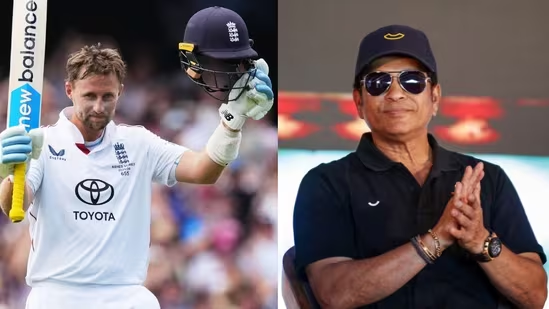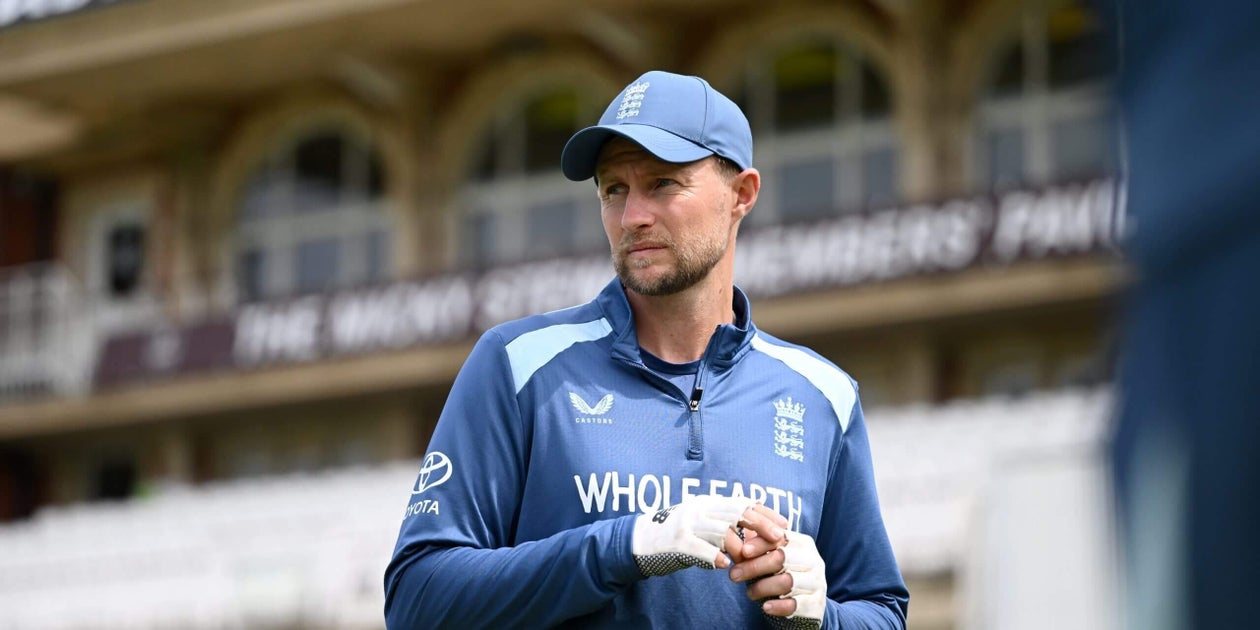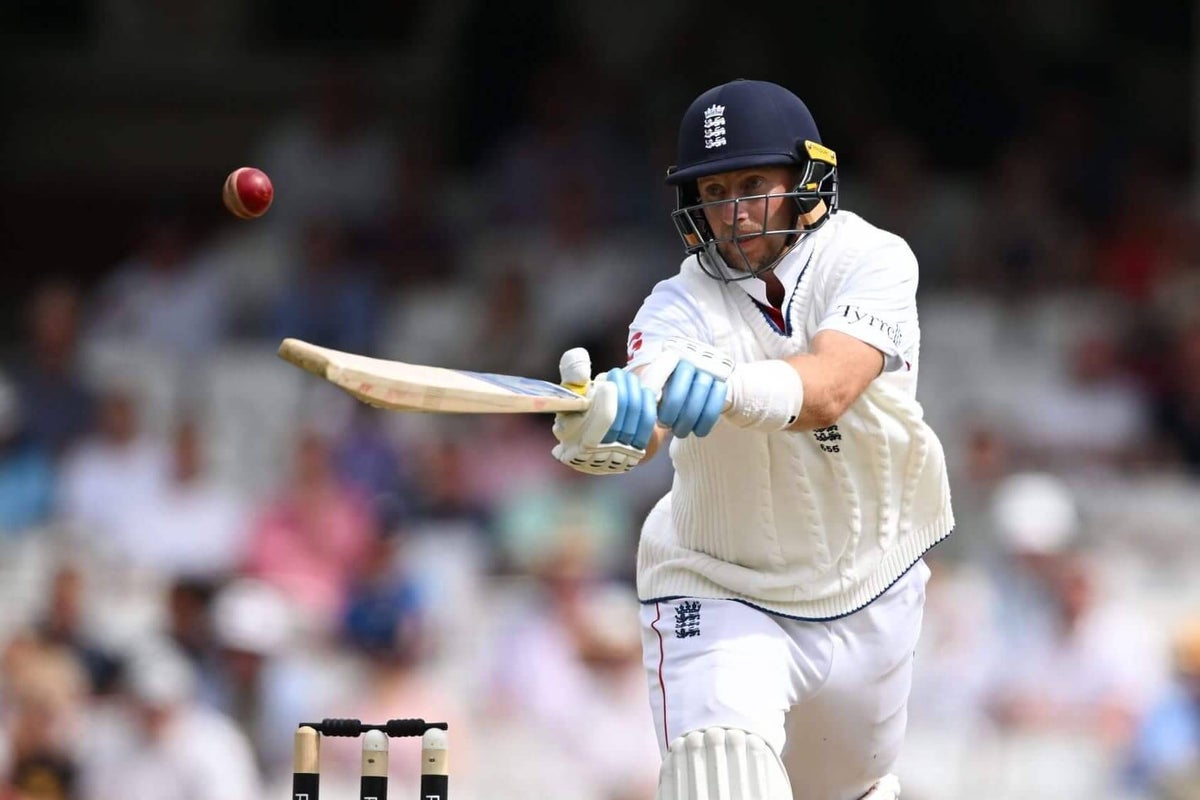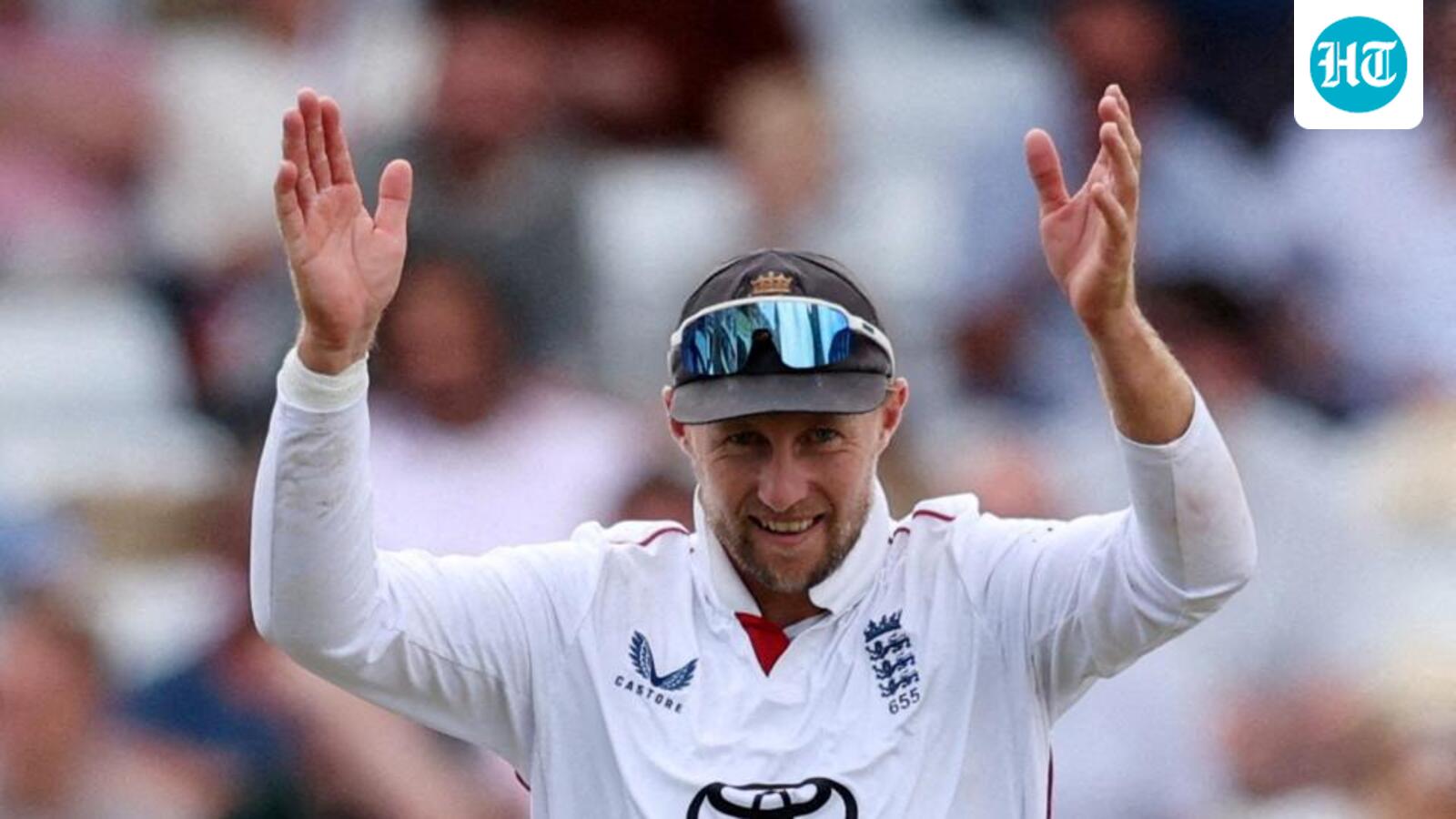
The Athletic has launched a Cricket WhatsApp Channel. Click here to join.The first thing The Athletic notices upon meeting Joe Root up close is the thickness of his forearms. Now 35 and about to embark on his 14th consecutive home Test summer, England’s greatest batter still radiates a boyish quality that no amount of stubble or crow’s feet can dim.“Do you mind if I have a quick shower?” he says as he ambles over to say hello after a morning of batting practice on a blustery but warm Headingley outfield. Firm if slightly sweaty handshake notwithstanding, there’s a gentleness to Root; old-school manners, slender shoulders and a reedy Sheffield twang. But he has the forearms of a burly lumberjack.Seriously, they are Popeye-esque. One half expects to see an anchor tattoo on each as he strolls off to freshen up.Has anyone mentioned this before? Maybe this is the scoop, the secret to his untrammelled success? They are like fleshy girders, all the better for scoring nigh on 14,000 Test runs with. But no, there’s a bit more to it than that. Ten minutes later Root emerges and, for the next couple of hours, he chats freely about life on and off the field.Joe Root. Forearms like girders (Harry Trump/Getty Images)First to his form. He has scored 237 runs in four innings for Yorkshire this season, but told the BBC recently that he “didn’t feel great” at the crease. Even so, the ability to score runs during these periods is something Root prides himself on.“I’m always looking to evolve, to try and add things to my batting,” he says. “To make sure that I feel as compact and as technically sound as I can be so that when the actual games come around I can think tactically and play what’s right in front of me rather than worrying about technical stuff or anything else out in the middle. It sounds so simple but when I’m at the crease, I just want to be playing the game.”Does he see himself as a technician of batting? “I’d prefer the term artist,” he replies earnestly.He played his first men’s game of cricket at just eight years of age. “Batted 11, hit one four. Got hit and should have been out ‘ribs before wicket’ but finished eight or nine not out and earned myself a can of pop from one of the senior players.”Root’s parents, Matt and Helen, believe this early exposure to club cricket has been instrumental in his success. “He was so slight as a lad and he could barely hit it off the square” says Helen. “But that grounding in club cricket, playing against his own age group but also against men in quite an uncompromising environment, was definitely important in his development.”“That and the amount of throw-downs he had in the back garden,” Matt chimes in, mock rubbing his shoulder.Root junior agrees with his mother’s account. “I don’t think that sort of thing happens any more, but yes, looking back it was a big advantage playing against big blokes from such a young age. I mean, I couldn’t score runs really, I had to bat a long time to score anything, so I had to learn to stay in and find a way of doing that. Through that I developed a good technique; that stood me in really good stead.“I never take (the consistency of his form) for granted. You start on nought every time you go out and bat. The conditions, the pitch, the environment, the opposition could all be different. The state of the ball, too. It’s a completely new event, a new opportunity every time you walk out to the middle. I look at each time I go out to bat as a new chance to go and do something different in the game.“Looking at batting like that has been quite important in being able to be consistent; not getting too big headed at any stage if it is going well but not getting too down on yourself when it isn’t. Just being quite objective and realistic about things. I try to just be excited about the opportunities I’m afforded rather than the danger of a particular situation.”Joe Root departs at the lunch break of day two of the Sydney Test this year (Cameron Spencer/Getty Images)Root has only been dropped from the England Test side once in his career, for the final Test of the 2013-14 Ashes in Sydney. In his 2015 book he described himself as “distraught” when then captain Alastair Cook informed him. He vowed to use the feeling as a sort of wretched inspiration to ensure it never happened again.Over a decade on, does he recognise that youngster with such fire in his belly?“The more I’ve played and the more I’ve been involved in the game from a professional side of things, the more I’ve realised individual success is not what you get the most enjoyment out of,” he says. “It’s about the collective and being a part of something bigger than yourself and understanding that cricket, and batting in particular, is a game of failure.“You’re living alongside failure nearly all the time and that’s the case even if you’re one of the best players in the world. So if it’s all about you all the time, it’s a depressing sport to play.”
Joe Root on Tendulkar, McCullum and the art of batting: ‘If cricket is all about you, it’s a depressing sport to play’
England's greatest run scorer is far from done yet - in fact he's still string to improve, as he tells The Athletic before the Test summer
3,116 words~14 min read