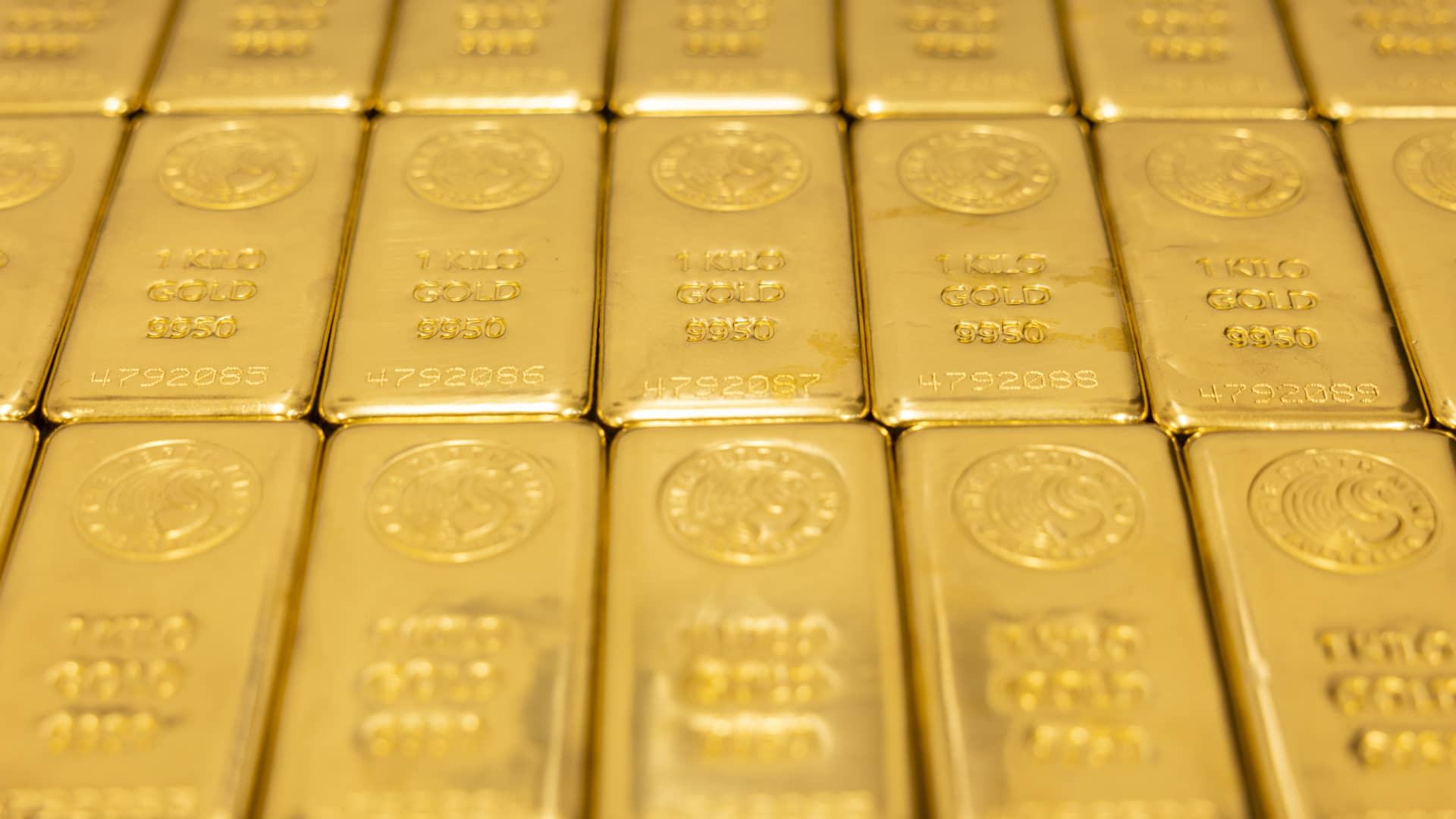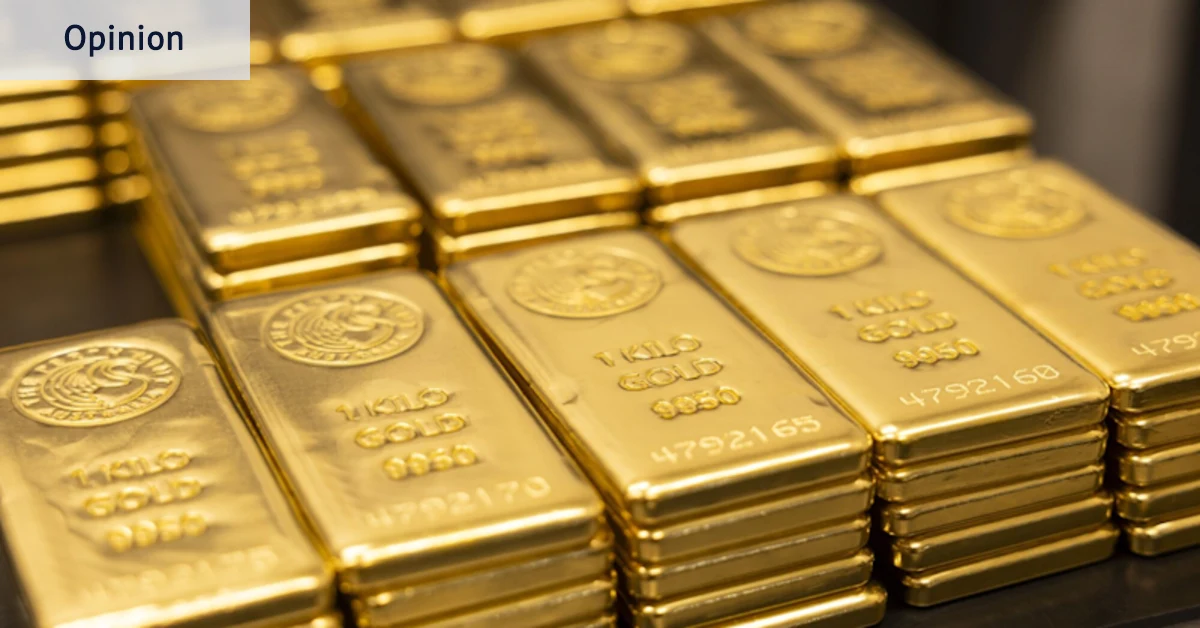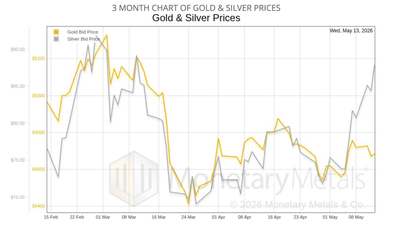
Gold has surged to record highs in recent months, prompting investors to reconsider its role in portfolios. But with prices already elevated, is it too late to buy or could continuing geopolitical instability push gold even higher?Gold briefly surged past $5,000 an ounce earlier this year before pulling back and at the time of writing it was below $4,600, according to Gold Core chief executive David Russell. “That pullback was not unsurprising, not only might one expect to see this sort of price action in a bull market [but] we also have to remind ourselves that in the first quarter of the year we saw a major escalation in terms of geopolitical unrest. Both of which can affect the price of gold.”The recent pullback following the attacks on Iran can be largely attributed to the fact that in periods of geopolitical stress, markets often look for liquidity, says Russell. “Gold is frequently sold because it is liquid and can quickly raise capital.“Despite this, prices remain at historically elevated levels. The underlying drivers have not changed: strong central bank demand, concerns around debt and currency stability, and ongoing geopolitical risk.”The pace of gains may cool and consolidation is likely after such a sharp run, but the underlying case for gold has strengthened, agrees Nicholas Charalambous, managing director at Alpha Wealth. “That said, gold should not be expected to move in a straight line. It has historically experienced sharp drawdowns and periods of heightened volatility, even within longer-term bull markets.“Short-term volatility can also be counterintuitive. Gold may fall during acute stress events before recovering, as investors prioritise liquidity over protection in the initial phase of a crisis.” For Irish investors, currency swings can further influence returns, meaning euro-dominated performance may diverge from global headlines.In the months leading up to March, precious metals – particularly silver and, to a lesser extent, gold – had a sharp rise in speculative positioning, largely via exchange-traded fund (ETF) inflows. That left the gold market technically overbought, says Davy investment strategist Stephen Grissing. Stephen Grissing, investment strategist, Davy: 'The same forces that have lifted gold could turn against it.' Photograph: Fennell Photography “When broader financial market volatility intensified, those crowded positions began to unwind, putting downward pressure on gold prices,” he adds. “If volatility re‑accelerates in the coming weeks or months, further deleveraging of speculative trades cannot be ruled out. The same forces that have lifted gold could turn against it. Geopolitical calm, dollar strength, and a pullback in central bank buying would put real pressure on prices, even if they’re not our base case.”Any stabilisation in global conditions or shift in investor sentiment could trigger a sharp pullback; steep corrections are not unusual after moves of this magnitude, agrees Charalambous. “Gold has experienced sharp declines in the past, so volatility is an important risk, particularly for investors expecting stable or steady returns. Higher interest rates – especially if the ECB keeps policy tighter for longer, or more attractive returns from deposits – can reduce gold’s appeal as it does not generate income.”Gold does not move in line with inflation data month to month, says Russell. “Instead, it acts as a hedge against the broader monetary conditions that tend to produce inflation over time, such as currency debasement, oil price shocks, negative real returns and declining confidence in central banks.“Over the long term, the data produced by the World Gold Council is clear. Since the early 1970s, gold has outpaced inflation and preserved purchasing power. In periods of moderate inflation, it has delivered steady gains, and in periods of higher inflation its performance has been stronger still.”Gold is best viewed as strategic insurance rather than a speculative asset, says Russell. “Gold plays the following core roles within a portfolio: supporting long-term returns, enhancing diversification and providing reliable liquidity. It helps preserve purchasing power over time and offers protection during periods of market stress, when other asset classes may struggle. “Its liquidity is particularly valuable in times of crisis, when selling other assets can prove difficult.”Some investors prefer physical bullion over financial products that offer exposure to gold, says Russell. “When held in allocated storage, it removes counterparty risk and gives direct ownership of specific bars or coins.“For Irish investors, investing in gold bullion is often combined with storage in stable jurisdictions, adding an extra layer of diversification beyond the domestic financial system.”It’s not necessarily too late to buy gold now, says Charalambous, but anyone buying at the moment is doing so at clearly elevated levels. “Phasing in exposure gradually is a more prudent approach than committing a large sum at the peak of a historic rally. A steady approach, like investing gradually or rebalancing over time, tends to work better than trying to time the market, particularly given how unpredictable gold prices can be. “This is especially important for Irish investors who may be moving from cash into markets for the first time and need to manage entry risk carefully.”Gold could face downward pressure if we see a stronger US dollar, rising real interest rates, lower inflation expectations, or a meaningful easing of geopolitical tensions, says Russell. “But we would expect this to be in the short term. Currently, all the reasons for gold’s rise remain in place. Global debt is climbing, purchasing power of currencies is falling and everyday savers are very worried about the stability of the financial and geopolitical system.”
Gold rush: What role should the precious metal play in portfolios?
In an overbought market is the shine going off gold, or is it best viewed as strategic insurance?
896 words~4 min read