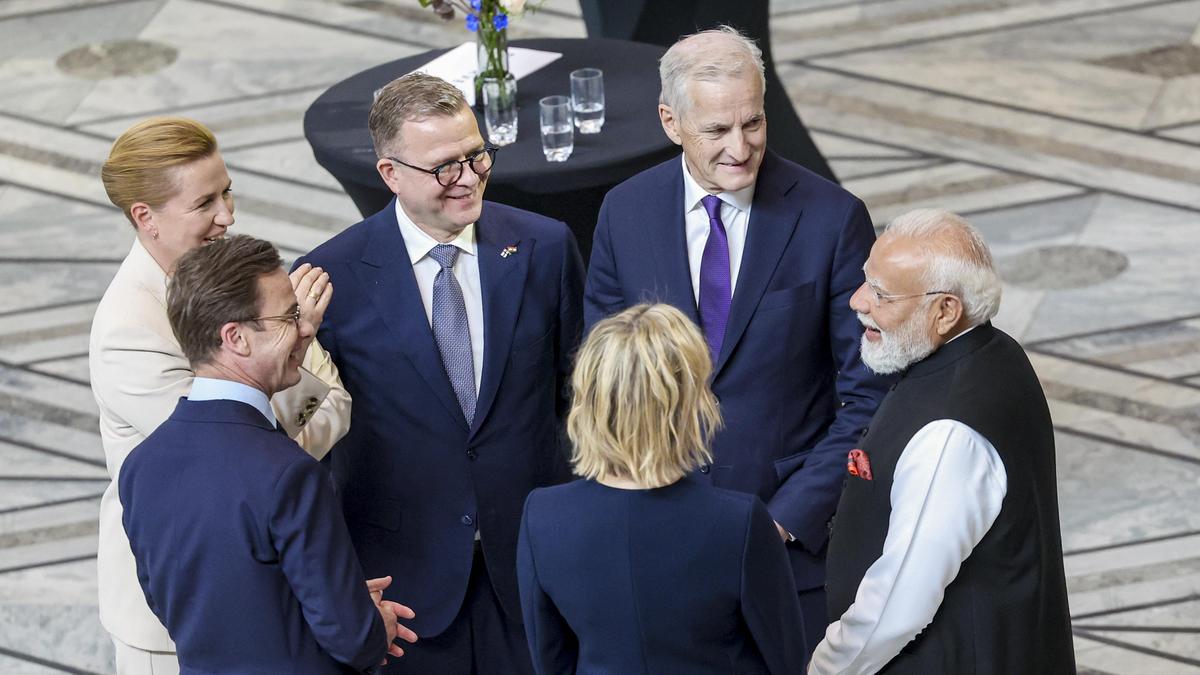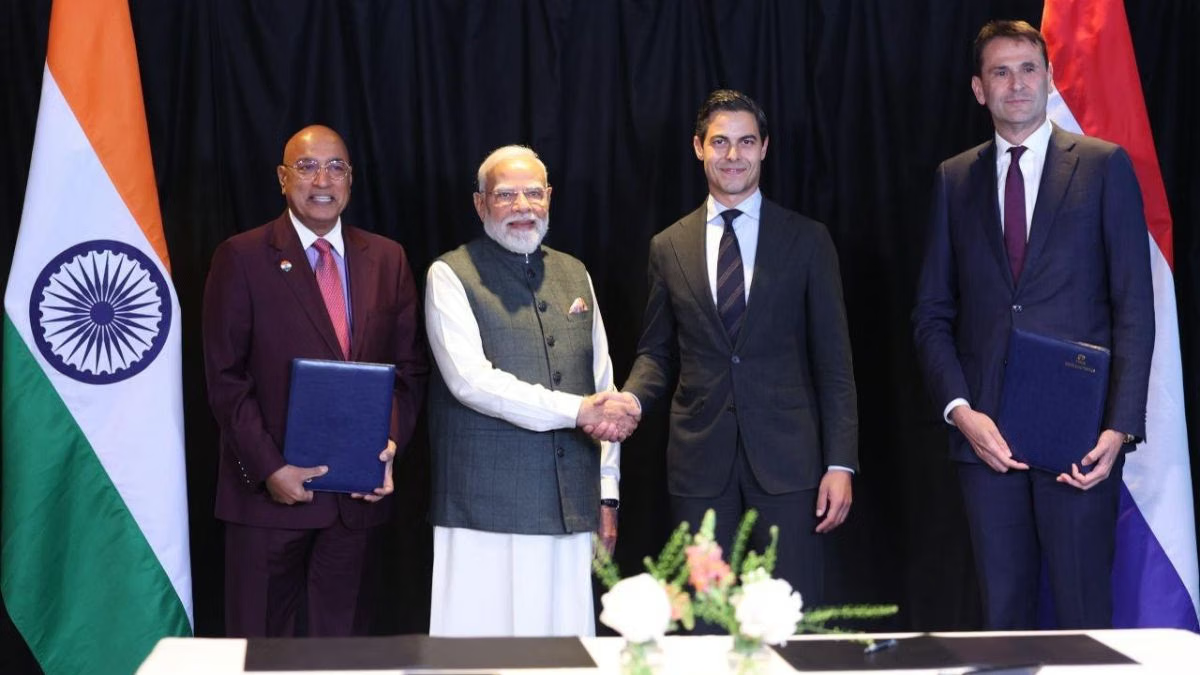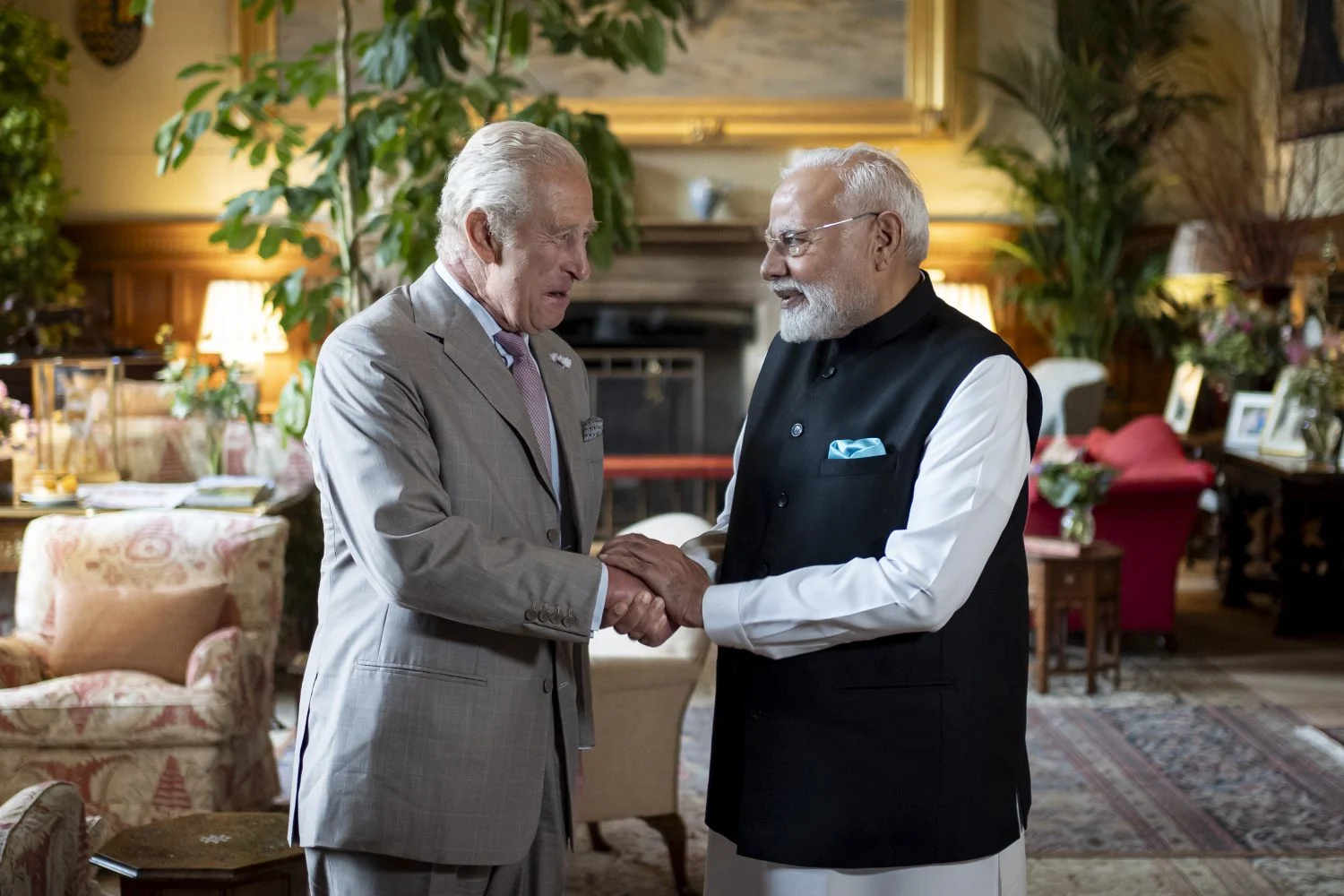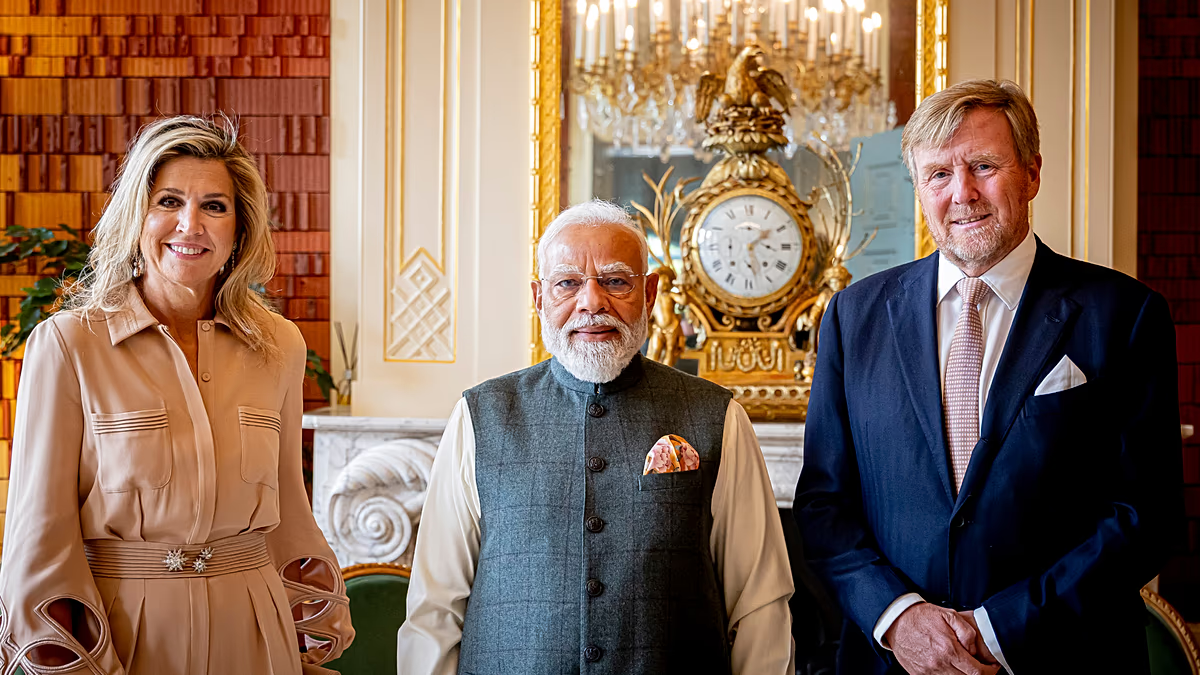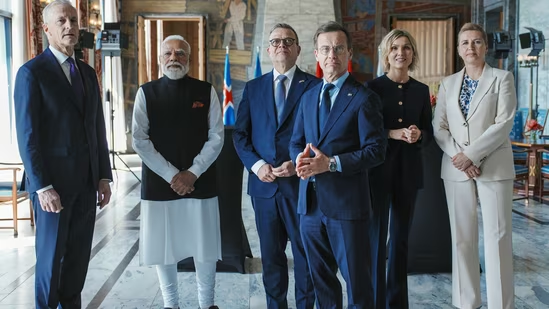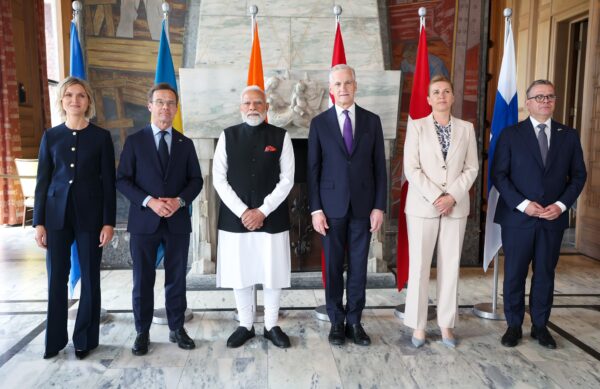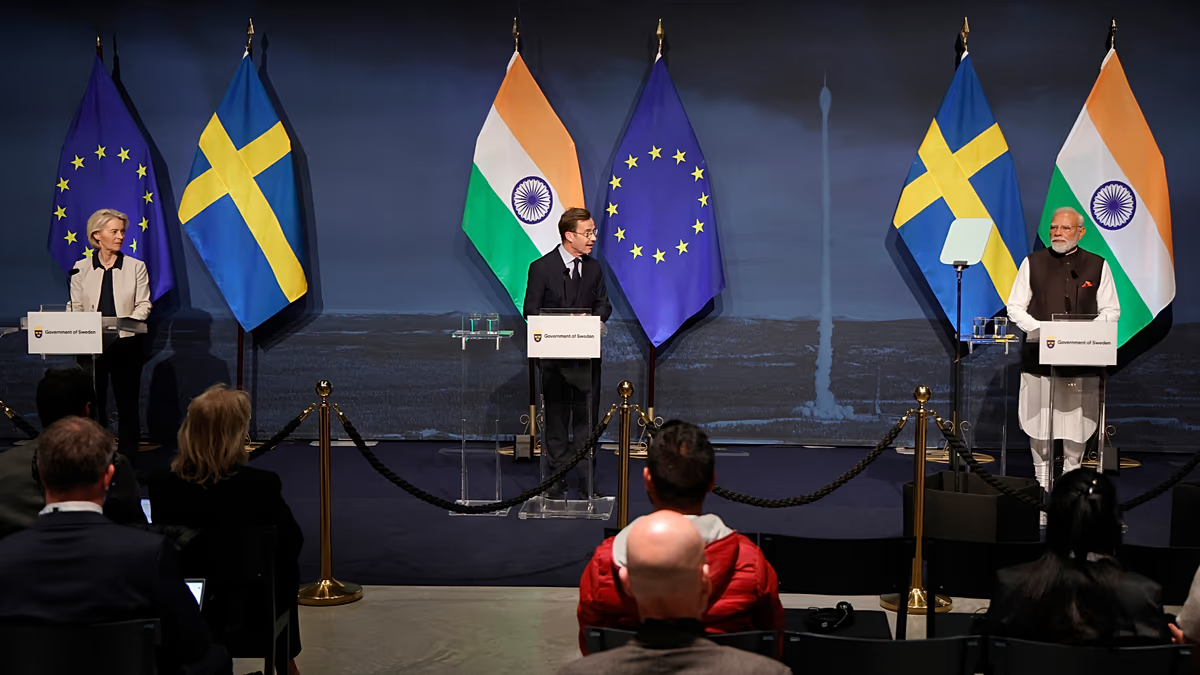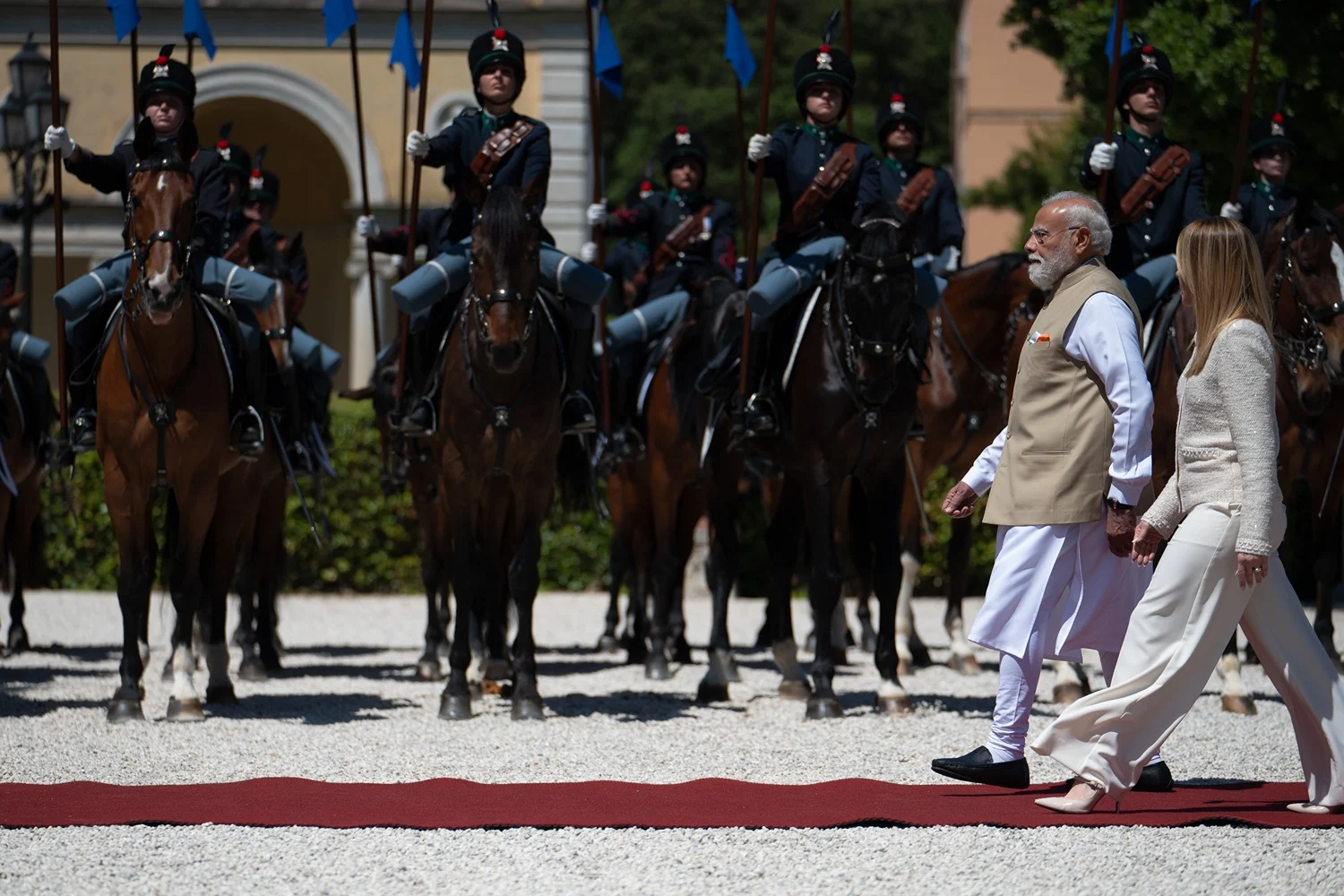
Indian Prime Minister Narendra Modi’s recent European tour, which included stopovers in Italy, Netherlands, Norway, and Sweden as well as participation in the India-Nordic Summit, has revived platitudes about the world’s largest democracy. Almost every joint statement between India and a Western country acknowledges both countries’ common democratic heritage as the basis for deepening cooperation.
India has long been seen as a counterweight to China in its material heft. It is the world’s most populous country and on track to become the world’s third-largest economy by the end of this decade. But it is also seen as appealing because of its democratic values, which make it an alternative to China’s one-party techno-surveillance state.
New Delhi is not averse to leveraging this status, referring to itself as the “mother of democracy” and promoting global governance initiatives through the prism of its democratic credentials. Take India’s role as host during the Artificial Intelligence Impact Summit earlier this year, where the “democratization of AI” was a key theme. India’s democratic credentials are also the basis of its claim to be a “voice” of the global south as well as its ongoing bid for a permanent seat on the U.N. Security Council.