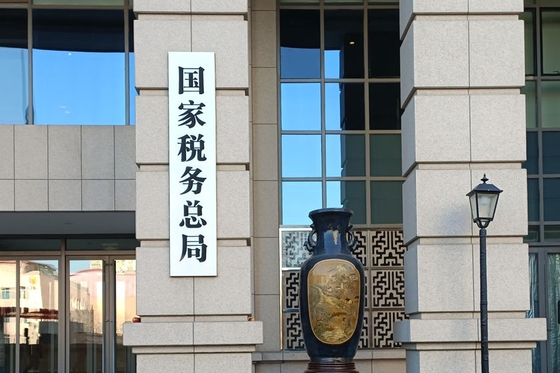
China's tax authorities have deepened the rectification of the so-called invoicing economy to curb irregular investment attraction while ensuring the normal invoicing needs of compliant enterprises.
From January to April, the invoiced amount in six industries with a high concentration of enterprises involved in irregular investment attraction — including the comprehensive utilization of waste resources; recycling of renewable materials; wholesale of mineral building materials and chemical products; organizational management services; information technology consulting services; and road freight services — fell by 5.9 percent year-on-year, with the decline widening by 4.6 percentage points compared to last year, according to data from the State Taxation Administration.
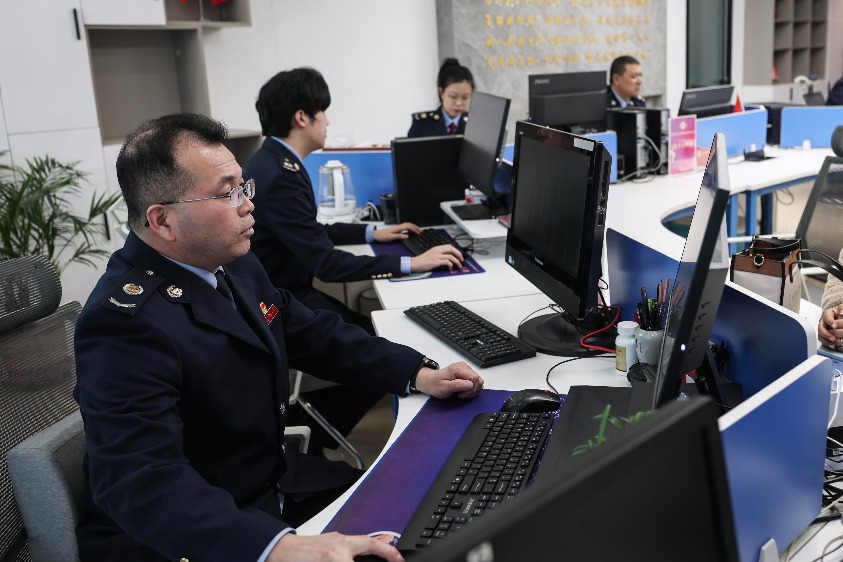
An STA spokesperson stated that tax departments have worked with public security and market regulation departments to deeply rectify tax issues related to the invoicing economy. This has driven a continuous and nationwide decline in both the number of enterprises issuing irregular invoices and their total invoiced amounts.
A typical scenario of the invoicing economy involves some local governments breaking fiscal and tax boundaries to meet economic, fiscal or investment attraction targets. Through fiscal returns and subsidies, they attract shell companies — with no physical entities, personnel or real business — to create a false illusion of economic prosperity through mere numerical manipulation.