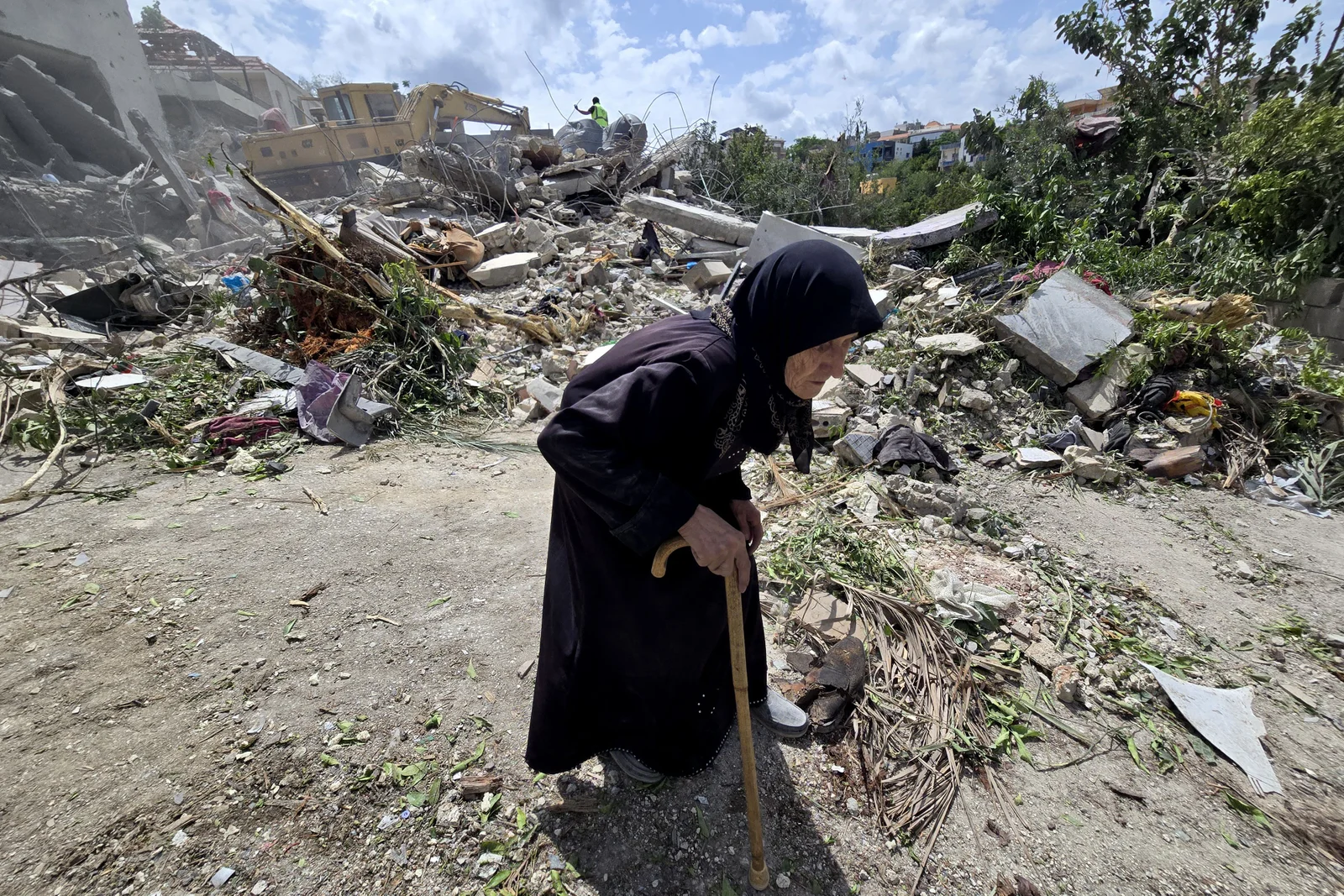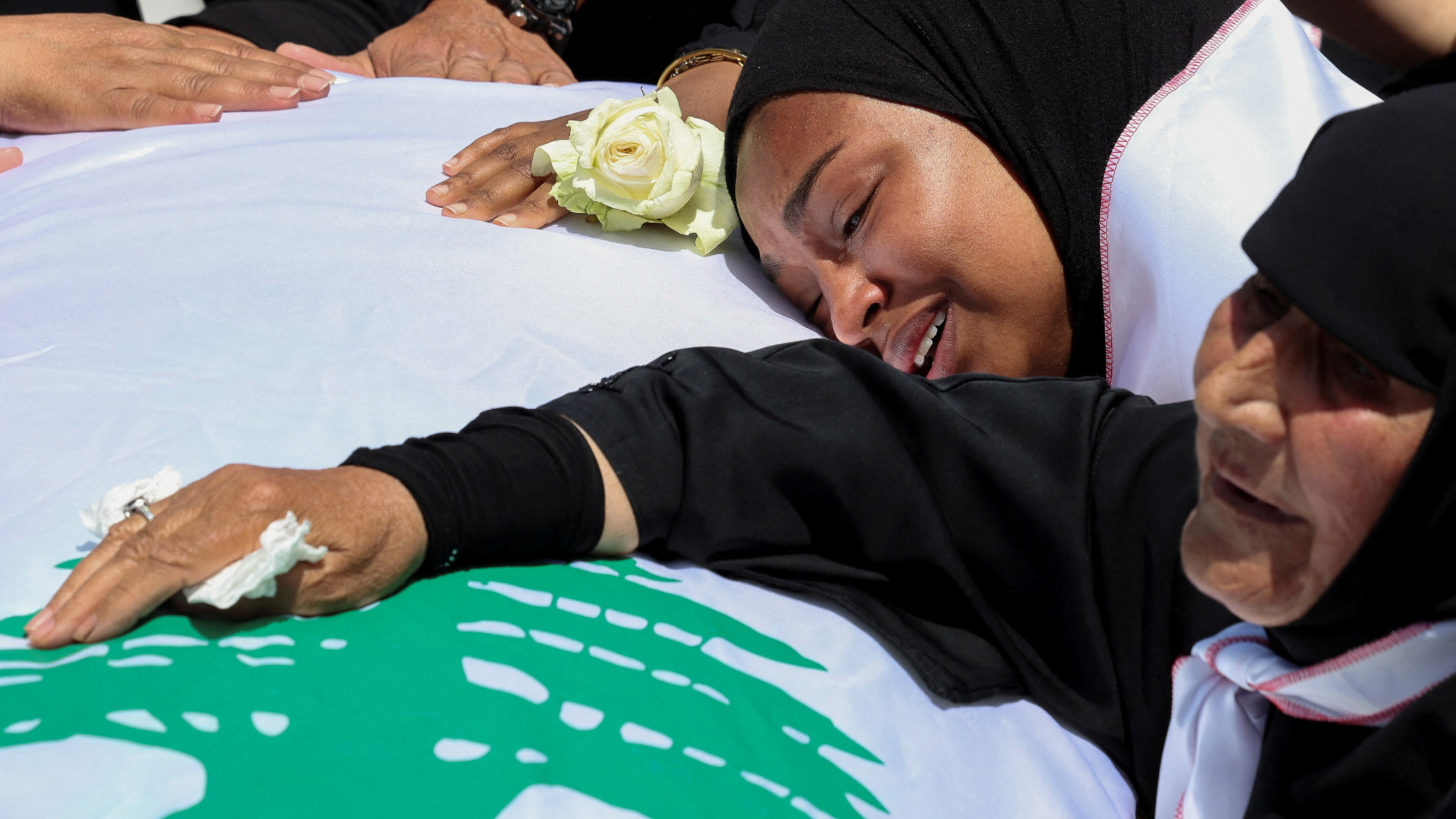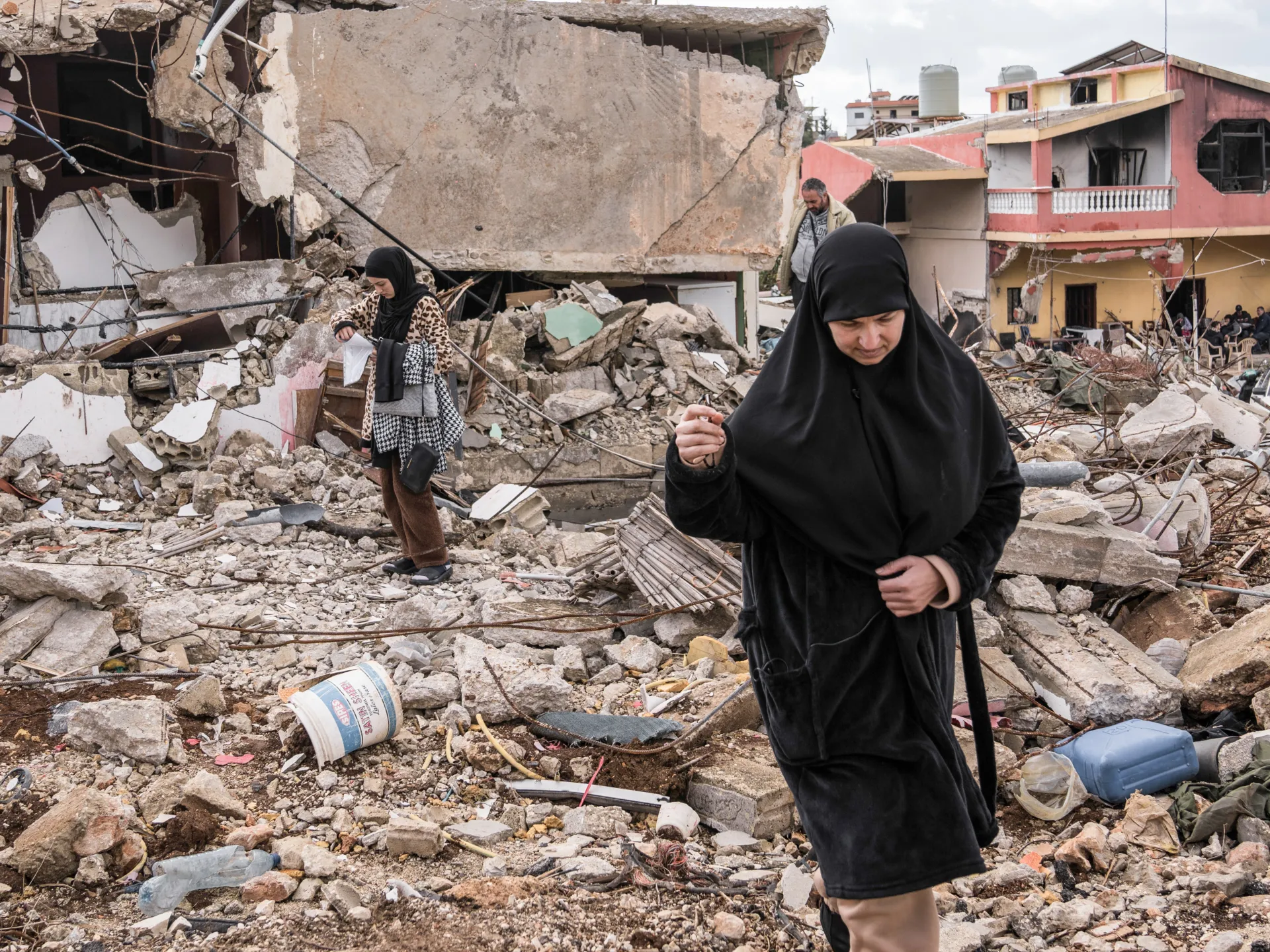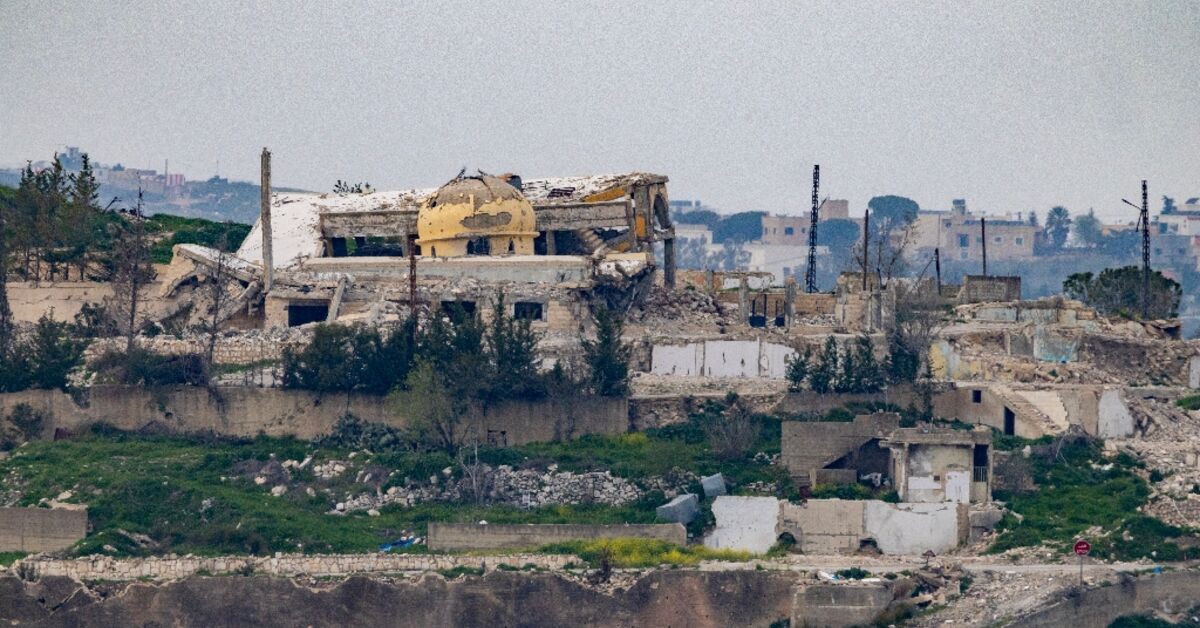
Lebanese mother-of-two Hala Farah is collecting photos and videos to preserve the memory of her hometown which, like many others along the southern border, has been completely destroyed by Israeli forces.Testimony from residents and officials, as well as satellite images and photographs taken by AFP journalists on both sides of the border, show widespread destruction in dozens of Lebanese towns and villages since the start of the Israel-Hezbollah war on March 2.Responding to Hezbollah's attacks, Israel carried out massive airstrikes and launched a ground invasion in the south, which borders Israel and where the Iran-backed movement holds sway.While a ceasefire began on April 17, the destruction, demolitions and bulldozing in southern areas have only intensified, affecting homes, infrastructure, schools, places of worship and farmland.Israel's army, which sometimes issued evacuation warnings ahead of strikes, has repeatedly said its attacks target Hezbollah sites and operatives -- not civilians.
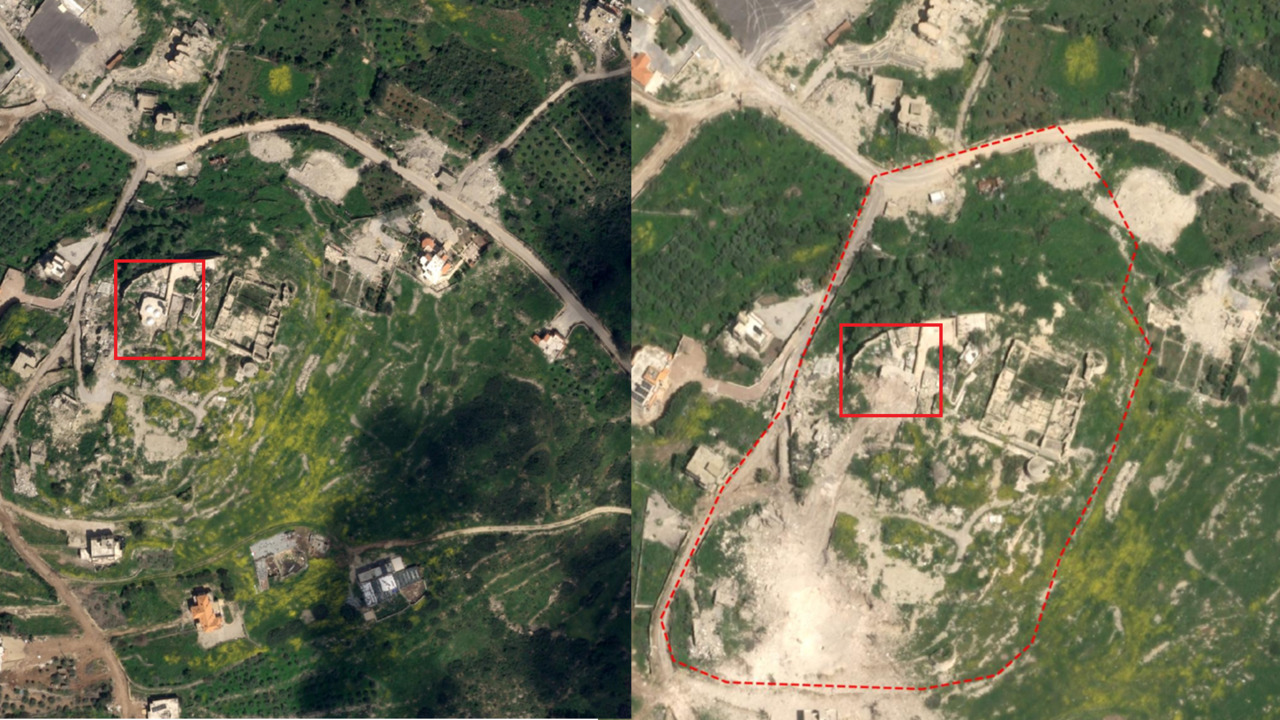
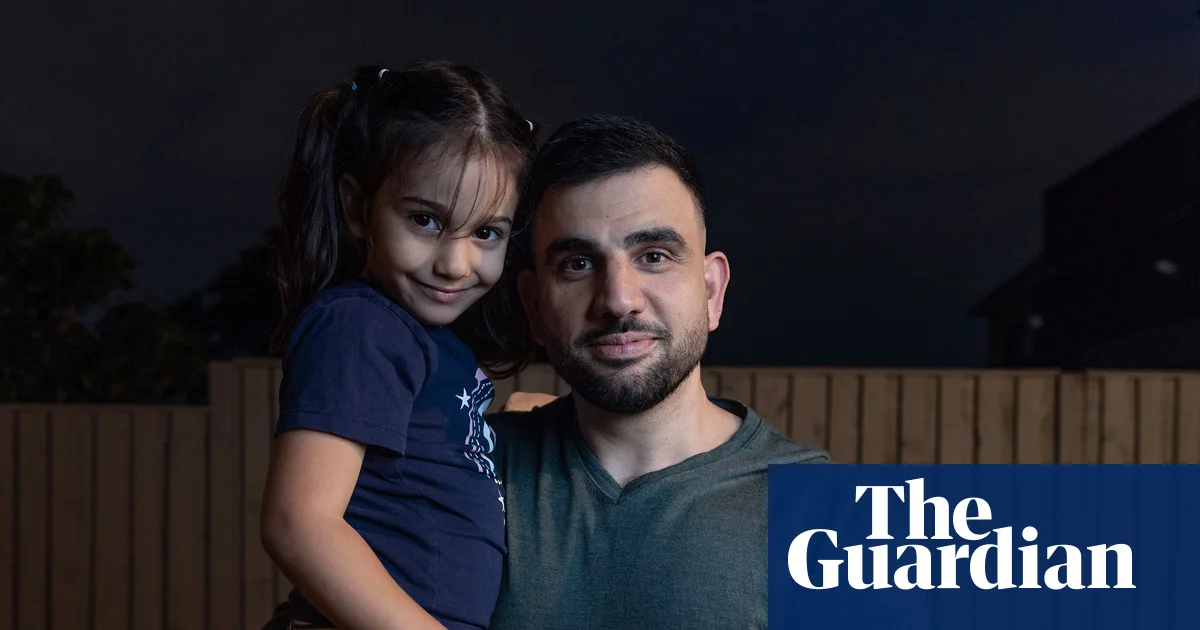
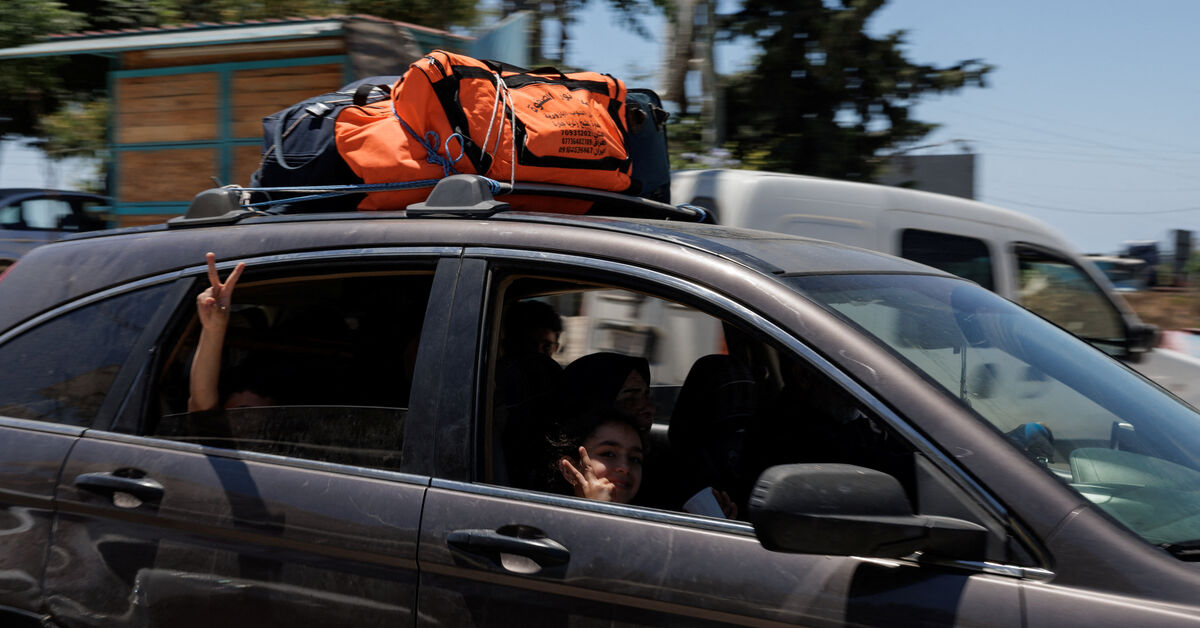
But Farah, 33, said everything in her hometown Yarun, less than a kilometre (mile) from Israel, has been destroyed."All that's left are memories and some pictures that we and the neighbours are trying to collect... so that we can tell our children what Yarun was like," she told AFP."I had hoped my daughters would grow up in the family home," she said, wearing a pin showing her village.Yarun has found itself on the front line before: satellite images seen by AFP show it had been mostly destroyed by early 2025 following the previous Israel-Hezbollah war, with its Saint George church left with only three walls standing.Other medium-resolution images, taken earlier this month and reviewed by AFP, show that what had previously been spared is now gone.- Reduced to rubble -Unable to return to the south, some displaced families are sharing the cost of purchasing satellite images -- at $140 -- to catch a glimpse of their hometowns.