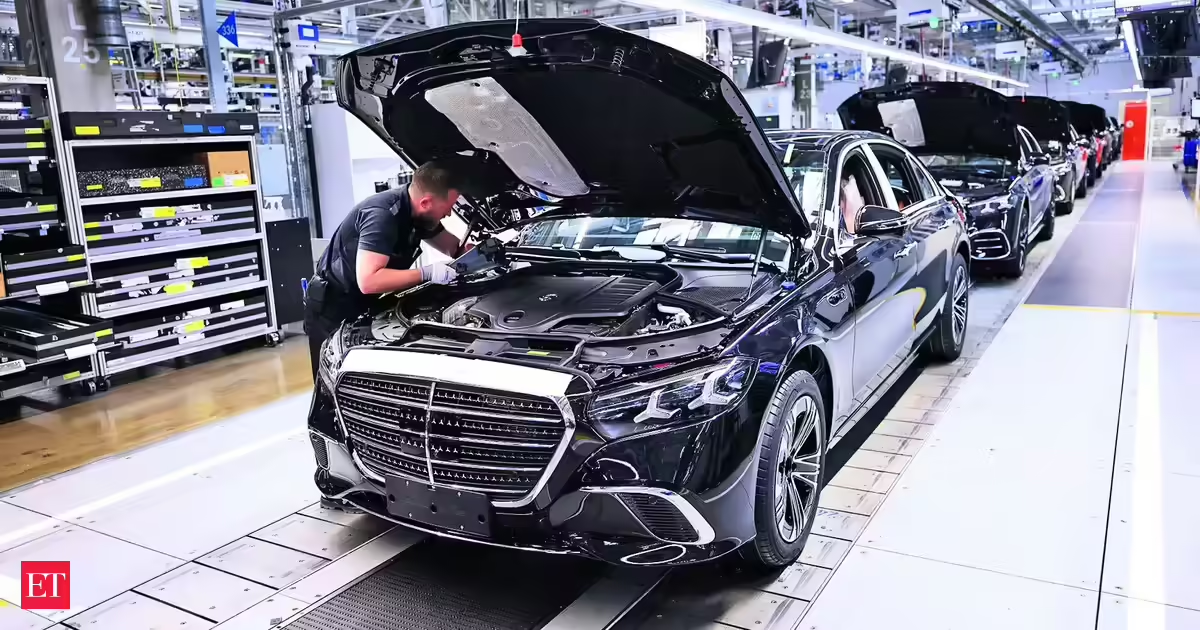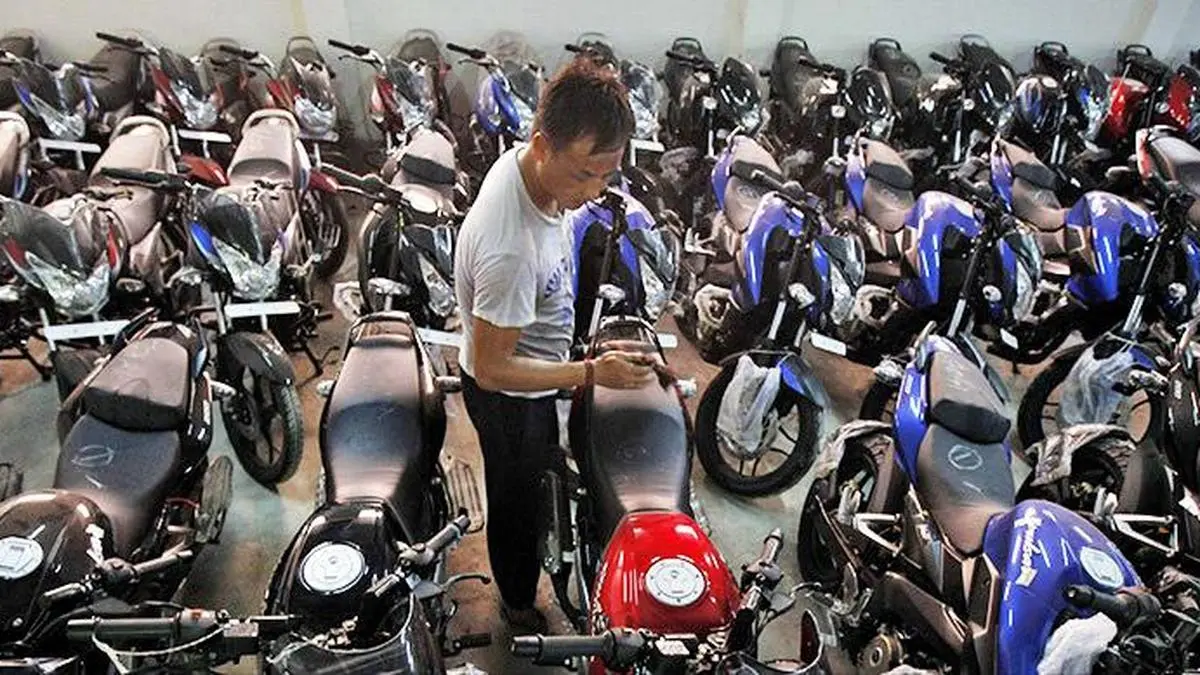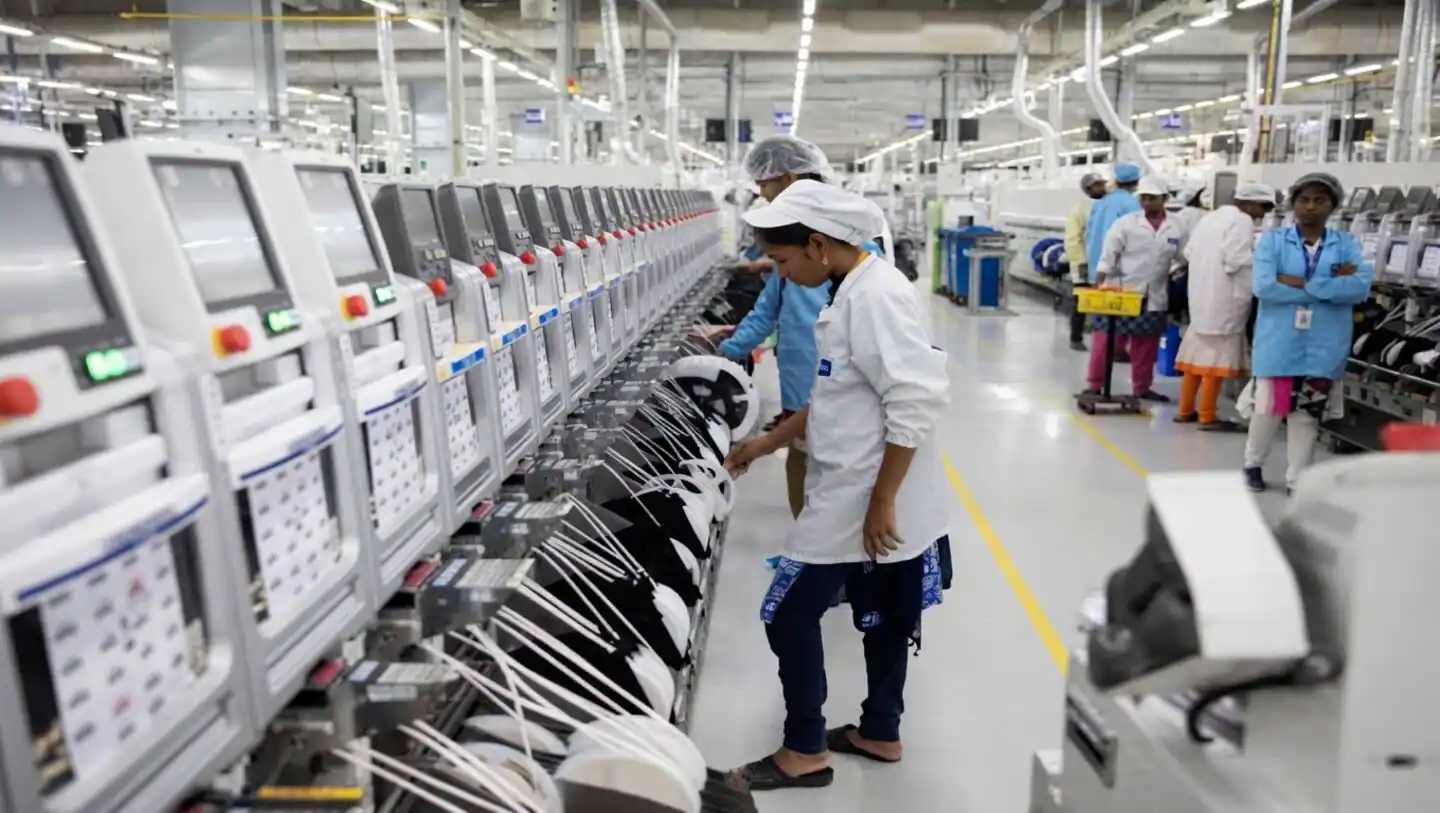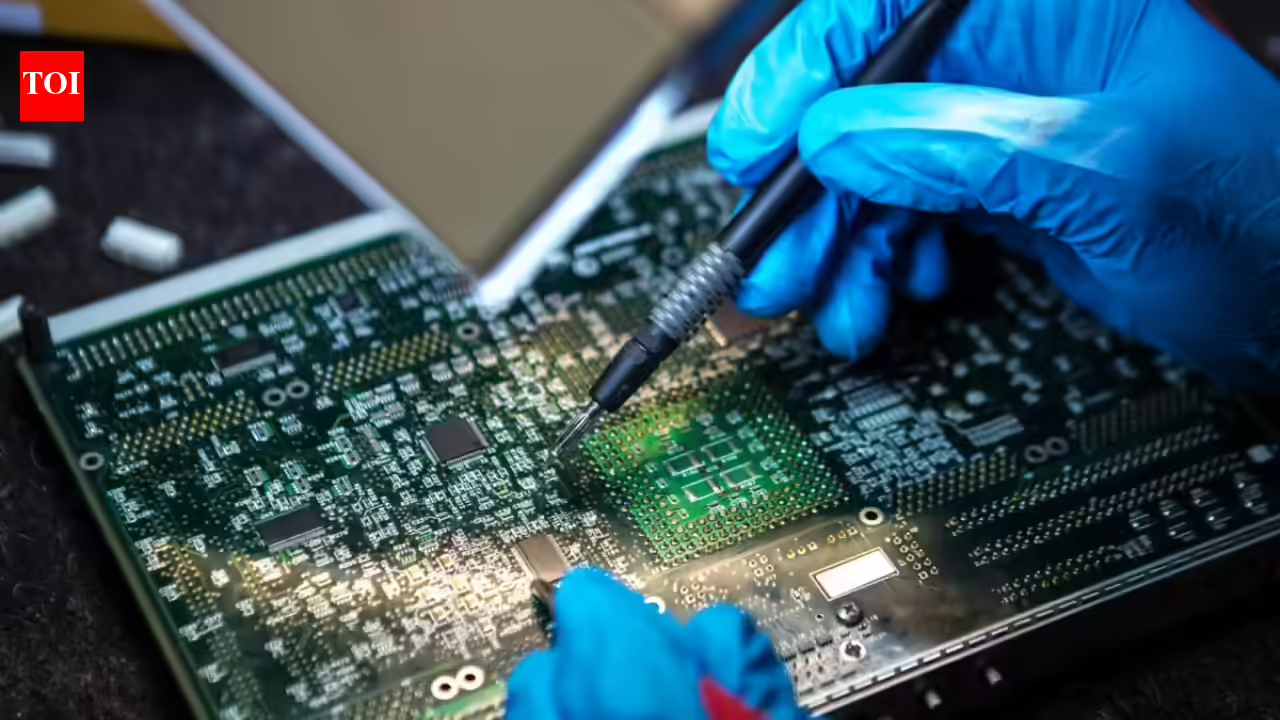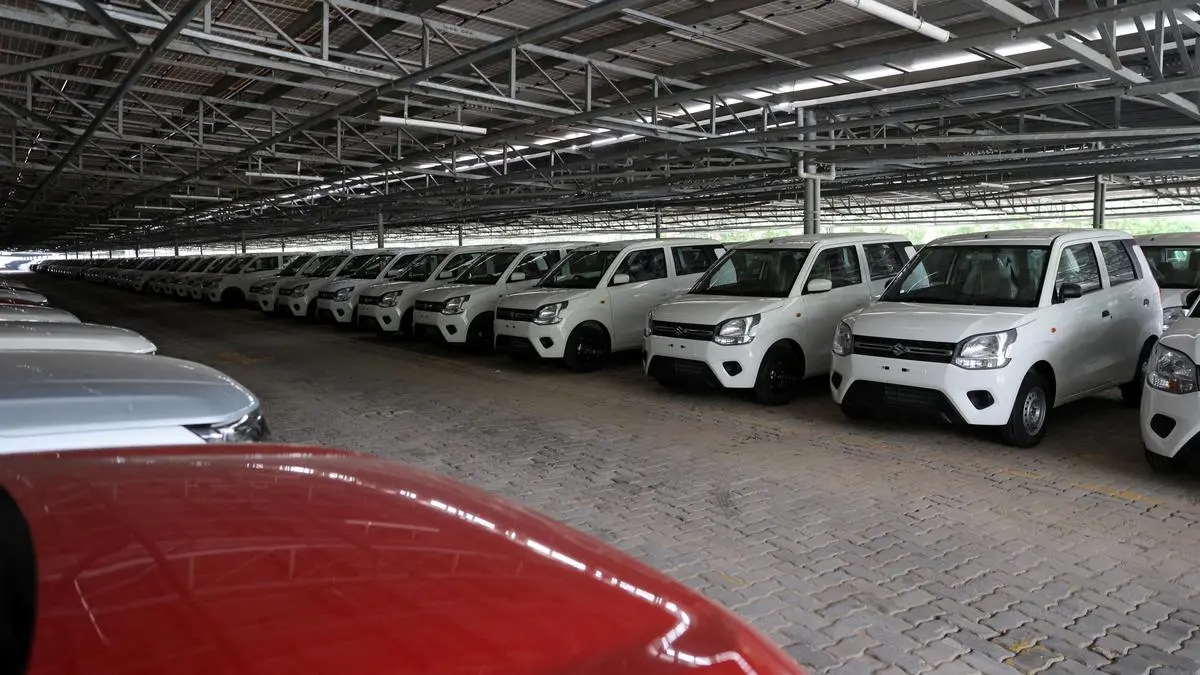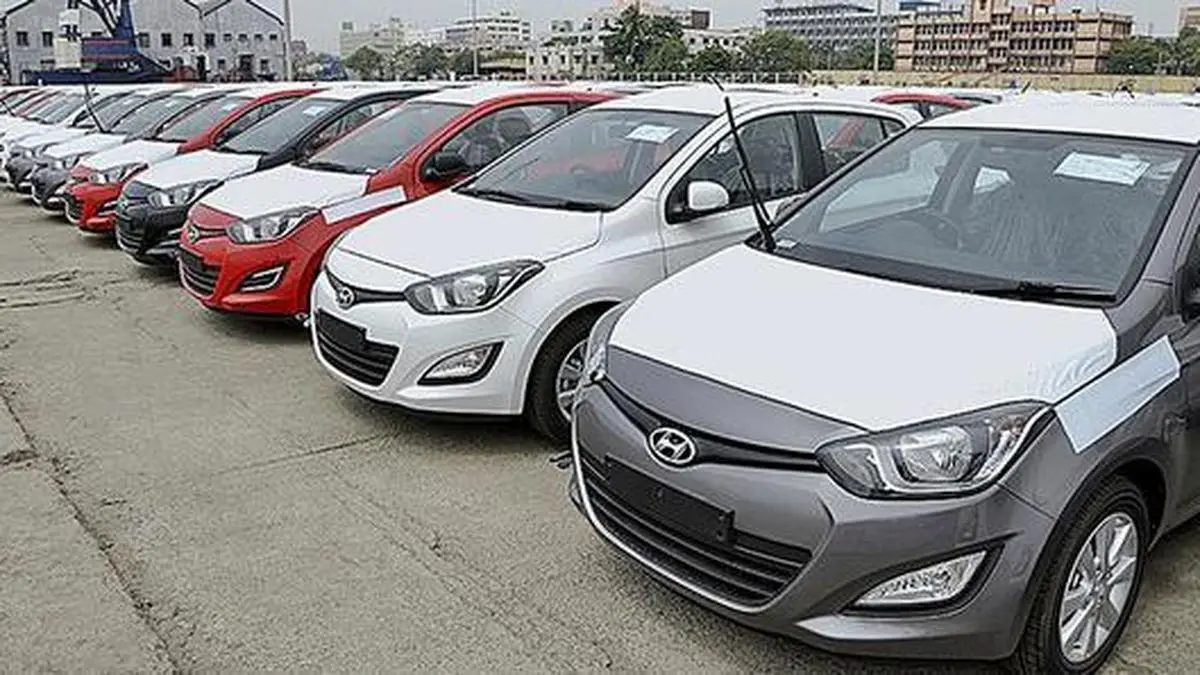
Mumbai: Critical auto component inventories that were once held for 30-45 days are now being stocked for three to six months, as India's carmakers abandon the industry's long-standing "just-in-time" model for a more defensive "just-in-case" approach, due to geopolitics, multiple suppliers of auto parts said. The shift reflects a new operating reality: supply-chain disruptions are no longer a single crisis to be managed but a permanent condition to be planned for. "You simply cannot predict the next crisis," said Prasanth Doreswamy, president and CEO at AUMOVIO India. Also Read: Maruti cars could cost Rs 30,000 more soon. Here's whyContingency planningFormerly known as Continental Automotive, the company supplies safety, electronics and mobility solutions to automakers such as Mahindra, Tata Motors and Maruti Suzuki.Customers are demanding larger inventory reserves for critical parts, Doreswamy said, “because one disruption inevitably triggers many more".A Pune-based supplier said automakers have asked his company to keep a buffer. “It’s mostly applicable to critical parts that have imported content," he said.Mahindra and Maruti Suzuki did not respond to emails seeking comment till press time Thursday.Also Read: Automakers' joy ride hits a big cost hurdleThe convergence of disruptions such as geopolitical tensions that choke vital shipping routes, persistent constraints in semiconductor supplies amid the AI boom and protective policies towards critical minerals has forced the country's largest passenger vehicle manufacturers to redraw their supply-chain strategies. The impact extends all the way down to cash-strapped small suppliers.Mahindra & Mahindra has increased inventory buffers, diversified suppliers and is watching for potential disruptions in real time, while Maruti strengthened contingency planning with suppliers and Hyundai Motor India is intensifying localisation and value engineering efforts, their executives said during recent earnings calls. Tata Motors told ET that it focuses on localisation and supplier diversification and maintains “selective buffers” for critical components."Shortages of critical parts can lead to production outages, the costs of which would hugely outweigh the additional costs of inventory," said Ashim Sharma, senior partner at Nomura Research Institute. “We also saw a similar thing play out with rare earths in different parts of the globe with stockpiles coming in handy.”Rare earth restrictions, chip shortages, West Asia crisis—each disruption creates ripple effects across logistics, raw materials and production, said industry executives.In its response to ET, Tata Motors said its strategy on supply chain management involves building resilience through supplier diversification, localisation and close collaboration across the value chain.
Automakers remodel supply chain strategy
Indian carmakers are shifting from a 'just-in-time' to a 'just-in-case' inventory strategy, stocking critical auto components for three to six months instead of the previous 30-45 days. This change is a direct response to persistent supply-chain disruptions driven by geopolitical factors, signaling a new permanent operating reality for the industry.
396 words~2 min read