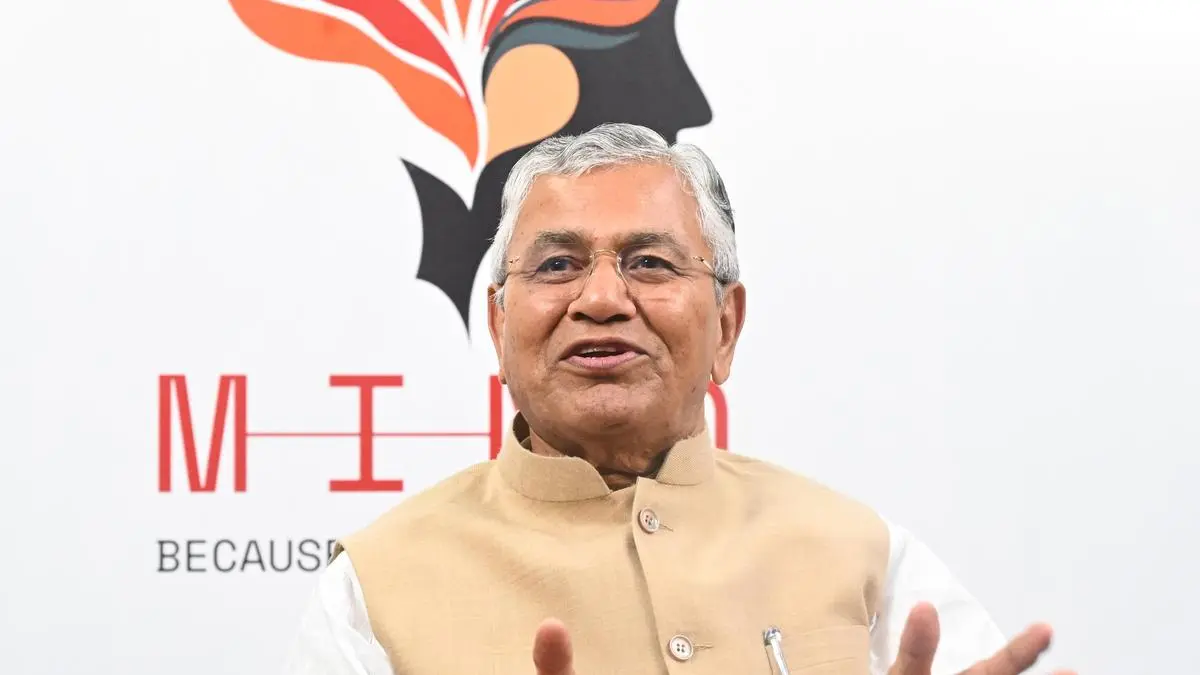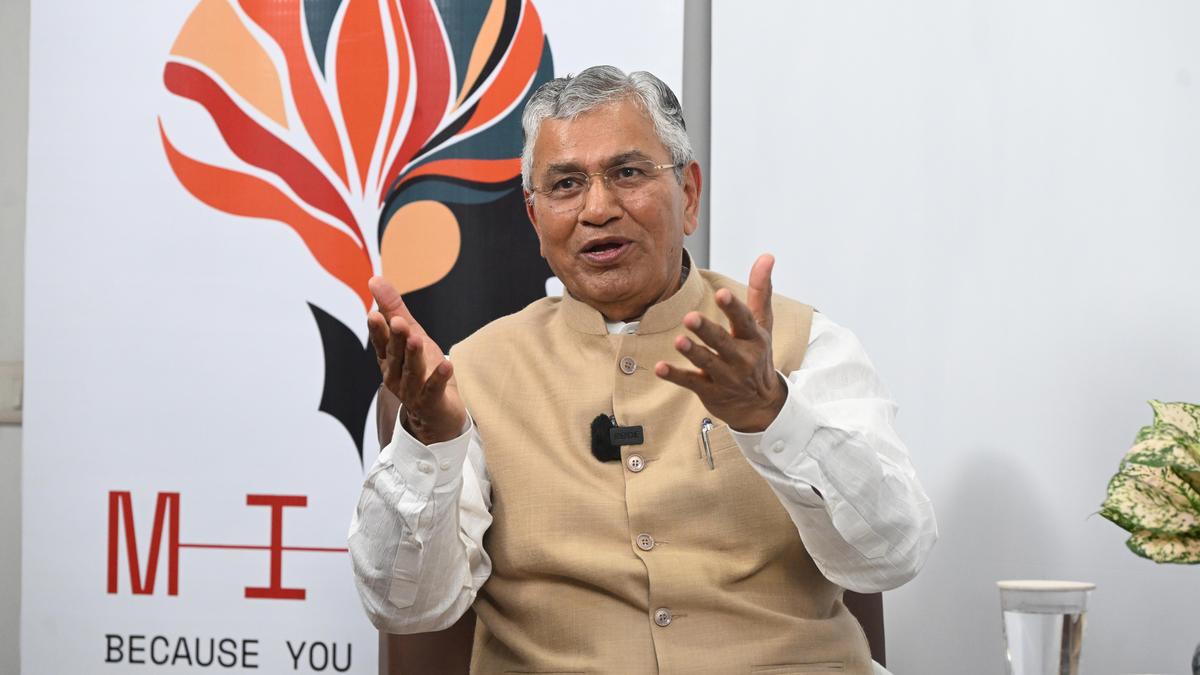
P.P. Chaudhary. File
| Photo Credit: The Hindu
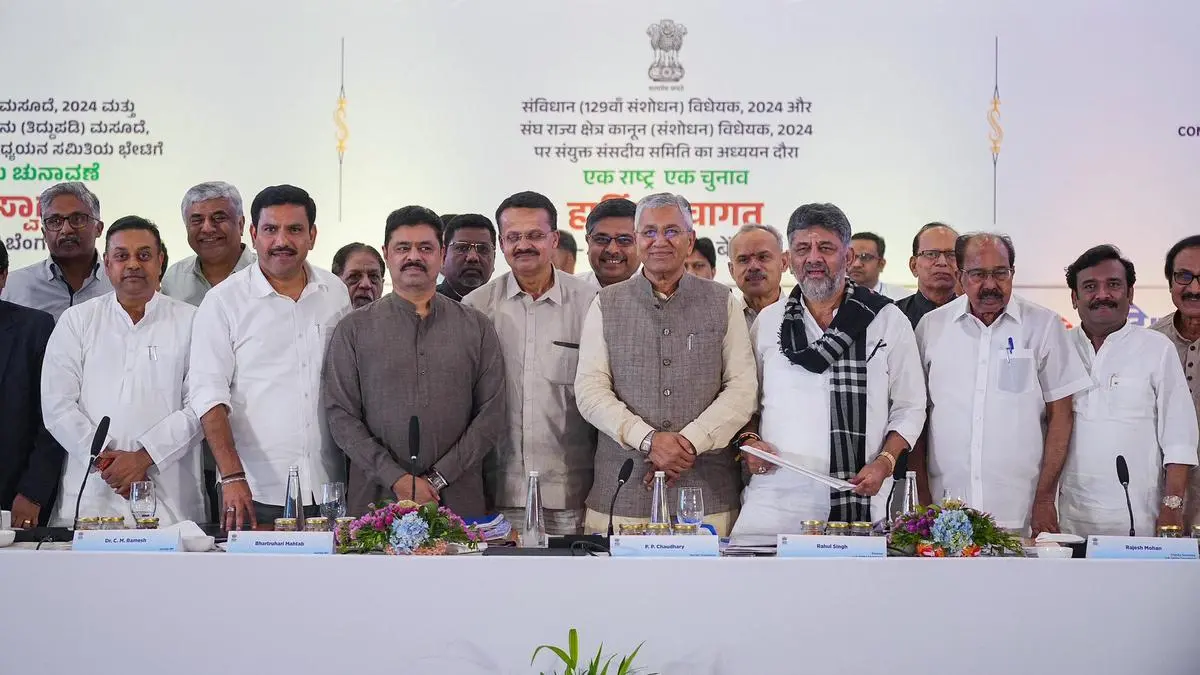
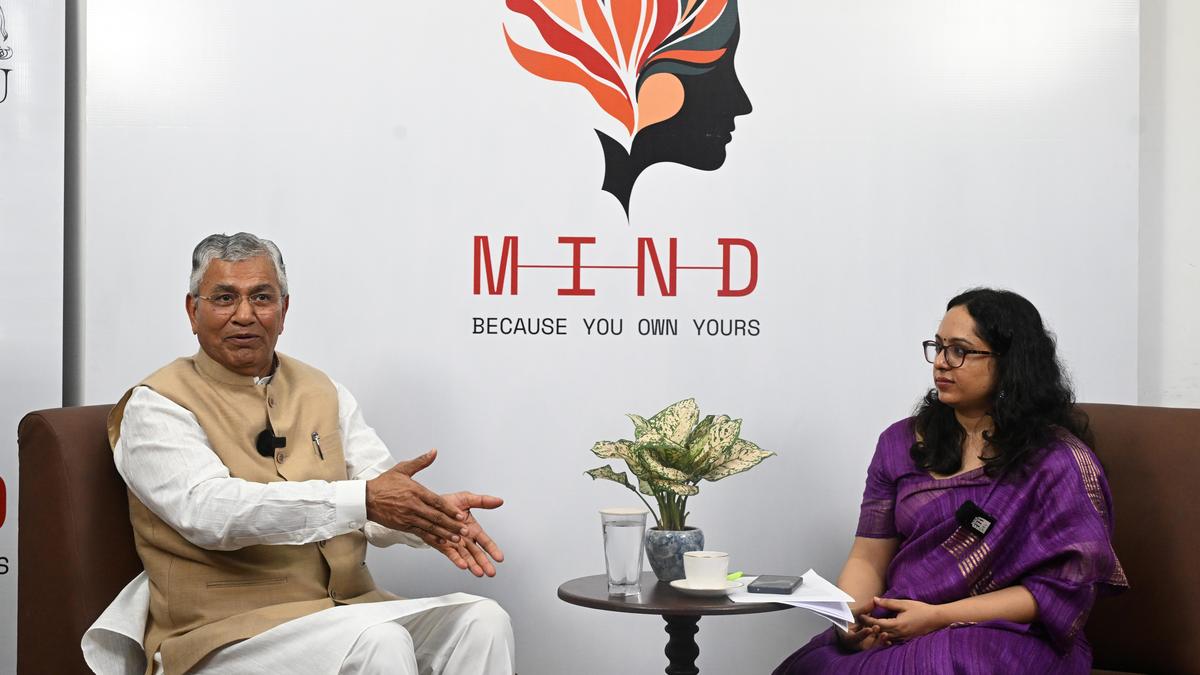
The chairman of the Joint Parliamentary Committee on ‘One Nation One Election’, P.P. Chaudhary, on Thursday (May 21, 2026) defended the proposal against concerns that simultaneous polls could blur the distinction between national and state issues, asserting that Indian voters are politically astute enough to cast their ballots accordingly.Speaking to reporters after the JPC concluded its three-day Gujarat visit, Mr. Chaudhary, a BJP MP, said the critical thinking ability of voters, especially in rural areas, should not be underestimated. He pointed to Delhi, where voters backed the BJP in all seven Lok Sabha constituencies while simultaneously favouring the Aam Aadmi Party in Assembly elections, as evidence that voters separate national from local concerns. Similar patterns, he noted, exist in Rajasthan and other states.“Such examples exist in other states too. In Rajasthan, one party may form the state government while another party wins a majority of Lok Sabha seats. Therefore, apprehensions about voter confusion are misplaced,” he said.The committee held its final round of consultations at GIFT City, Gandhinagar, meeting with advocates, NGOs, industry bodies, educators and media representatives. Industry groups including CII, ASSOCHAM and GCCI backed the proposal. A CII representative called for e-voting facilities for migrant workers, citing production disruptions when labourers travel home to vote. Mr. Chaudhary described the resulting economic losses as “incalculable.”Addressing the issue, Mr. Chaudhary said migrant labourers across the country often leave their workplaces during elections to return to their hometowns and cast their votes, resulting in major disruptions to production and economic activity.“The losses caused by this large-scale migration of labourers during election periods are incalculable and cannot even be quantified,” he said.Gujarat University Vice-Chancellor Dr. Neerja Gupta also supported simultaneous elections, highlighting how frequent polls disrupt academic schedules and delay examinations, imposing additional financial costs including extended scholarship obligations for international students.Citing the recent local body elections in Gujarat, Ms. Gupta said academic institutions were forced to postpone final examinations until May because of election-related staff deployment, shortening the scheduled summer break for students.She also pointed out that delays in the academic calendar increase the government’s financial obligations, as international students enrolled in Indian institutions may qualify for extended scholarship assistance when academic sessions are prolonged.Echoing these concerns, Mr. Chaudhary said similar feedback had emerged during the Joint Parliamentary Committee’s earlier visits to Punjab and Haryana, where educational institutions strongly backed the idea of simultaneous elections, stating that recurring polls disrupt academic planning and adversely affect students’ learning.Mr. Chaudhary said separate Lok Sabha and Assembly elections cost the national economy roughly ₹7 lakh crore in direct losses, besides significant indirect costs, framing ‘One Nation One Election’ as central to Prime Minister Modi’s vision of a developed India by 2047.“Voters today are even more informed. They know who to vote for if elections are held simultaneously. Their critical thinking ability should not be underestimated. Voters know exactly which party to support based on the issue at hand in Lok Sabha, assembly or local body elections,” he said. The Congress, however, pushed back. A delegation led by Gujarat Congress president Amit Chavda argued on Wednesday (May 20, 2026) that holding all elections together would allow national narratives to overshadow state and local issues. Published - May 22, 2026 05:19 am IST