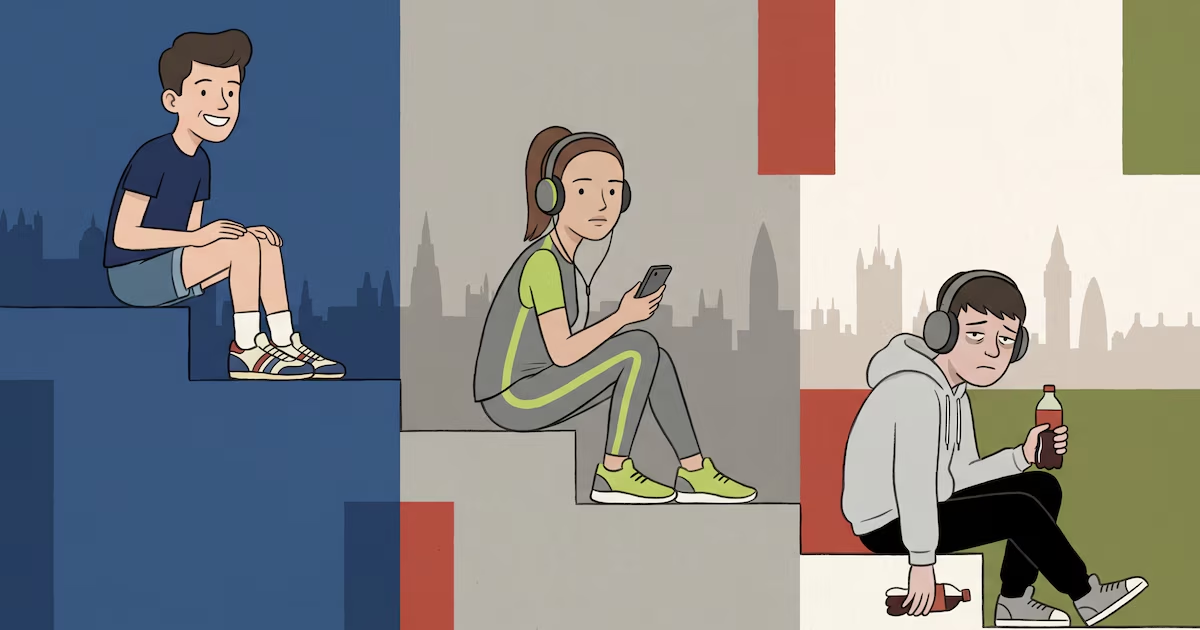
NewsHealthHealthExperts looking at the health of generations born in the UK since World War Two show the country is no longer getting healthier - with younger generations now living for more years in poor health00:01, 22 May 2026Younger generations are suffering poor health earlier in life due to obesity and mental illness.A national review examined changes in physical and mental health across the generations born between 1946 and 2002. Experts from Oxford University and University College London concluded more recent generations are now living more years in poor health.They warn the “generational health drift” risks there not being enough healthy working adults in the population to pay the taxes needed to support the increasing proportion of pensioners. It comes as a report by a group of MPs found exercise is just as important as medicines for keeping older people healthy.The generational health study concluded: "Long-term declines in mortality and fertility mean that by 2050, one quarter of the British population will be aged 65 and over, with considerable implications for future demand for health and social care and also for the economy.READ MORE: British kids as young as 11 prescribed weight loss jabs over severe obesityREAD MORE: GPs to stop issuing sick notes and send patients to a job coach or gym instead"If more recent generations are `drifting' backwards in health, it implies that society is not reaching the biological limits of health improvement but rather seeing the consequences of preventable social and environmental exposures that have shaped population health over time and across generations."The generational health drift has serious implications for policy, planning and the funding allocations needed to be able to support a greater number of people living with chronic health conditions." The findings, published in the journal Population Studies, included data from 51 studies covering 88.500 people.A separate report from the Commons Health and Social Care Committee blamed lack of exercise in later life on increasing health conditions such as obesity, type 2 diabetes, heart disease and cancer. It said lack of activity is associated with one in six deaths in the UK and is estimated to cost £7.4 billion a year.MPs said GPs should routinely tell patients to be more active. The report said: "Health professionals are a trusted source of advice, but too many people report never being encouraged to be active. Physical activity can be more effective than drugs in preventing, treating and managing many long-term conditions.”Article continues belowThe study called for more "social prescribing" to patients of exercise such as yoga and swimming but warned inactivity is “designed into daily life, particularly for older people”.The report added: "This includes local action to remedy poorly paved streets, unsafe crossings and a lack of toilets and seating, combined with national transport and planning decisions that make moving easier."In the UK, chief medical officers recommend older people should aim to accumulate 150 minutes of moderate intensity aerobic activity a week and do activities aimed at improving or maintaining muscle strength, balance and flexibility at least twice a week. Figures suggest that 44% of people aged 75 and over are doing less than 30 minutes of moderate physical activity per week.Choose Daily Mirror as a 'Preferred Source' on Google News for quick access to the news you value.Mental healthFitnessHealth
Younger Brits get sick earlier in life due to obesity and mental health - study
Experts looking at the health of generations born in the UK since World War Two show the country is no longer getting healthier - with younger generations now living for more years in poor health
542 words~2 min read