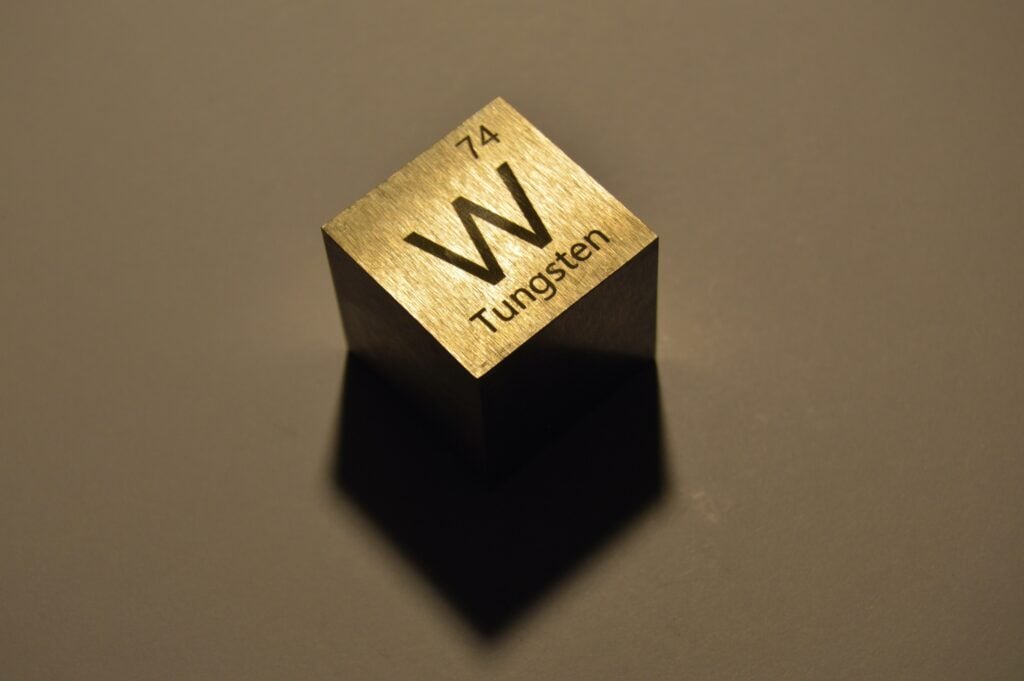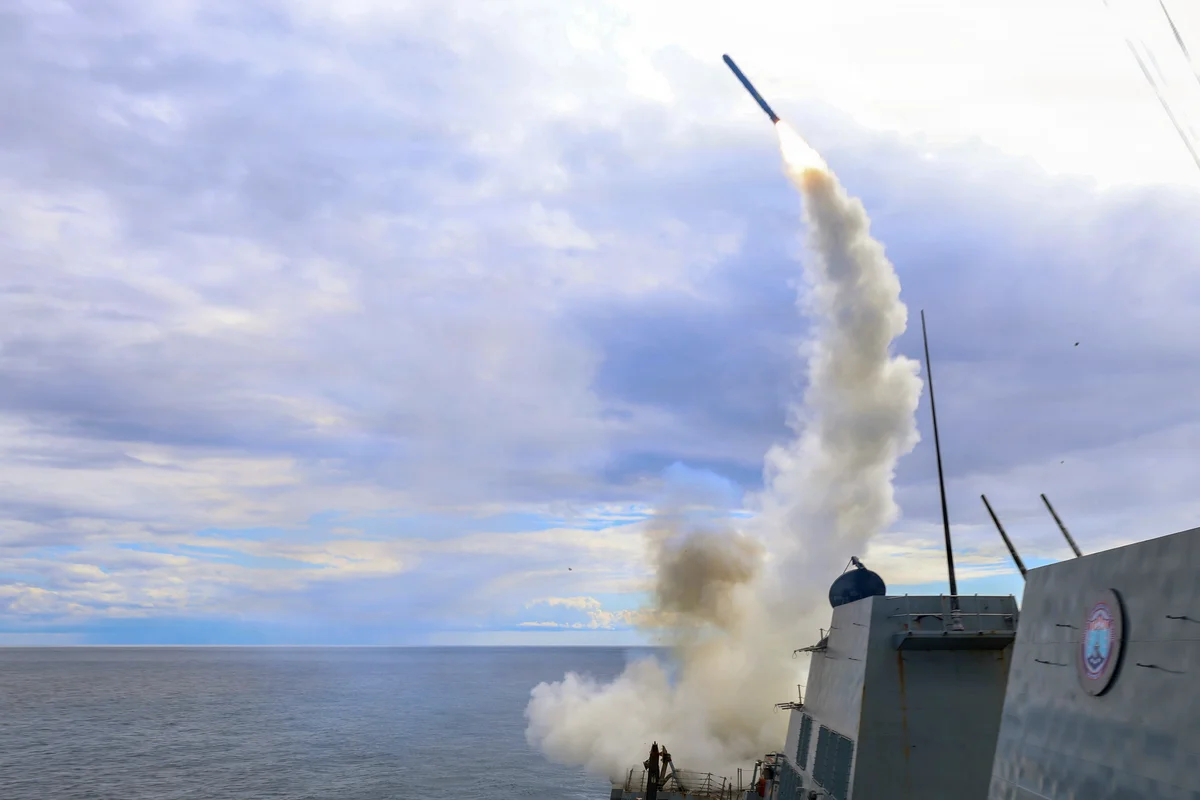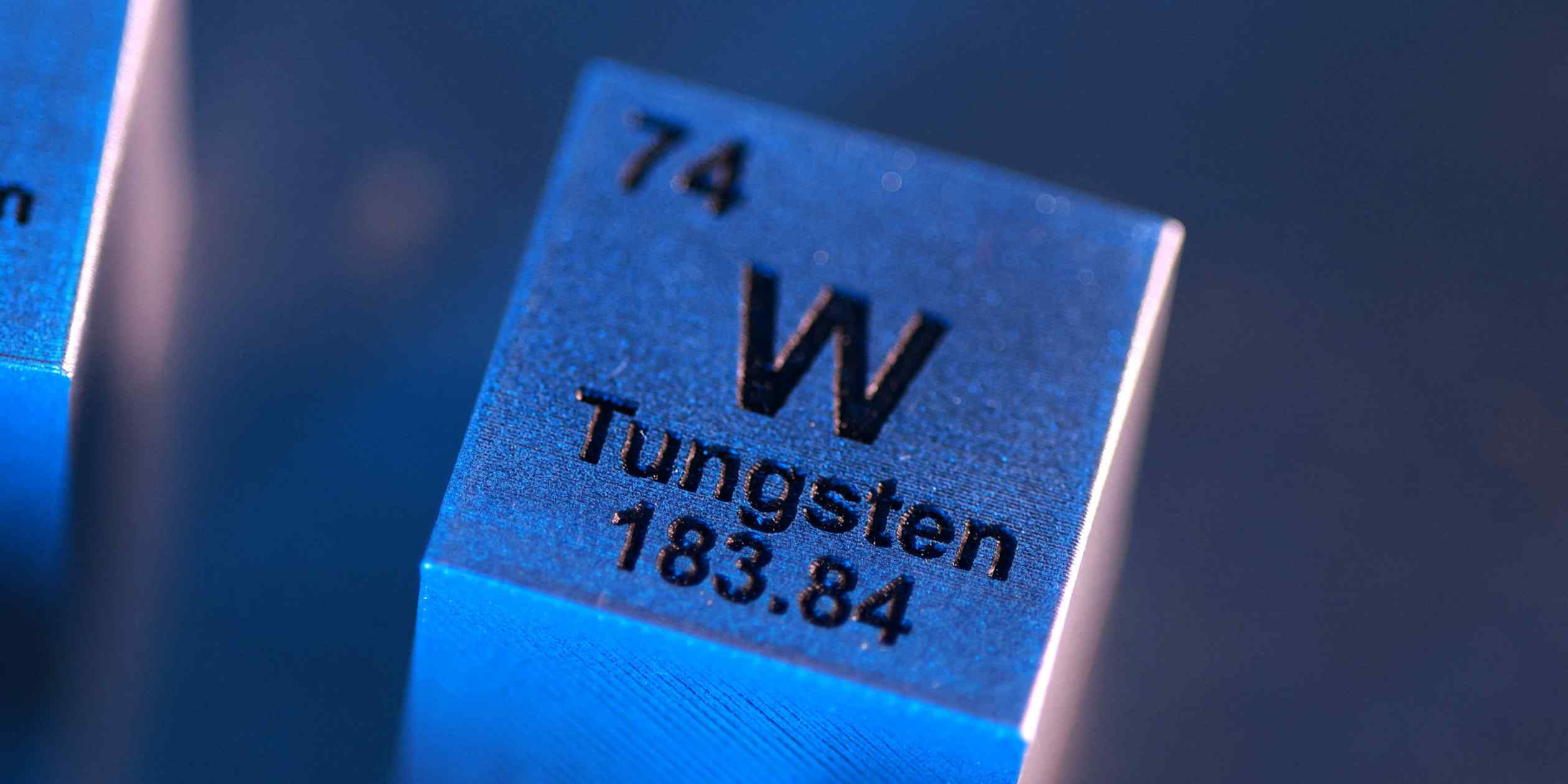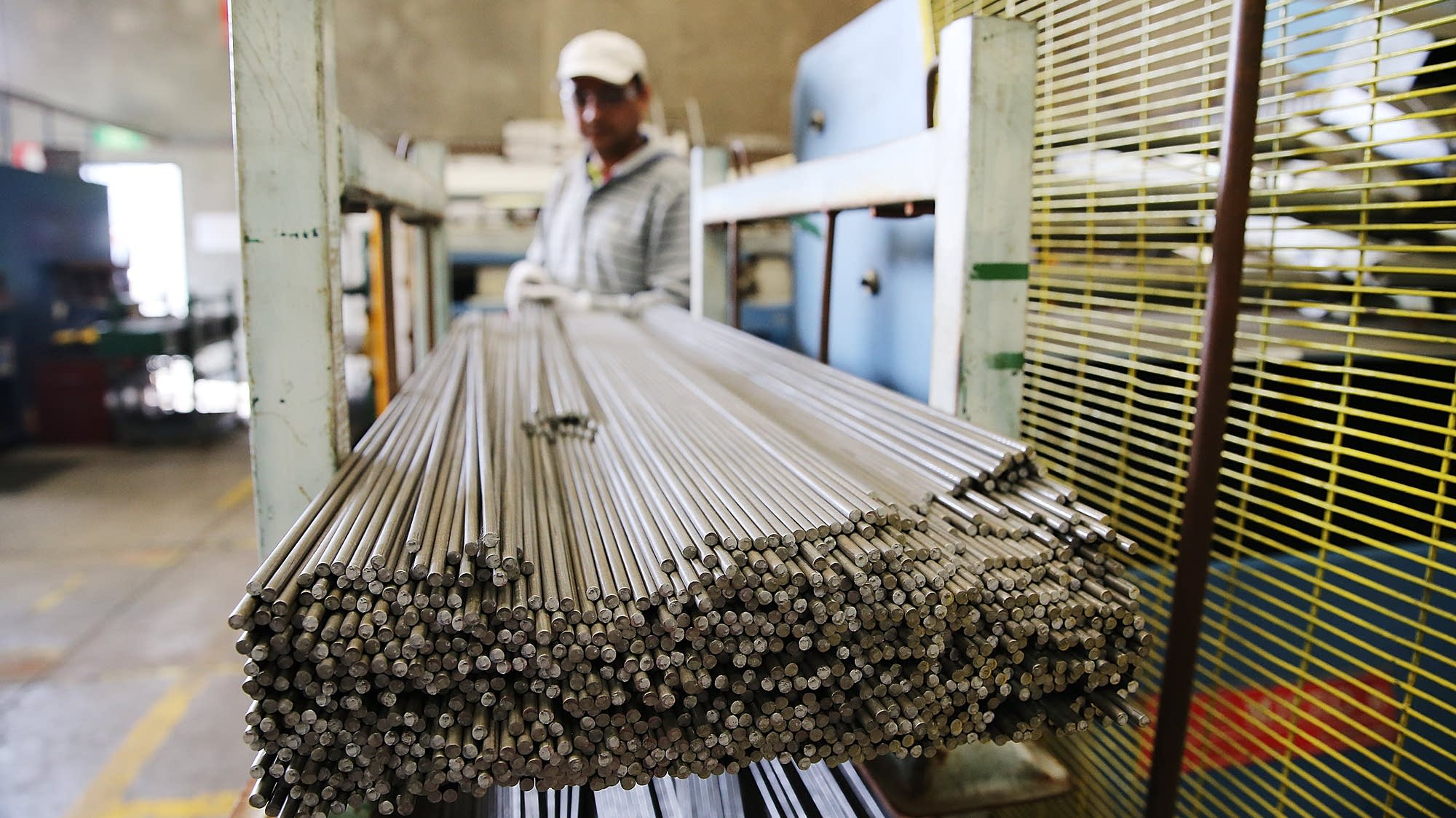
Tungsten is a metal that’s incredibly important to all kinds of industries — especially manufacturers that need to cut other kinds of metal. Most of the tungsten used in the U.S. comes from China, which controls roughly 80% of the world’s supply. Trade tensions between the U.S. and China have hit the tungsten market hard. The price of the metal has shot up 300% over the past year or so, according to the CRU Group. That inflation has less to do with tariffs than it does with another weapon in the global trade war: export controls.A big reason tungsten is unique is that it has a very high resistance to heat.“And so that makes it ideal for handling the temperatures required to melt other metals without it melting itself,” said Chris Blench, CEO of Mavericks Manufacturing Partners, a company near San Diego that makes components for the energy and defense sectors.Blench said tungsten is commonly used as the electrode when welding parts for those sectors.“All of our aircraft, missile systems, the nuclear power plants for submarines and aircraft carriers, they’ll use a lot of this particular kind of a process, using tungsten,” Blench said.About once a month, Mavericks Manufacturing Partners orders a ten-pack of tungsten electrodes, which are the thin rods that go into welding tools. But last fall, the company noticed that prices were starting to rise. Joe Thompson, the company’s chief operating officer, loaded up on a year’s supply. “At that time, it wasn’t really a huge cost,” Thompson said. “But we can stock it.”Thompson said that ended up being the right call. Prices of those ten-packs have more than tripled in the time since. That’s partly because there’s a lot of demand from the defense sector. Tungsten is also used to make torpedoes and armor-piercing ammunition.Nicola Sanesi, senior analyst with CRU Group, said demand is up partly because of the Iran war, and because Europe is spending more on defense.“If we look at the particular example of Germany, we see that Germany is reconverting part of their manufacturing operations into military projects,” Sanesi said.But the reason why prices have skyrocketed this year also has to do with supply, since China controls so much of the market.“China has implemented export restrictions, meaning that only those who get a license can actually sell tungsten overseas,” Sanesi said.China’s trying to hang on to its tungsten, along with other critical metals, to safeguard its own interests, said Leah Fahy, senior China economist with Capital Economics.“But equally, the other key thing is that it’s been used as a bargaining tool, and a way of causing pain to the U.S. and the U.S.’s allies,” Fahy said.That’s partly because of the Trump and Biden aldministrations’ tariff policies. But it’s also because the U.S. has been using its own export controls on China.“One of the key things that the U.S. has been doing to restrict China in recent years is restricting China’s access to U.S. semiconductors, and the products used to make the semiconductors,” Fahy said.There are efforts in the U.S. and elsewhere to find more sources of tungsten. But Damien Ma with the think tank Carnegie China said mines are a risky proposition that would require more than the private sector.“This is why China has succeeded,” Ma said. “They’ve applied basically economy-wide policy, to get these strategic metals, because the markets were not really going to be investing in these areas.”The U.S. has awarded money to companies to study the possibility of domestic tungsten mining. But any new source would be at least years away. And until then, companies are beholden to whatever China decides to do.“I think the world’s waking up to the fact that if any one country controls a commodity, it’s a high risk for the whole world,” said Brendan Moore, co-owner of Wolf Tooth Components, a company near Minneapolis that makes bike parts.Wolf Tooth Components uses tungsten tools to whittle down blocks of aluminum into pedals, gears, and other components. Moore said the company spends a few thousand dollars a month on these tools. And over the past year, prices have nearly doubled.“A few thousand dollars isn’t life changing, for a machine shop the size of ours, but it’s significant, significant enough that you see it in the numbers,” Moore said.Moore said the company can re-sharpen the tools so they last longer. But beyond that, there’s not much else he can do.“It’s just another one of those things, where, like aluminum prices going up or electricity going up, we largely just have to eat it in the short-term,” Moore said.Moore said he really doesn’t want to pass the cost on to his customers. But if tungsten stays expensive, he might have to.
Skyrocketing tungsten prices bruise U.S. manufacturers
China controls most of the world’s supply of tungsten, which is used to weld and cut other types of metal.
782 words~4 min read