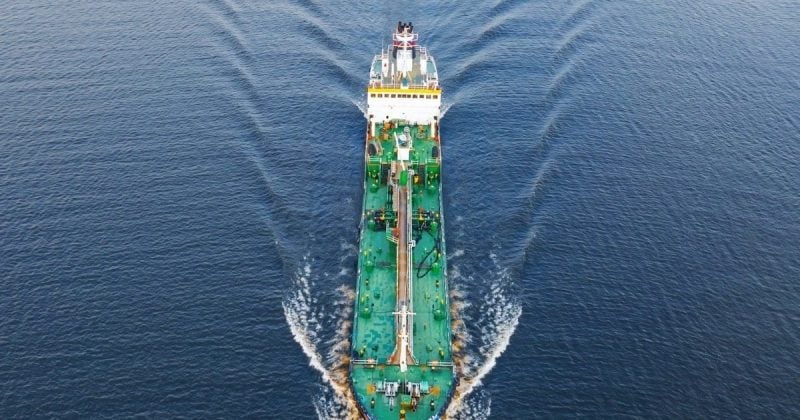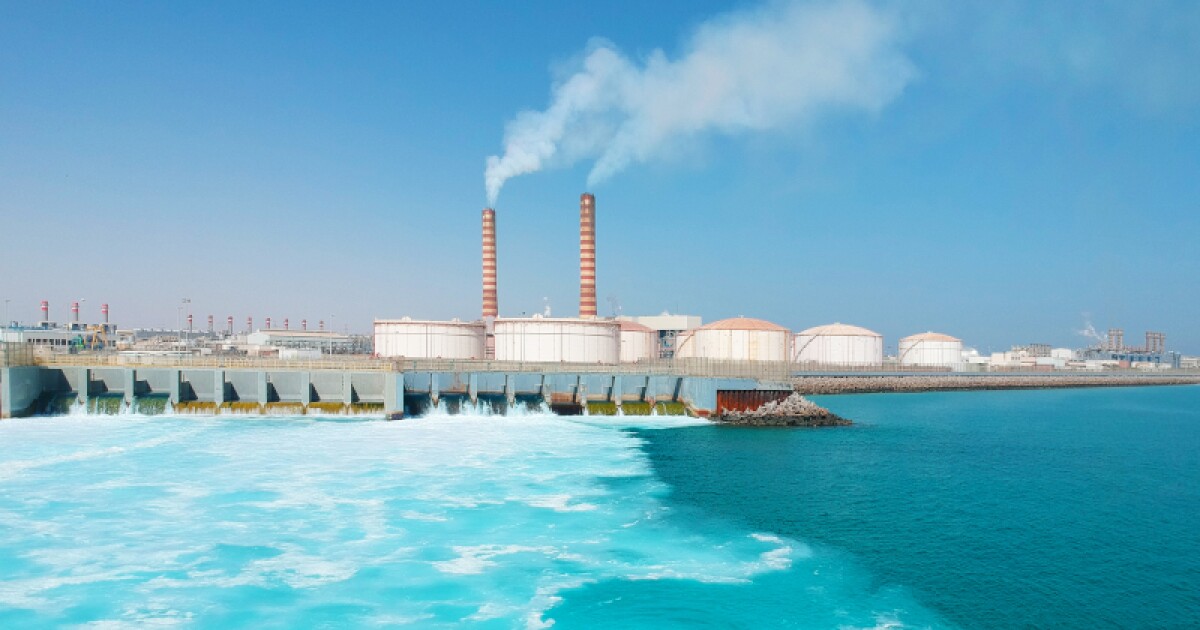
Kuwait was just starting to gain momentum in attracting international oil companies (IOCs) to its oil and gas fields when the latest war in the Mideast erupted. The resulting shutdown of the Strait of Hormuz stranded the bulk of Kuwait's oil production, forcing upstream shut-ins and reduced refinery runs while raising fundamental questions about the Mideast Gulf's risk profile. But Kuwait remains eager to tap the expertise of IOCs, which will be crucial in the emirate's ability to produce from ever more complex reservoirs in offshore and unconventional fields. The country had been working to develop contract terms lucrative enough to entice IOCs. Now, as Kuwait looks to increase its production capacity amid higher regional risk, IOCs may be in a better bargaining position as they assess their options. Kuwait has taken the biggest hit to crude output among Gulf producers since the Mideast war began on Feb. 28. Its crude production in April averaged just over 560,000 barrels per day, preliminary Energy Intelligence data shows. That's down 78% compared to February output of nearly 2.6 million b/d and represents Kuwait's lowest production level since March 1992. Much of the decline is due to shut-ins forced by the near-closure of Hormuz — Kuwait is heavily dependent on the strait to evacuate its crude and refined products. Prewar, Kuwait was planning to increase its crude output capacity to 4 million b/d by 2035 and sustain it to 2040, while also working to raise gas output. That will require development of recent offshore discoveries like Nokhatha, Julaiah and Jazzah, and of unconventional resources in onshore plays like the Najmah-Kerogen formation in northern Kuwait.
Kuwait Tries to Regain Prewar Momentum in Luring IOCs
The emirate has been hit hard by the Hormuz shutdown, underscoring the increased regional risk as it seeks international expertise for capacity growth plans.
271 words~1 min read