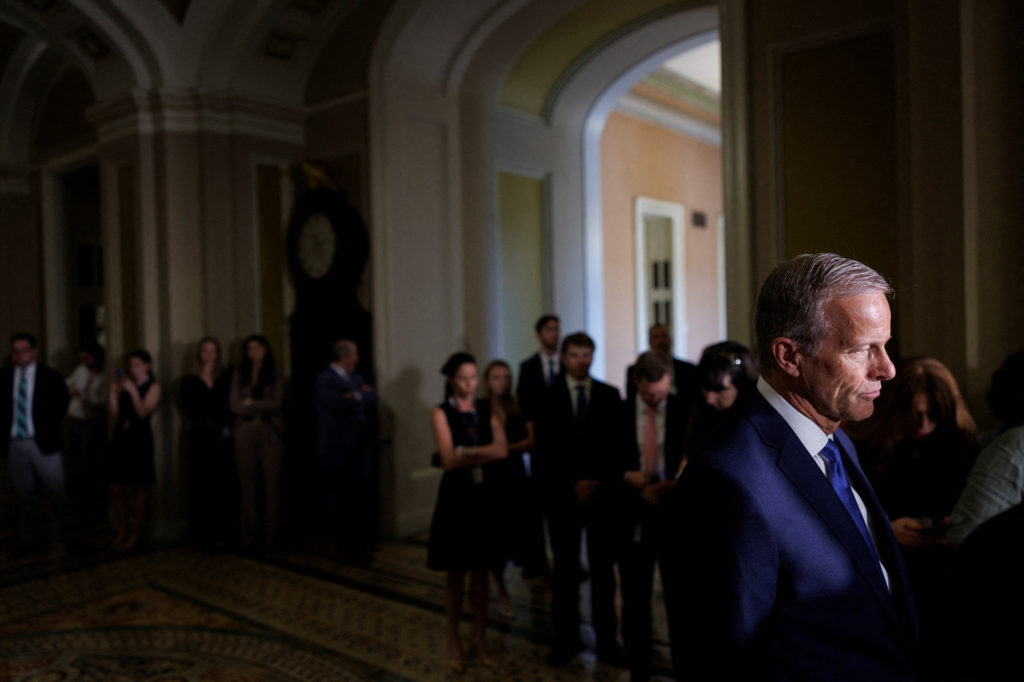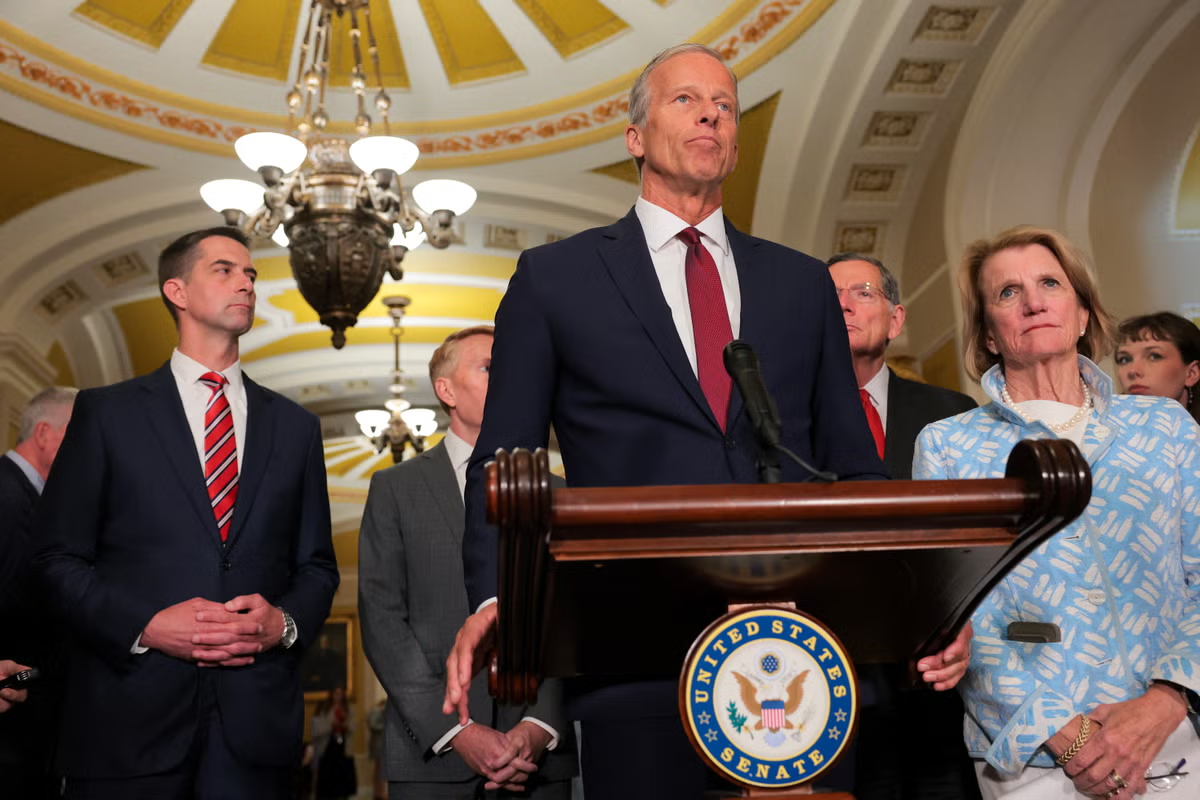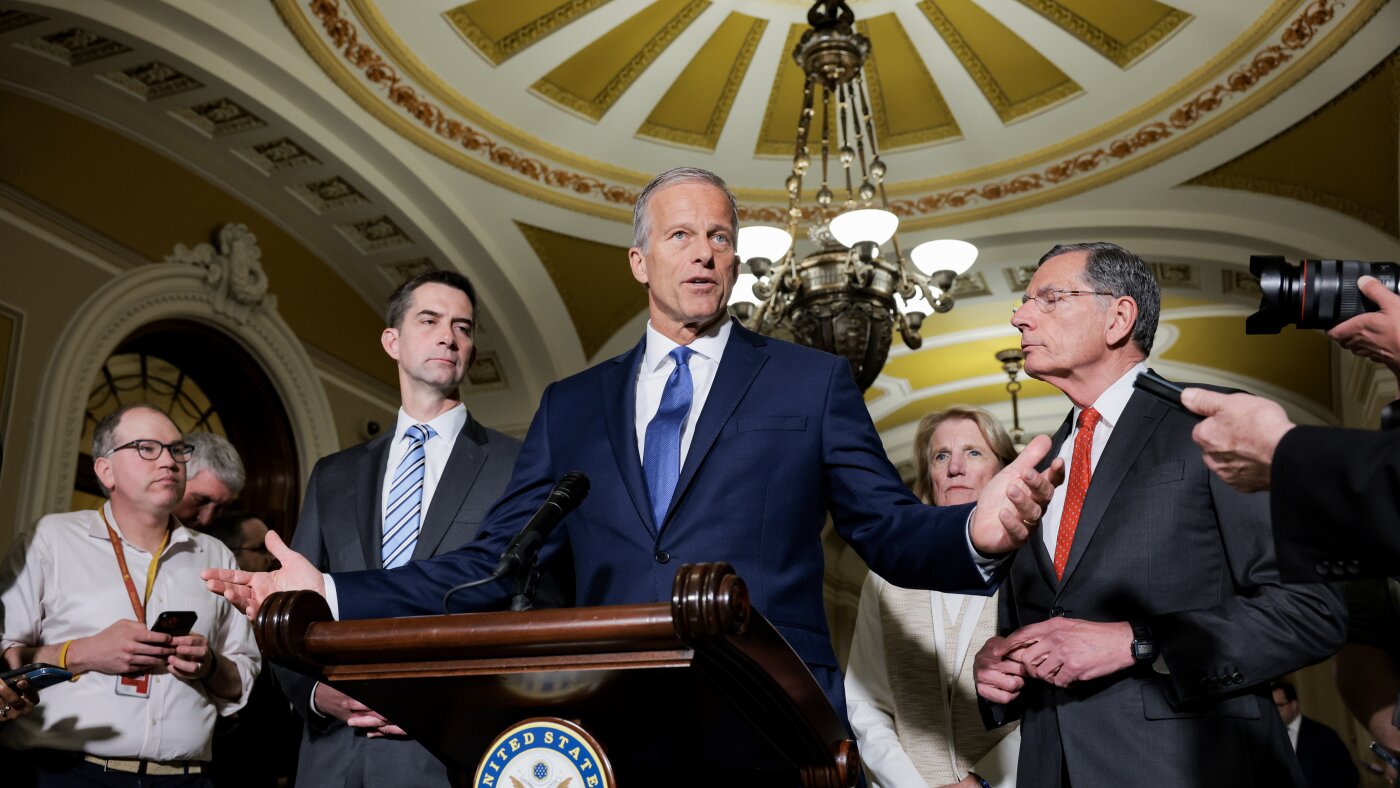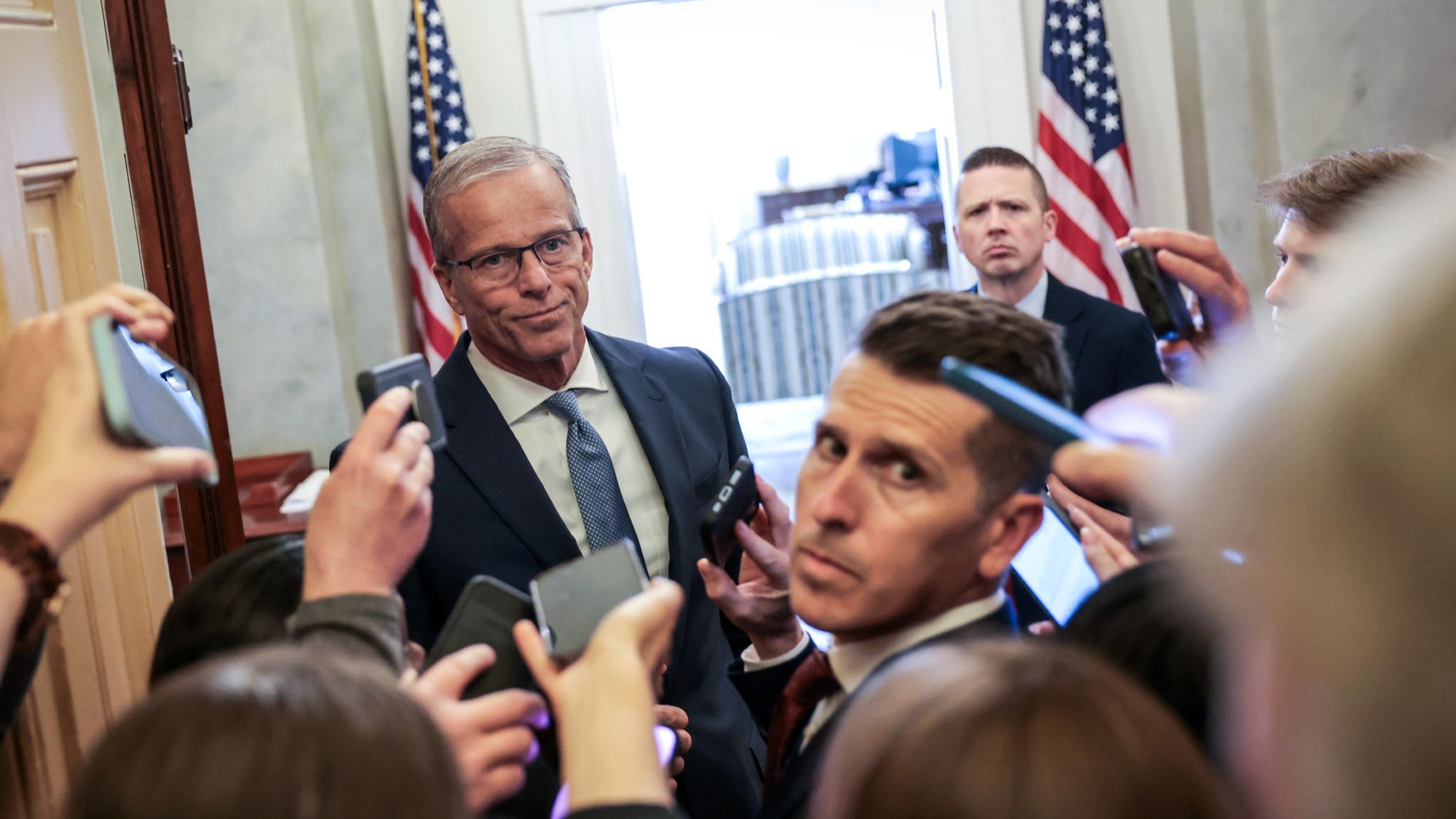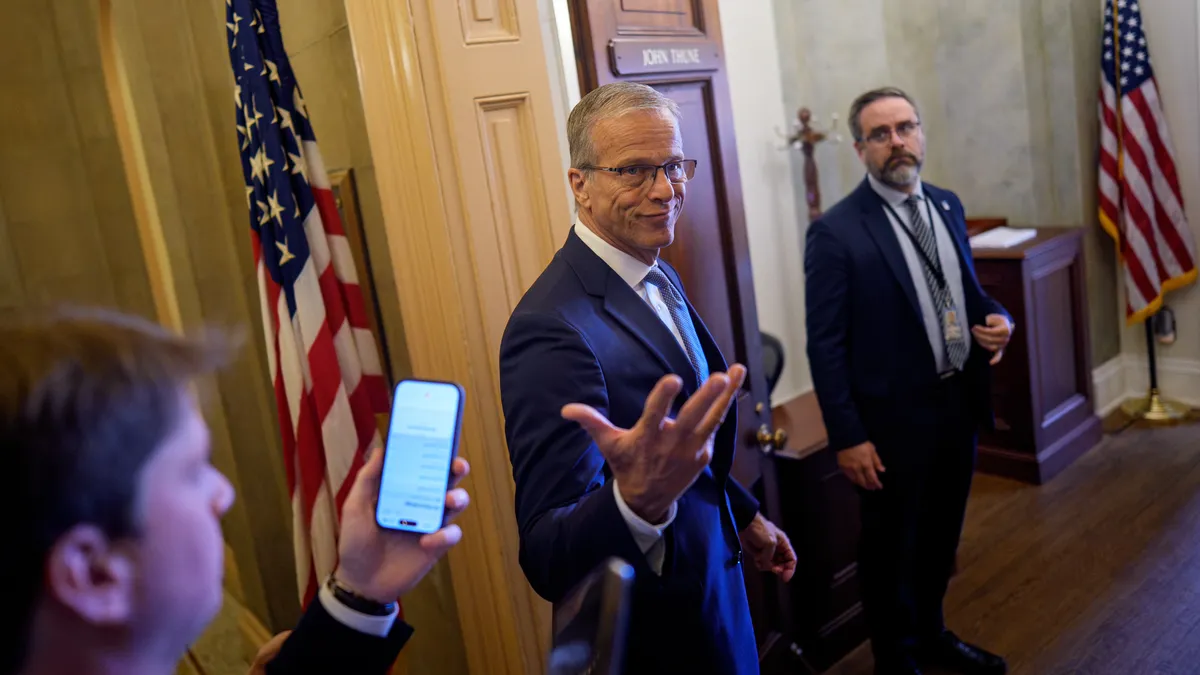
Senate Republicans emerged stone-faced from a tense meeting with Acting Attorney General Todd Blanche. Then they decided to leave town.Show Caption
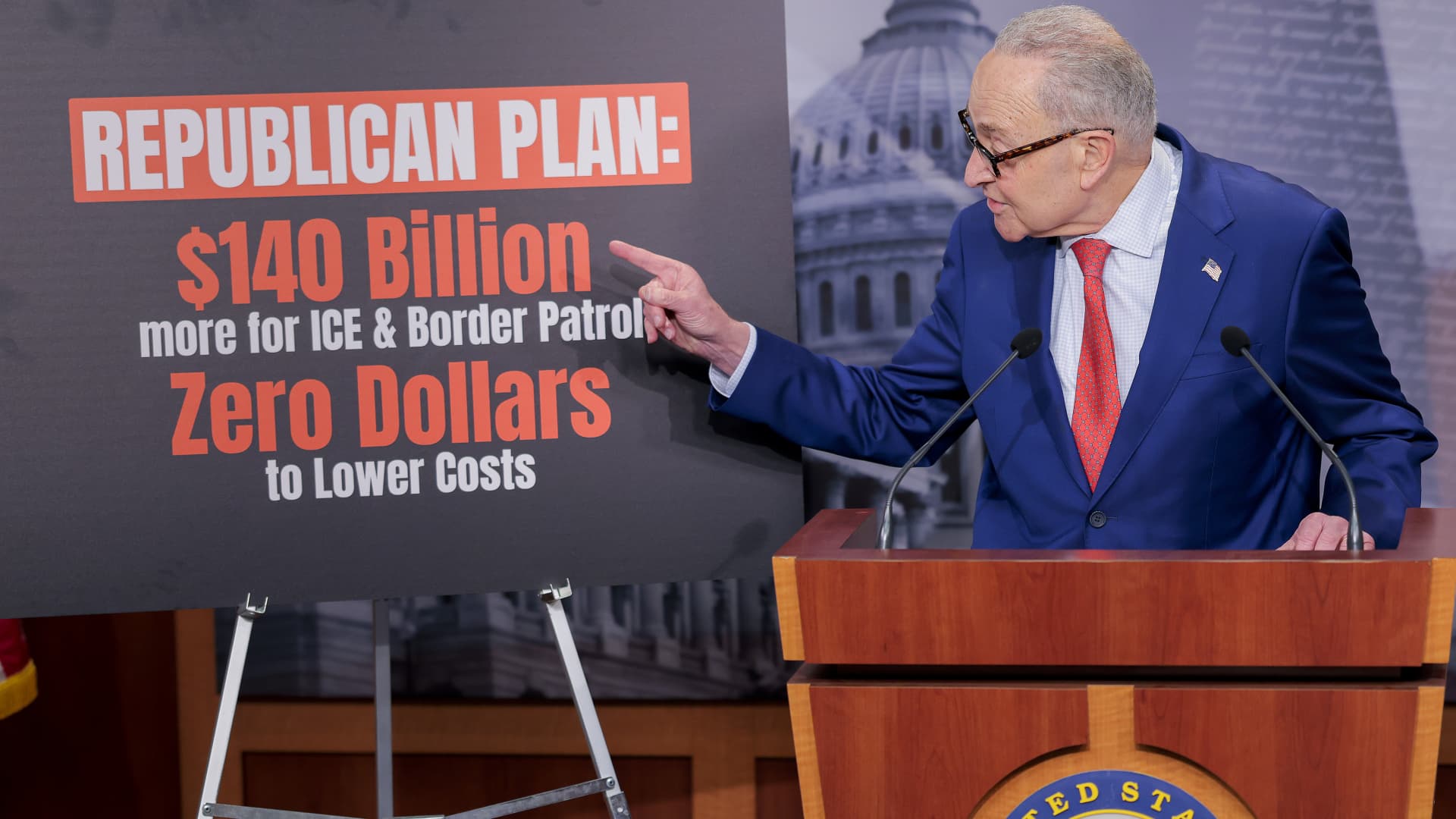
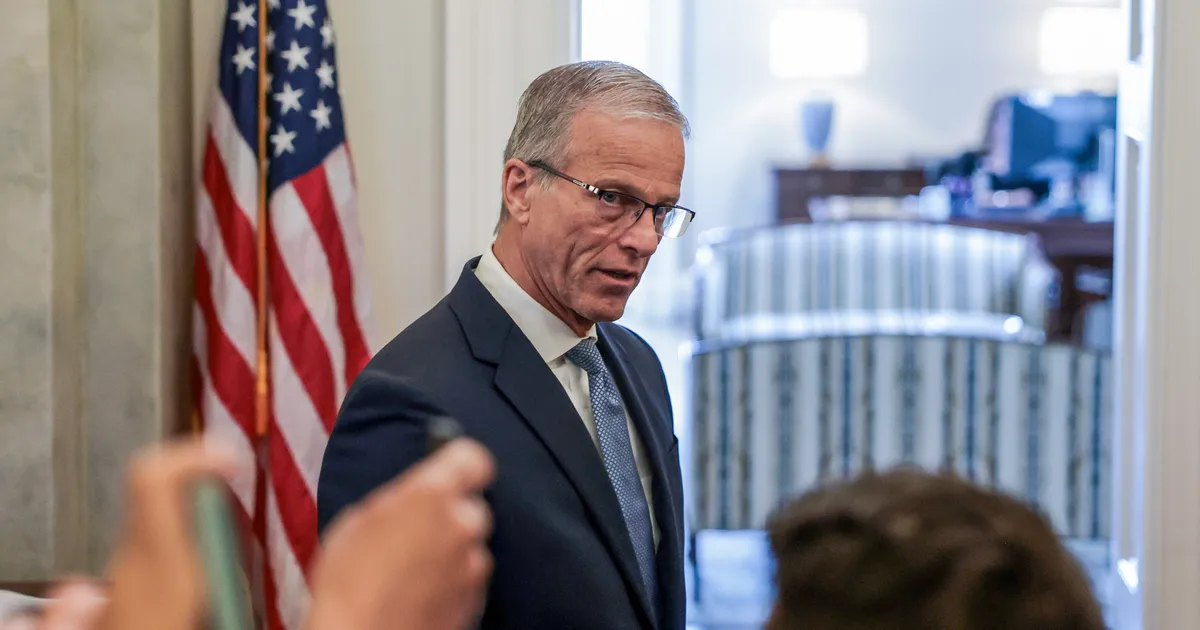
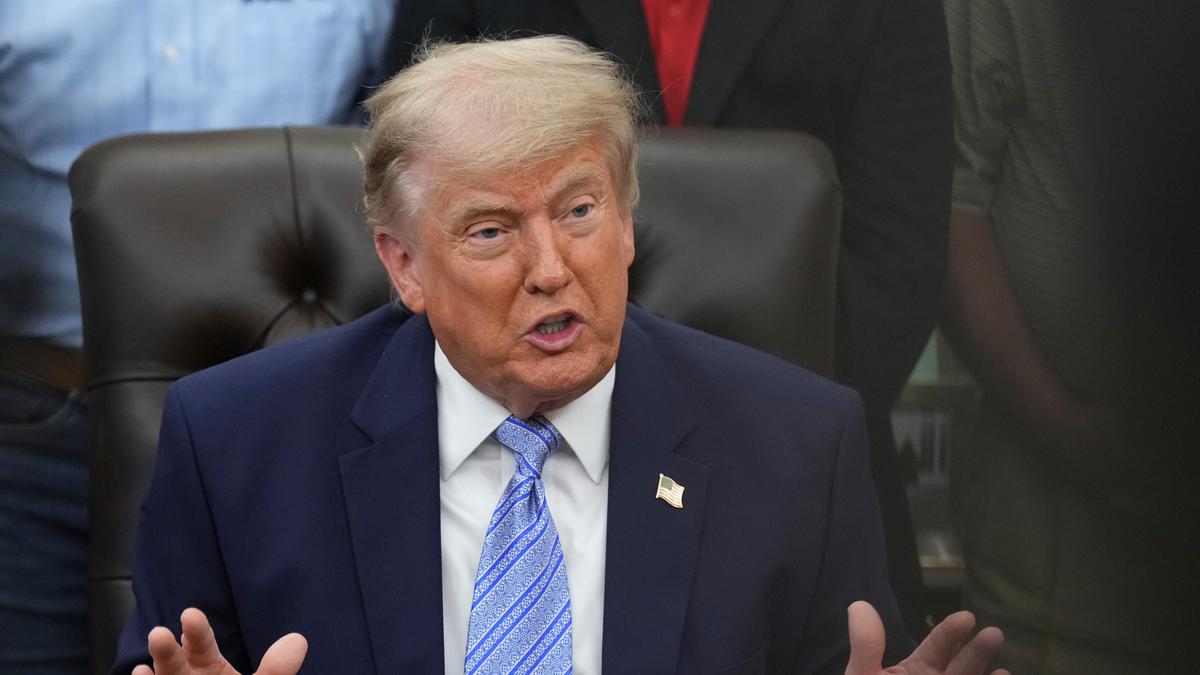
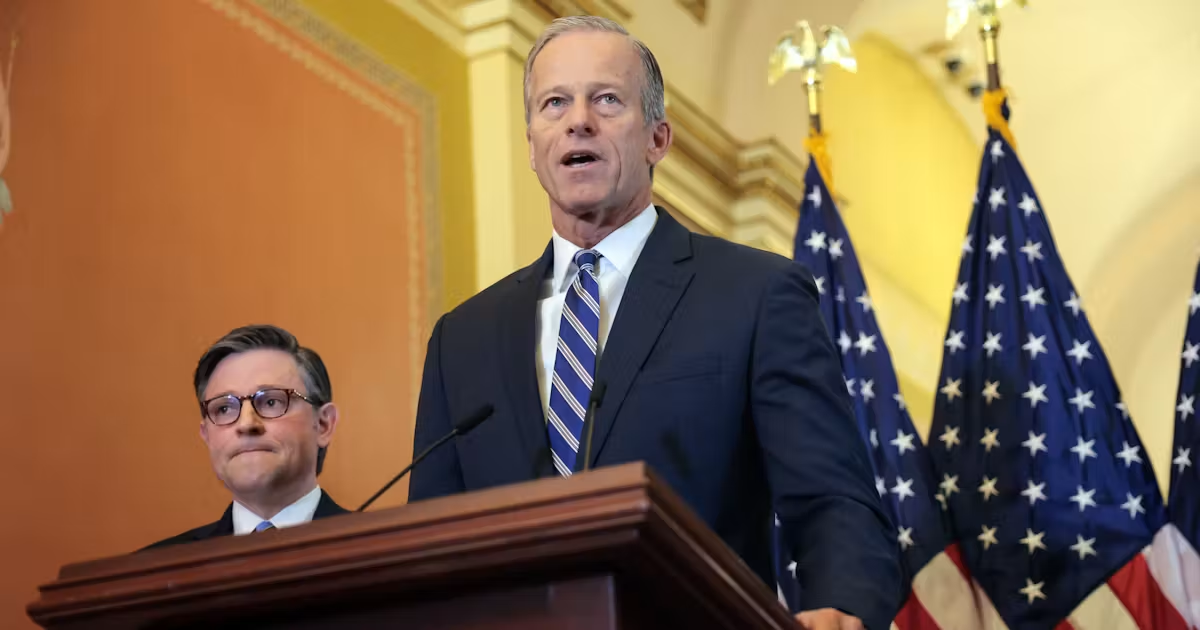
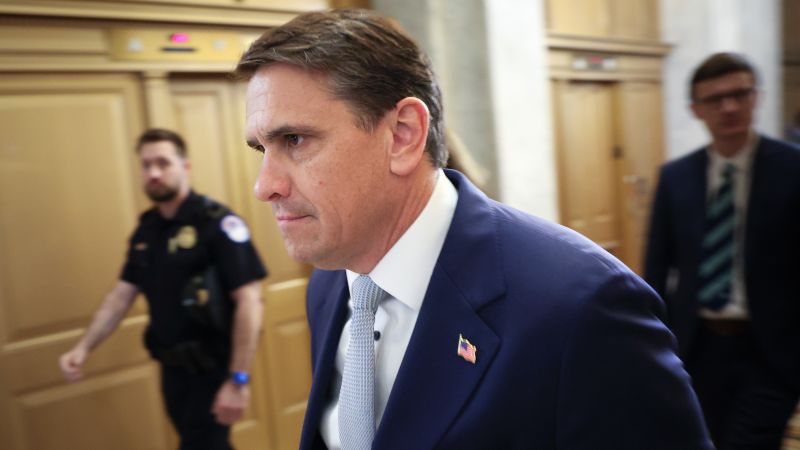
WASHINGTON – Fuming about President Donald Trump's nearly $1.8 billion Justice Department fund that could compensate his allies, Senate Republicans derailed a massive immigration enforcement bill and left town until early June.GOP unease about the so-called "anti-weaponization fund" reached a fever pitch during a Thursday, May 21, morning meeting with Acting Attorney General Todd Blanche. The DOJ's top lawyer was summoned to the Capitol to assuage lawmakers' concerns with what Democrats have characterized as a "slush fund" that may dole out money to individuals who attacked the Capitol on Jan. 6, 2021.Senate Republicans emerged stone-faced from the huddle with Blanche, Trump's former personal attorney. Before long, they decided to go home, punting on a months-in-the-making budget vote to infuse federal immigration enforcement agencies with more than $70 billion. Trump initially ordered congressional Republicans to pass that funding by June 1. The new delay means they've all but abandoned his deadline."Obviously our members have very legitimate questions," Senate Majority Leader John Thune, R-South Dakota, said, acknowledging that GOP senators want to make sure the DOJ fund is "fenced in appropriately."“It makes everything way harder than it should be," he later said.The abrupt decision was a glaring sign of intensifying acrimony between Senate Republicans and the White House. Sen. Bill Cassidy, R-Louisiana, and Sen. John Cornyn, R-Texas, have become freer agents in the GOP conference after Cassidy lost his reelection campaign and Trump refused to endorse Cornyn, angering many of his longtime colleagues. The president also backed Cassidy's primary opponent, preventing him from advancing to a runoff and turning him into a lame-duck senator until January.It all happened amid the sudden creation of the DOJ's controversial fund, of which Thune immediately said he was "not a big fan."The backlash is already jeopardizing the president's legislative agenda in a midterm election year that will determine the success of the rest of his second term."They're stuck. They're flummoxed," Senate Minority Leader Chuck Schumer, D-New York, said of Republicans. "And it's a spectacle."DOJ tries to quell senatorsAs Republican senators prepared to vote on immigration enforcement funding this week, some of them began eyeing the budget bill as a potential legislative vehicle to slap guardrails on the DOJ fund. Others, including Sen. Rick Scott, R-Florida, were opposed to that push."Why we're doing anything else is beyond me," he said.In an effort to quell the Republican unrest, the Justice Department sent a memo to lawmakers outlining restrictions on the so-called "anti-weaponization" fund.In the memo, obtained by USA TODAY, the agency said that even members of Congress themselves could be able to receive taxpayer money through the fund. Eligible Americans also could potentially include "Americans whose online speech has been censored at the behest of the government, parents silenced at school boards, senators whose records were secretly subpoenaed, churchgoers targeted by the FBI, and so on."Quarterly reports about which Americans have received relief will be created and shared with Congress, the memo says (but with redactions). The fund will cease processing claims in 2028 and deliver any leftover money back to the federal government.The memo did little to ease GOP concerns. The tense meeting ended with no concrete compromise between Trump administration officials and lawmakers."This is going to be a leadership call," said Sen. Roger Marshall, R-Kansas.Contributing: ReutersZachary Schermele is a congressional reporter for USA TODAY. You can reach him by email at zschermele@usatoday.com. Follow him on X at @ZachSchermele and Bluesky at @zachschermele.bsky.social