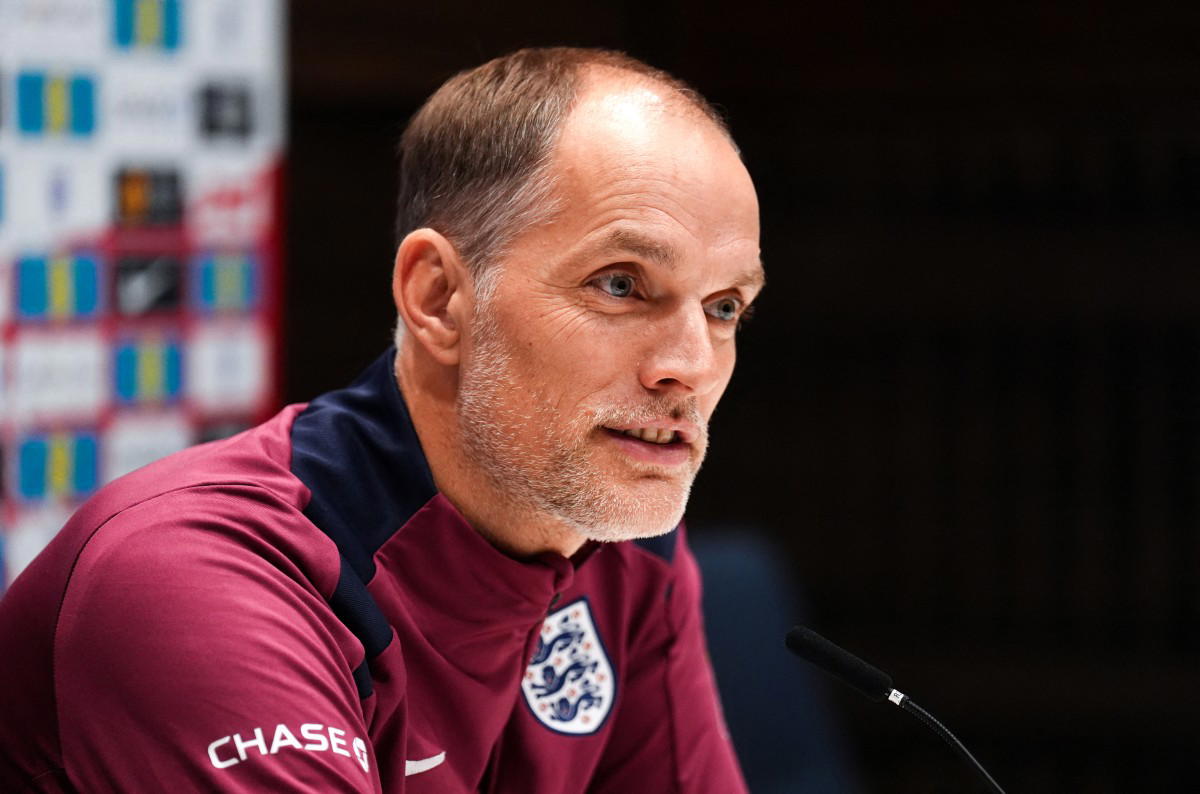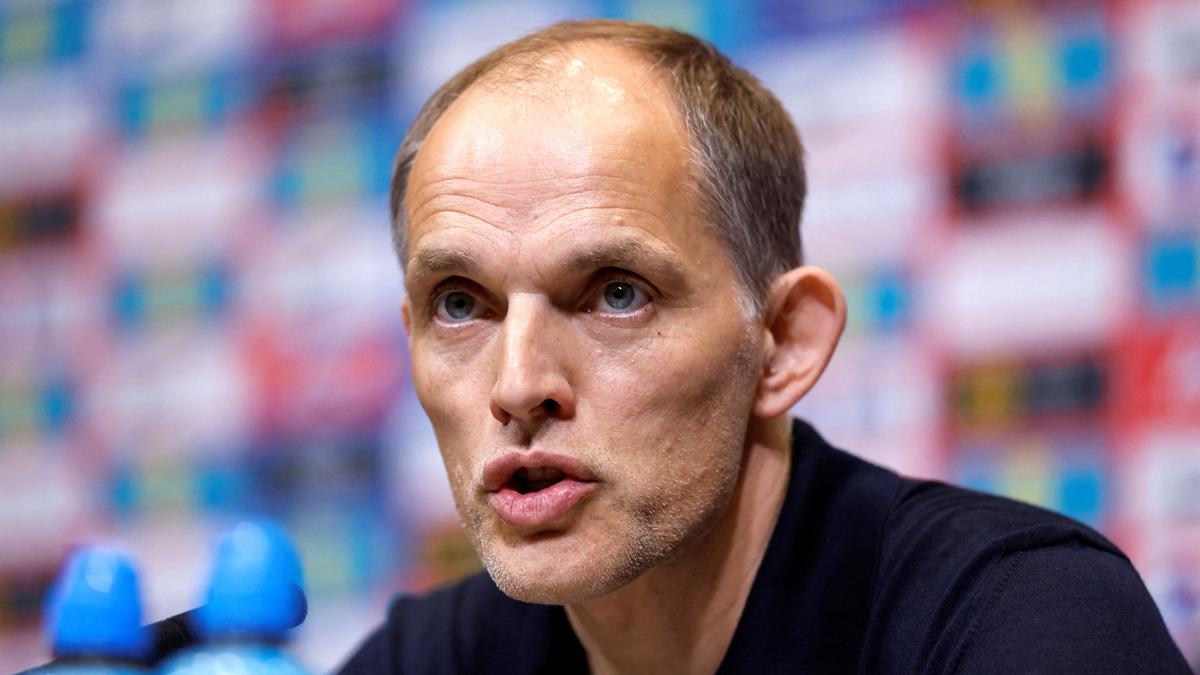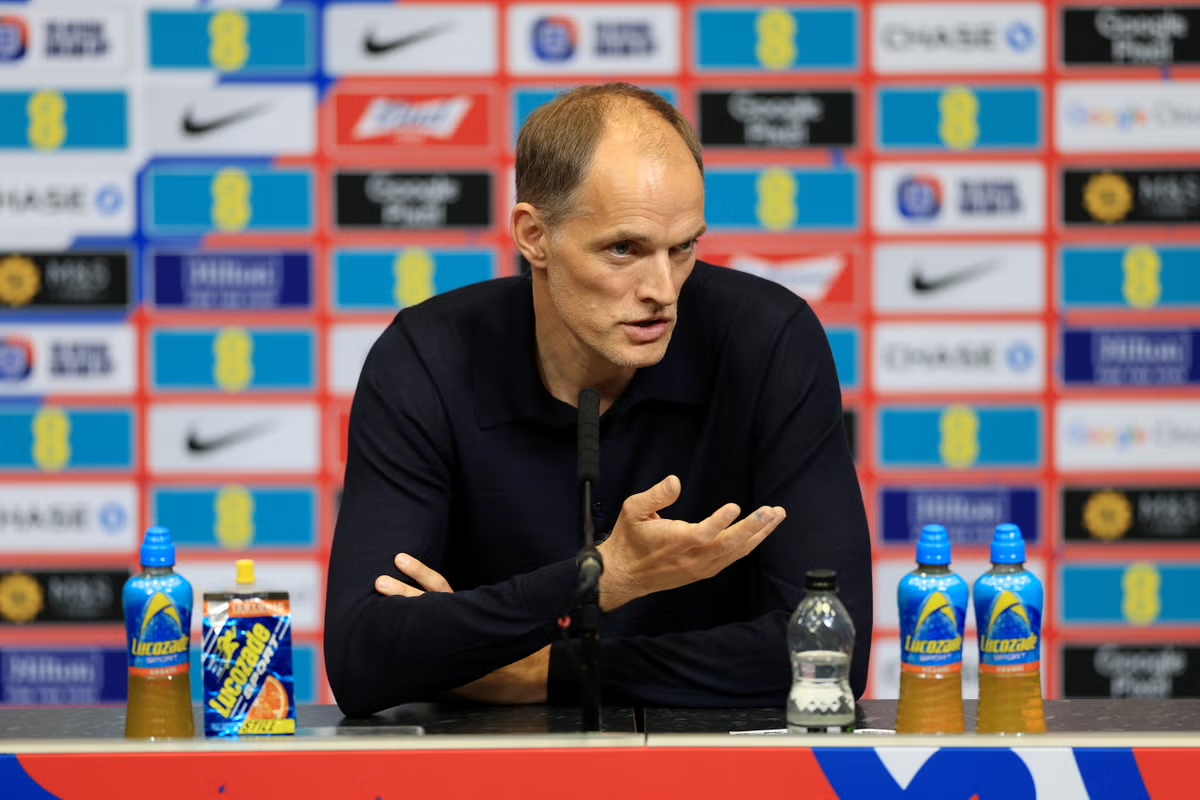
As the news was broken on Thursday about the make-up of Thomas Tuchel’s 26-man squad which will fly to the U.S. for the World Cup, it soon became clear that, if nothing else, England’s head coach is true to his word.Tuchel has made it very clear during the course of his England tenure that he is not interested in “collecting talent” but in “building the best team”. This was the refrain he kept coming back to last October, when he did not recall Jude Bellingham.Until this week, it was the most scrutinised act of his tenure. Tuchel insisted then that he would live up to his words. “For credibility as a coach,” Tuchel told reporters at Wembley on October 3, “you need to walk the talk.”
[graphics id=’showcase-link_3Y8zpeTg6XcH’]
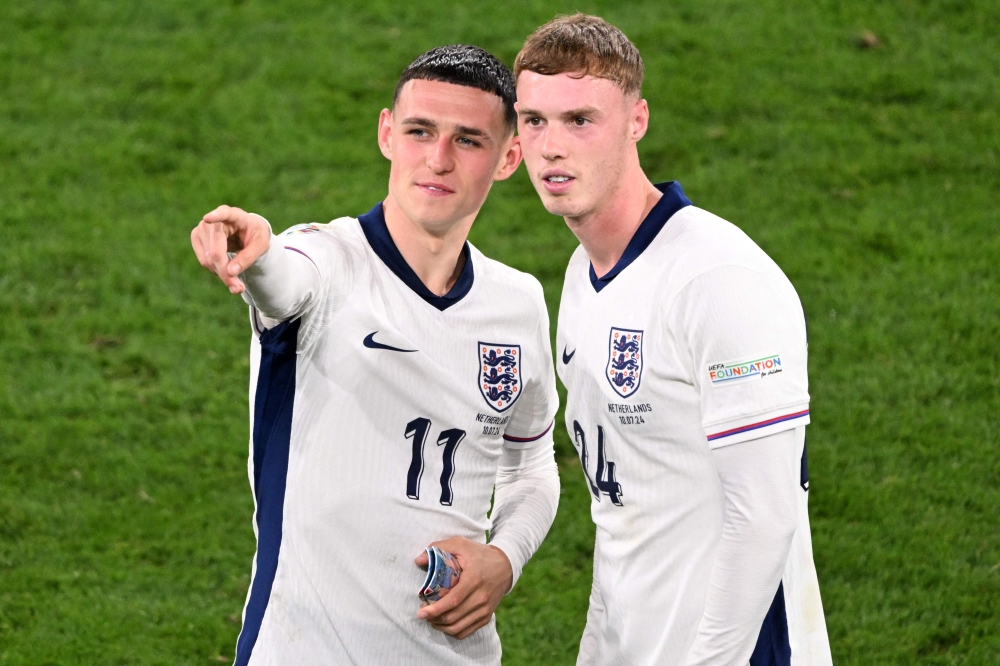
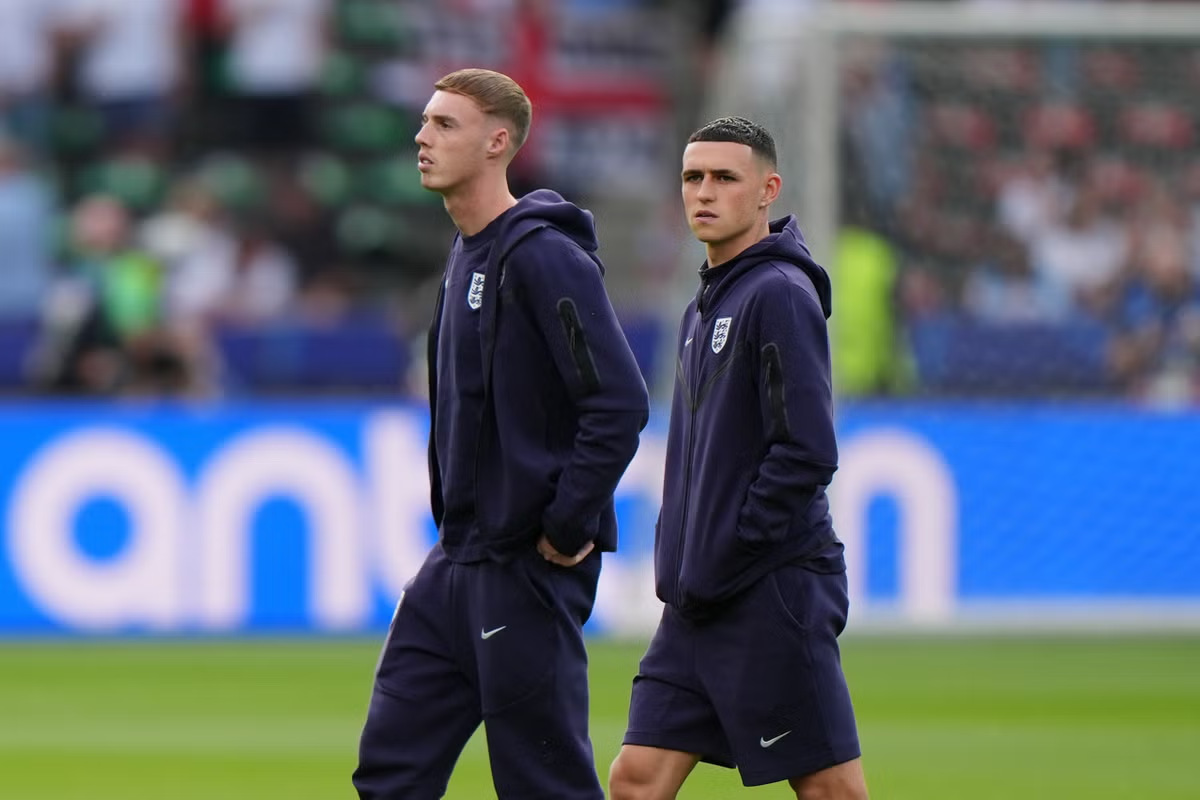
And so when it came to the selection of his World Cup squad, Tuchel did not just assemble the most talented players in the country. In fact, he was strikingly ruthless in not picking some very gifted individuals who have not yet delivered for him. Most significantly, Phil Foden and Cole Palmer.Foden is one of the most talented and decorated English players of his generation. He has won six Premier League titles, one Champions League and the Footballer of the Year award just two years ago. He has already represented England at the last three major tournaments. And at 25 he should be coming into his prime.But Foden has had a difficult season at Manchester City and, perhaps more pertinently, struggled to make an impact for Tuchel’s England. This is nothing new or distinct to Tuchel, either. Apart from the semi-final of Euro 2024 against the Netherlands, Foden has not been able to produce his brilliant best— his swerving style, his match-winning interventions — in international colours.But because he is so good, Tuchel was desperate to make it work with Foden and loved watching him in training. But Tuchel has long wondered why that did not always translate onto the pitch. Where Foden has not delivered, whether playing as a No 10 or even as an experimental false 9. Tuchel was so enamoured with Foden that he wanted to make the most of his sharp movements there, his ability to commit defenders and drive towards goal. If Harry Kane was out, Foden could be a very different threat. But it never clicked for him in either role.Thomas Tuchel could not find a place for Phil Foden (Henry Nicholls/AFP via Getty Images)When England lost 1-0 to Japan at Wembley on March 31, Foden and Palmer started as tandem 10s and did little. Tuchel even admitted afterwards that Foden “struggles to have the full impact” for England and that there was no certainty he would be on the plane. “It’s not a guarantee that he will come,” Tuchel said. Even by the standards of Tuchel’s candour it was a surprise, but it has proved accurate.Palmer has perhaps been even more impressive than Foden at club level for the last few years. But he, too, has struggled to convert that sustained excellence into consistent contributions for his country. He has only made three appearances for Tuchel: starting against Andorra in Barcelona last June, coming on against Uruguay in a friendly in March, and then that mis-firing experiment alongside Foden against Japan. He missed all three of the autumn camps. And he has not given Tuchel enough evidence that he is worth counting on this summer.When Tuchel took the job the expectation was that he would have to find a way to get the best out of Foden and Palmer, something that Gareth Southgate could not always do, and that this would be the key to his success. Palmer, two years younger than Foden, had followed him through the England and Manchester City systems. They have both risen fast to the very top of the English game, and are two poster-boys for the technical skill of this generation of English players.Morgan Rogers can also operate as a No 10 (Mike Hewitt/Getty Images)But that in itself is no guarantee. And Tuchel is clear-eyed about his strategy and knows there is no point taking talented players who might not deliver in his system. He admitted in November that there was a “very low percentage chance” that he would take as many as five players as No 10s.Competition was always going to be challenging. That is the whole point of it. And the reality is that there are other players who can play the No 10 role — not least Morgan Rogers and Bellingham — who have done more for him since he took over. England’s best football, in fact, under Tuchel, has been played with Rogers in that role.Back in October when Tuchel was talking about how unafraid he was to drop big name players, all the talk was about Bellingham and whether he would fit in enough to make the World Cup squad. And Tuchel has certainly proven that with the squad that will be formally announced on Friday morning.But ultimately it is the two other star No 10s of Bellingham’s generation — Foden and Palmer — who have paid the price.May 21, 2026Connections: Sports EditionSpot the pattern. Connect the termsFind the hidden link between sports terms