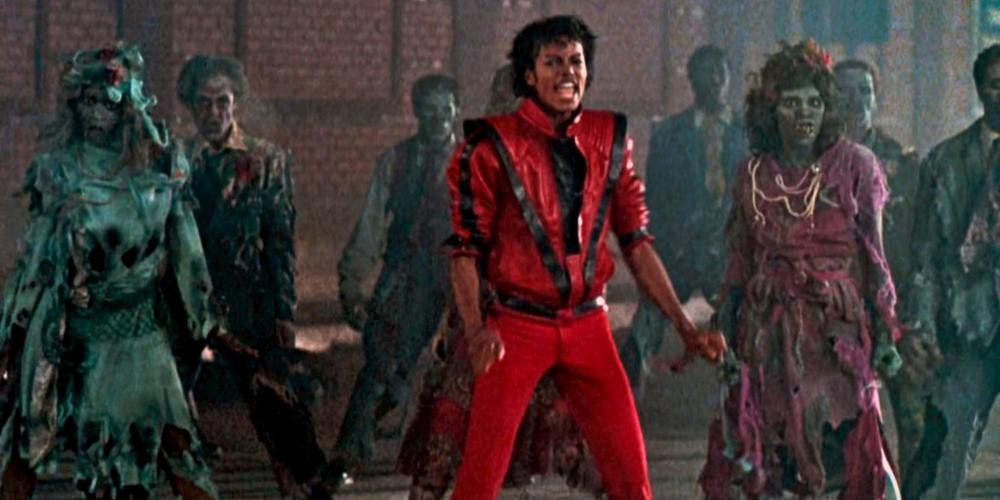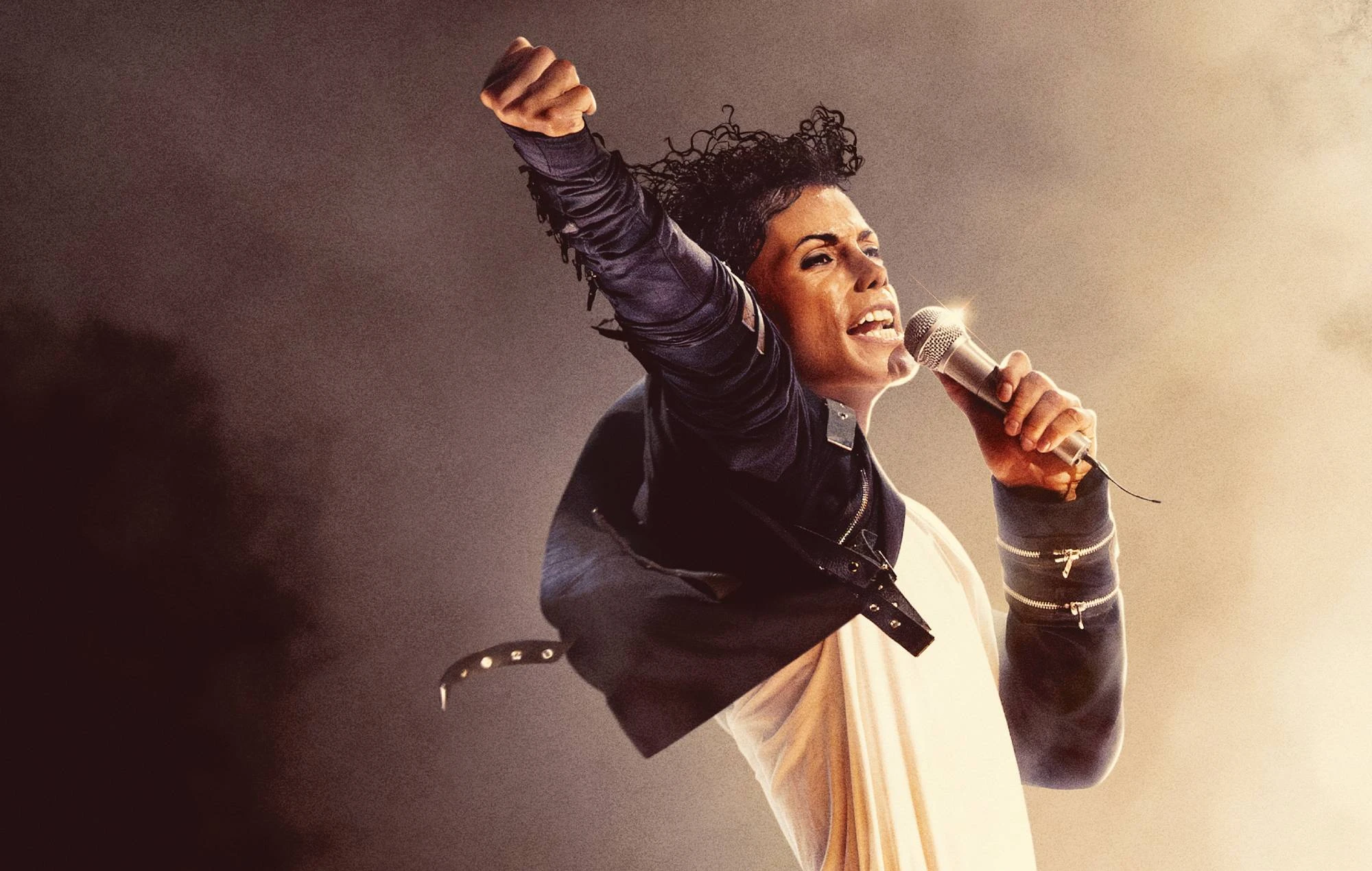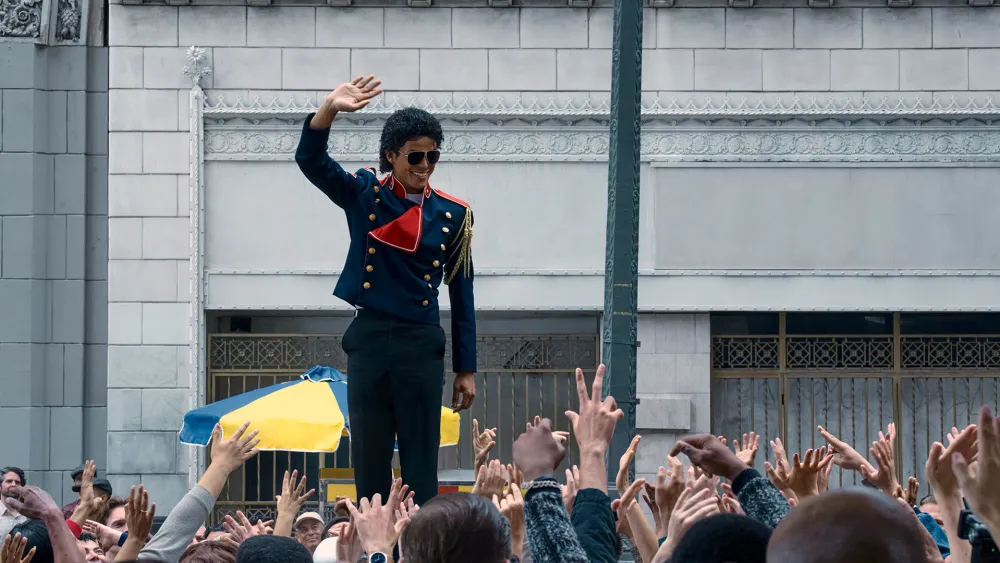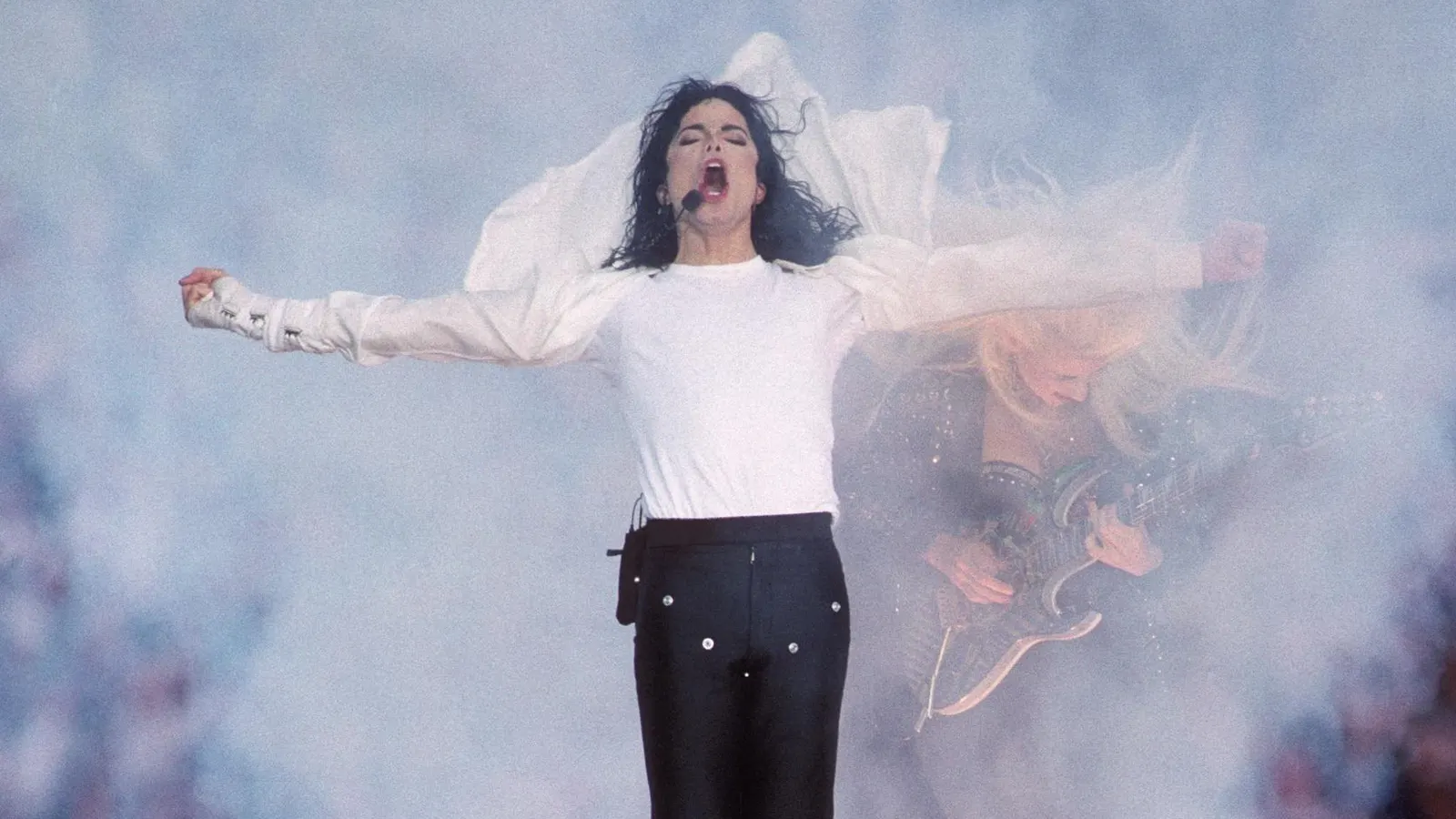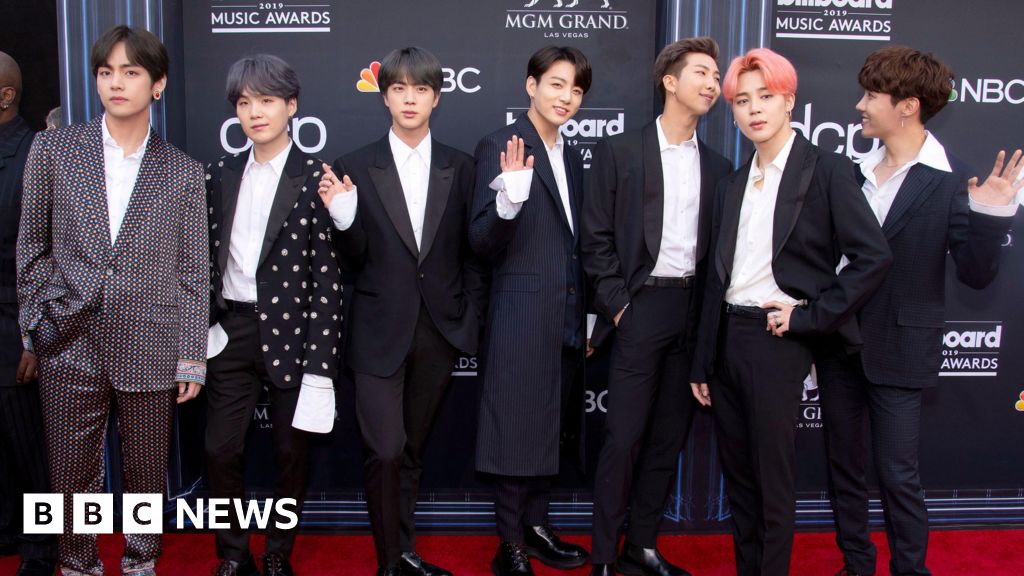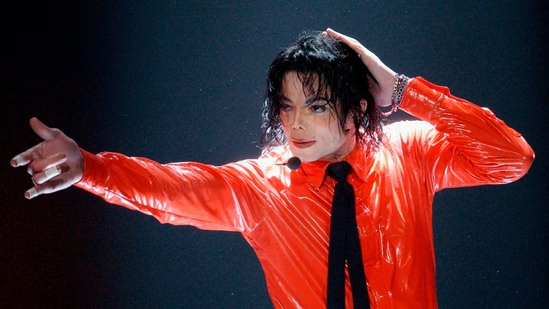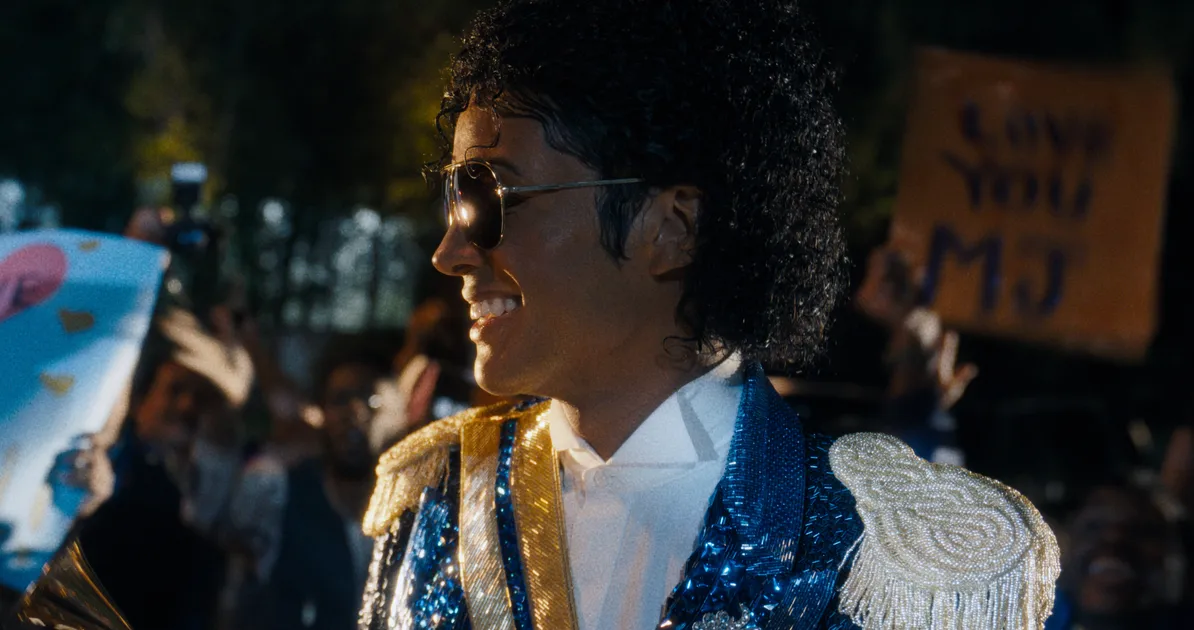
LEE BYUNG-JONG While watching the newly released movie about Michael Jackson last week, I began to wonder whether the pop superstar of the 80s is in any way connected to the global success of K-pop today. Perhaps not directly. But indirectly, I could clearly see connections linking the two sensational phenomena of yesterday and today — MTV and the music video format that the medium introduced to the world. MTV, founded in 1981 on the back of the rise of cable TV, fundamentally changed the way people enjoy music, creating global stars like Michael Jackson and, decades later, BTS. By transforming music from something to listen to into something to watch, MTV reshaped global pop culture, indirectly helping K-pop rise to global stardom.To be sure, BTS and other K-pop idols didn't directly benefit from MTV in the same way Michael Jackson, Prince, Madonna and other pop stars of the 80s and 90s did. K-pop idols owe much of their success to TikTok, YouTube, Instagram and other digital platforms. But MTV laid a firm foundation for the popularity of K-pop stars by making music visual and cinematic. K-pop idols' dazzling dances and intricate choreography would not have captivated global audiences as powerfully if music had remained something primarily to be heard rather than seen. Indeed, MTV paved the way for platforms like YouTube and TikTok by changing how people experience not only music but pop culture more broadly.This becomes clearer when one traces the rise of Michael Jackson. As depicted in the movie Michael, he had already achieved success at a young age as the lead singer of the Jackson Five, the family band that included his brothers. But his true global breakthrough came in 1983, when his music videos began airing on MTV. Songs from the album Thriller, such as Billie Jean and Beat It, became instant hits and dominated the Billboard charts, in large part because their music videos showcased highly choreographed, mesmerizing performances alongside catchy melodies. The iconic Thriller video, featuring dozens of dancers dressed as zombies moving in perfect synchronization, exemplified the addictive power of visual music.These videos, repeatedly broadcast on MTV, offered more than just songs. They delivered cinematic experiences — mini movies with themes, narratives and emotional resonance. Pop stars became not just singers but storytellers, and also trendsetters in fashion and style. Michael Jackson's colorful jackets, glittering glove and signature moonwalk captured the imagination of millions of fans worldwide. Fueled by these elements, Thriller sold more than 70 million copies globally, becoming the most successful album in pop history — a record it still holds.Fast forward several decades, and K-pop idols have, in many ways, perfected the visual music style pioneered by MTV-era stars through even more polished and captivating performances. K-pop emphasizes near-perfect synchronization, visually striking choreography, and high-production music videos that appeal to both the eyes and the ears. The industry has also systematized this approach through a tightly managed training system, in which aspiring idols undergo years of preparation in dance, vocals and even foreign languages. The rise of digital platforms like YouTube and TikTok further accelerated K-pop's global reach by enabling instant, borderless distribution. An early beneficiary of this shift was Psy's Gangnam Style, which went viral worldwide thanks to its humorous choreography and memorable visuals. Today, global K-pop acts like BTS and Blackpink command massive international fanbases, sustained by constant and sophisticated digital engagement.MTV also played a role in opening the door for non-Western and non-white artists to enter the mainstream. Airing Michael Jackson, a Black artist, was initially a risky move for a channel that had primarily targeted white audiences. But his overwhelming success encouraged MTV to diversify its programming, eventually making space for a wider range of artists. From the 2000s onward, MTV featured numerous Korean acts, helping to legitimize them within the Western media ecosystem. Events like the MTV Video Music Awards, which now include K-pop categories, have further contributed to the genre's global recognition.Today, MTV is no longer as influential as it once was. With the global rise of social media — especially short-form platforms like TikTok — its heyday has largely passed. Algorithm-driven virality now shapes youth culture more powerfully than scheduled television ever could. TikTok dance challenges, for example, often generate more immediate engagement than traditional music videos. Fans today are also far more interactive, actively promoting, translating, and building communities around their favorite artists rather than passively consuming content.Yet MTV's role in shaping modern pop culture should not be underestimated. It ushered in an era where music became inseparable from image, storytelling, and performance. This case offers a clear example of how media can transform not just industries, but the way we experience culture itself. As the Canadian media theorist Marshall McLuhan famously observed, "The medium is the message." The global success of K-pop suggests that its messages — its music — have flourished in large part because they have been carried through the right mediums.- - -Lee Byung-jongLee Byung-jong is a former Seoul correspondent for Newsweek, The Associated Press and Bloomberg News. He is a professor at the School of Global Service at Sookmyung Women’s University in Seoul. The views expressed here are the writer’s own. — Ed.
[Lee Byung-jong] Michael Jackson, MTV and K-pop
While watching the newly released movie about Michael Jackson last week, I began to wonder whether the pop superstar of the 80s is in any way connected to the g
868 words~4 min read