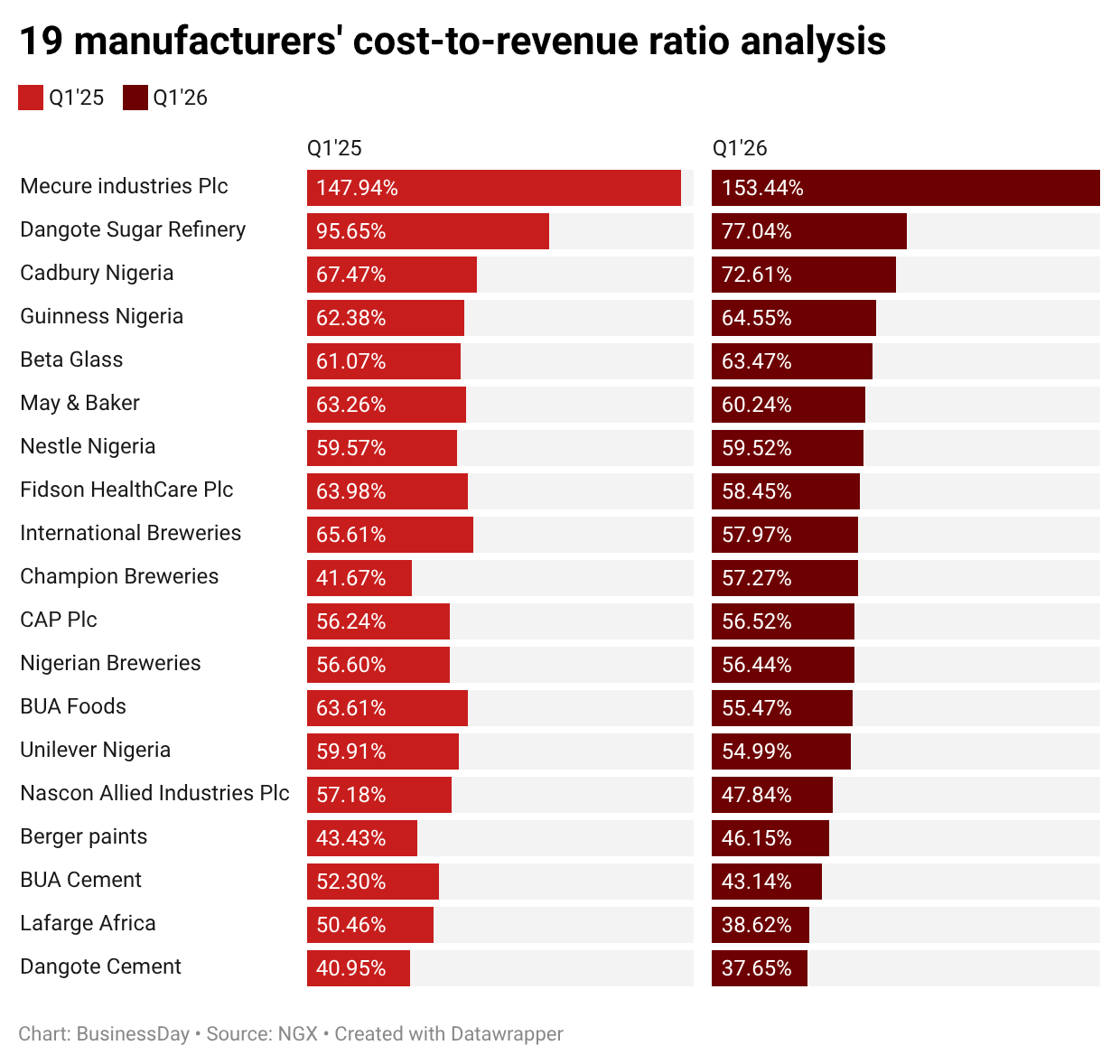
BUA Cement Plc has attributed the high cost of cement in Nigeria to rising energy, transportation, and foreign exchange-related expenses, saying the industry continues to face significant production cost pressures despite recent improvements in exchange rate stability.
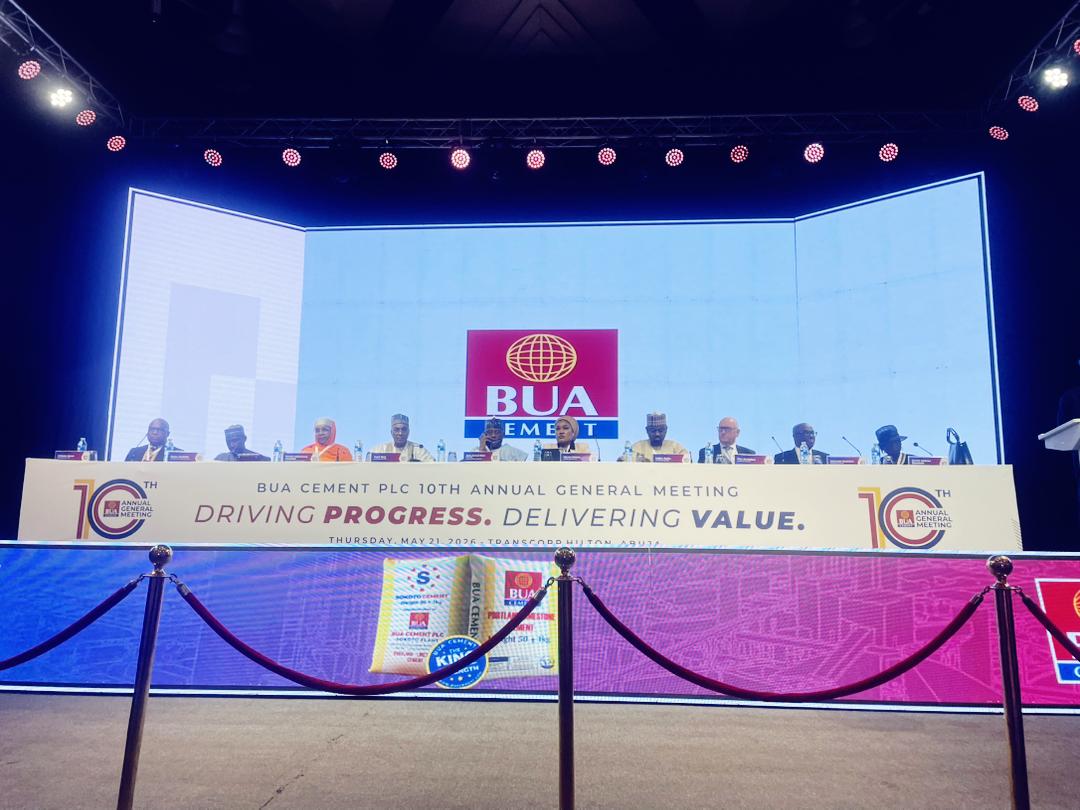
Speaking at the company’s 10th Annual General Meeting held in Abuja on Thursday, the Chairman of BUA Cement, Abdul Samad Rabiu, said recent economic reforms, particularly in the foreign exchange market, were beginning to improve manufacturers’ planning.
The Chairman of BUA Cement Plc, Abdul Samad Rabiu
The cement industry, he stated, remains heavily dependent on imported spare parts, equipment, and energy-related inputs, making it highly vulnerable to exchange rate fluctuations.
Mr Rabiu noted that although the naira depreciation created serious challenges for manufacturers, recent stability in the foreign exchange market had started easing some pressures, especially in shipping and logistics costs.