Anthony DELANOIX / Unsplash
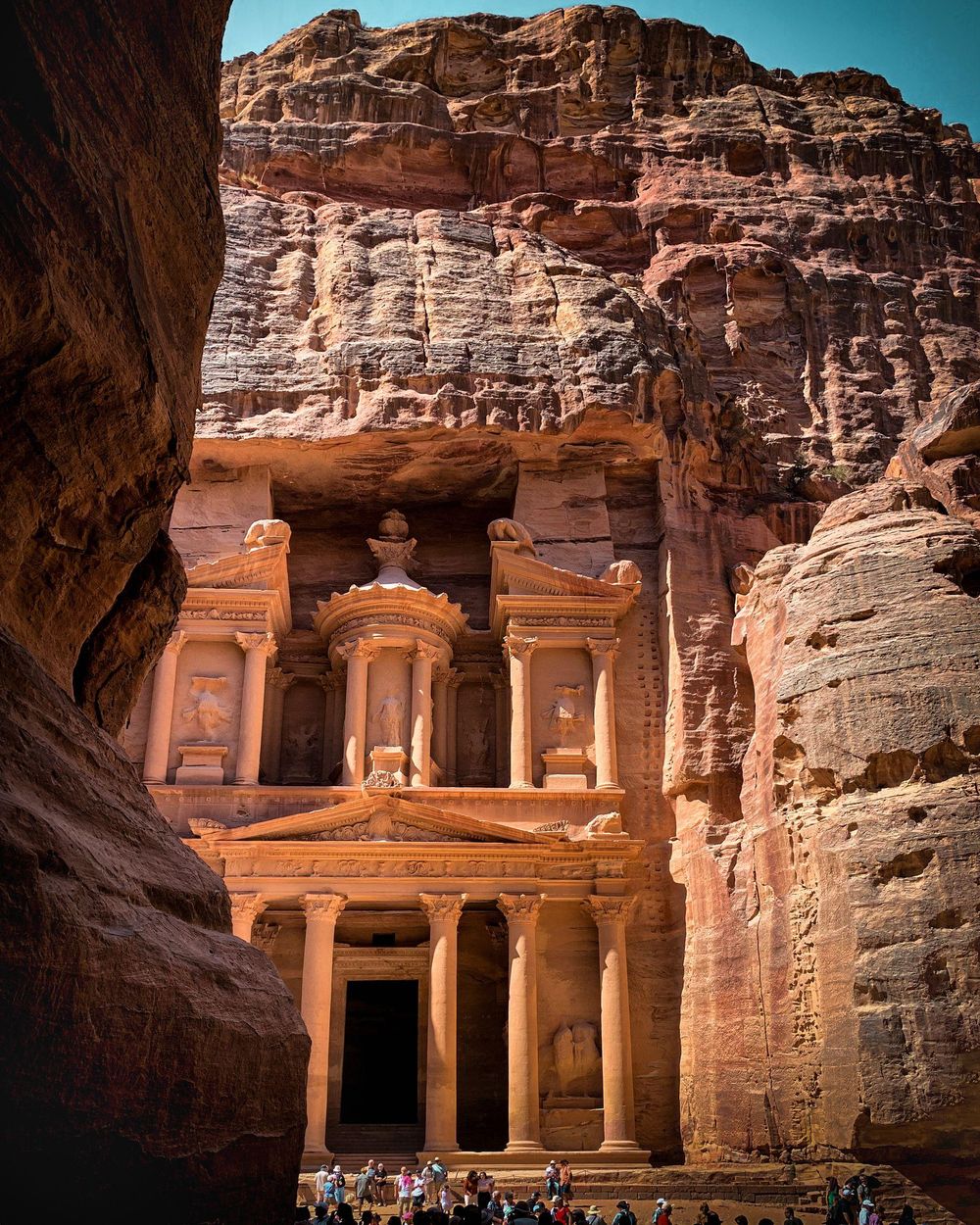
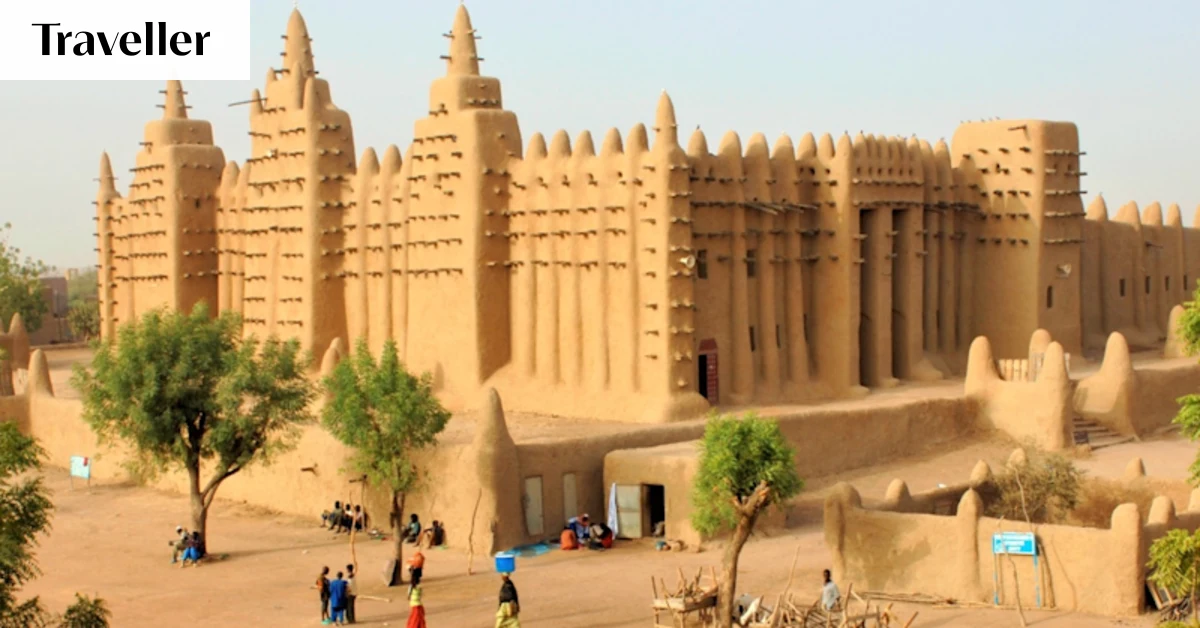
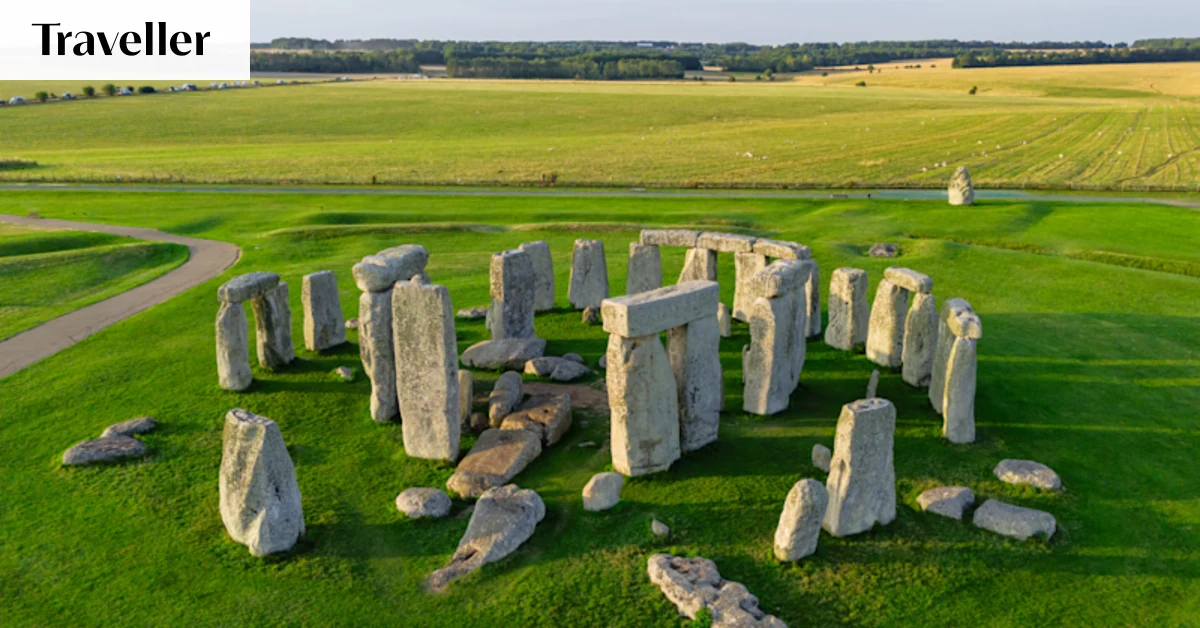
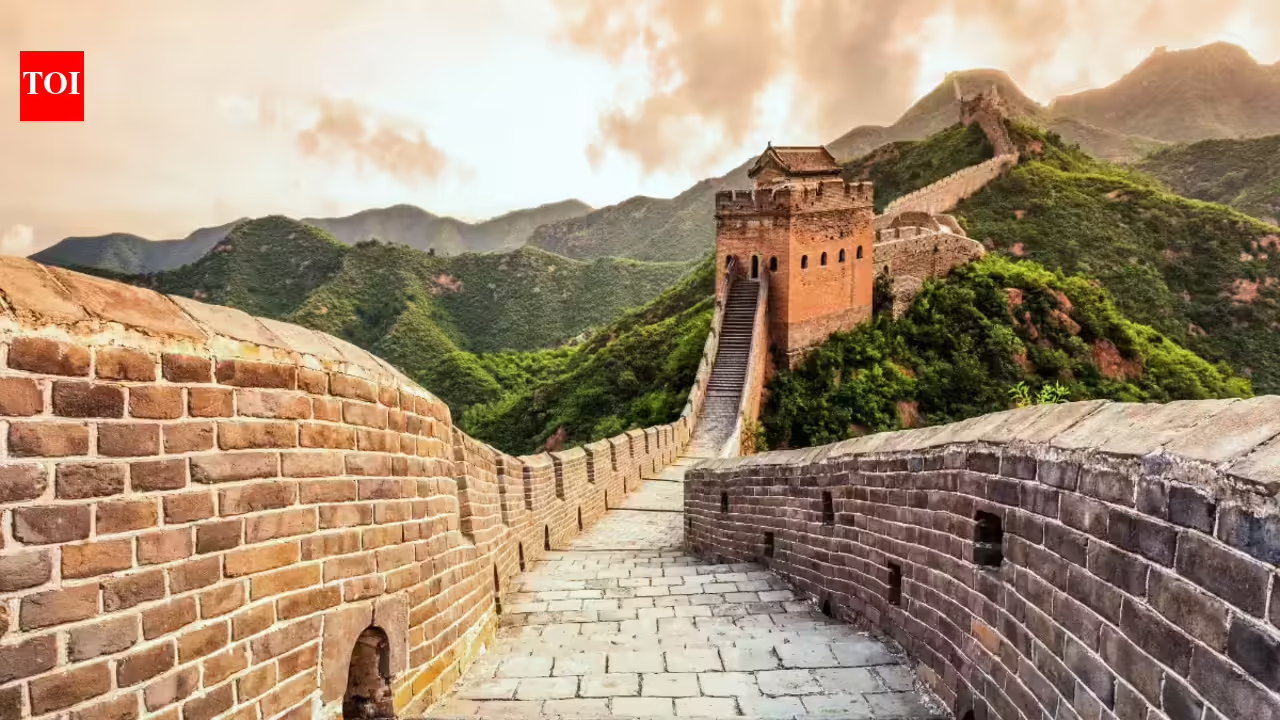
Landmarks do something that photographs and descriptions cannot fully replicate: they place a person inside history at a scale that makes history feel real. Standing at the base of the Great Wall of China, at the edge of the Machu Picchu citadel, or inside the courtyard of the Taj Mahal produces a physical encounter with the ambition, engineering, and belief systems of civilizations that no museum exhibit can substitute for. The world’s most famous landmarks draw millions of visitors each year, not out of habit but because the experience of being present at them remains genuinely affecting in ways that are difficult to anticipate until you arrive.
The geography of famous landmarks spans every inhabited continent and encompasses natural wonders alongside human construction, ancient ruins alongside buildings still in active use. What unites them is historical significance paired with visual power: the ability to communicate something immediately to the eye while rewarding deeper investigation with layers of cultural, political, and artistic meaning. Planning visits to these sites takes thought: the most famous landmarks are also the most crowded, and the difference between a visit during peak season and one in the shoulder season can determine whether the experience is transformative or exhausting.