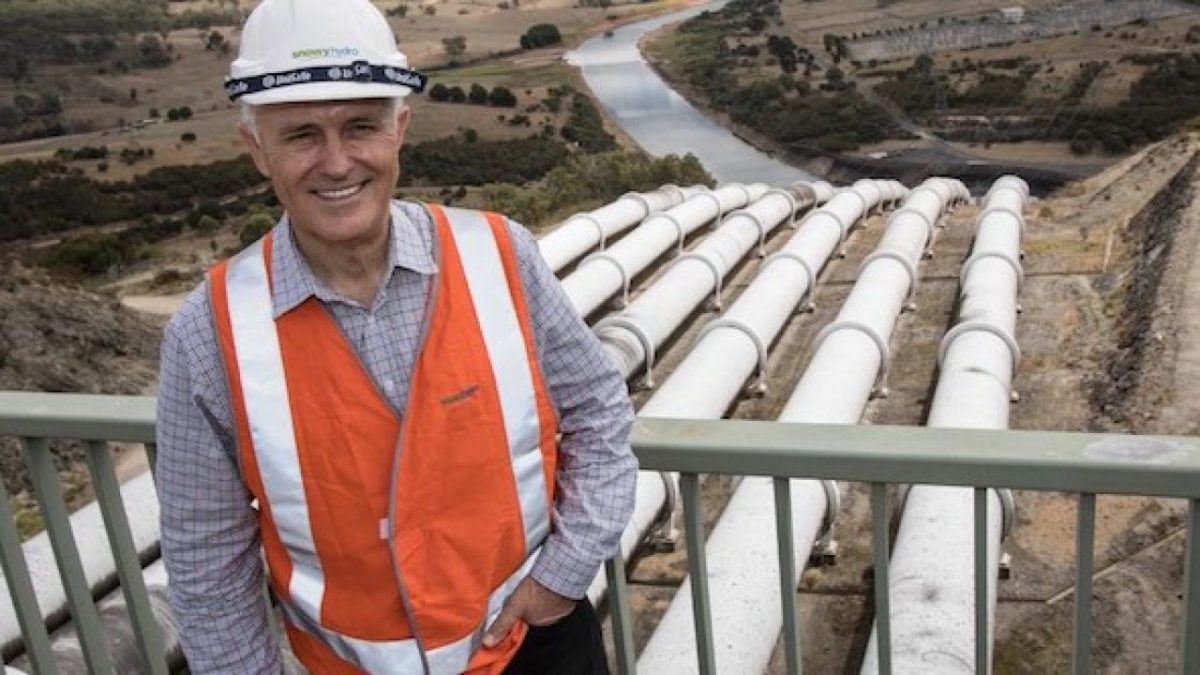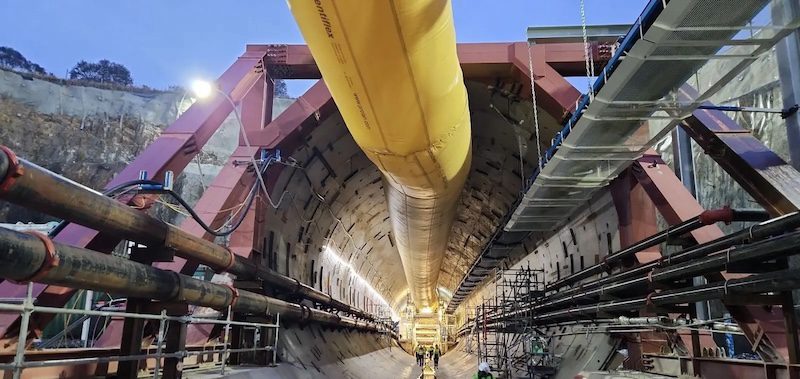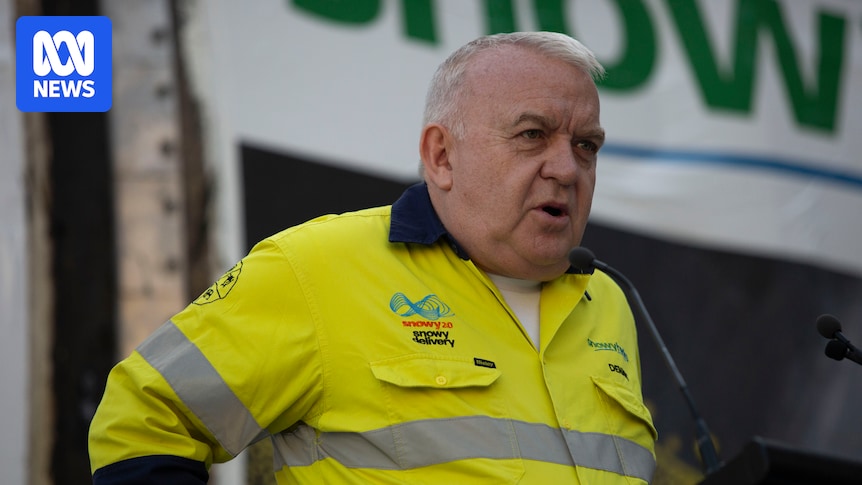
Snowy Hydro executives were paid more than $1 million in bonuses linked to performance last year, even as costs for the multi-billion-dollar renewables project Snowy 2.0 spiralled.Snowy Hydro's chief executive, Dennis Barnes, received $323,000 in bonus pay on top of his $1.69 million salary last financial year, while four other senior executives received about $919,000 in "variable pay".Mr Barnes was paid just shy of the $338,786 bonus awardable to him for Snowy Hydro meeting its targets, despite a third of executive bonuses being contingent on the performance of Snowy 2.0 and other projects.That bonus was paid in September, a month before Snowy Hydro confirmed its renewables mega-project would exceed its budget by even more than the $10 billion blowout it had already acknowledged. Snowy Hydro's board awarded bonuses for executives' performance against customer satisfaction, safety, and work culture targets — despite missing targets on Snowy 2.0 and the company's broader financial operations.Shadow Energy Minister Dan Tehan said the bonuses paid did not pass the pub test."No, and [Energy Minister] Chris Bowen's management of this project over the last four years has been nothing short of a debacle," Mr Tehan said."Changes in contracts have exacerbated these cost overruns, and now he has enabled these bonuses to get paid when the project continues to blow out. It shows his management is not there."Dan Tehan has accused the government of mismanaging Snowy 2.0. (ABC News: Callum Flinn)Finance Minister Katy Gallagher said Snowy Hydro's executive remuneration arrangements were set independently of government.A spokesperson for Snowy Hydro said the company had a wider remit than just Snowy 2.0."While the development of Snowy 2.0 is a major focus for Snowy Hydro's CEO and executive, Snowy Hydro is a large integrated energy company operating in generation, wholesale and retail markets," the spokesperson said."Snowy is Australia's third largest generator, fourth largest retailer and has an important mandate to enable the renewable transition and competition in the wholesale and retail markets."Further cost blowouts yet to be detailedAustralia's largest renewables project was expected to cost $2 billion and be operational by 2021 when it was announced by former prime minister Malcolm Turnbull in 2017.Soon after Mr Barnes took the helm of Snowy Hydro in 2023, the company advised that the cost of Snowy 2.0 had blown out to $12 billion, and it would not generate power before December 2028.Snowy 2.0 has blown out by years and billions of dollars. (ABC News: Isla Evans)In October, the company advised that Snowy 2.0 would cost even more. The exact amount has not yet been disclosed and remains under review.Confirming further blowouts, Mr Barnes conceded the company had "a problem" and "didn't get this cost forecast right", and that missed productivity targets and supply chain costs had contributed to Snowy 2.0's rising cost.A fourth $75 million tunnel-boring machine was also acquired to avoid further delays of "many, many months".Snowy Hydro told ABC News its principal contractor, Future Generation Joint Venture, was undertaking a "line-by-line" cost reassessment that construction cost experts would independently verify.Mr Tehan said that the report, or at least an interim report, should be published in time for senators to scrutinise Snowy Hydro at budget estimates next week."The lack of transparency with this government is a disgrace," Mr Tehan said."They should release the report or an interim report before Senate Estimates so it can be properly scrutinised, but I am not holding my breath for that to happen.Senator Gallagher said the government had inherited previously unknown "serious problems" with Snowy 2.0 from the former government, and since then, the project had been "reset"."[Snowy 2.0 has] gained pace with the monthly average delivery rate having doubled, despite the challenging geology and complexity of the project," Senator Gallagher said.Katy Gallagher says the government inherited Snowy 2.0 problems from the former government and the project has since gained pace. (ABC News: Callum Flinn)"We expect that Snowy manage the contractor building Snowy 2.0 to the highest possible standards."Snowy 2.0 remains a critical piece of the nation's energy infrastructure, and our focus is on ensuring the project is delivered with proper transparency and accountability."Mr Tehan said the government should be conducting its own review.Snowy boss one of the best-paid public servantsSenior management at the energy giant can be awarded bonus pay based on financial, sustainability, and growth targets, and, to a lesser extent, on meeting corporate plan targets, such as managing reputation, risk, and stakeholder relations, as well as internal safety and culture standards.But that bonus is only paid if senior executives meet or exceed targets set by the board.While Snowy 2.0 struggles, the wider company, including its retail arm, delivered a profit of $399.7 million last financial year, most of which was paid out to Snowy Hydro's sole shareholder, the federal government.Mr Barnes is one of a handful of public servants who earn more than Prime Minister Anthony Albanese. With $2.06 million in pay last financial year, the Snowy Hydro CEO makes about three times the prime minister's salary.The heads of Australia Post, the ABC, NBN Co, and a couple of departmental bosses, including those at Home Affairs and Defence, are also among those paid more than $1 million a year.The independent Remuneration Tribunal determines Snowy Hydro executive salaries.The decision to award bonus pay is made by Snowy Hydro's People & Culture Committee, which recommends an amount to the board for the final say.The corporation says "a clear and direct link between pay and organisation and individual performance" is the core of its remuneration strategy.Snowy Hydro is scheduled to appear before senators at budget estimates hearings on Tuesday.
Snowy bosses paid $1.2m in bonuses as hydro project costs spiral
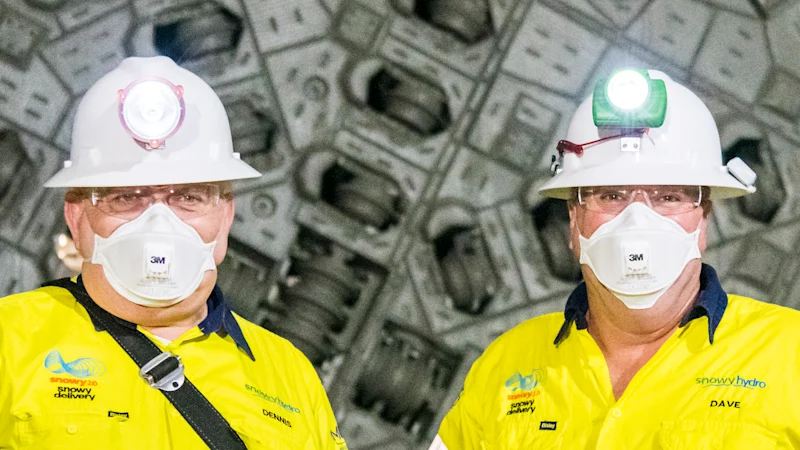
The renewables project's chief executive, Dennis Barnes, received $323,000 in bonus pay on top of his $1.69 million salary last financial year, while four other senior executives received about $919,000 in "variable pay".
922 words~4 min read