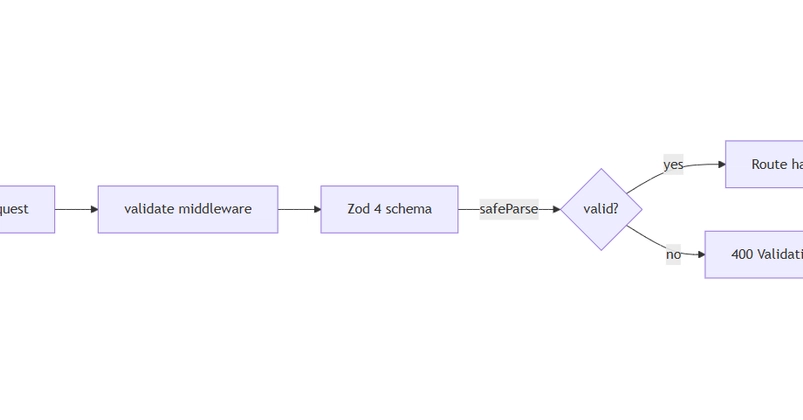
TypeScript types disappear at runtime. Your carefully typed User interface means nothing when the JSON from an external API, a form submission, or a database query arrives as unknown. Zod bridges this gap: you define a schema once, validate data against it at runtime, and get a TypeScript type back for free. This guide covers every Zod pattern you will use — from basic schemas to API validation, form handling, and OpenAPI generation.
If you are building TypeScript APIs or form-heavy applications, browse WOWHOW Tools for starter kits and check out the full catalog for Next.js and React templates with validation built in.
Why Zod Over Alternatives
Zod infers TypeScript types from schemas (schema-first, not type-first). It has zero dependencies, works in Node.js and browsers, and its error messages are structured objects you can use to build user-facing form errors without any extra work. It also chains neatly with transforms — parse, validate, and reshape data in one step.
Core Schema Types