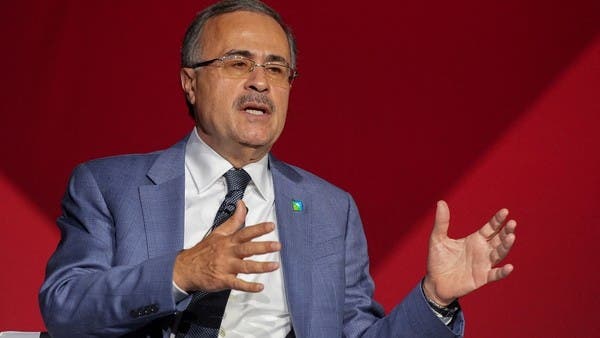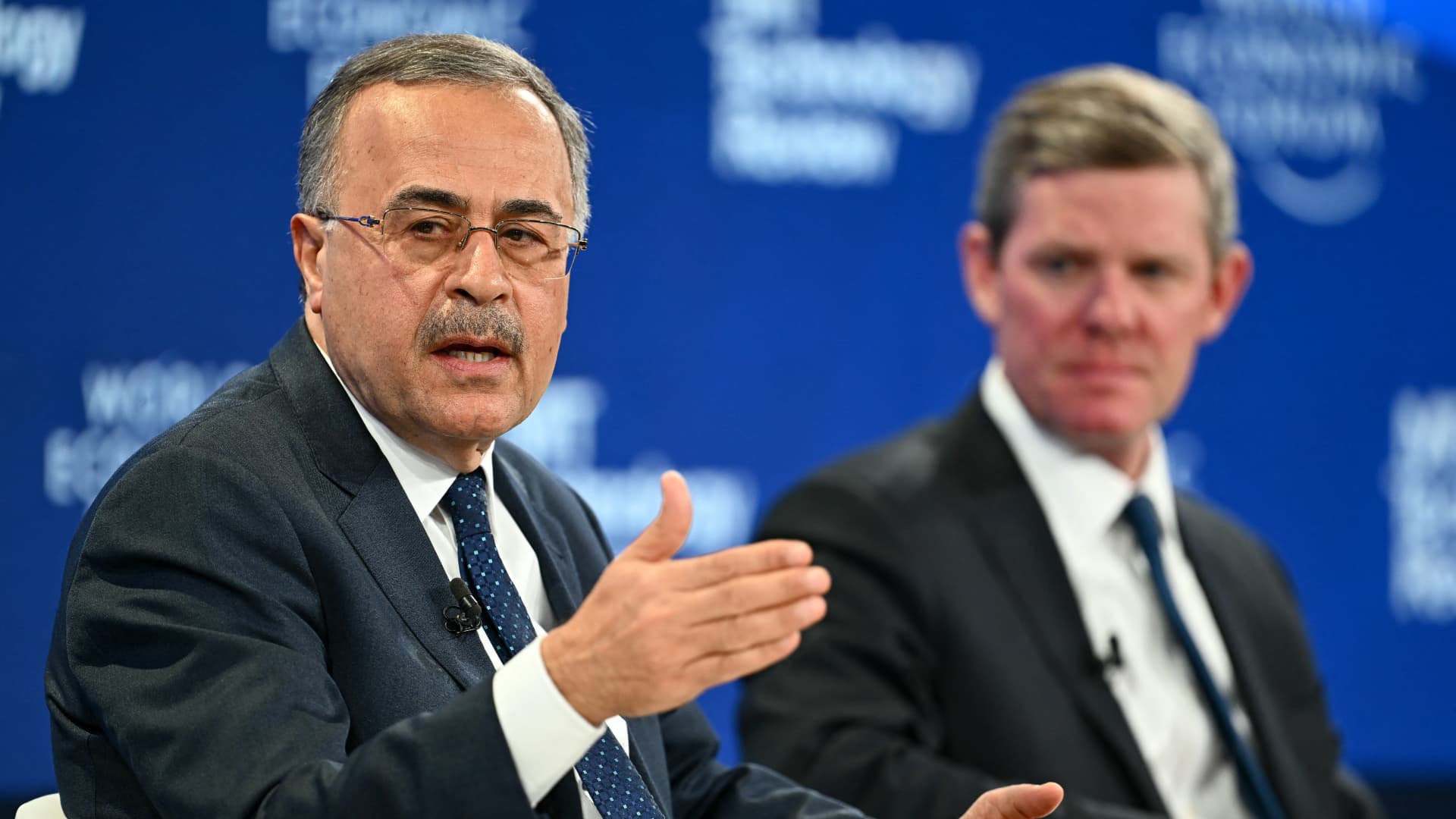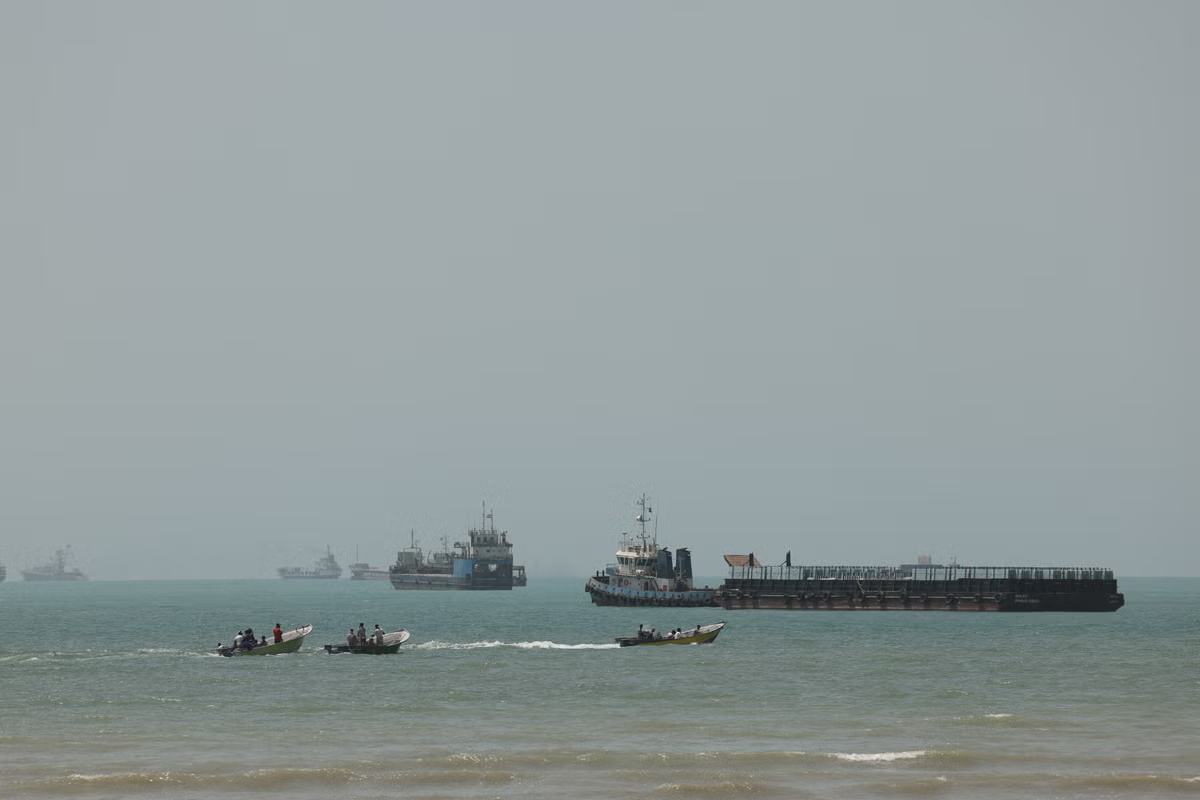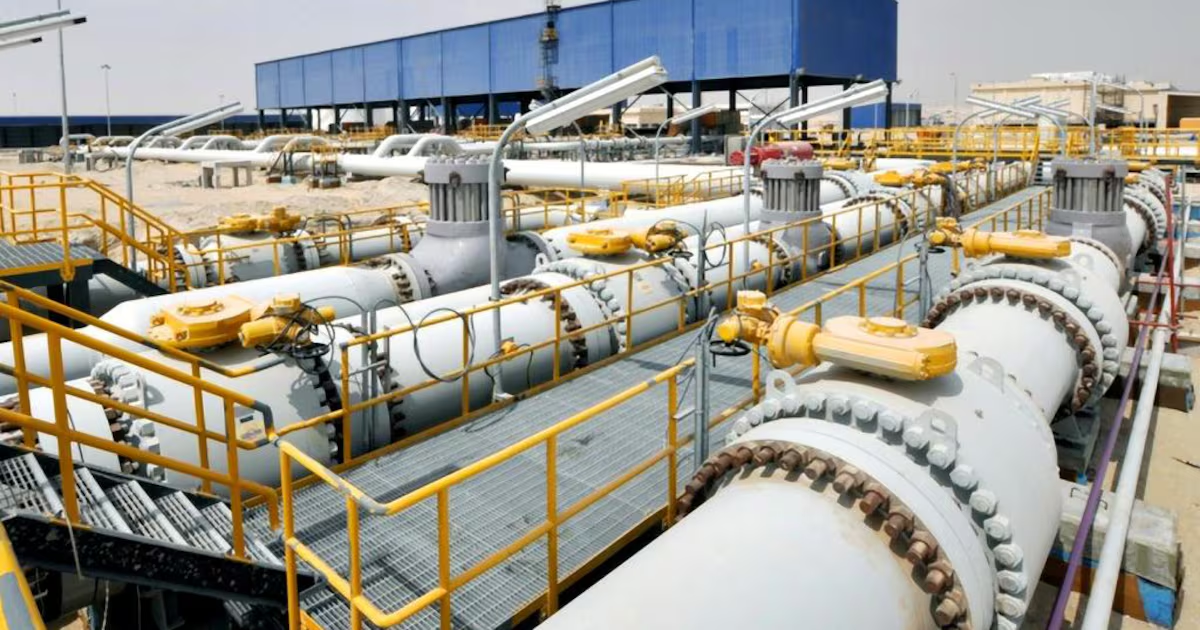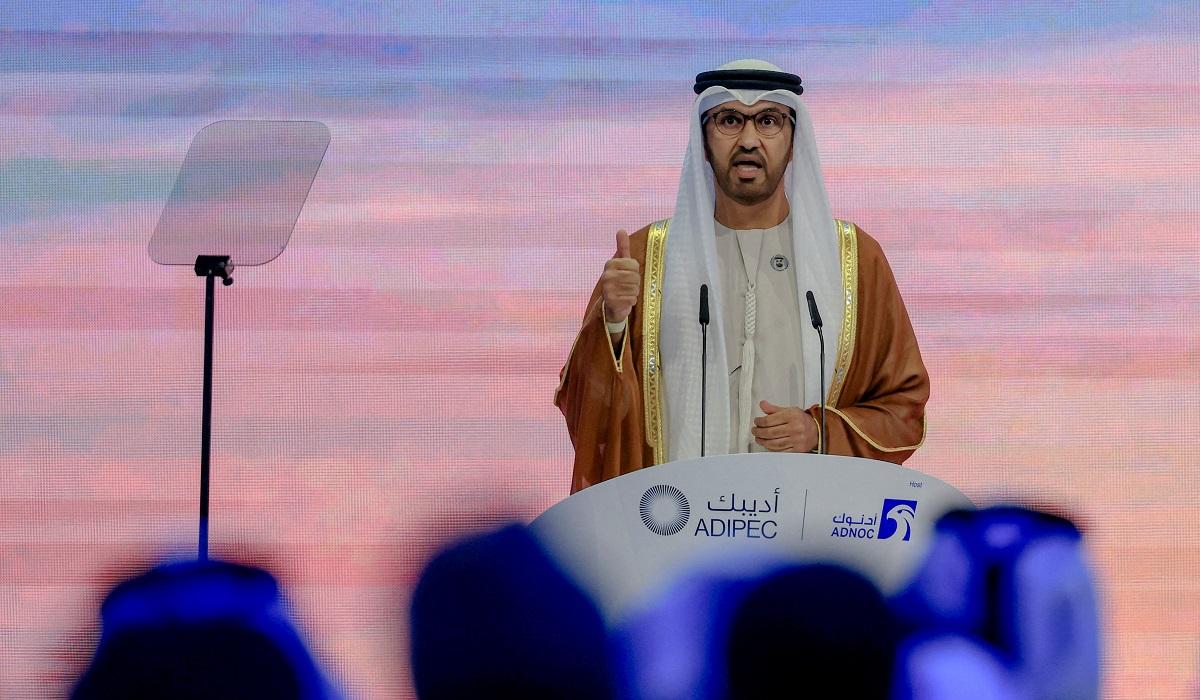
It still seems that oil markets are believing their own theories more than hard-hitting warnings from Arab national oil companies. Even with all signs on red, optimism still shows oil prices as depressed, not really reflecting reality at all. When Sultan Ahmed Al Jaber, Abu Dhabi National Oil Company’s CEO, and more or less one of the most outspoken visionaries in the Gulf, publicly warns that oil flows from the Persian Gulf will remain severely disrupted until at least mid-2027, markets, traders, and financials should pay attention and act. Instead, traders, shipping executives, hedge funds, and even parts of the energy industry seem to behave as if the Strait of Hormuz crisis is a temporary logistical disturbance, which will be easy to solve. Optimism about the effects of reopening lanes, deploying more naval escorts, or waiting for diplomacy to return remains too high. It seems markets and pundits are dangerously detached from reality.At present, the global oil market still prices in a miracle scenario: Hormuz partially reopens, insurance rates normalize, exports resume, and, of course, Gulf producers will rapidly restore pre-crisis output and shipping flows. This fantasy is not only eroding market confidence but also poses a danger to all.Even if the Strait of Hormuz remains open, on-the-ground realities, as seen in infrastructure upgrades such as the Habshan-Fujairah pipeline and security improvements, make it clear that the Gulf export system has fundamentally changed. The facts signal a prolonged period of impairment. Markets should also no longer confuse “open water” with “normal operations”; these are no longer the same. For decades, the global economy relied on a fallacy or a political illusion. The fact that around 20 million bpd passed through a single narrow maritime chokepoint with limited geopolitical consequences was seen not as a risk but as a fact set in stone. Hormuz became the ultimate symbol of globalization’s efficiency model. Global shipping, but especially crude oil and petroleum product tankers, moved with near-industrial precision between loading terminals, storage hubs, refineries, and consuming markets. As a result, insurance was cheap, and markets remained relatively stable. The world believed that Gulf barrels would always arrive. This is not only under pressure, but it has also ended.The Iran-Hormuz crisis of 2026 shattered the psychological foundation underpinning global oil trade. Theory has become reality, as shipping companies, insurers, traders, and state energy planners now have or need to internalize the fact that the Gulf is no longer a stable export platform. It is an active geopolitical risk zone, and most probably for a prolonged period, a hot zone of instability, where every voyage carries military, cyber, insurance, financial, and political exposure. For crude oil (and LNG) markets, the consequences are enormous.The first structural damage is the shipping capacity itself. Even with partial naval protection, a vast number of operators will not be willing to fully redeploy fleets into a region where missile attacks, drone strikes, electronic interference, sabotage, and mining risks remain persistent. Due to rerouting or being trapped inside the Gulf, effective tanker availability has collapsed far beyond what headline export figures suggest.There is a hidden crisis that markets underestimateOil supply is not only about production, but about moving molecules safely, predictably, and profitably. As Finance Professor Emir J Phillips noted on Oilprice.com: “Oil that cannot move is not fully supply. Oil that cannot be insured is not fully supply. Oil that cannot be financed is not fully supply. Oil that cannot reach the right refinery is not fully supply.” Simply put, if shipping efficiency collapses, “available supply” becomes largely theoretical. A barrel trapped is not truly available to the market. A two-tier oil system has emerged, making producers’ spare capacity less effective, as export constraints tied to shipping, insurance, financing, and security increasingly limit actual supply availability at scale.Markets also should realize that the assumption that Gulf producers can rapidly flood markets after crises has disappeared. They can no longer serve as a stabilizing mechanism for oil prices. Even if Saudi Arabia or the UAE increases output, the physical movement of those barrels remains vulnerable to infrastructure bottlenecks, pipeline limitations, storage shortages, shipping scarcity, and insurance constraints.The message from ADNOC is clear. The UAE has spent years investing billions in bypass infrastructure precisely because the Abu Dhabi leadership recognized Hormuz’s long-term vulnerability. These investments are vital. The success or failure of this will now significantly influence the future security and stability of Gulf exports. Still, even the UAE bypass strategy now faces severe limitations.The position of Fujairah itself has become exposed to regional escalation, as the main alternative export route faces shipping congestion, infrastructure vulnerabilities, cyber risks, insurance premiums, and military targeting. At present, the geopolitical fragmentation that undermined Hormuz has clearly spread to into the broader Gulf maritime ecosystem.Al Jaber’s warning matters, as the ADNOC official acknowledges that the problem is no longer confined to a single chokepoint. The entire Persian Gulf export architecture is under stress. Until now, financial markets have remained astonishingly complacent.Today’s oil pricing still reflects assumptions that are based on the situation of the pre-2026 world, as traders continue to believe spare capacity will eventually stabilize markets. In the media, a large group of analysts speaks of “temporary disruptions”, while investment banks model gradual normalization scenarios. There is even a group that expects a wave of growth in Gulf production once tensions ease. Maybe reality already shows that normalization itself may no longer exist.The Gulf will clearly enter an era of chronic instability rather than an era of episodic crisis. Infrastructure redundancy remains insufficient, while freight volatility will continue and become embedded in baseline pricing. Adaptation is needed for market participants to maintain resilience and competitiveness. For oil markets, the outcome will be a permanent security premium across the energy system.This extends beyond oil prices to include refining margins, petrochemical feedstocks, LNG freight, bunker fuel pricing, and shipping rates. It will also be shown in global inflation dynamics, as they have become increasingly tied to Gulf instability. The old separation between geopolitics and markets has collapsed.What emerges instead is a world where energy flows are judged not by cost efficiency but by survivability.Psychology has also changed, as confidence, the invisible foundation of oil markets, is damaged. Once confidence disappears, physical infrastructure alone cannot restore stability. Buyers will begin diversifying suppliers, traders will start hoarding optionality, and freight markets will become defensive. At the same time, insurance capital will retreat. The result will be fragmentation.At present, the most dangerous mistake is to view ships passing through Hormuz as a sign that the system is functioning normally. At present, the Gulf energy architecture increasingly resembles a wartime logistics corridor operating under constant strategic stress. ADNOC’s CEO statement now again confirms what many inside the industry already know privately: the Persian Gulf cannot simply “switch back on.” It is doubtful whether mid-2027 is realistic.Repairing confidence in Gulf exports will require much more than opening shipping lanes or even stabilizing regional security. It will also need to protect digital infrastructure and ensure physical redundancy across pipelines, ports, storage, and terminals. These issues will take much more time than the next 12 months. They also require geopolitical stability that currently does not exist.Markets still hope for a miracle reopening. ADNOC is warning that the miracle is not coming.By Cyril Widdershoven for Oilprice.comMore Top Reads From Oilprice.comIndonesia Tightens Grip on Key Commodity ExportsThree Supertankers Carrying 6 Million Barrels Exit Strait of HormuzUK Eases Some Russian Oil Sanctions as Fuel Prices Soar
ADNOC Warns Gulf Oil Disruptions Could Last Until 2027 | OilPrice.com
ADNOC CEO Sultan Al Jaber warned Gulf oil export disruptions could persist until at least mid-2027, challenging market assumptions of a quick normalization in Hormuz.
1,239 words~6 min read