This is a submission for the Google I/O Writing Challenge
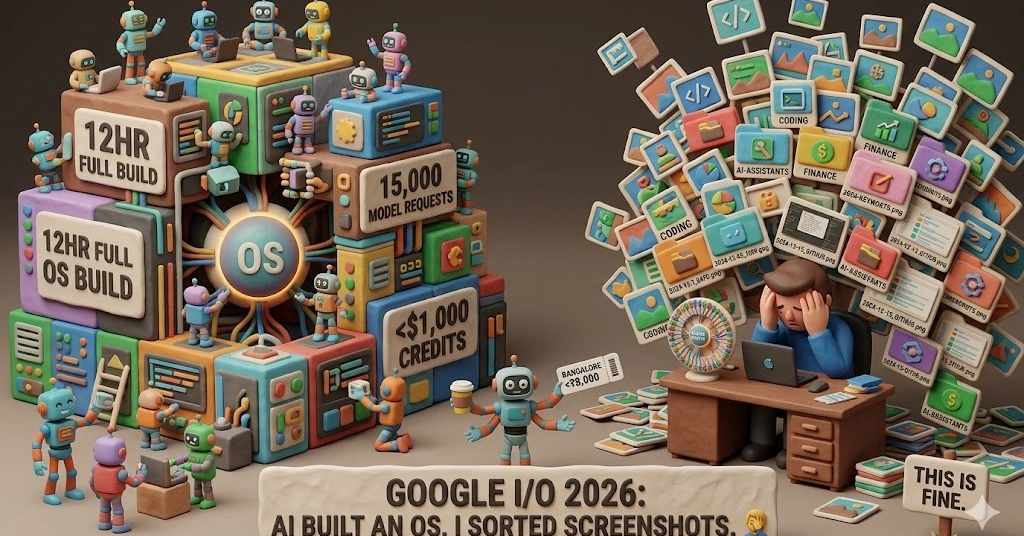
Earlier this week, a software system built the core framework of a functioning operating system from scratch in exactly 12 hours. No human wrote a single line of code. The architecture wasn’t planned by a principal engineer; it was broken down, assigned, and compiled entirely by an autonomous ecosystem of AI agents.
The entire project cost less than $1000 in API compute credits.
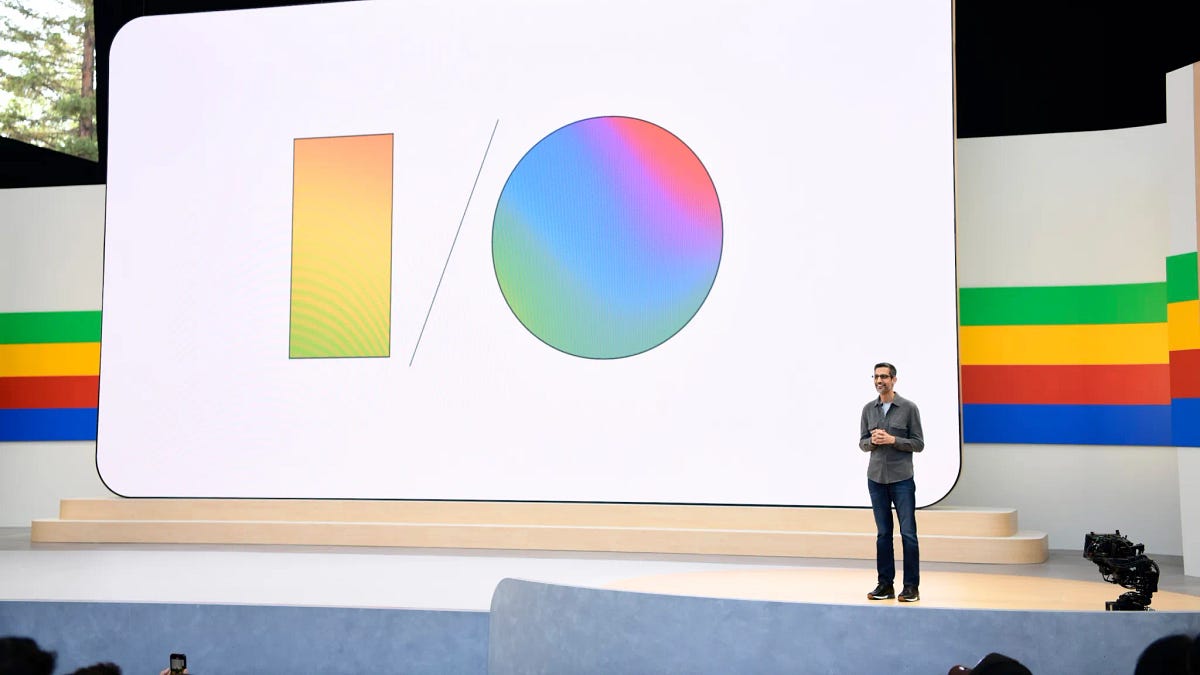
If your current relationship with generative AI consists of manually treating a language model like a highly advanced autocomplete tool—typing a prompt, waiting for an isolated snippet of syntax, and copy-pasting it into your IDE—you are using a paradigm that Google just retired. At Google I/O 2026, the company shifted its focus entirely away from passive chatbot extensions. We are entering the era of independent, multi-agent orchestration engines.
As a Google Developer Expert (GDE) who designs and breaks these frameworks daily, I can tell you that this isn't an incremental tooling upgrade. It changes the fundamental unit economics of what is financially and structurally viable to build.