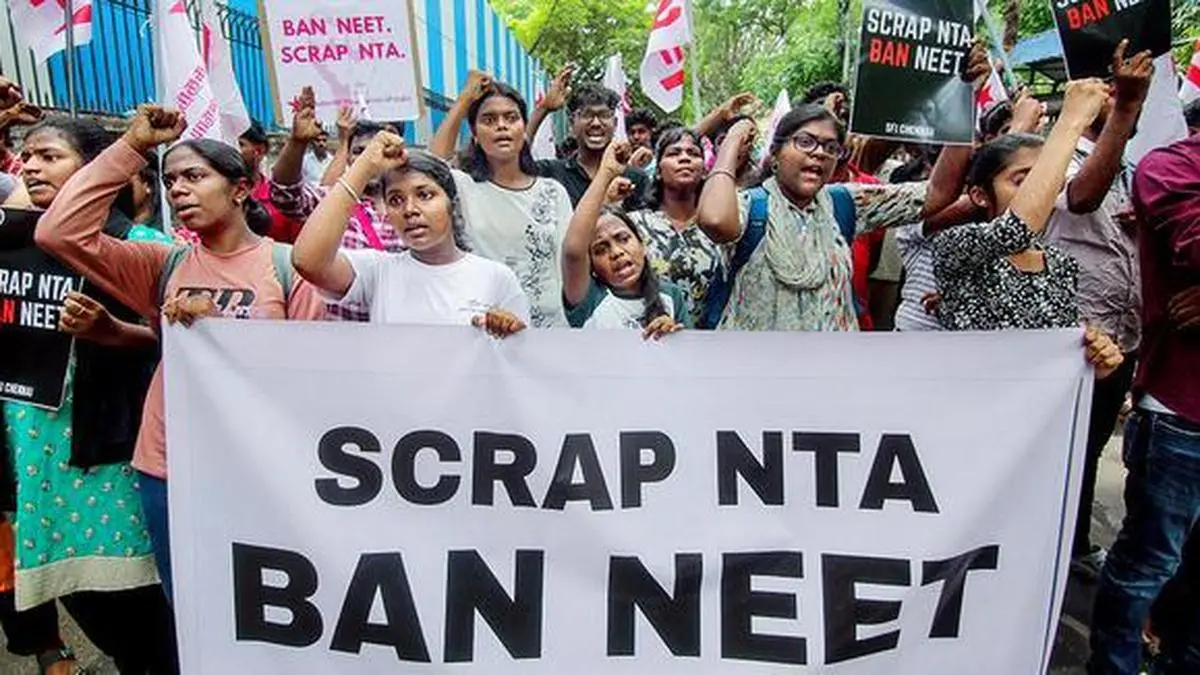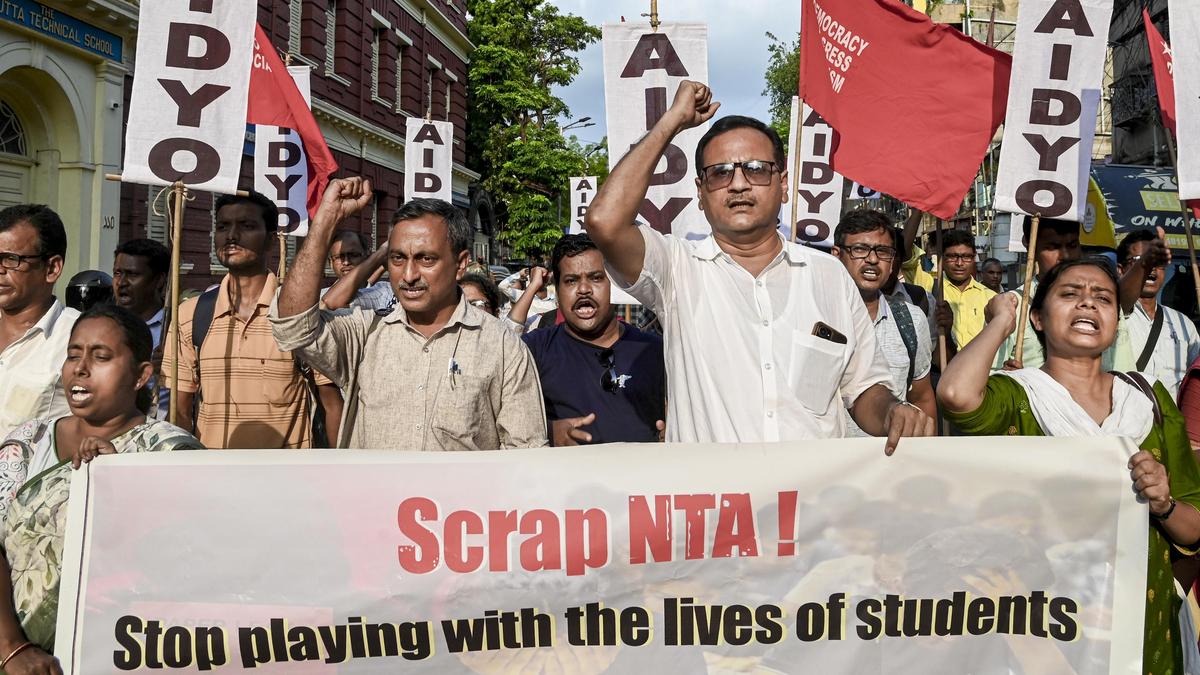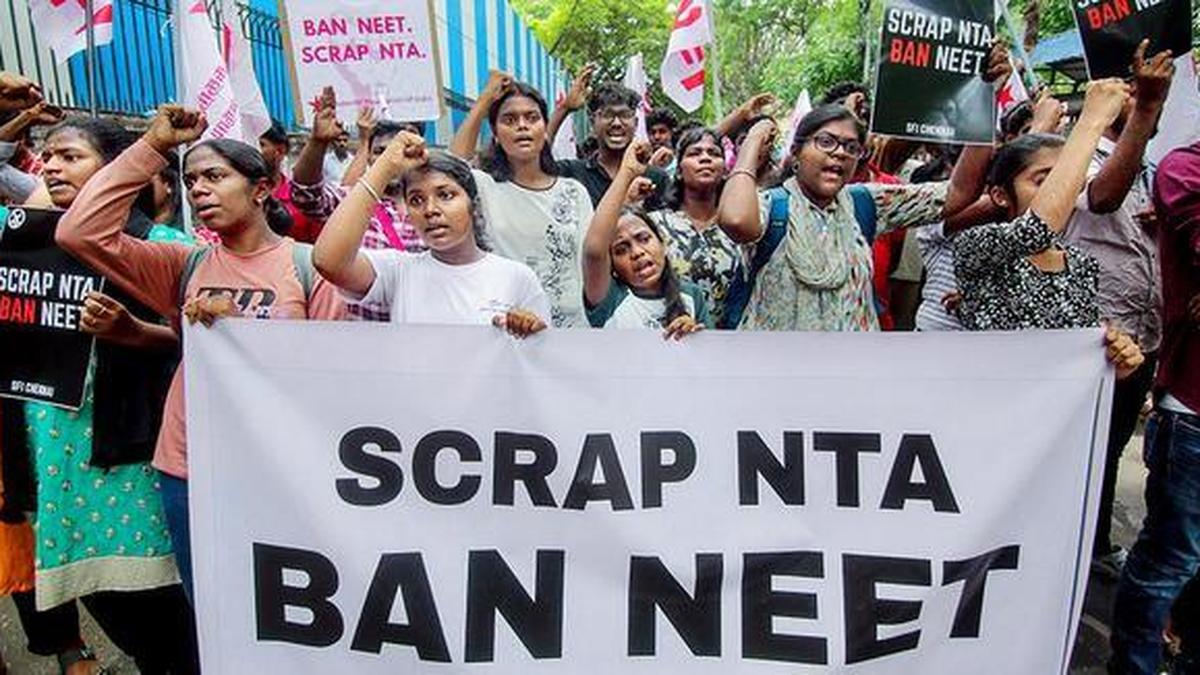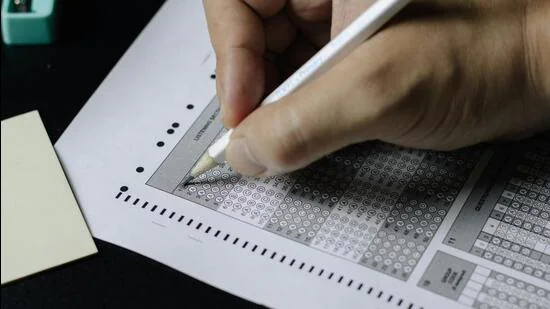
The Centre is considering capping the number of attempts and introducing an upper age limit for NEET-UG aspirants — a significant shift for an examination that currently has no such restrictions — and told a Parliamentary panel on Thursday that these measures, alongside a gradual shift to computer-based testing (CBT), form the next phase of reforms flowing from the Radhakrishnan committee’s recommendations.The assurance comes against the backdrop of NTA cancelling NEET-UG 2026 on May 12 after at least 120 questions in a “guess paper” overlapped with the May 3 examination (Unsplash)Currently, NEET-UG has no upper age limit and no cap on attempts; the only eligibility threshold is a minimum age of 17. The three reforms — attempt and age limits, CBT transition, and multi-session and multi-stage testing — were presented to the Parliament standing committee on Education, Women, Children, Youth and Sports as “long-term measures” to be implemented in consultation with the health ministry. Education Minister Dharmendra Pradhan had separately announced on May 15 that NEET-UG will move to a digital format from next year.The meeting itself turned fractious. BJP MPs objected to the use of the word “leak” — opposing it both in the proceedings and in the agenda circulated three days prior. Opposition members objected to the BJP’s position. NTA and the ministry maintained that “it was not a leak.”The 31-member committee is headed by Congress MP Digvijaya Singh and comprises 17 BJP members, four Congress, three Samajwadi, two TMC, and one each from DMK and NCP-SP; three seats are currently vacant.The Radhakrishnan panel, which submitted its report containing 95 recommendations in October 2024, had flagged multi-stage testing as a “viable possibility,” saying “an acceptable framework with thresholds and test objectives of scoring/ranking at each stage, and number of attempts etc. may be evolved.”NTA currently has CBT capacity for 150,000 candidates per shift and aims to expand that to 1 million within a year. This year, the NEET-UG was taken by 2.27 million – a volume that at present forces the agency to have candidates answer on paper.The age and attempt cap proposals drew divided reactions. Ajai Singh, vice chancellor of UP University of Medical Sciences Saifai, welcomed them. “Beyond a point, the ability to learn new skills and cope with the rigours of medical training declines. We already have such limits in several competitive examinations, and it is important to ensure students do not spend years repeatedly attempting one exam at the cost of their academic and professional growth,” he said.Pritesh Maurya, a NEET coaching teacher from Lucknow, said any cap must be announced well in advance — preferably giving students two to three years to prepare. “Strict limits could disadvantage rural and economically weaker students, especially those from state school boards with weaker schooling backgrounds, compared to better-schooled urban candidates. While some limit is needed to prevent students from spending years repeatedly attempting the exam, candidates should be allowed attempts at least till around 25 years of age,” he said.On the investigation update, NTA told the panel it received inputs on “alleged malpractice” late on May 7, escalated them to central agencies on May 8, and the examination was cancelled on May 12. The re-test will be held on June 21.The CBI, which is investigating the case, has arrested 10 accused so far. In its remand application on May 14, the agency cited the education ministry’s complaint that the exam was “compromised due to circulation of confidential examinations in PDF format through WhatsApp prior to the examination and that some of the circulated questions allegedly matched with the actual examination paper.”On implementation, NTA said Phase-1 reforms — already in place for NEET-UG 2026 and continuing for the June 21 re-exam — include Aadhaar-linked biometric verification, face authentication at registration, multi-layer frisking by state police and NTA teams, mobile jammers deployed by Bharat Electronics Limited and the Electronics Corporation of India Limited, and AI-enabled CCTV surveillance.Phase-2, under planning, envisages cloud-based examination infrastructure, stronger cryptographic protocols, an NTA-owned public testing platform, and the eventual harmonisation of engineering and medical entrance examinations — aligning them through common standards, technology and processes without necessarily merging them into a single exam.To be sure, the leak appears to have originated within NTA’s own paper-setting process — with appointed experts who had access to the question papers allegedly disclosing them to paying students at coaching classes held weeks before the May 3 examination, and questions purportedly circulating as part of guess papers well before the exam date.
NTA plans age bar, attempt cap for NEET-UG, claims it wasn’t a ‘paper leak’
Currently, NTA conducts NEET-UG in a single-shift in pen-and-paper mode with minimum age requirement of 17 years and no upper age limit | India News
744 words~3 min read